
A Guide to Precise Supplementation of Vitamins A, B1, and B2: Timing of Supplementation, Prevention of Poisoning, and Analysis of the Relationship Between Beriberi and Sexual Function
Vitamin A is abundant in animal-based foods such as liver, cod liver oil, egg yolks, saltwater fish, and milk. Vitamin A supplementation is also necessary in the following situations: (1) persistent stress. (2) infection or prolonged fever. (3) malabsorption syndrome, such as pancreatic dysfunction (e.g., pancreatic cystic fibrosis), hepatobiliary diseases (e.g., liver damage, cirrhosis, obstructive jaundice), and digestive system diseases (e.g., post-gastrectomy), tropical stomatitis, segmental enteritis, and persistent diarrhea. (4) In patients with diabetes, hyperthyroidism, or severe protein malnutrition, fat malabsorption reduces the conversion of β-carotene to vitamin A. (5) Patients with strictly controlled or selective diets, those receiving complete parenteral nutrition, patients experiencing sudden weight loss leading to malnutrition, and pregnant or lactating women. However, while supplementing, we must be vigilant against poisoning or death. Acute poisoning: Large ingestions of vitamin A can cause abnormal agitation or restlessness, dizziness, drowsiness, double vision, severe headache, vomiting, diarrhea, and peeling skin (especially on the lips and palms) in adults. Infants may develop a swollen mass on the head, along with agitation, convulsions, vomiting, and other signs of increased intracranial pressure, hydrocephalus, or pseudotumor cerebri. Chronic poisoning: Symptoms include bone and joint pain and swelling, itchy skin, chapped lips, fatigue, weakness, general malaise, fever, headache, vomiting, increased intracranial pressure, papilledema, increased skin sensitivity to sunlight, irritability, loss of appetite, hair loss, abdominal pain, increased nocturia, hepatotoxicity, portal hypertension, hemolysis, anemia, premature closure of the epiphyses in children, and oligomenorrhea in women. Symptoms usually subside within a week after discontinuation of the drug, but may persist for several weeks. It is important to note that pregnant women require slightly more vitamin A, but the daily intake should not exceed 6000 IU. Excessive vitamin A intake by pregnant women may lead to fetal malformations such as cleft lip, hydrocephalus, severe heart defects, urinary tract malformations, growth retardation, and premature epiphyseal closure. Vitamin A can be secreted in breast milk; therefore, when breastfeeding mothers increase their intake, attention should be paid to the amount of vitamin A ingested by the infant from breast milk.
Vitamin B1, also known as thiamine, has the following physiological functions: (1) It is a component of coenzymes. Vitamin B1 is a component of decarboxylase and participates in the metabolism of carbohydrates. If vitamin B1 is insufficient, decarboxylase cannot be fully synthesized, which hinders the metabolism of pyruvate and causes it to accumulate in the body. If it accumulates in nerve tissue and peripheral blood vessels, it will cause beriberi. (2) It protects heart function. Vitamin B1 deficiency can cause peripheral vasodilation, reduced resistance, and accelerated venous blood flow, thus increasing venous return and increasing the heart's output per minute. Long-term overload will lead to heart failure. When the body lacks vitamin B1, the metabolism of energy is incomplete, producing acidic substances such as pyruvate, which in turn damages organs such as the brain, nerves, and heart. The resulting series of symptoms are collectively known as "beriberi". Once it is lacking in the diet, vitamin B1 in the body will decrease rapidly after one or two weeks, resulting in the following symptoms: (1) Digestive symptoms. Vomiting, loss of appetite, constipation or diarrhea. (2) Nervous system symptoms. Irritability, decreased or absent certain nerve reflexes, even drowsiness, staring, drooping eyelids, and convulsions. (3) Circulatory system symptoms. Rapid heart rate, generalized edema, and even heart failure. Infantile beriberi mostly occurs in infants aged 2 to 5 months. It is mainly caused by the lack of vitamin B1 in the breastfeeding mother, resulting in insufficient intake by the infant. The condition develops rapidly and seriously, and can lead to death if left untreated. Vitamin B1 is widely found in natural foods. The finer the rice and flour are processed, the less vitamin B1 they contain. Do not always feed children refined white rice and flour. Under the premise of not affecting the child's appetite, a combination of coarse and fine grains should be made, and more coarse grains such as beans, millet, and mung beans should be eaten. These foods are rich in vitamin B1, and the proportion of meat in the diet should also be increased appropriately. At the same time, it is not advisable to add alkali to the dough. Fresh yeast should be used for fermentation. Since high-temperature frying and adding alkali will destroy vitamin B1 in the dough, fried foods such as fried dough sticks and fried cakes should be eaten less.
Vitamin B2, also known as riboflavin, has the following physiological functions: (1) Participating in tissue respiration. Vitamin B2 deficiency can lead to metabolic disorders and various diseases, such as angular cheilitis. (2) Promoting growth and development. Vitamin B2 is an essential nutrient for maintaining growth; severe deficiency can cause growth stagnation. (3) Protecting the eyes. Cataracts may be related to vitamin B2 deficiency. (4) Relationship with tumors. Vitamin B2 has a protective effect on the skin. (5) Related to behavior. Vitamin B2 deficiency can lead to decreased activity of glutathione reductase in erythrocytes, resulting in depression, emotional instability, and fatigue. A lack of riboflavin in the human body can cause angular cheilitis, blepharitis, conjunctivitis, cheilitis, glossitis, dryness of the nasal and ear mucosa, and dry, peeling skin. Riboflavin is also related to the quality of a person's sex life. When the human body lacks riboflavin, especially in severe cases, problems arise in the mucous membranes of bodily cavities, leading to mucosal lesions and metabolic disorders of mucosal cells. Specific manifestations include thinning of the mucous membrane, damage to the mucosal layer, and rupture of capillaries. The damage to female reproductive organs is even more severe, with typical symptoms including vaginal dryness, vaginal mucosal congestion, and ulceration. This directly affects libido, causing decreased libido and frigidity, which, in the long run, will inevitably affect marital harmony. Foods high in riboflavin include dairy products, animal liver and kidneys, egg yolks, eels, carrots, shiitake mushrooms, seaweed, celery, oranges, tangerines, and mandarins.

Weight Loss, Blood Pressure Stabilization, and Lipid Reduction: A Complete Tea Therapy Solution for People with High Blood Pressure, High Cholesterol, and High Blood Sugar
Weight loss combined with a health-preserving tea therapy suitable for people with high blood pressure, high cholesterol, and high blood sugar can help lower blood pressure, reduce lipids, and stabilize blood sugar. Scientific tea drinking can not only help with weight loss but also gently regulate the body, making it safe and healthy.
2026-03-13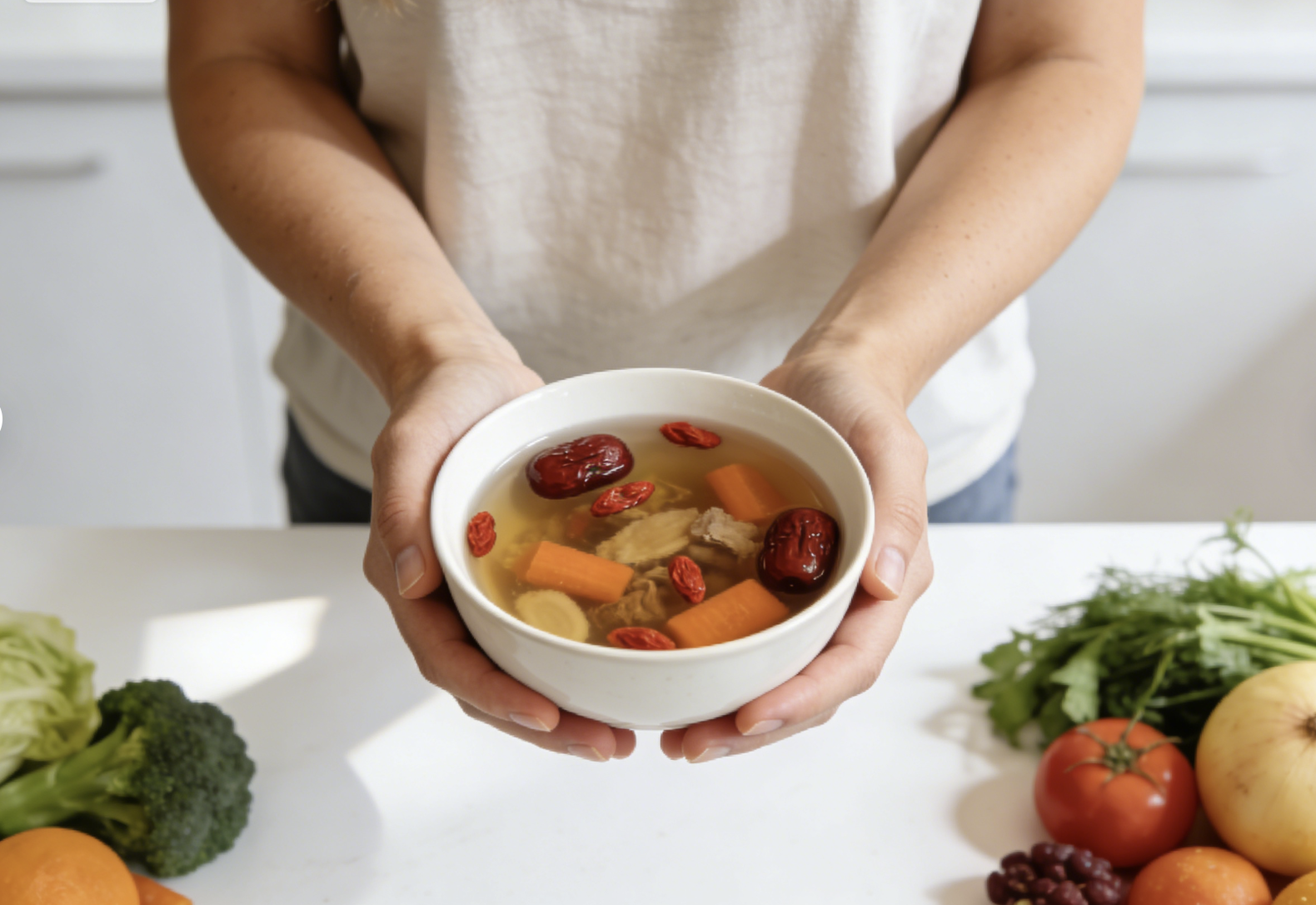
Weight Loss, Blood Sugar Reduction, and Blood Pressure Stabilization: A Guide to Tea Therapy and Medicinal Diets for the Three Highs
Scientific weight loss can be combined with tea therapy and medicinal diets specifically for the three highs to help lower blood sugar, blood pressure, and cholesterol, achieving both nutritional benefits and health maintenance. This approach allows for safe weight loss while effectively managing the three highs.
2026-03-13Weight Loss, Blood Lipid Regulation, and Blood Sugar Control: A Guide to Porridge and Soup for People with High Blood Pressure, High Cholesterol, and High Blood Sugar
For weight loss, porridge and soup specially designed for people with high blood pressure, high blood sugar, and high cholesterol can be used as supplements. These low-fat, nutritious, lipid-controlling, and blood sugar-stabilizing foods, combined with scientific dietary therapy, can both aid in weight loss and nourish the body, making them suitable for long-term consumption by people with these conditions.
2026-03-13