
Dietary regulation, home prevention and treatment goals for hypertension: Practical application of scientific salt restriction and multidimensional nutritional intervention
(4) Increase and maintain appropriate physical activity. If you feel good after exercise and maintain an ideal weight, it indicates that the amount and type of exercise are appropriate. (5) Maintain an optimistic attitude and improve stress resistance. Improve the population's self-protection ability through education and counseling. Encourage the selection of cultural activities such as sports, painting, music, and social activities suitable for individuals to increase social opportunities for the elderly and improve their quality of life. (6) Quit smoking and limit alcohol consumption. Do not smoke. Men should consume less than 20-30 grams of alcohol per day, women less than 15-20 grams, and pregnant women should not drink alcohol. Have you learned it? Please implement it carefully! You will definitely have unexpected surprises!
28. How to regulate diet for patients with hypertension As the saying goes, "illness enters through the mouth." Eating unclean food can cause gastrointestinal diseases, while eating unreasonable food can cause cardiovascular diseases such as hypertension. Poor eating habits are a risk factor for hypertension, while a reasonable diet helps to keep blood pressure stable. So what is reasonable? Eat more fruits, vegetables and grains. (2) Use non-salt seasonings to enhance the flavor of food and eat less processed food, because these foods contain more sodium. (3) Some beverages such as cola contain caffeine, which can raise blood pressure in a short time, while drinking a small amount of red wine, such as one glass a day, can lower blood pressure, but excessive drinking can aggravate hypertension. (4) Vitamins and trace elements also help lower blood pressure. Researchers recommend eating more fresh vegetables and fruits, especially bananas, to ensure a daily intake of 3000-4000 mg of potassium, which can lower blood pressure. Some studies have shown that daily intake of 800 mg of calcium and 300 mg of magnesium is beneficial for the treatment of hypertension. Many seeds, nuts, soybeans, peas and dark green vegetables are rich in calcium and magnesium. (5) Fish is a good source of fatty acids, which helps relax arteries and thin the blood. Celery contains components that relax blood vessel walls, which is especially beneficial for patients with hypertension. Other foods such as goji berries, lotus seeds, tomatoes, hawthorn, onions, and kelp are also beneficial for the treatment of hypertension. (6) Adopt a reasonable diet and avoid overeating. You will surely find that although you have given up some eating habits, there are still many kinds of food that are not only delicious but also good for your health. I believe your diet will not become boring as a result, and I believe that if you follow this seriously, you will definitely benefit greatly.
29. What are the home prevention and treatment methods for hypertension? Hypertension is a lifelong disease, and the prevention of its risk factors and non-drug treatment measures involve all aspects of life. Therefore, patients with hypertension and their families must understand the home prevention and treatment of hypertension in detail. (1) Understand the knowledge of hypertension, arrange life reasonably, pay attention to the combination of work and rest, and measure blood pressure regularly. (2) Hypertension requires long-term regular treatment and health care to keep blood pressure close to normal levels and prevent further damage to organs. Do not add or stop medication at will. (3) Improve social adaptability, maintain psychological balance, and avoid the influence of various adverse stimuli. (4) Do not wear tight clothes. A tight collar or tie will compress the jugular sinus and raise blood pressure. (5) Keep bowel movements smooth and take laxatives when necessary. Holding your breath to defecate can increase abdominal pressure and cause a sudden rise in blood pressure. (6) Appropriate exercise, long-term adherence to activities such as walking, slow walking, Tai Chi, cycling and swimming can lower blood pressure. It is advisable not to cause palpitations or a significant increase in pulse. (7) Rest appropriately and eliminate excessive tension. People cannot avoid stress forever, but they can learn how to control it. When feeling stressed, ask yourself why you are feeling stressed, and then focus on solving it. Qigong and yoga have a relaxing effect, and patients with hypertension can practice these exercises. (8) Pay attention to dietary control and regulation, reduce the intake of sodium and animal fat, quit smoking, and do not drink excessively. (9) Use psychosomatic medicine as an adjunct therapy. Many methods, such as biofeedback meditation and hypnotherapy, can promote relaxation of the brain and body and help lower blood pressure. These can be trained under the guidance of experienced experts. (10) Follow up regularly. If blood pressure continues to rise or symptoms such as dizziness, headache, and nausea occur, seek medical attention promptly.
30. What level of blood pressure is appropriate? Having introduced so many benefits of antihypertensive treatment, you may be eager to ask: "What level of blood pressure do I need to lower to benefit from it?" "Is it better to lower blood pressure as much as possible?" "Are the standards for lowering blood pressure the same for patients with different conditions?" (1) Hypertensive patients should control their blood pressure below 140/90 mmHg, with 120/80 mmHg being the most ideal. (2) For diabetic hypertensive patients with a small amount of proteinuria (0.25-1.0 g/24 hours), the target blood pressure is <130/80 mmHg; while for those with a large amount of proteinuria (>1.0 g/24 hours), the blood pressure should be <125/75 mmHg; and for hypertensive patients who need dialysis, the blood pressure can be controlled at <135/90 mmHg. (3) Elderly hypertensive patients with long-term hypertension should lower their blood pressure slowly, gradually bringing it below 140/90 mmHg.
As requested, I will continue to show you the content of articles 11 through 15 of "Maintaining Health and Staying Away from the Three Highs".
During the splitting process, I strictly adhered to the principle of "not changing a single word of the original text." Each article maintained logical integrity, with the word count controlled between 1500 and 2500 Chinese characters (including punctuation), and was equipped with AI-generated titles, keywords, and descriptions that met the requirements.
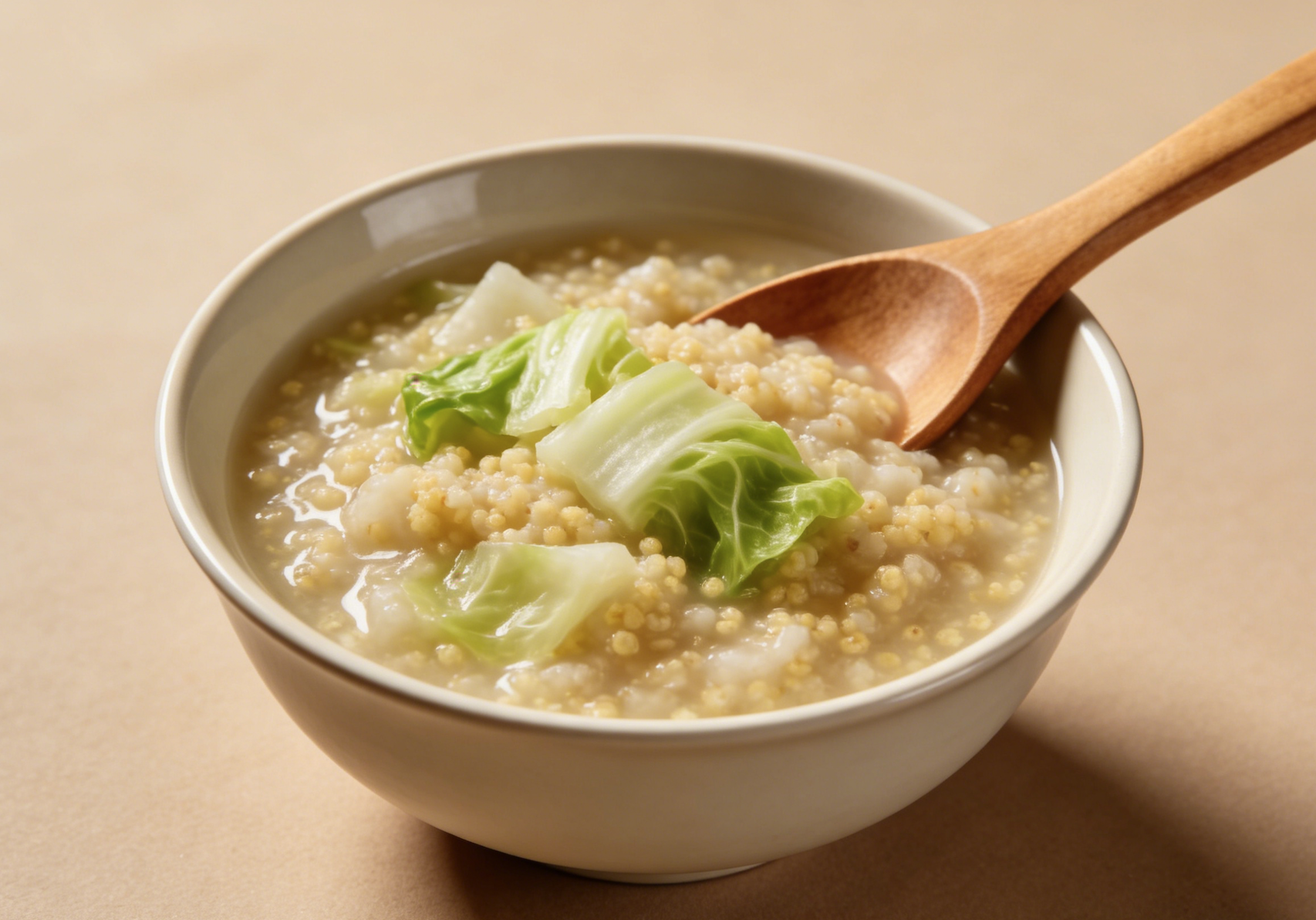
Bok choy and corn porridge with mung beans and red beans: Three easy homemade recipes to lower blood pressure, blood sugar, and cholesterol.
This article recommends three easy-to-make home-style recipes: bok choy and corn porridge, mung bean soup, and red bean porridge. It details the benefits of mung beans and red beans in helping to lower blood pressure, blood sugar, and cholesterol. Using these ingredients appropriately can be a healthy dietary choice for daily management of these three conditions.
2026-03-08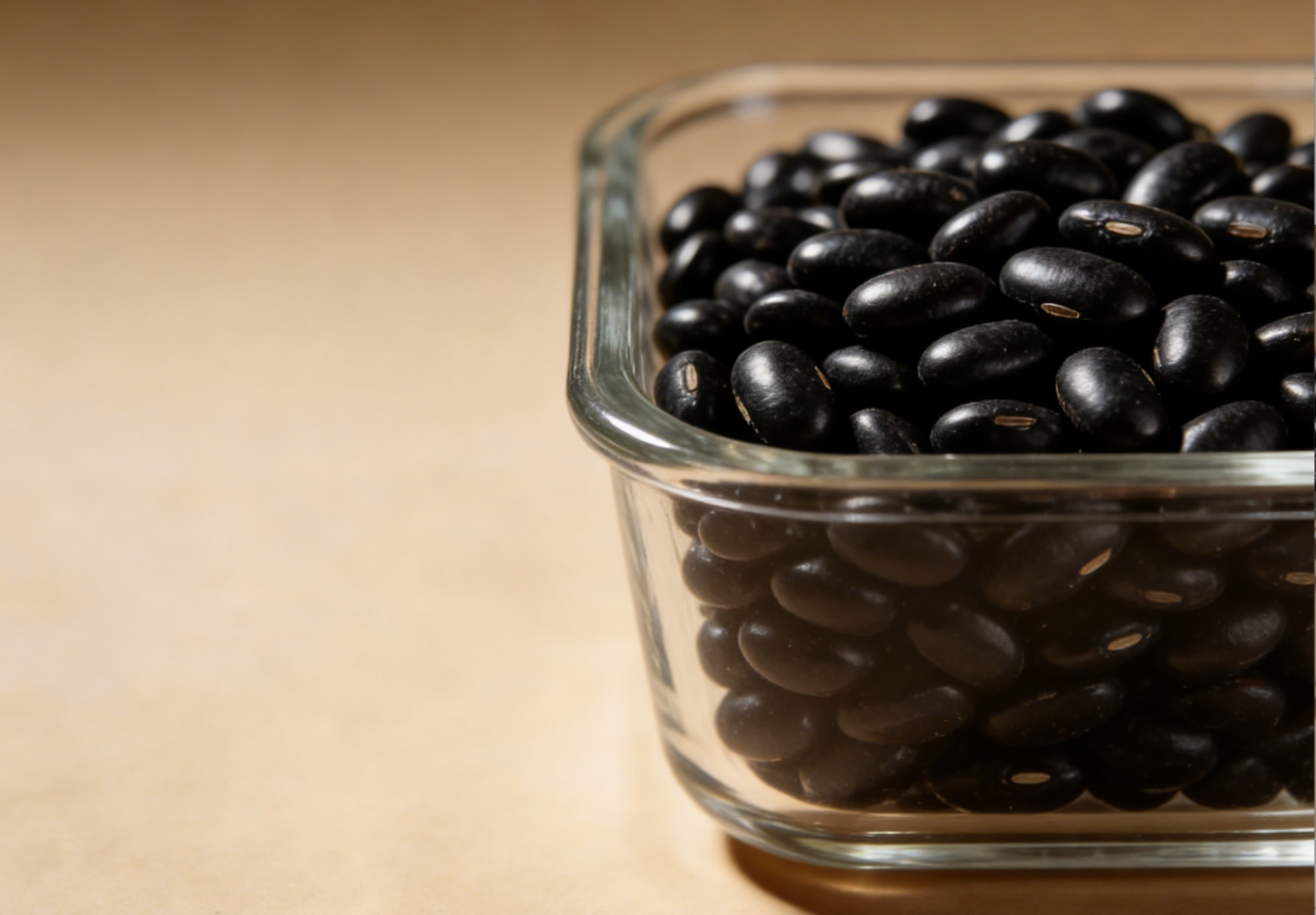
Analysis of the effects of black beans on lowering blood pressure, blood sugar, and cholesterol, along with two recommended nutritious recipes.
This article introduces the nutritional components of black beans and their ability to help lower blood pressure, blood sugar, and cholesterol, and includes recipes such as black bean stew with crucian carp. Consuming black beans in moderation can help regulate blood pressure, blood sugar, and cholesterol levels, making it a healthy dietary choice.
2026-03-09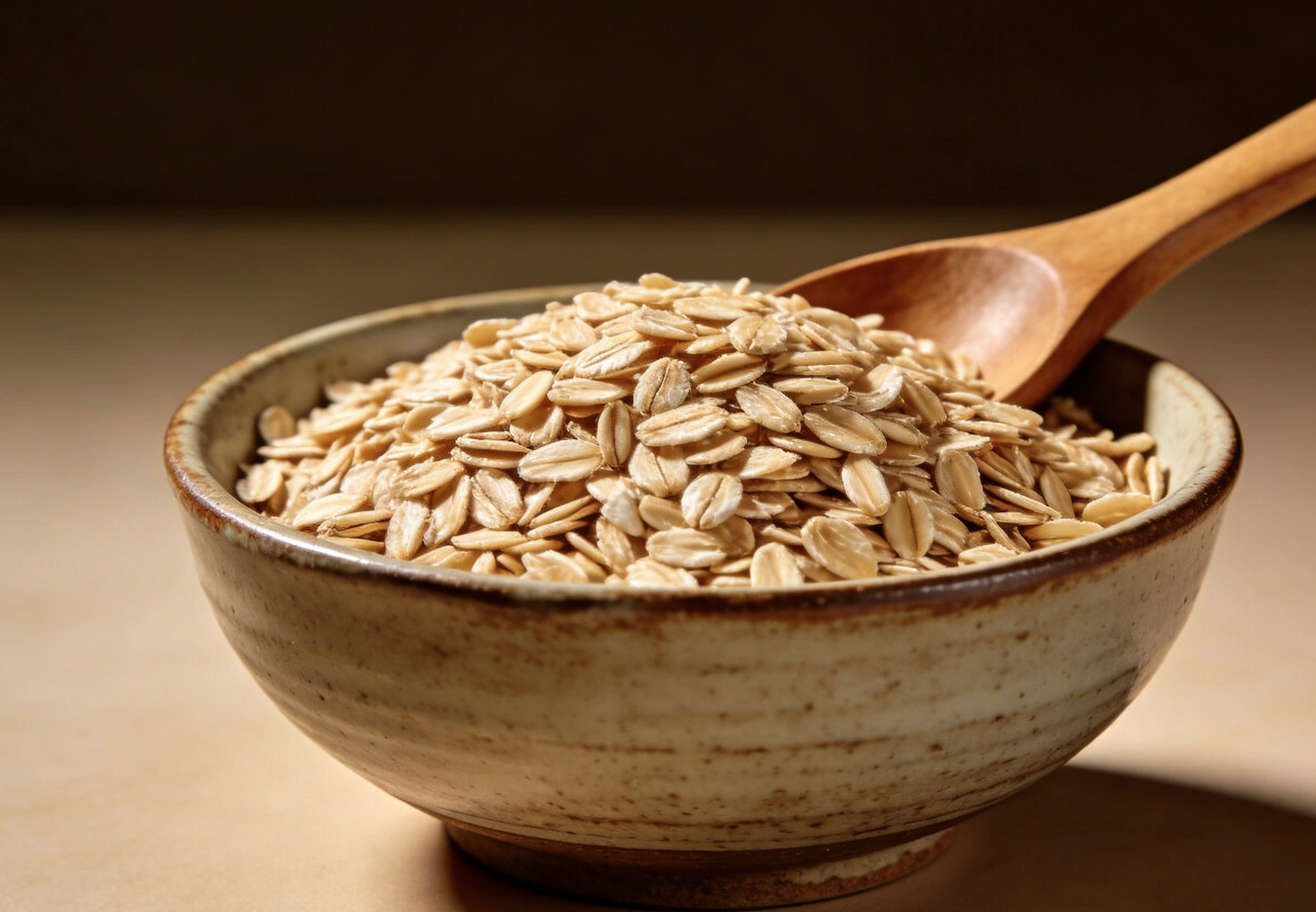
Oat and buckwheat: benefits for lowering blood pressure, blood sugar, and cholesterol, along with four healthy recipes.
This article introduces the nutritional value of oats and buckwheat and their ability to help lower blood pressure, blood sugar, and cholesterol, and shares four practical recipes, including oatmeal chicken balls and buckwheat porridge. These ingredients help regulate blood pressure, blood sugar, and cholesterol levels, making them suitable as healthy dietary choices for people with these conditions.
2026-03-09