
Analysis of the three core characteristics of health supplements: a balance of safety and functionality
Characteristics of Health Foods
1. Special Foods Among Foods: Safety and Functionality
Health foods are a category of foods that possess the common characteristics of food, have certain nutritional value, are non-toxic and harmless with long-term consumption, and have corresponding sensory properties such as color, aroma, and taste. They can have the appearance of traditional foods or be in the form of capsules, tablets, or oral liquids. However, health foods are not ordinary foods; they should have specific health functions, which must be concrete, clearly defined, and objectively verifiable through scientific testing methods, capable of regulating a specific aspect of human function, such as immune regulation, weight loss, promoting growth and development, and anti-fatigue. The consumption of health foods cannot be as unrestricted as that of daily foods. Health foods only contain certain functional factors or some nutrients and cannot meet the body's needs for all essential nutrients; they cannot replace a normal diet.
2. Only Suitable for Specific Groups
Health foods are special foods and are not suitable for everyone. They only address the specific needs of a certain group of people, and their target population and consumption amount are subject to certain restrictions. Health foods are designed for sub-healthy individuals, with different functions catering to different characteristics of this condition. For example, weight-loss foods are only suitable for obese individuals. This is another important characteristic of health foods that consumers must pay attention to.
3. Resembling medicine, but not medicine
Medicines are used directly to treat various diseases, and most cannot be taken long-term, allowing for certain adverse drug reactions. Health foods, however, cannot be used directly to treat diseases. They are regulators of bodily mechanisms and nutritional supplements. In small doses, their active ingredients participate in the body's physiological regulation, promoting the body's transformation from an unstable or pathological state to a normal state. Their effects are relatively slow. Therefore, when a consumer is ill, health foods cannot replace the therapeutic effects of medication. Health foods can be used to regulate bodily functions and can be taken long-term without causing any acute, subacute, or chronic harm to the user. Health foods can only be ingested orally, while medications can be administered through injection, skin contact, and oral administration. Because of their different purposes, health foods and pharmaceuticals have many specific differences in production, design, and advertising requirements. For example, the production and technical conditions of pharmaceuticals require strict review by relevant national regulatory departments, rigorous examination in pharmacology, pathology, physiology, and biochemistry, and extensive clinical trials in nationally recognized and qualified hospitals. Only after approval by relevant departments can they be released to the market, possessing definite efficacy and indications, and clearly defined adverse reactions. While health foods require animal and human trials, they do not require hospital clinical trials before being developed and released to the market. Health food packaging and advertising must not explicitly or implicitly claim disease prevention or treatment functions.

Warnings about the dangers of high blood sugar: causes, prevention, and cases
Blood sugar is crucial for life, and its balance is paramount. This article details the sources and pathways of blood sugar, analyzes the causes and dangers of high blood sugar, and uses real-life cases to warn of the consequences of neglecting blood sugar health, urging regular monitoring.
2026-03-20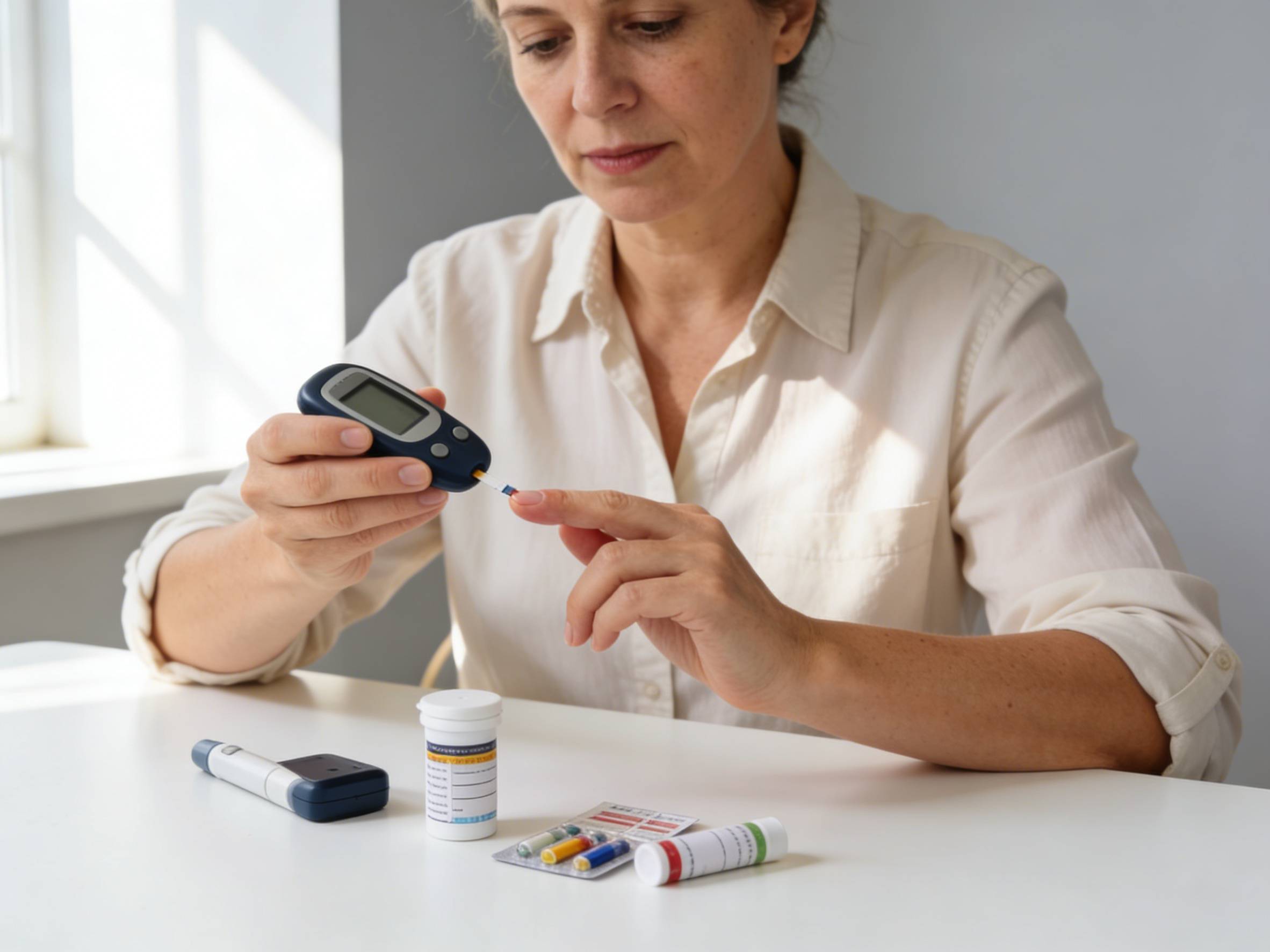
Blood sugar warning signals: In-depth identification from "hyperglycemia surge" to sub-health status
Elevated blood sugar is an important sub-health signal from the body. This article analyzes the pathological causes of Xiao Hu's case to highlight the clinical significance of "elevated blood sugar" as a sign of prediabetes. The article details eight early warning symptoms, including dry mouth, weight loss, and skin infections, and, in conjunction with fasting blood glucose testing standards, emphasizes the decisive role of scientific intervention in the sub-health stage in halting the progression of diabetes.
2026-03-20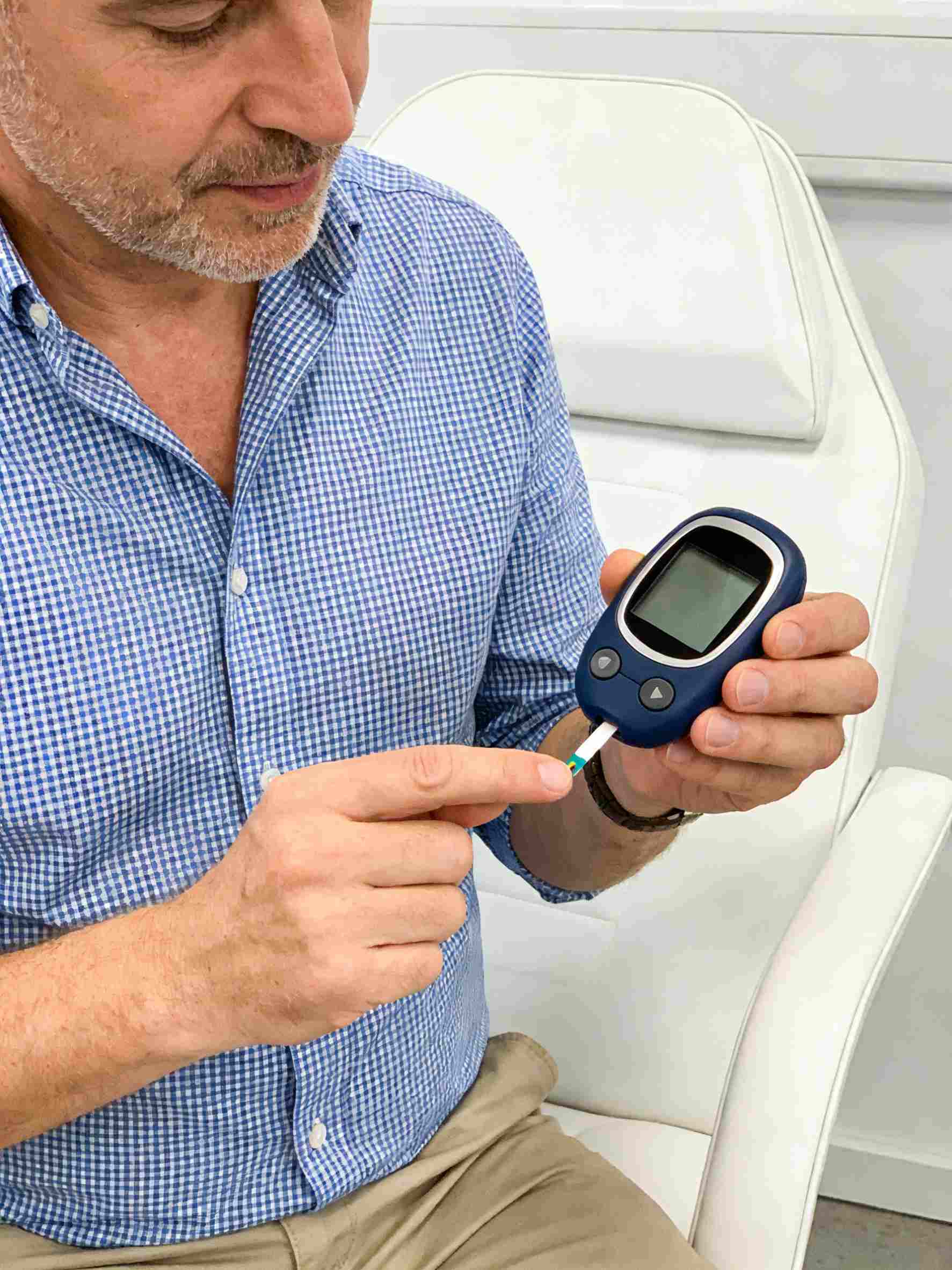
The Hidden "High Blood Sugar Surge": Postprandial Blood Glucose Monitoring and Three Levels of Diabetes Prevention
Many patients with early-stage diabetes have normal fasting blood glucose levels but experience dangerous "postprandial hyperglycemia surges." This article elucidates the crucial role of postprandial blood glucose monitoring in the early detection of diabetes and discusses common causes of errors in blood glucose testing. Furthermore, the article divides hyperglycemia prevention and control into three levels and focuses on exploring the profound impact of hereditary diabetes on pregnancy, fetal development (such as macrosomia and birth defects), and maternal health.
2026-03-20