
Artistic Life and Auricular Acupressure: Music, Entertainment, and Foot Massage for Lowering Blood Pressure and Cholesterol
Scenic Viewing and Flower Appreciation Therapy for Lowering Blood Pressure
Many forms of entertainment nowadays are both enjoyable and can improve one's mood. Studies have also found that appropriate use of "entertainment therapy" by hypertensive patients has a very positive effect on stabilizing blood pressure or assisting in the treatment of hypertension. The main types of entertainment methods that assist in lowering blood pressure are as follows: Scenic Viewing Therapy: A natural therapy that achieves therapeutic and health-preserving goals through travel. Traveling to embrace nature and enjoying the scenery of lakes, mountains, and historical sites to relieve stress and improve mood is a natural therapy recognized both domestically and internationally. Before participating in a trip, hypertensive patients should undergo a comprehensive assessment of their physical condition, age, and other factors by a doctor to determine their suitability. Hypertensive patients can travel with their doctor's approval and should choose travel destinations, methods, and activities according to their individual physical condition and stamina, and arrange a reasonable itinerary. They should also prepare sufficient medication and take their antihypertensive drugs on time; carrying a portable blood pressure monitor is even better. Travel and Strolls Broaden the Mind. Curiosity is a human instinct, and people need to understand each other. Travel can facilitate communication and mutual understanding. This mutual understanding can broaden people's minds and increase their knowledge. The renowned American psychologist Abraham Maslow told us that human needs have five basic levels: physiological needs, safety and security needs, the need to establish one's status within a group through interaction with others, the need for self-love, self-esteem, and being respected, and the need for self-actualization or personal development.
People always try to satisfy these five needs as much as possible within the given circumstances. Modern society can and should provide more than just lower-level physiological and safety needs; having achieved considerable material enjoyment, modern people increasingly pursue a fulfilling spiritual life. Tourism and sightseeing, traveling the world, can effectively satisfy people's higher-level spiritual needs. Tourism activities exercise muscles and bones, relax tense emotions, broaden horizons, and allow one to breathe fresh air. When people immerse themselves in nature—deep mountains and dense forests, rivers, lakes and seas, streams, springs, waterfalls, and fields of flowers and grass—they experience a refreshing feeling, thus cultivating their character and benefiting their health. Tourism should be tailored to the time, place, and individual, in accordance with nature. Spring brings gentle breezes, clear skies, and flourishing life. New buds sprout, and the natural energy of life begins to emerge. After the winter's rest, people should align themselves with nature's vitality; a spring outing is a beneficial activity. Summer offers shady trees, but the heat can easily deplete one's yin fluids. Therefore, it's best to enjoy a boat ride on a lake at dawn or dusk, admiring the lotus blossoms for a refreshing respite. Autumn, with its clear skies and crisp air, is the best season for travel. Whether hiking or playing in the water, the joy is boundless. Winter is generally not for long journeys, but for those seeking beauty, such as snow-covered plum blossoms, icy mountains, and the sight of snowflakes falling from the sky, there is a unique pleasure. Travel should primarily be on foot. Mountains are not valued for their height, but for their layered beauty; waters are not valued for their depth, but for their winding course; the beauty of peaks lies in their profound and picturesque scenery. Improving one's psychological well-being is crucial for tourists to fully enjoy their trip and cultivate their character. To ensure that travel has a truly enriching effect, continuously enhancing tourists' cultural and aesthetic appreciation is essential.
Travel is also related to temperament. Those with a sanguine temperament should visit famous mountains and rivers to express their feelings directly; those with a choleric temperament should visit pavilions and terraces to calm their minds; and those with a melancholic or phlegmatic temperament should focus on seeing ancient and modern wonders and scenic spots with dramatic ups and downs to change their melancholic mood. We know that exercising the toes, like exercising the fingers, is beneficial to brain health. Some people believe that the soles of the feet are the "second heart" of the body, and reduced toe activity has become a cause of modern "diseases of civilization." Therefore, to maintain good health, one should travel more and exercise more. Watching fish: Watching fish for 30 minutes a day can bring peace of mind and emotional stability. Observations have shown that people with high blood pressure who frequently watch goldfish can lower their blood pressure because watching the colorful goldfish swimming happily in the aquarium can gradually relax the mind and lower blood pressure. Animals: Keeping pets can improve mood, bring joy, and thus help lower blood pressure. American researchers have found that for people with hypertension or those at high risk, having a dog nearby can lower their blood pressure. For most people with hypertension, stroking an animal's head can help lower blood pressure and reduce the risk of heart attacks.
Planting flowers: Engaging in activities like planting and watering flowers can regulate emotions and create a sense of purpose and accomplishment, which can have auxiliary therapeutic effects on hypertension and heart disease. Studies have shown that if people with hypertension consciously visit flowerbeds daily, they can achieve a calm mood, thus lowering blood pressure. Choosing appropriate forms of entertainment is beneficial for managing hypertension. Of course, when using these methods, patients should ideally have their own blood pressure monitor and learn how to measure their blood pressure regularly. They should also remember to take their prescribed antihypertensive medication and have regular checkups.
Dancing to Lower Blood Pressure
Dance therapy for hypertension refers to a natural therapy that uses dance to achieve therapeutic and health-preserving effects. Dance is often accompanied by music, so dance therapy is frequently combined with music therapy. It can be said that dance therapy is a holistic treatment for both mind and body, or even a form of emotional therapy that utilizes movement. Dancing gracefully to soothing, melodious music brings aesthetic enjoyment and uplifts the spirit. Exchanging thoughts with a partner during the dance can dispel inner turmoil. Dance is also a form of exercise, which not only strengthens the body but also allows for the expression of thoughts, emotions, and the release of pent-up feelings, thus regulating and improving one's emotional state.
Therefore, consistent dance therapy can not only directly improve blood circulation, relax muscles and tendons, and lubricate joints, but also calm the emotions and improve the complexion of hypertensive patients, relieving stress, anxiety, and agitation from work and life. It can also regulate dysfunctions in the cerebral cortex, central nervous system, and blood vessels, and promote the dilation of small arteries throughout the body, thereby lowering blood pressure. There are many types of dance, including folk dance, modern dance, and classical dance. The first two types are primarily suitable for dance therapy for hypertension, including Yangko dance, red ribbon dance, waist drum dance, fan dance, ballroom dance, rumba, and disco for middle-aged and elderly people. Dance therapy can be used in two ways: active expression and passive reception. The former involves the patient actively engaging in dance to treat the disease, while the latter refers to treating the disease through appreciating the art of dance. Hypertensive patients can choose the appropriate method and dance style based on their specific circumstances. Dance therapy is only suitable for patients with stage I and II hypertension. It is not suitable for patients with more severe hypertension or those with significant symptoms such as dizziness and headaches. The amount of exercise should not be too strenuous; it should be gradual and realistic. Dance styles with excessive movements, too many actions, or too strong a rhythm should be avoided, especially for elderly and frail hypertensive patients. The duration should be controlled, 1-2 times a day, for 30-60 minutes each time.

Life Lies in Scientific Exercise: The Ultimate Solution for Blood Lipid Control and the Path to Health and Longevity
This article explores the profound impact of exercise and mental state on blood lipid health. By analyzing the scientific principles behind aerobic exercise's ability to boost metabolism and burn fat, it warns of the deadly risks of modern people's sedentary lifestyle. The article concludes by emphasizing that, in addition to improving diet and increasing exercise, quitting unhealthy behaviors such as smoking and excessive drinking, and cultivating a broad-minded and open-minded attitude are the core guarantees for truly achieving "freedom from the three highs" (high blood pressure, high cholesterol, and high blood sugar), providing readers with a comprehensive guide to health and longevity.
2026-03-20
A New Interpretation of a Relaxed Mind and a Healthy Body: Blood Lipid Health and Behavioral Management
Lipid management requires a holistic approach, addressing both physical and mental well-being. This article explores the positive impact of a relaxed mindset on lipid levels, analyzes how unhealthy behaviors lead to abnormal lipid levels, and provides comprehensive strategies from psychological adjustment to behavioral correction to help you maintain healthy lipid levels.
2026-03-20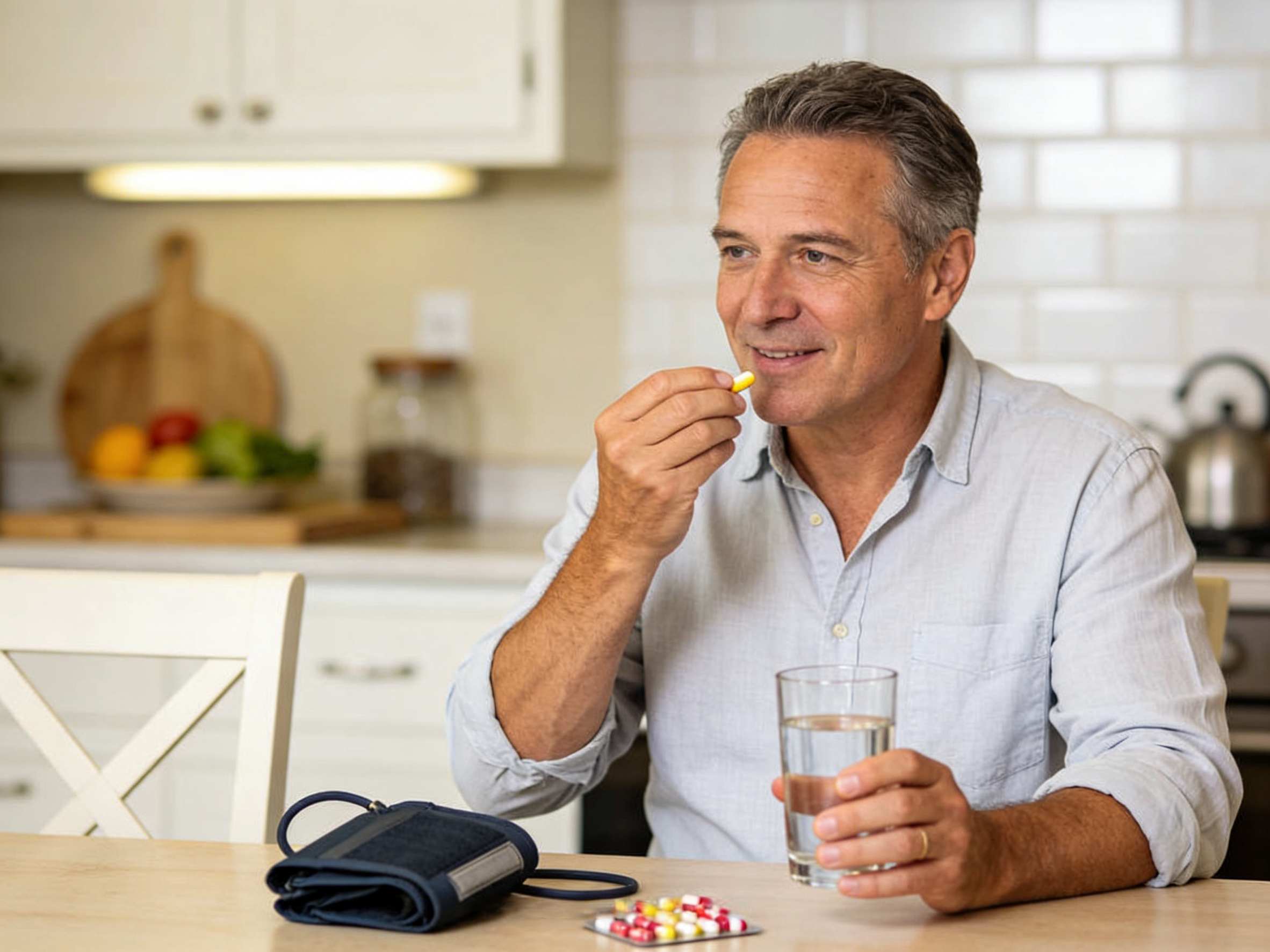
Lipid regulation in special populations and the application of novel drugs: bile acid sequestrants, absorption inhibitors, and principles of lipid regulation in the elderly.
This article focuses on the clinical value of novel lipid-lowering drugs—bile acid sequestrants and cholesterol absorption inhibitors (ezetimibe). It also provides specific treatment guidelines for lipid management in special populations such as the elderly, children, and adolescents, emphasizing the individualized differences in lipid-lowering in the elderly. Furthermore, the article offers scientific lipid-lowering plans for patients with gout or those at high risk, aiming to comprehensively improve lipid management.
2026-03-21