
Detailed Explanation of Scientific Diagnostic Criteria for Secondary Prevention of Hypertension and Hyperlipidemia
Secondary prevention of hypertension: Secondary prevention of hypertension generally refers to measures taken for patients who already have hypertension to prevent its further development and the occurrence of complications. Specific measures include:
1. Lowering blood pressure to the normal range through antihypertensive treatment.
2. Rational use of medication to protect target organs from damage.
3. Treating other adverse factors while lowering blood pressure.
Clinical trials have proven that improving lifestyle habits and implementing long-term, effective antihypertensive treatment are the only way for hypertensive patients to control their blood pressure and achieve healthy longevity.
Hypertension is a polygenic hereditary disease. If both parents have hypertension, their children have a 45% chance of developing hypertension; if one parent has hypertension, the probability is 28%; if both parents have normal blood pressure, the probability is only 3%.
Therefore, people with a family history of hypertension should actively prevent the onset of hypertension. Specific measures include: monitoring blood pressure regularly after adulthood, at least once a month; limiting salt intake and supplementing potassium, with a daily salt intake not exceeding 5 grams; eating more vegetables and fruits rich in potassium, such as bananas, walnuts, lotus seeds, coriander, amaranth, and spinach; preventing overweight and obesity; and quitting smoking and limiting alcohol consumption.
Understanding High Blood Lipids
What are blood lipids: Blood lipids are the general term for neutral fats (triglycerides and cholesterol) and lipids (phospholipids, glycolipids, sterols, and steroids) in blood plasma, widely present in the human body. They are essential substances for the basic metabolism of living cells. Generally speaking, the main components of blood lipids are triglycerides and cholesterol, with triglycerides mainly used in the synthesis of cell membranes, steroid hormones, and bile acids.
There are two sources of blood lipids in the human body: endogenous and exogenous. Endogenous blood lipids refer to blood lipid components synthesized in tissues such as the liver and fat cells; exogenous blood lipids refer to blood lipid components ingested from food. Specifically, endogenous blood lipids refer to a class of serum lipid substances secreted and synthesized by the body itself. Endogenous blood lipids first pass through the liver and fat cells, and after binding with these cells, they are released into the bloodstream, becoming an energy source for the body's metabolism and life activities. In contrast to endogenous blood lipids, blood lipids from external sources that cannot be directly synthesized by the body are called exogenous blood lipids. These are mostly absorbed from the food the body ingests. After food is digested and absorbed in the gastrointestinal tract, lipids enter the bloodstream, thus becoming blood lipids.
Under normal circumstances, exogenous and endogenous blood lipids mutually restrain each other, with one increasing as the other decreases, jointly maintaining the body's lipid metabolism balance. When the body ingests lipids from food, the absorption of fat in the intestines increases, leading to a rise in blood lipid levels. However, due to the increase in exogenous blood lipid levels, fat synthesis in the liver is somewhat inhibited, thereby reducing the secretion of endogenous blood lipids. Conversely, reducing the intake of exogenous fats in the diet accelerates the synthesis of endogenous blood lipids, thus preventing low blood lipid levels and maintaining a relatively balanced and stable state. It is precisely because of this balancing relationship that blood lipid levels can be well maintained at a stable level. However, long-term exposure to adverse factors, such as high-fat, high-calorie diets, can lead to elevated blood lipids and induce disease.
Diagnosis of Hyperlipidemia: Currently, there is no unified international or domestic standard for the diagnosis of hyperlipidemia. Previously, a plasma total cholesterol concentration >5.17 mmol/L was considered hypercholesterolemia, and a plasma triglyceride concentration >2.3 mmol/L was considered hypertriglyceridemia. However, due to differences in the populations tested and the testing methods used, the diagnostic criteria for hyperlipidemia vary from place to place. However, to prevent atherosclerosis and coronary heart disease, the appropriate plasma cholesterol level should be determined based on the patient's future risk of cardiovascular and cerebrovascular diseases; the higher the risk, the lower the appropriate plasma cholesterol level should be.
The recent consensus is to lower the LDL-C target value for high-risk patients to <1.4 mmol/L.
Routine blood lipid tests include triglycerides, total serum cholesterol, low-density lipoprotein cholesterol, and high-density lipoprotein cholesterol. Generally, if the following values are observed twice within two weeks under normal dietary conditions, a diagnosis of hyperlipidemia can be made.
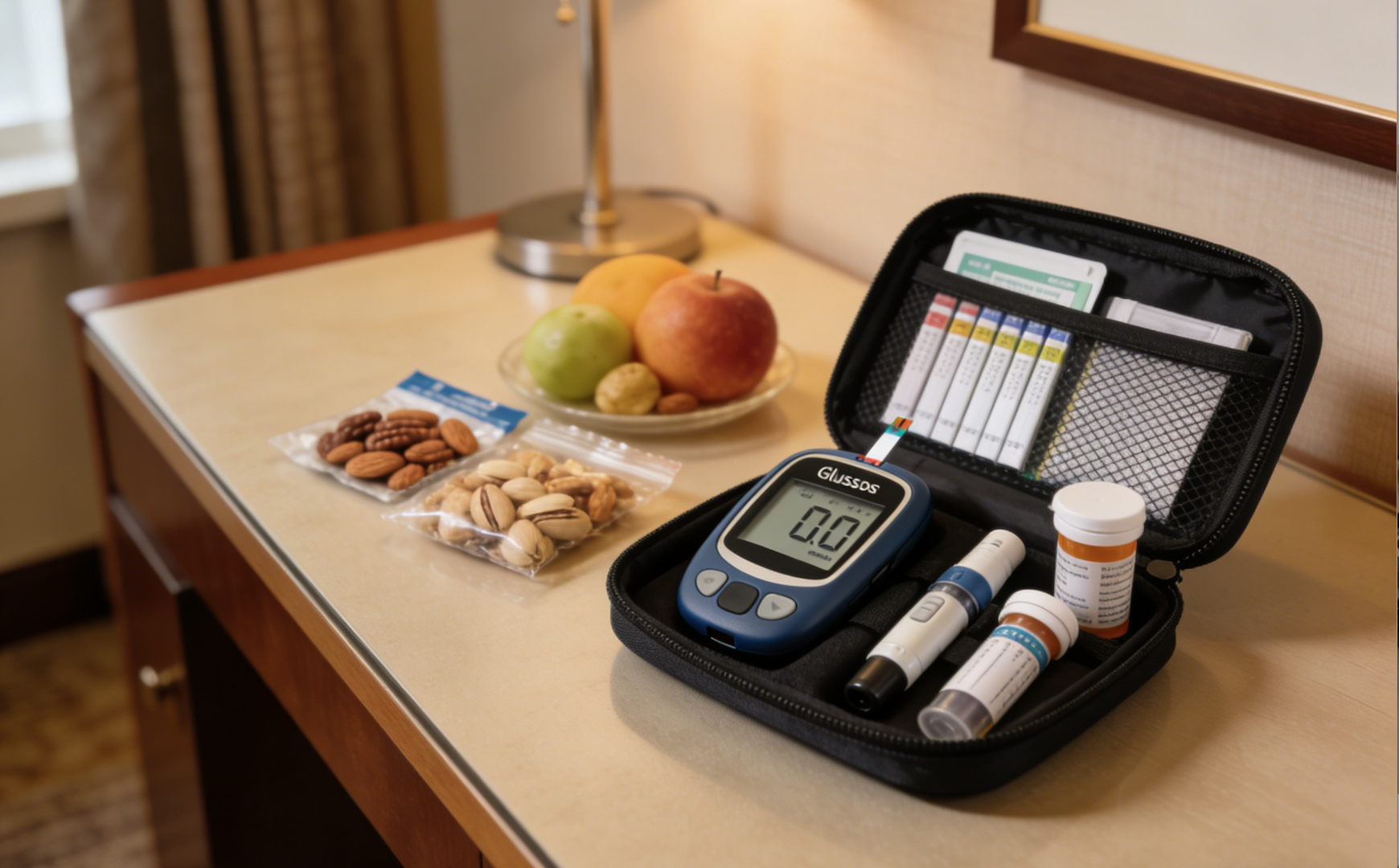
Medication Guidelines for Patients with Hyperglycemia: Scientific Use of Biguanides and Strict Adherence to Doctor's Prescription
This article guides patients with high blood sugar on how to take biguanide medications scientifically and emphasizes the importance of strictly adhering to medical advice. Correct medication use and adherence to instructions are key to safe and effective blood sugar management, helping to avoid side effects and achieve stable blood sugar control.
2026-03-02
Blood Glucose Meter Usage Guide: Avoiding Errors and Accurate Blood Glucose Monitoring
This article provides a detailed explanation of the correct use of a blood glucose meter, including key points such as testing frequency, standardized blood collection procedures, test strip storage, and instrument storage. Mastering these techniques ensures accurate blood glucose monitoring results and is crucial for effective blood glucose level management.
2026-03-02
Contraindications for drug combinations in diabetic patients: Scientific use of medication to stabilize blood sugar
This article provides a detailed analysis of medication contraindications for diabetic patients, emphasizing the need to avoid unscientific drug combinations that could reduce the effectiveness of hypoglycemic agents or trigger hypoglycemia. Correct medication use is crucial for controlling blood sugar, helping to maintain stable blood sugar levels, and ensuring safe and effective treatment.
2026-03-02