
Life Lies in Scientific Exercise: The Ultimate Solution for Blood Lipid Control and the Path to Health and Longevity
The French philosopher Voltaire famously said, "Life is in motion," revealing a fundamental law of life. An ancient Chinese philosopher also said, "Running water does not stagnate, and a frequently used door hinge does not rust." This proverb illustrates that things in constant motion are less susceptible to decay. Different nationalities, beliefs, cultural backgrounds, and skin colors all share the same truth: "Life lies in movement, and movement strengthens the body's resistance."
No matter who you are, or how much wealth you have, to have health, you must exercise. No matter what supplements you take, or how good your genes are, to have health, you must exercise. For health and longevity, exercise is irreplaceable by any material means. We often hear white-collar workers complain that they work themselves to the bone every day, where is the time to exercise?
Indeed, white-collar workers often shoulder heavy burdens, and even if they don't currently have heavy burdens, they are still working hard to earn them, because carrying these burdens not only enhances their image but also increases their salary. Therefore, neither men nor women put much thought into how to exercise. Even those who spend thousands of yuan on gym memberships often give up halfway through for various reasons. It's not difficult for white-collar workers to exercise. For example, those who commute can skip two stops and walk briskly for 20-30 minutes on their way home from work. Another example is a race walk between father and son on the way home from school. Yet another is "chair exercises" in the office. In short, exercise is not contradictory to work and life. Squeezing in exercise whenever possible, in any place, with the right person, and at the right time is a perfect combination of intelligence and resilience. There was a woman, 38 years old, a single mother and music teacher. People who knew her said, "Raising a child alone, working and doing housework, where do you find the time to exercise?" But this single mother was very smart and persevering; she treated exercise as a family activity. Every morning at 5:30, she would get up, tidy the house, make breakfast, wake her son up, eat, and go to school before going to teach at the music school herself. She picks up her son at 4:30 PM to take him to the Children's Palace. He has martial arts training three times a week, and while he's in class, she exercises at a nearby fitness center. After dinner, her son does his homework, she does housework, watches the news, and then turns off the TV. She then practices the exercises she did during the day in her living room. Her experience is that she doesn't need to be too demanding of herself or make overly strict plans. She believes that exercising whenever she has free time and consistently over the years will definitely yield results. In modern life, high technology has brought people a level of happiness that previous generations never enjoyed. For example, sitting on the sofa at home watching TV, dozens of channels broadcast different programs: blockbuster movies, comedy sketches, Peking Opera, Pingju Opera, Henan Opera, Bangzi Opera… whatever you want to watch, you can find it—it's wonderful. So after dinner, people no longer go out for a stroll; instead, they put down their bowls and sit still, watching one channel after another until the TV screen displays "Goodbye," at which point they yawn, stretch, take a shower, and go to bed. Day after day, year after year, while television programs enrich people's cultural lives, they also contribute to many health problems, the most visible being the increase in obesity. This increase in obesity isn't the fault of television programs, but rather a problem with people's attitudes.
People have forgotten the principle that "life lies in movement," treating watching television as an unwavering habit, often for hours on end. While watching, they constantly snack, consuming more calories before dinner is fully digested. How can their blood lipids not be high? This is especially true for those with high blood sugar, as the food they eat is converted into fat through gluconeogenesis, further increasing blood lipid levels. Therefore, people with high blood lipids must watch television in moderation. Less television and more exercise are key to maintaining normal blood lipid levels. How much exercise should people with high blood lipids engage in daily is something they need to know. Generally, determining the appropriate amount of exercise can be based on both subjective feelings and objective observations. Subjective feelings refer to each person's appetite, sleep, perspiration, and desire to exercise. If you experience moderate sweating, good sleep and appetite, and a pleasant mood after exercise, and although you may feel fatigued, it disappears with rest, and you feel a desire to continue exercising, then the amount of exercise is appropriate. Otherwise, it needs to be adjusted. An objective way to measure the amount of exercise is to observe your baseline pulse. Use pulse changes to gauge the amount of exercise. If your heart rate increases during exercise, and your pulse returns to its pre-exercise level 5-10 minutes after exercise, then the amount of exercise is appropriate.
The daily exercise time should be around 30 minutes. If you cannot complete it in one session, you can break it up into segments, but each session should not be less than 10 minutes. The specific amount and duration of exercise should be determined based on the age, degree of lipid elevation, living conditions, and whether the individual has hypertension or cardiovascular disease.
At the same time, individuals with high cholesterol should also increase their awareness of physical activity and engage in more outdoor activities such as planting trees and cleaning outdoor areas. It is important to note that exercise should be moderate and consistent. Exercising with a partner can provide mutual help and support, leading to better results. Note: People with high blood lipids are mostly non-manual laborers, especially senior white-collar workers who spend all day at their desks, operating computers, having numerous social engagements, exercising little, consuming a lot of fat, increasing body fat, and raising blood lipids. They are a high-risk group for hyperlipidemia, atherosclerosis, and cardiovascular and cerebrovascular diseases. Exercise is an excellent way to lower lipids and also a key to career success. Unhealthy behaviors must be corrected. Everyone wants to be healthy, but having the idea of health is not enough; action is necessary, and that action is changing unhealthy behaviors.
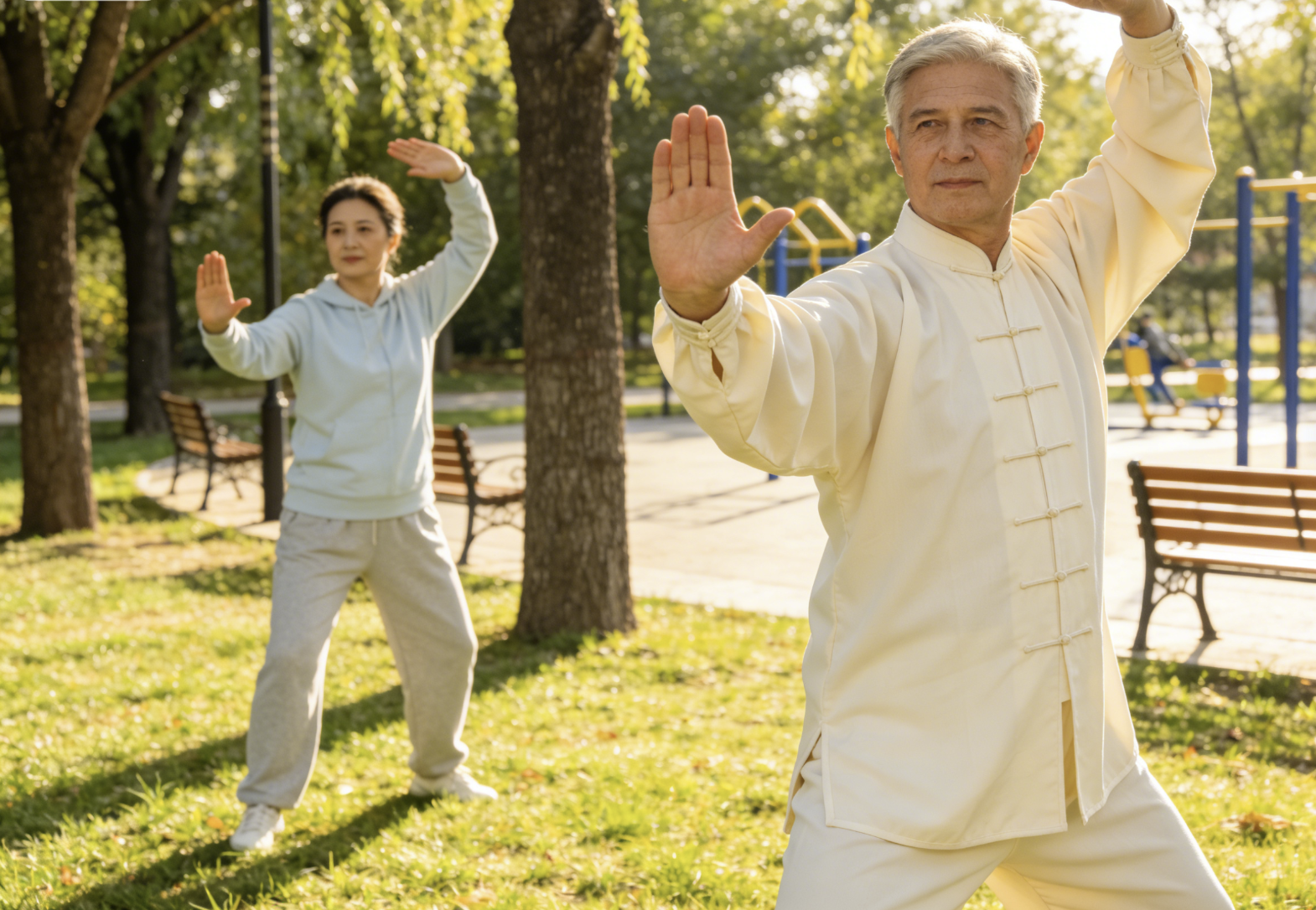
Weight Loss and Internal Organ Nourishment: A Guide to Baduanjin Qigong for People with High Blood Pressure, High Cholesterol, and High Blood Sugar
Consistent practice of Baduanjin can unblock qi and blood, regulate internal organs, and gently aid in weight loss. It is suitable for daily exercise for people with high blood pressure, high blood sugar, and high blood sugar. The movements are gentle and safe, allowing weight loss and physical fitness to proceed simultaneously.
2026-03-15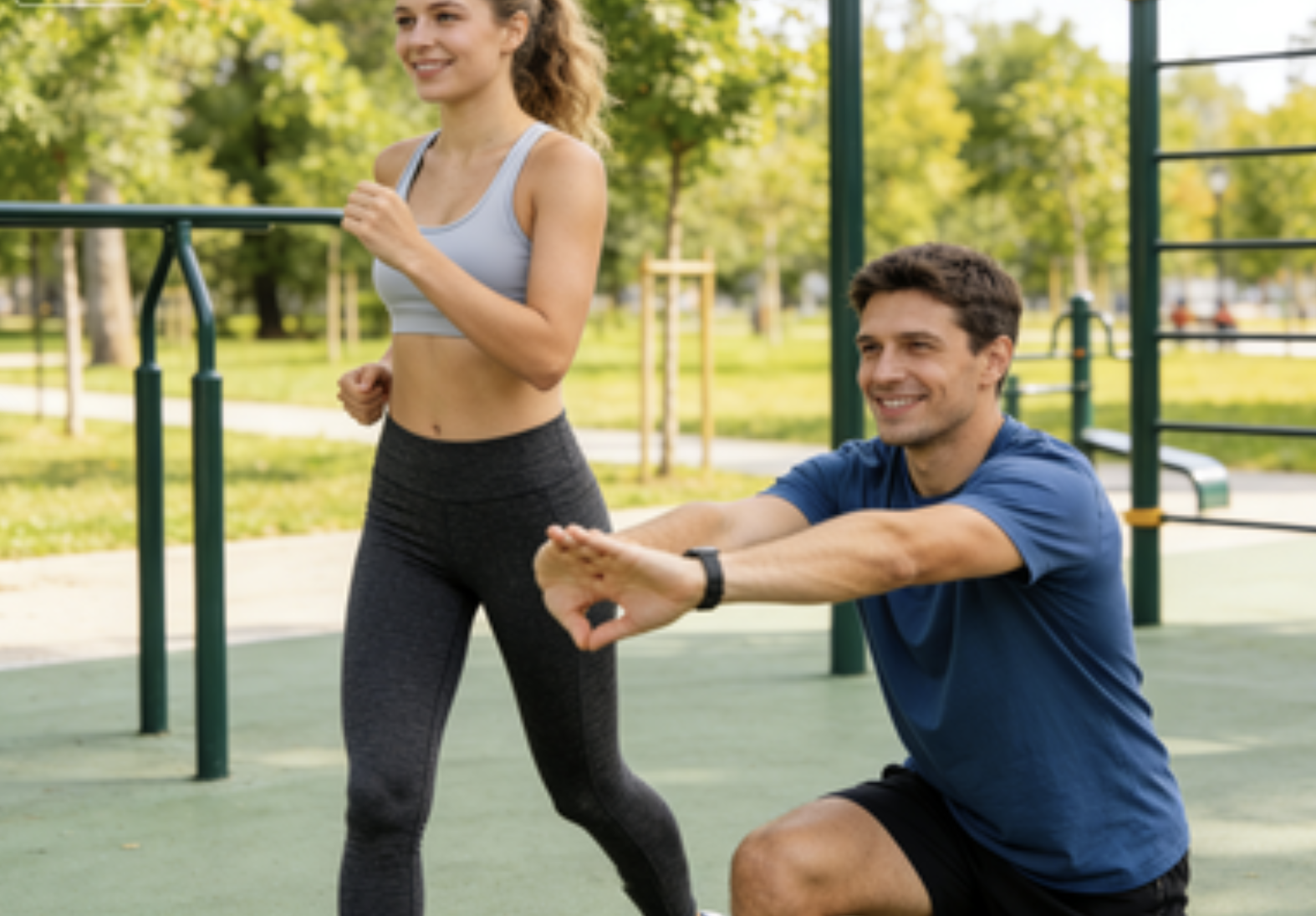
Weight Loss and Vascular Protection: A Tutorial on Blood Pressure and Blood Sugar Lowering Exercises for Hypertension, Hyperlipidemia, and Hyperglycemia
By consistently performing these exercises specifically designed for hypertension, hyperlipidemia, and hyperglycemia, you can gently move your limbs and improve blood circulation. This safe exercise can help you lose weight safely and also stabilize blood pressure and lower blood sugar. It's simple and easy to do, allowing you to lose weight and protect your blood vessels simultaneously.
2026-03-10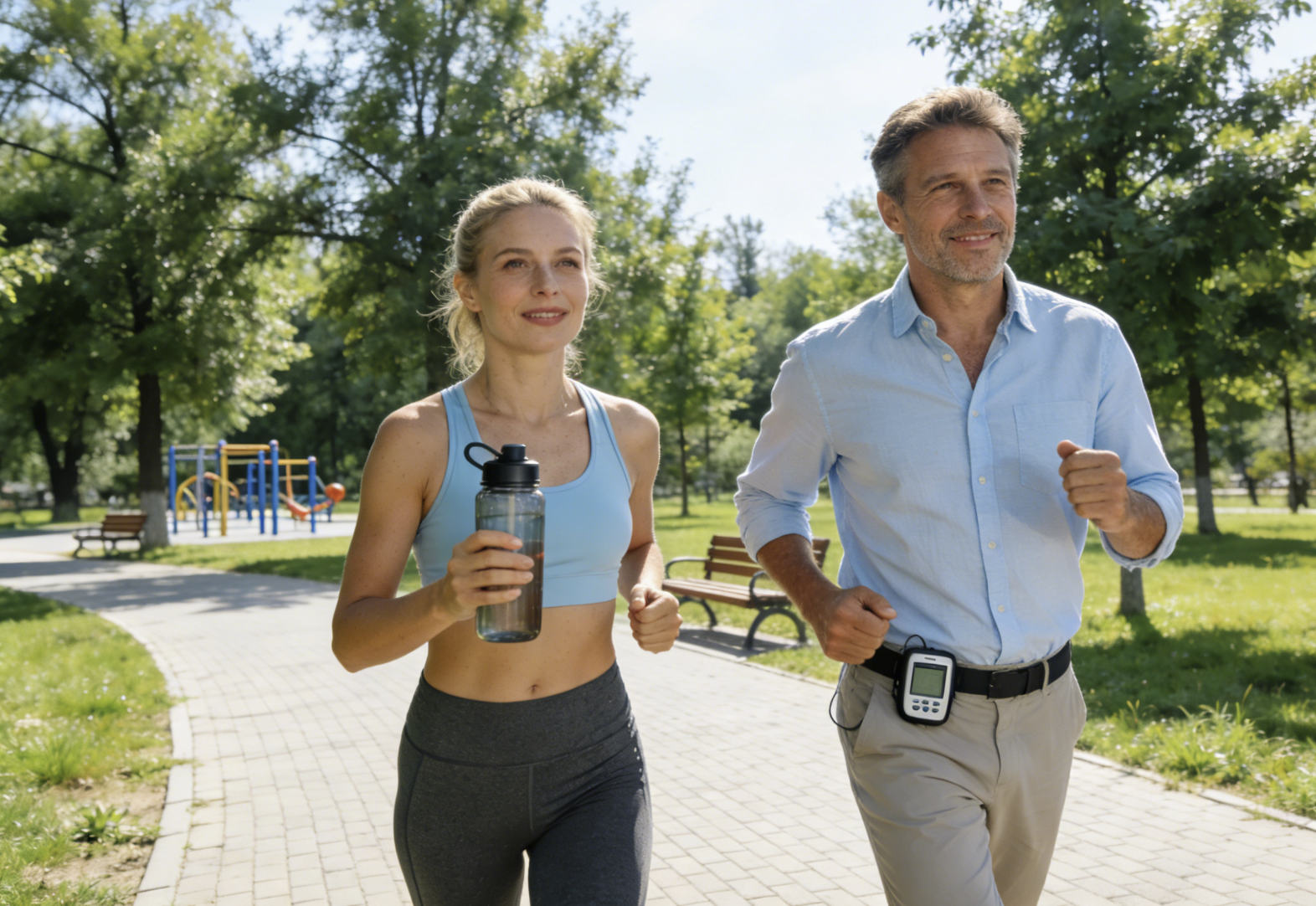
Weight Loss and Improved Blood Circulation: A Guide to Home Massage and Exercises for People with High Blood Pressure, High Cholesterol, and High Blood Sugar
Consistent home massage and simple exercises can unblock meridians and improve circulation, safely aiding in weight loss while also helping to stabilize blood pressure, lower cholesterol, and reduce blood sugar, allowing weight loss and chronic disease prevention to proceed simultaneously.
2026-03-10