
Dietary and exercise regimens for hyperlipidemia and moxibustion for diabetes: Building a comprehensive defense against metabolic diseases.
Dietary Therapy for Hyperlipidemia
1) Common Foods with Lipid-Lowering Effects
① Grains: Oats are rich in linoleic acid and saponins, which can prevent and treat atherosclerosis. Corn is rich in calcium, phosphorus, selenium, lecithin, and vitamin E, all of which have cholesterol-lowering effects.
② Vegetables: Garlic contains sulfur, and the resulting sulfhydryl compounds can reduce blood cholesterol and prevent thrombosis, helping to increase high-density cholesterol, which is beneficial for weight loss. Onions contain prostaglandin A, which has vasodilatory and blood pressure-lowering effects; they also contain organosulfur compounds and small amounts of sulfur-containing amino acids, which can lower blood lipids and prevent arteriosclerosis. Carrots are rich in calcium pectate, which can combine with bile acids and be excreted in feces. The body's production of bile acids inevitably utilizes cholesterol in the blood, thus lowering blood cholesterol levels.
③ Fruits: Grape juice and wine both contain resveratrol, a natural cholesterol-lowering substance. Animal experiments have also shown that grapes can lower cholesterol and inhibit platelet aggregation, making them one of the best foods for people with hyperlipidemia. Apples can lower low-density lipoprotein cholesterol in the blood while raising the level of high-density lipoprotein cholesterol, which is beneficial to the cardiovascular system. ④ Seafood: Oysters are rich in the trace element zinc and taurine. Taurine can promote cholesterol breakdown and help lower blood lipid levels. Kelp is rich in taurine and dietary fiber alginic acid, which can lower blood lipids and cholesterol in bile.
⑤ Dairy products: Milk contains abundant whey acid and calcium, which can inhibit cholesterol deposition on the arterial walls and inhibit the activity of cholesterol synthesis enzymes in the body, reducing cholesterol production.
⑥ Edible fungi: Shiitake mushrooms can significantly lower cholesterol and triglyceride levels. Black fungus is rich in iron, vitamins, and various phospholipids, and has the effect of promoting digestion and lowering blood lipids.
Exercise Therapy for Hyperlipidemia
Exercise increases the body's oxygen and energy consumption through skeletal muscle work. As the body's main energy source, fat breakdown also increases accordingly. Numerous studies have confirmed that exercise can regulate hyperlipidemia, lowering plasma levels of TG, TC, and low-density lipoprotein cholesterol (LDL-C) while increasing high-density lipoprotein cholesterol (HDL-C). It can also prevent or delay the onset of atherosclerosis, coronary heart disease, and stroke, thus improving quality of life. Patients with hyperlipidemia should undergo a comprehensive physical examination before starting exercise to rule out any possible complications and determine their appropriate exercise intensity. The principles of exercise therapy are: 1) Gradual Progression: Exercise should be gradual and progressive, avoiding overexertion beyond one's capacity and increasing the burden on the heart. The intensity of exercise should be such that subjective symptoms (such as palpitations, shortness of breath, or angina) do not occur. The suitability of exercise can be judged by the recovery of the pulse rate and subjective feelings after exercise. Generally, if the pulse rate returns to the pre-exercise level within 5 minutes of rest after exercise, the exercise intensity is too low; if it does not recover after more than 10 minutes, the exercise intensity is too high. If the amount of sweat during exercise is moderate, and you feel relaxed and happy after exercise, with a good appetite and good sleep, it indicates that the amount of exercise is appropriate; otherwise, the exercise is either too much or too little.
2) Consistency is Key: Exercise therapy requires sufficient and consistent exercise. Mild and short-duration exercise is insufficient for treating hyperlipidemia, low HDL, high cholesterol, and obesity. Only by reaching a certain level of exercise can it have a beneficial effect on serum lipids and reduce the weight of obese patients. The exercise frequency is 3-4 times/week, with each session lasting 45-60 minutes (5-10 minutes for warm-up, 25-40 minutes for exercise, and 5-10 minutes for cool-down). 3) Gradual Increase: A brisk walk at a speed of 6.4 km/h for 1 hour will burn 1.67 kJ of energy. Daily brisk walking at this level can lead to weight loss. However, the intensity and duration of exercise should be gradually increased over several weeks. For obese patients and those who are habitually sedentary, the intensity and duration of exercise should be gradually increased over several months. High-intensity physical exercise will lead to greater weight loss. Rhythmic, full-body exercises such as walking, jogging, swimming, and cycling are preferred. Some relaxation therapies, such as Tai Chi and Qigong, also have good effects.
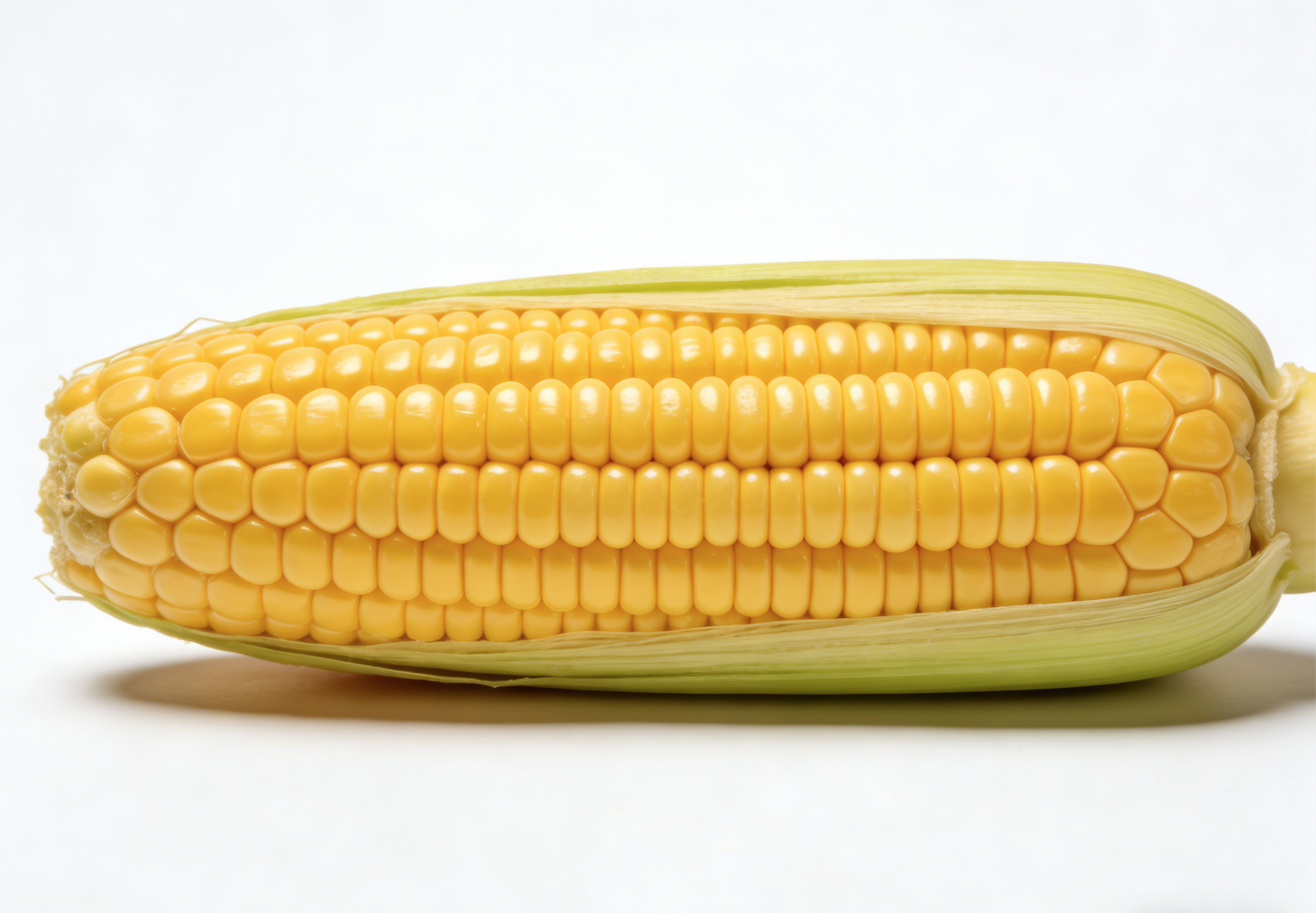
Corn for Regulating Blood Pressure, Blood Sugar, and Cholesterol: Cholesterol-Lowering Effects and Two Recommended Dietary Recipes
This article details how corn lowers cholesterol through its unsaturated fatty acids and other components, helping to prevent chronic diseases such as hypertension and diabetes, and thus aiding in the control of the "three highs" (high blood pressure, high blood sugar, and high cholesterol). It also provides dietary remedies such as corn silk tea for diabetes and hypertension, offering practical guidance for daily dietary management of these conditions.
2026-03-06
Analysis of the blood pressure-lowering effects of strawberries: How anthocyanins regulate blood pressure and two recipes.
This article details how anthocyanins, abundant in strawberries, can help lower blood pressure by enhancing blood vessel elasticity, and provides dietary remedies for hypertension, such as eating raw strawberries. It also recommends two healthy recipes: strawberry, mung bean, and glutinous rice porridge, to help regulate blood pressure levels through diet.
2026-03-06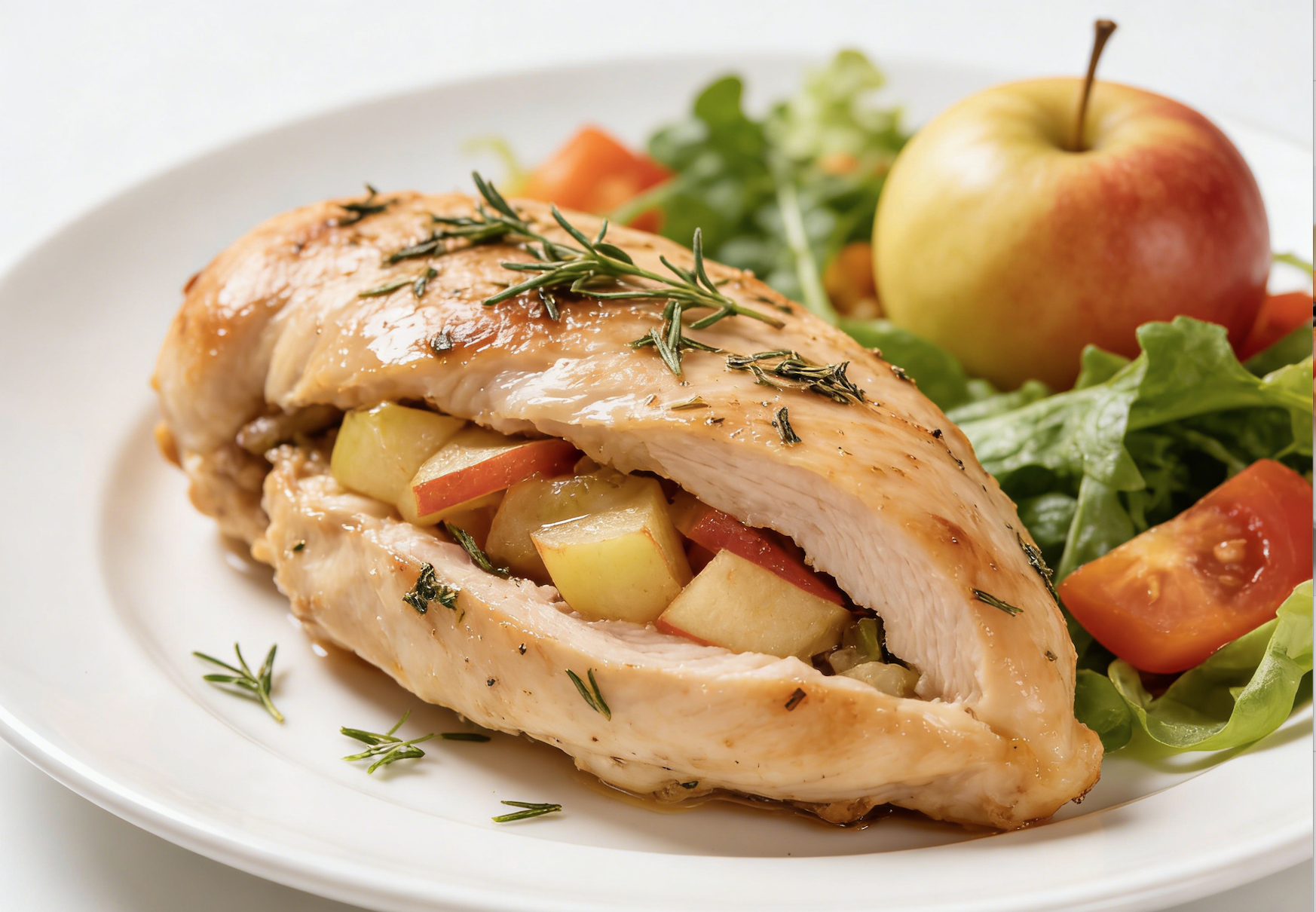
Apples Regulate Blood Pressure, Blood Sugar, and Cholesterol: Component Analysis and Two Healthy Recipe Recommendations
This article details how the malic acid, potassium, and chromium in apples help lower cholesterol, blood pressure, and regulate blood sugar, thus aiding in the management of "the three highs" (high blood pressure, high blood sugar, and high cholesterol). It provides dietary remedies for hypertension and healthy recipes such as apple chicken, offering scientific dietary choices for daily management of these conditions.
2026-03-06