
Weight Loss and Mental Well-being: A Guide to Exercise and Emotional Management for People with High Blood Pressure, High Cholesterol, and High Blood Sugar
A Balance of Activity and Rest—Moderate Exercise Benefits the Mind and Body
Exercise offers numerous benefits, particularly for physical and mental health. It can improve organ function, blood circulation, and mood, making it highly effective in preventing hypertension, hyperlipidemia, and hyperglycemia (the "three highs").
The main pathogenesis of hypertension, hyperlipidemia, and many other conditions involves unhealthy lifestyle habits, mental stress, psychological depression, obesity, the aging process, and lack of physical activity. Lack of exercise and uncontrolled eating, over a long period, cause repeated vasoconstriction, slowed blood flow, increased blood pressure, and weakened blood vessel elasticity, leading to hardening of the arteries. Simultaneously, it disrupts lipid metabolism, increases blood lipid levels, resulting in hypertriglyceridemia and hypercholesterolemia, increasing blood viscosity. This causes formed elements in the blood to deposit on the blood vessel walls, forming thrombi. These thrombi then cause aseptic inflammation of the vascular endothelium, further accelerating thrombus formation and enlargement, eventually leading to complete occlusion of the blood vessel.
Exercise can eliminate many pathogenic factors, improve psychological well-being, promote a cheerful mood, foster ambition, aid weight loss, delay aging, and cultivate healthy lifestyle habits. These factors all play a role in intervening in and preventing disease.
Persisting in long-term exercise can accelerate blood flow, improve blood vessel elasticity, lower blood pressure, promote blood circulation, enhance visceral function, improve the internal environment and lipid metabolism, reduce blood lipids and blood viscosity, promote the dynamic balance of coagulation and hemolysis, and enhance thrombolysis. It also promotes tissue metabolism, enhances self-healing ability, and facilitates disease recovery. Exercise can also enhance the therapeutic effects of medication.
So, what kind of exercise is suitable for patients with hypertension, hyperlipidemia, and hyperglycemia (the "three highs").
Exercise for patients with the "three highs" should be low- to moderate-intensity aerobic exercise that is easy to maintain. Walking, jogging, Tai Chi, Qigong, swimming, cycling, and aerobics are all good exercise choices. Because such exercise may cause a slight increase in blood pressure during the initial stage, long-term adherence can reduce the excitability of sympathetic vasoconstrictor nerves by acting on the cerebral cortex and subcortical motor centers, causing vasodilation in muscles and improving mood, thereby lowering blood pressure.
■ The Dangers of "Fake Smiles"—Don't Force a Smile
As we all know, there's a type of expression called a "forced smile." This is an "abnormal" fake smile made against one's will. Because it's not from the heart, it's very insincere, and in psychology, it's called a "forced smile." This kind of fake smile is harmful to the body in every way. A professor at the University of Frankfurt in Germany believes that pretending to be friendly and kind to others can lead to feelings of frustration, increased stress, and damage to the immune system. More seriously, if this stress is not released for a long time, the chances of developing high blood pressure or cardiovascular disease increase.
For work requirements, many people have to suppress their true feelings and maintain a smile at all times, but this smile is not necessarily a genuine expression of their emotions. Over time, the smile becomes a mask, concealing our true feelings.
Practice shows that this kind of professional smile often suppresses genuine emotions. It's not a heartfelt feeling, but rather turns "smiling" into a burden, eventually developing into depression. The medical term "smiling depression" has emerged. Patients often deliberately conceal their emotions to maintain a positive image in the eyes of others. When the pressure becomes unbearable, their reactions are dramatic; they may transform from an extremely confident person into someone with low self-esteem, even doubting their abilities. Research has found that fake smiles are often performed against one's will, and prolonged exposure can damage physical and mental health. Successful comedians are generally not as happy in real life as they appear on screen, and some even suffer from depression.
Therefore, "not showing one's emotions" is not a good habit. Laugh when you should laugh, cry when you should cry; don't force yourself. Only a genuine, heartfelt smile is the most beautiful and moving.
So how do we get rid of "forced smiles"? First, we must release excessive pressure in a timely manner. For example, going on vacation with family can effectively relieve the stress accumulated from long hours of work. When stress is relieved and your mood improves, your smile will naturally become more natural and no longer forced.
Secondly, actively regulate your physical and mental state. Don't dwell on things too much; face everything with a positive attitude and think positively.
Finally, choose to do things you enjoy. Since it's something you're interested in, you'll be fully engaged, and your smile will be the most genuine.
Food is essential for life—eating your way to a good mood.
Practice has shown that a lack of B vitamins, vitamin D, or carbohydrates can lead to a bad temper. What's the principle behind this? Actually, when people feel bad, besides factors like illness, genetics, and environment, it can also be due to an unsuitable diet! Due to picky eating or unbalanced diets, certain nutrients may be excessive or insufficient, potentially leading to physiological or psychological abnormalities, such as feeling bad or inexplicably becoming irritable.
If you feel angry, tired, and weak, it's likely due to a lack of "good" carbohydrates. You need to eat more oats, barley, beans, and sweet potatoes, and you can also choose to eat fruits like apples and pears. If people feel depressed or anxious, it may be due to a deficiency in vitamin D, which helps lower blood pressure, blood sugar, and cholesterol. In this case, they should supplement their diet with milk and yogurt, or get some sunshine.
Additionally, a deficiency in B vitamins can alter mood. B vitamins mainly include B₁, B₂, B₆, and B₁₂, which indirectly affect mood by regulating the nervous system. Vitamin B₁ is known as the "mental vitamin." Therefore, in daily life, it's essential to eat plenty of foods rich in B vitamins. B vitamins can make people feel energetic and improve irritability, anger, and depression.
So, eating when you're in a bad mood is a good approach, but it's important to selectively eat foods that replenish B vitamins to improve your mood.
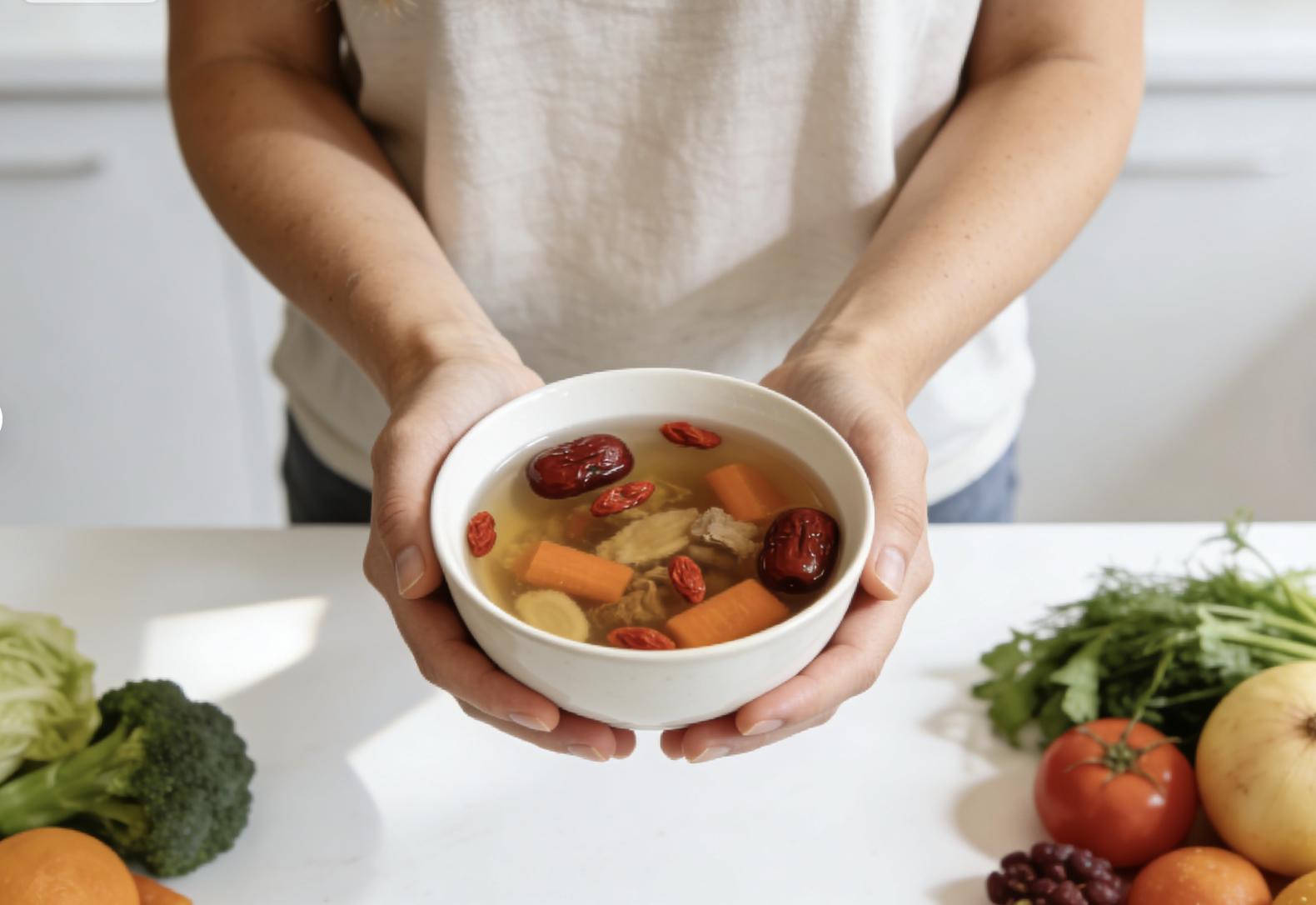
Weight Loss and Wellness: Recommended Nourishing Soups and Teas for High Blood Pressure, High Blood Pressure, and High Cholesterol
Weight loss can be achieved by combining nourishing soups and teas specifically formulated for high blood pressure, high blood lipids, and high cholesterol. These low-fat, nutritious, and filling soups do not raise blood sugar levels. Scientific dietary therapy helps with weight loss while simultaneously regulating blood pressure, blood lipids, and blood sugar.
2026-03-14
Weight Loss, Blood Pressure Stabilization, and Lipid Reduction: A Complete Tea Therapy Solution for People with High Blood Pressure, High Cholesterol, and High Blood Sugar
Weight loss combined with a health-preserving tea therapy suitable for people with high blood pressure, high cholesterol, and high blood sugar can help lower blood pressure, reduce lipids, and stabilize blood sugar. Scientific tea drinking can not only help with weight loss but also gently regulate the body, making it safe and healthy.
2026-03-13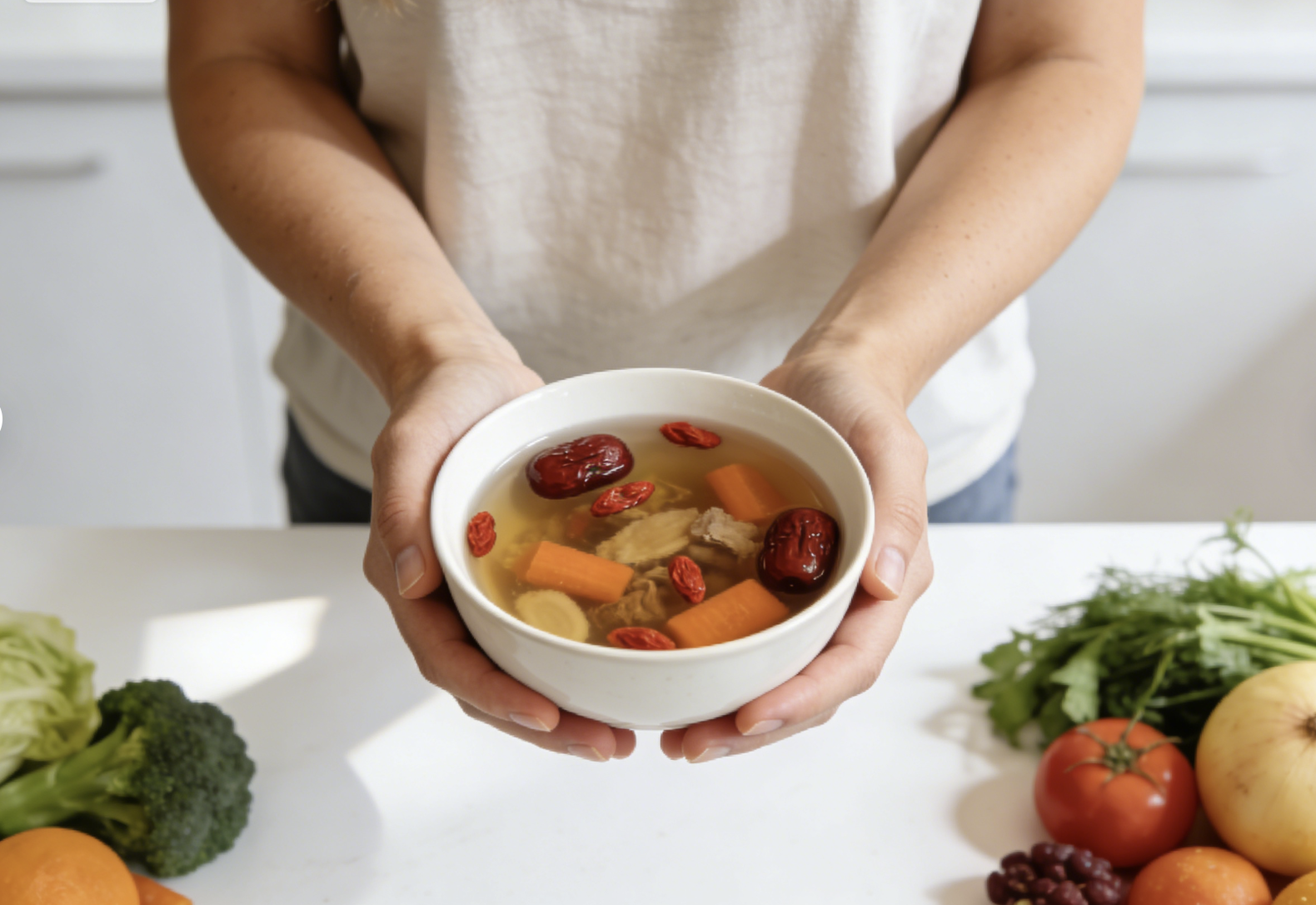
Weight Loss, Blood Sugar Reduction, and Blood Pressure Stabilization: A Guide to Tea Therapy and Medicinal Diets for the Three Highs
Scientific weight loss can be combined with tea therapy and medicinal diets specifically for the three highs to help lower blood sugar, blood pressure, and cholesterol, achieving both nutritional benefits and health maintenance. This approach allows for safe weight loss while effectively managing the three highs.
2026-03-13