
Basic Theories of Personal Accident Insurance: The Four Elements of Injury and the Definition of "External Suddenness" in Accidents
Chapter Twelve Sub-health and Personal Accident Insurance Section One Overview of Personal Accident Insurance I. Concept of Personal Accident Insurance Personal accident insurance, or accident insurance for short, refers to an insurance policy in which, during the term of the insurance contract, the insurer pays death benefits, disability benefits, or medical insurance benefits to the insured or beneficiary in accordance with the contract provisions when the insured dies or becomes disabled due to an external, sudden, unintentional, and non-disease-related objective event (i.e., an accident).
II. The Concept of Accidental Injury Since personal accident insurance covers the liability for personal injury or death caused by accidental injury, we should first clarify the concept of accidental injury. (I) Accidental Injury Accidental injury refers to the objective fact that an external attack, occurring suddenly and unexpectedly and severely, causes significant and severe damage to the insured's body. Accidental injury requires two essential conditions: accident and injury; neither can be omitted. (II) Injury Injury refers to the objective fact that the insured's body suffers loss or damage due to an external accident, resulting in the disruption of the body's integrity or the impairment of the physiological functions of organs and tissues. Injury must consist of four elements: the causative agent, the object of the attack, the occurrence of the attack, and the causal relationship between the attacks; none can be omitted. 1. Classification of Injuries First, according to the cause, injuries include: ① Occupational injuries, which are injuries that occur due to occupational relationships or while performing work. These injuries are caused by the inherent dangers of the occupation itself, but the timing and consequences are uncertain; ② Daily life injuries, which are injuries suffered in daily life outside of work; ③ Traffic injuries, which are injuries suffered while using various means of transportation; ④ Sports injuries, which are injuries suffered by athletes or non-athletes engaged in sports activities; ⑤ Military injuries, which are injuries suffered by military personnel while performing normal combat readiness duties. Secondly, based on the causative agent, injuries include: ① Machinery injuries, referring to bodily injuries caused by the use of machinery, motor vehicles, tools, building materials, weapons, etc.; ② Natural injuries, referring to injuries caused to the human body by natural environments or natural disasters, such as injuries caused by drastic temperature changes, low air pressure, strong sunlight exposure, storms, floods, tornadoes, etc.; ③ Chemical injuries, referring to damage to the human body surface, limbs, nervous system, etc., caused by various acids, alkalis, toxic gases, toxic liquids, and other chemical products or chemicals, chemical weapons; ④ Biological injuries, referring to harm caused to the human body by wild animals, pollen allergies, and other animal and plant attacks. Finally, based on the carrier of everyday injuries, injuries include: ① Physical injuries, i.e., damage to a part of the human body caused by accidents, such as blindness, amputation, deep burns, etc.; ② Mental injuries, i.e. mental disorders caused by the impact of accidents. 2. Causative Agents A causative agent is the object (substance) that directly causes injury; it is the material basis for injury. Without the existence of a causative agent, injury cannot occur. Accidental injury insurance emphasizes that the causative agent is external, which is completely different from endogenous diseases formed inside the insured's body. This is also the main difference between accidental injury insurance and health insurance. 3. Object of Infringement The object of infringement refers to the carrier that suffers harm from the causative agent; in accidental injury insurance, it refers to the insured's body. Therefore, what is injured is the insured's body, not infringement of rights, etc. 4. Infringement Any injury must necessarily result in damage to one or more specific parts of the insured's body, such as a twisted ankle, a sprained back, or a fracture; otherwise, it does not constitute an injury. 5. Causal Relationship Between Infringements Infringement requires the objective fact that the causative agent must make destructive contact with and act on the insured's body in a certain way. The causative agent must directly contact the insured's body through the infringing agent; this contact must be destructive and result in damage. Any subjective conjecture or speculation cannot constitute an injury. Therefore, for insured individuals who die suddenly, whose cause of death is unknown, and for whom no scientific autopsy or other determination of cause of death has been conducted, it cannot be proven that death was caused by accidental injury, and therefore, they cannot be included in insurance liability or have their death benefit obligations fulfilled. According to the summaries of insurance theorists and practitioners, the types of harm can be categorized into the following 15 types: ① Collision (including collision with a fixed object, collision with a moving object, and mutual collision); ② Impact (including impact with a falling object and impact with a flying object); ③ Fall (including falling from a height onto flat ground, and falling from flat ground into a well or pit); ④ Fall; ⑤ Collapse; ⑥ Drowning; ⑦ Burns; ⑧ Fire; ⑨ Radiation; ⑩ Explosion; ⑪ Poisoning (including inhalation of toxic gases, absorption of toxic substances through the skin, and toxic substances entering the body); ⑫ Electric shock; ⑬ Contact (including contact with high or low temperature environments and contact with high or low temperature objects); ⑭ Burial; ⑮ Overturning.
(III) Accidents An accident refers to an event that the insured did not subjectively anticipate causing injury, or an event that, although anticipated, is subject to various constraints and limitations, resulting in a reality contrary to their original subjective intention-avoiding external harm. In summary, accidents in accident insurance should be understood from the following aspects: (1) They are external to the insured. Specifically, firstly, there is the common understanding of an accident. This is a pure accident, where the injury is something the insured could not foresee or could not predict beforehand, such as being hit by an out-of-control car suddenly appearing from behind while walking on the road. The insured could not foresee an out-of-control car on the road, nor did they expect the car to hit them; they were simply walking according to their daily habits when a sudden event caused personal injury. This situation should be called an accident. Secondly, accidents also include those occurring under the insured's subjective negligence. For example, work-related injuries are accidents that should have been foreseen but were not, or accidents that the insured foresaw but believed could be avoided. (2) Generally speaking, injuries that the insured did not foresee should be considered accidental or sudden events. Accidental events are relative to inevitable events. Events that would not normally occur are called accidental events, and because they do not normally occur, they are unpredictable. Inevitable events, or events that are almost inevitable, should be foreseen and prevented by the insured, and therefore are not considered accidents. Sudden events are relative to events that occur slowly. An injury is a sudden and violent act that occurs in a short period of time, so that the insured has no time to foresee the fact of the injury. If it occurs slowly over a longer period of time, such as occupational diseases like mercury poisoning from long-term exposure to mercury or pneumoconiosis from long-term exposure to dust, these are foreseeable by the insured and are generally not considered accidental injuries. (3) Not the insured's intention, that is, the injury occurs against the insured's subjective will. For example, if a passenger suffers injury or death in a plane crash, this result is against their subjective will and is therefore considered an accident. Another example is when the insured foresees that the injury is about to occur, but there is no technical means to avoid it. For example, a fishing boat caught in a sudden storm at sea, even if the crew knows the boat cannot withstand strong winds and rain, is unable to take effective measures to avoid danger if there is no nearby harbor, insufficient life-saving equipment, and no way to radio-call for rescue vessels. In this case, foreseeing the injury offers no benefit to the insured in avoiding harm, and is therefore covered by accident insurance. Furthermore, accidents also include acts that exclude social harm, such as self-defense, emergency avoidance, and saving lives. In some situations, the insured may foresee the injury and technically take measures to avoid it, but is unable to do so due to legal or duty-related constraints, or may be willing to risk danger for moral or public interest reasons. For instance, if a police officer encounters an armed robbery, avoiding the incident would certainly prevent harm, but the officer has a duty to resolutely combat all illegal and criminal activities, so they must step forward and arrest the robber according to the law. Injuries sustained by the police officer in the struggle with the robber should be considered accidental injury. For example, if someone encounters a residential fire, even though it has no direct connection to their own life and there are no legal or duty-related obligations to avoid it-they could simply avoid harm by going around the fire-but upon hearing a baby crying from within, they might, out of a noble moral motive, rush into the flames to rescue trapped adults and children and assist in extinguishing the fire, only to be unfortunately burned themselves. Such injuries sustained while risking danger for the collective good and the lives of others should be considered accidental injuries, but are generally only considered an extension of personal accident insurance liability.
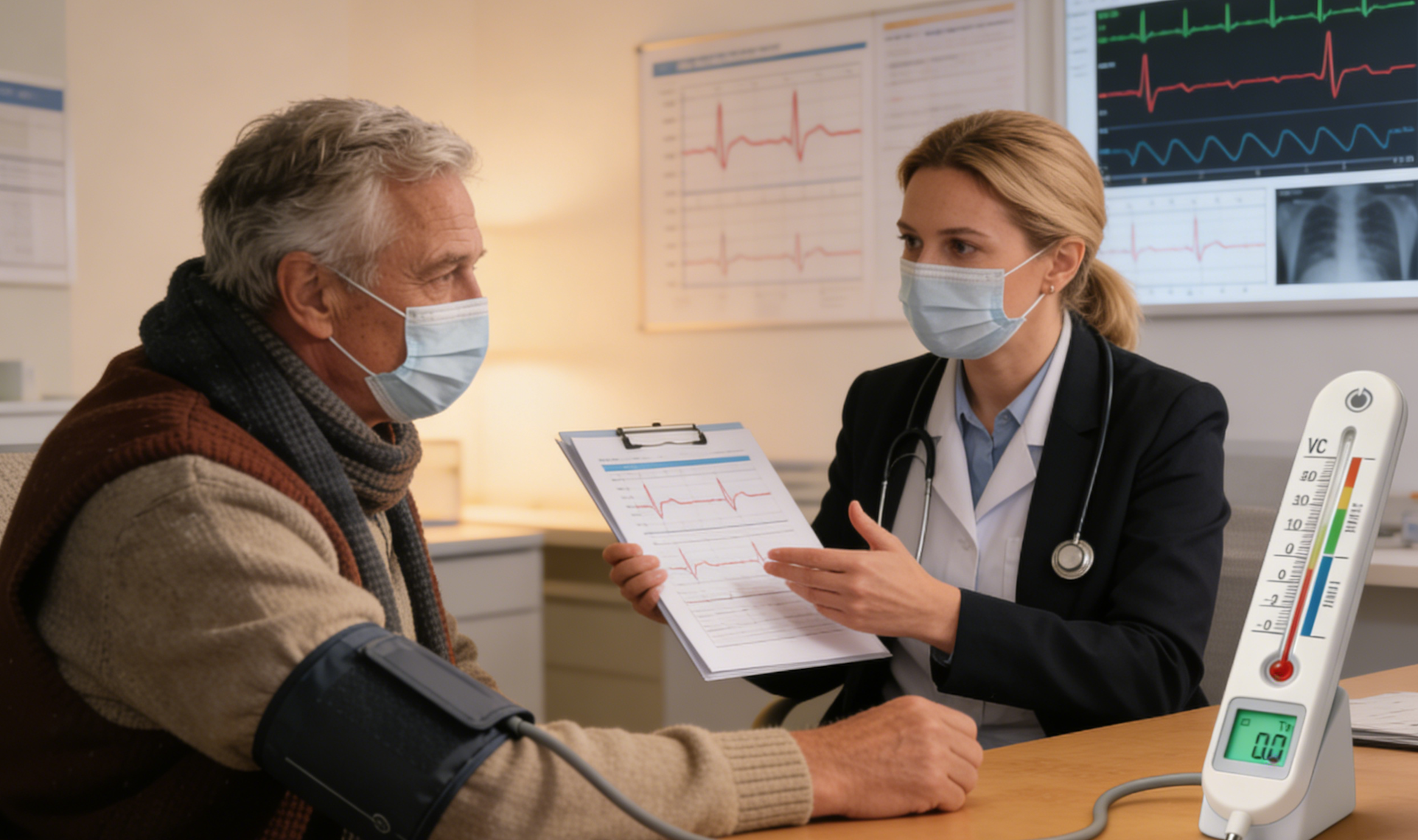
Health care guidelines and medication warnings for patients with hypertension in cold weather
This article provides 11 specific health tips for people with hypertension during cold weather, and emphasizes the need for caution when using painkillers such as indomethacin, as they may inhibit prostaglandins, leading to vasospasm and increased blood pressure. Following these guidelines will help patients manage their health and stabilize their blood pressure more safely during the winter.
2026-03-03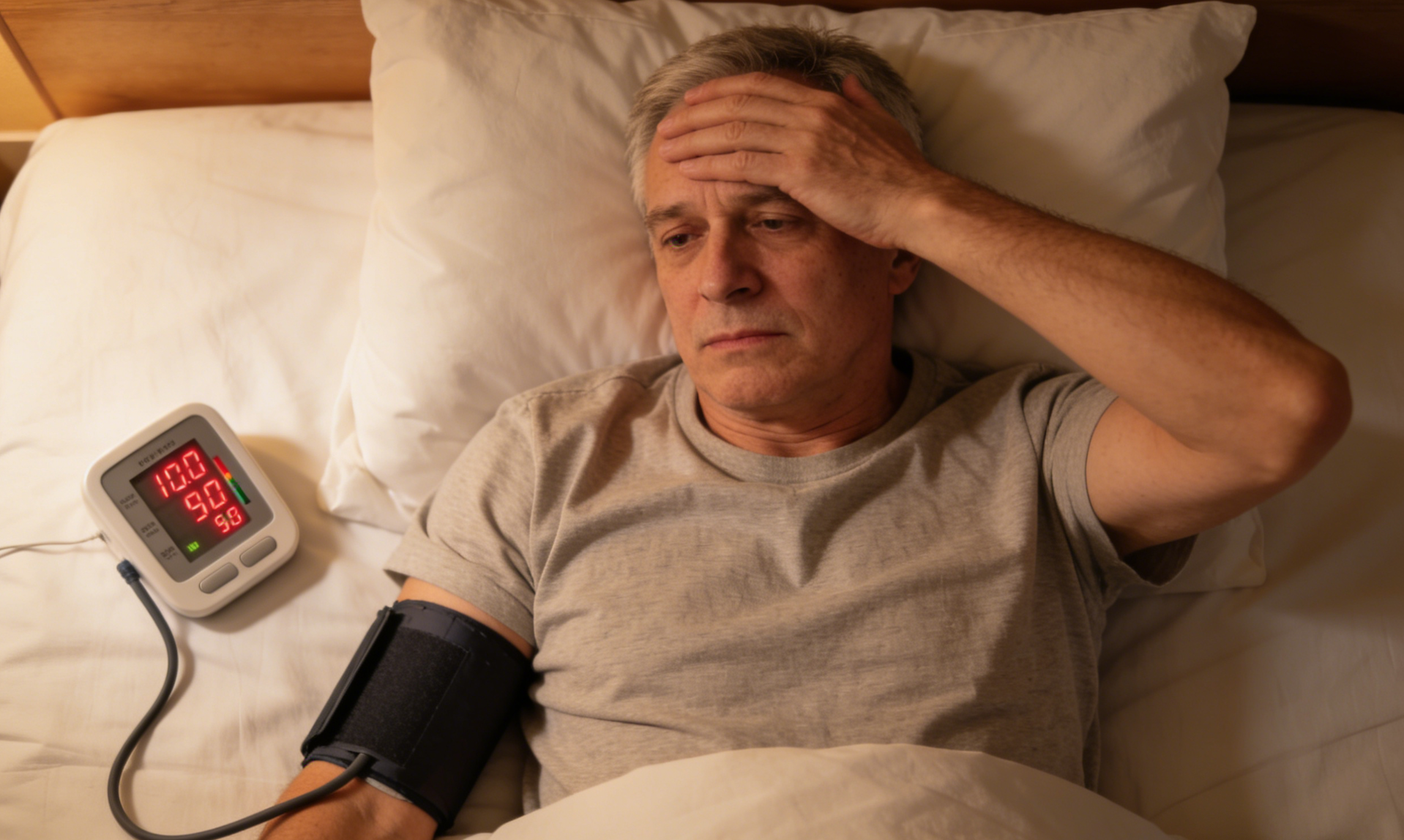
Sleep Hygiene Guidelines for Hypertension Patients: Five Tips to Help Stabilize Blood Pressure
This article provides five sleep hygiene tips for patients with hypertension, including a midday nap and controlling dinner intake, aiming to improve sleep quality and help stabilize blood pressure. Good sleep habits help reduce blood pressure fluctuations and lower the risk of stroke, and are a key part of achieving long-term stable blood pressure management.
2026-03-03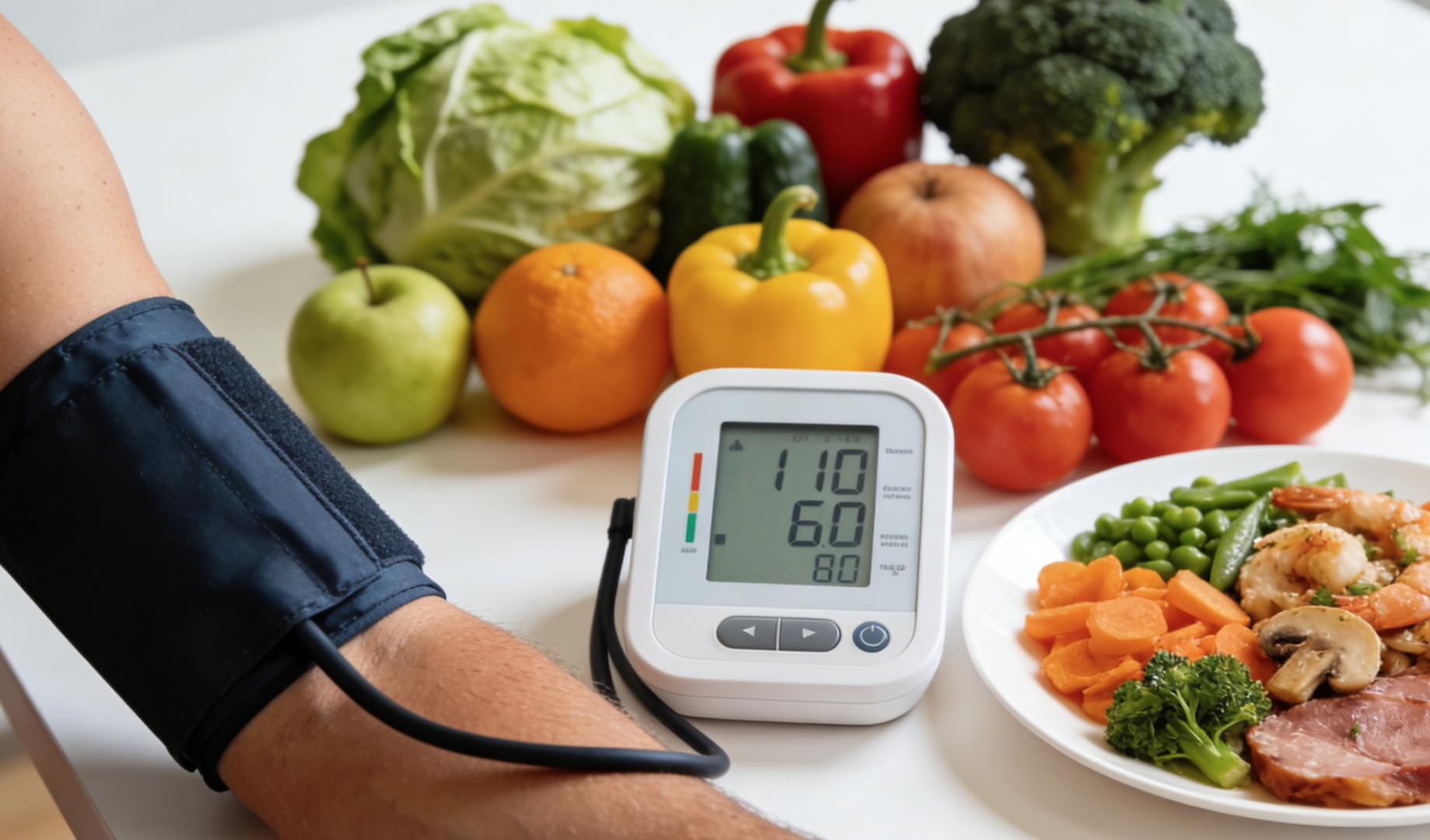
12 Life Hacks to Help You Effectively Control High Blood Pressure
This article provides 12 practical methods for controlling hypertension through diet and lifestyle habits, such as increasing potassium and magnesium intake and reducing caffeine, which can help effectively lower and stabilize blood pressure. Understanding these daily management techniques has positive guiding significance for hypertensive patients in long-term blood pressure management.
2026-03-03