
Be wary of grapefruit when taking statins, and understand the guidelines for different types and risks of atrial fibrillation.
Case Study: Avoid Eating This Fruit While Taking Statins, as It Can Double the Side Effects:
Ms. Wang, a long-time patient of Dr. Zhou, has had coronary heart disease for over eight years and has been taking statins for over six years without experiencing any adverse liver function reactions. However, her most recent physical examination revealed liver damage. A detailed review of her medical history revealed that Ms. Wang had purchased a large quantity of grapefruit before the examination and ate some daily. Her abnormal liver function was precisely due to the increased statin side effects caused by grapefruit consumption.
Studies show that grapefruit contains chemicals such as furanocoumarins, which can affect the metabolism of statins and exacerbate their side effects. Alcohol also has this adverse effect.
Therefore, patients taking statins should avoid grapefruit and alcohol to prevent unnecessary adverse reactions.
Other Heart Problems:
Atrial Fibrillation: Have you ever experienced irregular heartbeats, with varying speeds and strengths? If so, you may have symptoms of atrial fibrillation.
What is Atrial Fibrillation: Atrial fibrillation (AF) is characterized by an irregular heartbeat, often described as a loss of normal rhythm. Symptoms may include palpitations, shortness of breath, chest tightness, difficulty breathing, fatigue, and dizziness. The most effective and simplest way to diagnose AF is through an electrocardiogram (ECG).
Types of Atrial Fibrillation:
Paroxysmal: Each episode lasts from a few seconds to several days and can spontaneously revert to sinus rhythm.
Persistent: Each episode lasts from several weeks to several years and can revert to sinus rhythm with treatment.
Permanent: Also known as chronic atrial fibrillation, it cannot be reversed due to various reasons.
Idiopathic: Refers to a condition for which no identifiable cause can be found; it may be related to genetics.
What are the dangers of Atrial Fibrillation?
Stroke: Turbulent blood flow within the heart can lead to the formation of a blood clot, which can then migrate to the brain, causing a stroke. Patients with atrial fibrillation (AF) have a 5 times higher risk of stroke than those without AF.
Heart failure: AF reduces the heart's ejection capacity by 20%–30%, potentially leading to congestive heart failure. Fatigue and shortness of breath are common signs of heart failure.
Myocardial fibrosis: Once AF occurs, a series of cascading reactions rapidly occur within the atria, ultimately leading to myocardial fibrosis.
Decreased physical activity: In the elderly, those with AF experience a greater decline in physical activity compared to those without AF.
Causes of AF:
Cardiac causes (related to heart disease): Hypertension, coronary artery disease, cardiomyopathy, heart failure, etc.
Non-cardiac causes (unrelated to heart disease): Chronic lung disease, hypoxia, hyperthyroidism, electrolyte imbalance, anemia, etc.
Patients with any of the above conditions should control them as early as possible to prevent AF.

Guidelines for the Selection of Hypoglycemic Drugs in Patients with Hyperglycemia: Types, Dosage, and Adjustment Principles
This article provides detailed guidance on how patients with hyperglycemia should correctly select oral hypoglycemic agents based on their condition (such as whether it is a new diagnosis or whether they are obese), and explains the principles of dosage adjustment during treatment. Correct medication use helps to effectively control blood sugar and avoid side effects; it is recommended to use medication under the guidance of a doctor.
2026-03-02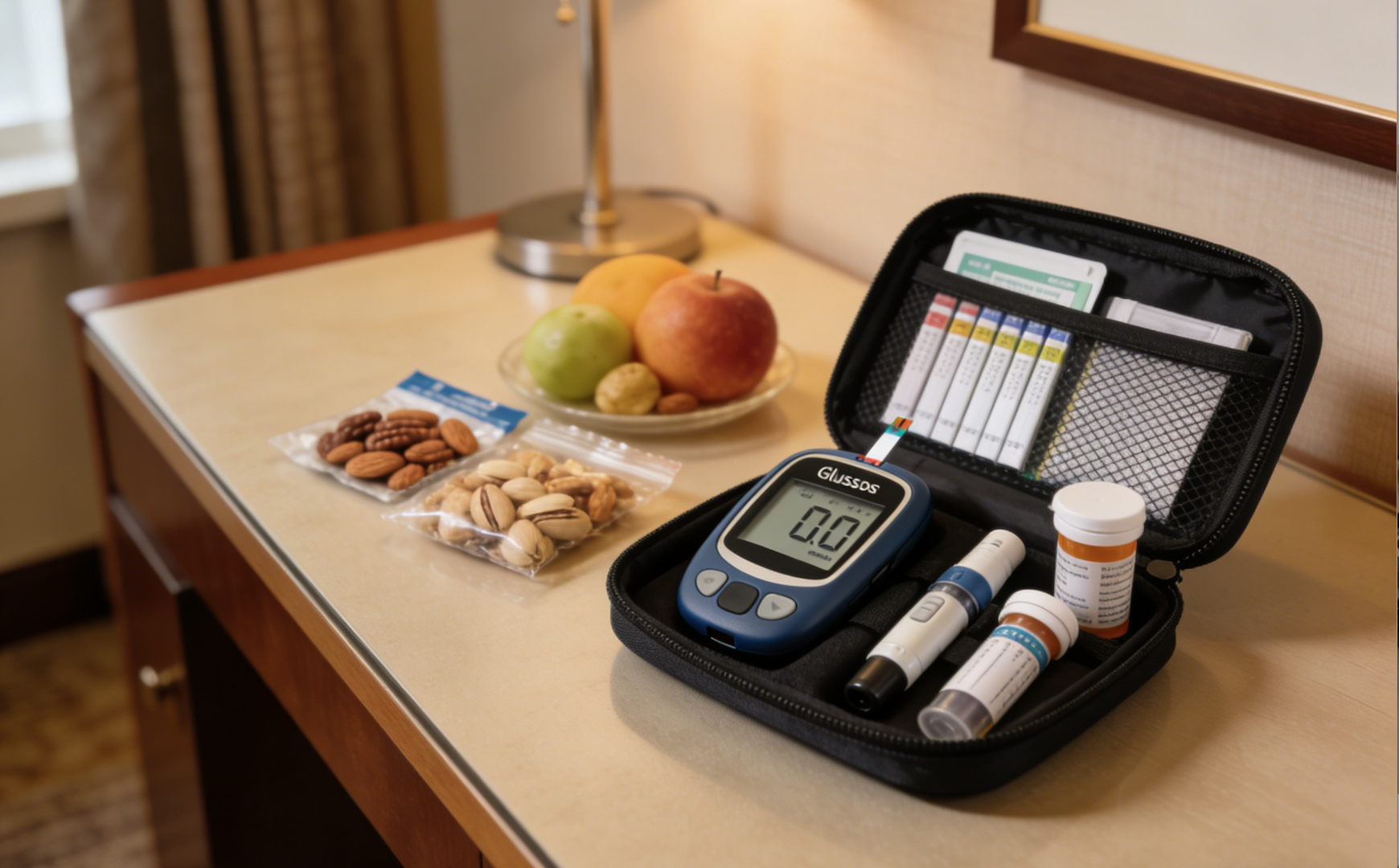
Medication Guidelines for Patients with Hyperglycemia: Scientific Use of Biguanides and Strict Adherence to Doctor's Prescription
This article guides patients with high blood sugar on how to take biguanide medications scientifically and emphasizes the importance of strictly adhering to medical advice. Correct medication use and adherence to instructions are key to safe and effective blood sugar management, helping to avoid side effects and achieve stable blood sugar control.
2026-03-02
Blood Glucose Meter Usage Guide: Avoiding Errors and Accurate Blood Glucose Monitoring
This article provides a detailed explanation of the correct use of a blood glucose meter, including key points such as testing frequency, standardized blood collection procedures, test strip storage, and instrument storage. Mastering these techniques ensures accurate blood glucose monitoring results and is crucial for effective blood glucose level management.
2026-03-02