
What causes heart palpitations? Common symptoms, causes, and proper coping strategies.
Sudden Onset of Supraventricular Tachycardia
During his work in the emergency room, Dr. Zhou frequently encounters recurring patients who suddenly experience palpitations. Because of their frequent occurrences, these patients are very familiar with their condition and often tell the doctor upon entering, "I'm having a supraventricular tachycardia attack; please give me some medication to normalize it." An electrocardiogram confirms this, and after administering verapamil intravenously, the patient's heart rhythm returns to normal within minutes.
Patients often ask, "If it suddenly happens at home, what are some good ways to manage it myself?" We often suggest performing the Valsalva maneuver (breath-holding exercise), which involves taking a deep breath, closing the glottis tightly, and then forcefully exhaling. However, the success rate of the standard Valsalva maneuver is very low, only 5%–20%, and many patients still need to go to the hospital for intravenous medication to restore a normal heart rhythm.
In 2015, research published in the leading international medical journal *The Lancet* improved the Valsalva maneuver, making it highly effective and very safe.
The specific implementation method is as follows:
1. The patient assumes a semi-recumbent position;
2. Take a 10mL syringe (pressure approximately 40mmHg) and have the patient blow into it for 15 seconds;
3. Immediately have the patient assume a supine position and elevate their lower limbs to 45°~90°, maintaining this position for 15 seconds;
4. Return to the semi-recumbent position and maintain this position for 45 seconds.
Panics: During holidays, many young people call Dr. Zhou, saying they frequently experience palpitations for unknown reasons, and some even suffer from insomnia due to palpitations. Is palpitation a disease, and does it require treatment?
What are palpitations: Imagine you are walking alone on a dark street on a dark night, and suddenly a small animal rushes out from your left. How would you feel? That's right, panic.
Many people have probably experienced palpitations, such as upon hearing exciting news or before going on stage. Therefore, palpitations mostly manifest as a rapid heartbeat, but can also manifest as an irregular heartbeat, such as premature contractions, or a slower heart rate but a perceived strong heartbeat.
These types of heart palpitations are nothing to worry about: If you experience occasional heart palpitations, each lasting only a few seconds, and the attacks are infrequent, especially if you are a young woman, or if the symptoms occur after overexertion or consuming stimulants such as tea or coffee, they are usually functional and normal. There is no need to worry excessively or seek medication. Adjusting your lifestyle and getting enough rest will usually help the palpitations disappear gradually.
However, these types of heart palpitations should raise concern: If heart palpitations occur without warning, are frequent, and last for a long time; or if you have pre-existing heart disease and have recently experienced frequent premature ventricular contractions or a rapid heart rate, you should be alert. The palpitations may be related to worsening heart disease. It is recommended to have a 24-hour Holter monitor test and seek medical attention promptly to avoid delaying treatment.
What causes heart palpitations?
1. Poor rest, fatigue, smoking, drinking alcohol, or consuming coffee or tea;
2. Worsening of heart conditions, such as coronary heart disease, hypertension, cardiomyopathy, or heart failure;
3. Due to other systemic problems, such as hyperthyroidism, hypoglycemia, anemia, fever, or infection;
4. Due to mental health disorders, such as autonomic nervous system dysfunction, menopause, anxiety, or depression.
In summary: Occasional heart palpitations without underlying heart disease are generally not a cause for concern and can be observed. However, if a patient has a pre-existing medical condition and experiences sudden heart palpitations, it is crucial to seek immediate medical attention for diagnosis and timely treatment.
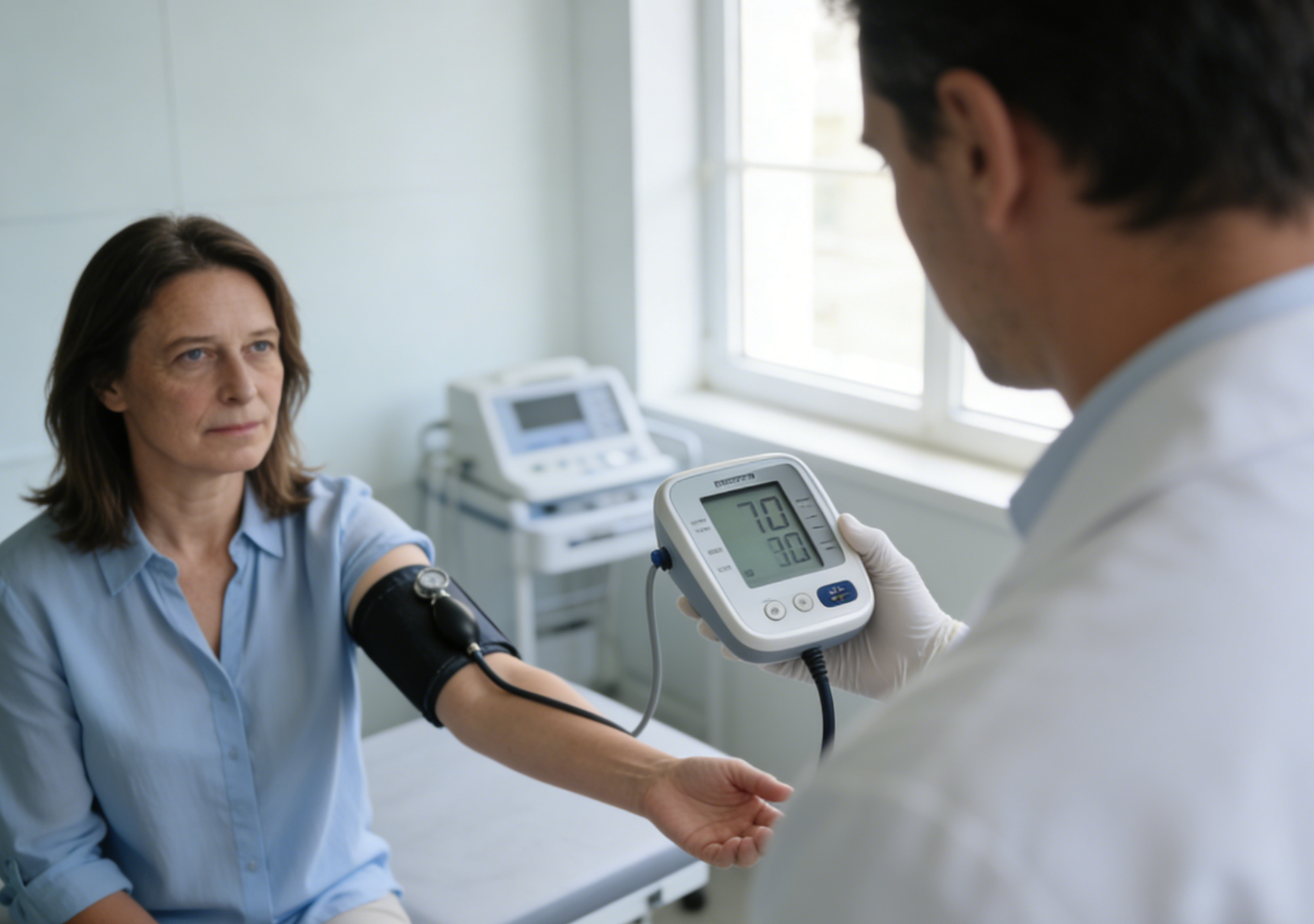
Key Points for Preventing Hypertension in Women and Common Medication Misconceptions
This article details methods for preventing hypertension and medication safety for women, especially during pregnancy. It emphasizes that certain medications, such as nonsteroidal anti-inflammatory drugs (NSAIDs), may raise blood pressure and reminds hypertensive patients to pay attention to cross-effects of medications and manage their blood pressure scientifically.
2026-03-10
Hypertension patients should be wary: Analysis of five types of medications that may worsen blood pressure.
This article analyzes how five classes of medications, including estrogen, corticosteroids, and bronchial asthma medications, can worsen hypertension by causing fluid retention or vasoconstriction. Hypertensive patients are reminded to be aware of cross-influences of medications, manage their blood pressure scientifically, and always consult a doctor before using any related medication.
2026-03-10
Beware of four common misconceptions about hypertension treatment: Even asymptomatic patients require proper management.
This article details four common misconceptions among hypertension patients, including ceasing further testing after diagnosis, ignoring the damage caused by asymptomatic hypertension, and prematurely discontinuing medication. It emphasizes that even without symptoms, elevated blood pressure continues to damage the heart, brain, and kidneys, necessitating standardized treatment and lifestyle adjustments to scientifically manage blood pressure and avoid serious complications.
2026-03-10