
Seven major taboos in taking hypertension medication: From cultivating lifelong medication awareness to in-depth warnings about the dangers of intermittent medication.
37. Can hypertensive patients take antihypertensive medication intermittently? Many patients have said, "I've been diagnosed with hypertension, and my blood pressure is always high, but I don't have any symptoms. So I often forget to take my medication; I take it when I remember, and sometimes I don't take it for several days." Actually, this way of taking medication is the most harmful. This artificially causes blood pressure to fluctuate wildly, dropping and rising repeatedly, which is very harmful to the body. It can not only worsen the condition and cause drug resistance, but also lead to a "hypertensive crisis," and the incidence of cerebrovascular accidents is significantly higher than when blood pressure is stable. Therefore, after being diagnosed with hypertension, it is essential to adhere to the prescribed medication schedule and dosage to effectively control blood pressure and reduce complications.
38. Do antihypertensive drugs need to be taken for life, and can they be stopped? I've heard many patients say, "My blood pressure used to be high, but after taking antihypertensive drugs, my blood pressure was normal when measured at the hospital, so I stopped taking the medication." Actually, this is not advisable. This normal blood pressure is under the control of antihypertensive drugs; once you stop taking them, it's very likely to rise again. As mentioned earlier, hypertension is a lifelong condition. Under normal circumstances (unless there is heart failure, myocardial infarction, aortitis, peripheral artery stenosis, or significant weight loss), blood pressure will not decrease significantly. Therefore, antihypertensive drugs generally need to be taken for life. However, for some patients with mild hypertension, various environmental factors that are beneficial to blood pressure, such as significant weight loss, sodium restriction, obesity prevention, smoking cessation, and increased physical activity, can potentially restore their blood pressure to normal. In this case, if they continue to take the original antihypertensive drugs and dosage, their blood pressure may drop below the normal range, at which point they can try to stop taking the antihypertensive drugs. Additionally, for patients with mild hypertension, blood pressure may also decrease significantly in summer due to the "thermal expansion and contraction" of blood vessels. At this point, antihypertensive medication can be temporarily discontinued. Therefore, whether or not medication can be discontinued depends entirely on the individual's specific blood pressure condition. Medication can only be discontinued if, after repeated and careful blood pressure measurements, it is confirmed that blood pressure can remain within the normal range after discontinuation.
39. What should hypertensive patients pay attention to when taking medication? Hypertensive patients should pay attention to the following points when taking medication: (1) Avoid taking medication indiscriminately. There are many types of antihypertensive drugs, and their effects are not entirely the same. Some antihypertensive drugs are effective for this type of hypertension, while others are effective for another type of hypertension. If the type of medication is not right, the antihypertensive effect cannot be fully exerted, and sometimes it may be mistakenly thought that "the antihypertensive drug is not working". The drug treatment of hypertensive patients should be carried out under the guidance of a doctor, and should be graded according to the severity of the condition and individual differences. (2) Avoid lowering blood pressure too quickly. Some people, once they discover that they have hypertension, want to lower their blood pressure immediately and arbitrarily increase the dosage of medication, which can easily lead to accidents. The blood pressure reduction in the short term should not exceed 20% of the original blood pressure. If the blood pressure drops too quickly or too low, dizziness and weakness may occur, and in severe cases, it may lead to ischemic stroke and myocardial infarction. (3) Avoid using a single drug. Except for mild or newly diagnosed hypertension, try not to use a single drug, but use combination drugs and compound treatment. Its advantage is that it produces a synergistic effect, reduces the dosage of each drug, and counteracts adverse reactions. (4) Avoid taking medication without measuring blood pressure. Some patients do not measure their blood pressure regularly and take medication based solely on their own feelings. They take less when they feel no discomfort and increase the dosage when they feel dizzy or uncomfortable. In fact, subjective symptoms do not necessarily correspond to the severity of the condition. Low blood pressure can also cause dizziness and discomfort, and continuing to take medication is very dangerous. The correct approach is to measure blood pressure regularly, adjust the dosage in a timely manner, and maintain the medication. (5) Avoid taking antihypertensive drugs intermittently. Some patients take antihypertensive drugs intermittently, taking a few pills when their blood pressure is high and stopping immediately when their blood pressure drops. This intermittent medication not only fails to stabilize blood pressure but can also worsen the condition. (6) Avoid not taking medication when asymptomatic. Some hypertensive patients are asymptomatic and only discover their high blood pressure when measuring it. They experience dizziness and headaches after taking medication and simply stop taking it. Prolonged discontinuation of medication can worsen the condition, cause blood pressure to rise again, and lead to cardiovascular and cerebrovascular diseases. Facts show that asymptomatic hypertension is quite dangerous. Once discovered, medication should be taken consistently under the guidance of a doctor to stabilize blood pressure at a normal level. (7) Avoid taking antihypertensive drugs before going to bed. Clinical studies have found that taking antihypertensive medication before bedtime can easily induce cerebral thrombosis, angina pectoris, and myocardial infarction. The correct method is to take the medication 2 hours before bedtime.
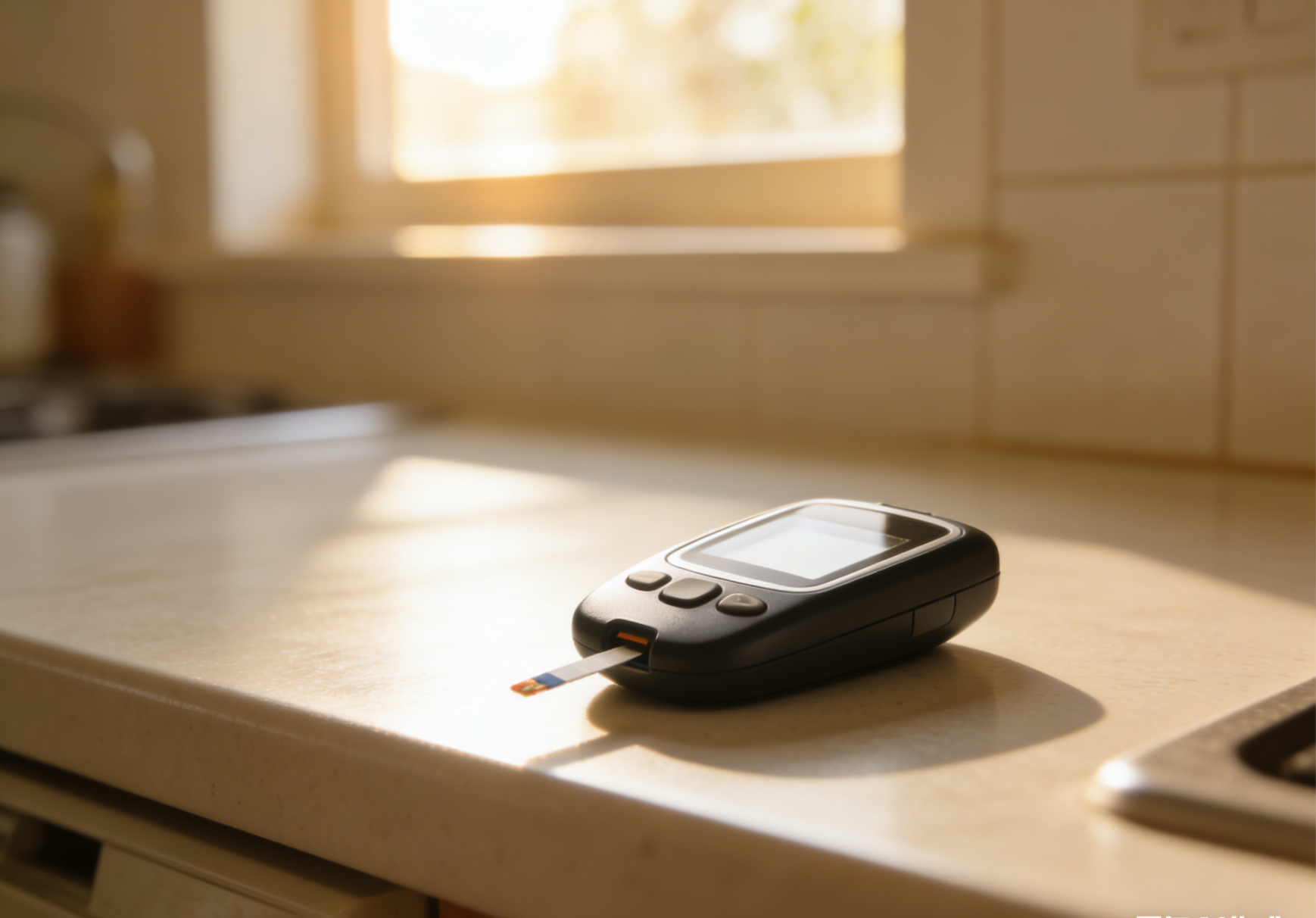
Understanding Misconceptions about High Blood Sugar: A Scientific Explanation of the Relationship Between Blood Sugar and Diabetes
This article aims to clarify common misconceptions about hyperglycemia and diabetes, including diagnostic criteria, comprehensive treatment, and dietary guidelines. It emphasizes the importance of scientifically managing blood sugar, highlighting that simply lowering blood sugar is insufficient to prevent complications, and provides practical advice, such as recommendations regarding fruit consumption, to help readers achieve long-term, stable blood sugar control.
2026-03-10
A comprehensive guide to treating hypertension in women: Blood pressure management from menstruation to menopause.
This article details the characteristics and treatment of hypertension in women, covering blood pressure management strategies during key stages such as menstruation, pregnancy, and menopause. It focuses on analyzing the causes of blood pressure fluctuations during different physiological stages and provides targeted treatment and lifestyle recommendations to help female readers achieve long-term, stable blood pressure control and protect their cardiovascular health.
2026-03-10
How can hypertensive patients scientifically manage their blood pressure: alcohol consumption, snoring, and vitamin E?
This article delves into comprehensive management strategies for hypertension, analyzing the dual effects of moderate alcohol consumption on blood pressure, the role of vitamin E in stroke prevention, and the close association between snoring and high blood pressure. The aim is to provide scientific evidence and practical advice to help readers effectively control blood pressure, reduce the risk of cardiovascular disease, and achieve long-term stable blood pressure management.
2026-03-11