
Insulin replacement therapy: When to initiate and blood glucose management
When should insulin replacement therapy be used in diabetic patients?
Insulin can be considered as a replacement therapy for diabetes in the following situations:
① Type 1 diabetic patients who require exogenous insulin to control their blood sugar levels.
② Diabetic women during pregnancy and childbirth.
③ Diabetic patients with ketoacidosis and hyperosmolar nonketotic coma.
④ Type 2 diabetic patients whose blood sugar remains high and whose treatment with oral hypoglycemic agents is ineffective after a period of time; insulin therapy may be considered.
⑤ Diabetic patients with progressive chronic complications.
⑥ Diabetic patients with severe infections, chronic wasting diseases, or those requiring major surgery.
What is short-term intensive insulin therapy?
Intensive insulin therapy refers to the use of insulin infusions (3 or 4 times daily) or insulin pumps, in addition to dietary control and exercise, to achieve satisfactory blood sugar control. The goal is to bring the diurnal blood sugar variation as close to or near normal physiological levels as possible, thereby reducing the occurrence and development of chronic complications. The target blood sugar level is 4.4–6.1 mmol/L. Intensive insulin therapy can be used for type 1 and type 2 diabetic patients who meet the indications for insulin therapy and whose condition cannot be satisfactorily controlled by dietary adjustments and conventional insulin therapy. The following are precautions for intensive insulin therapy:
① A reasonable diet and exercise. These should ideally be kept relatively constant to facilitate blood glucose monitoring, adjust insulin dosage, and prevent insulin-related weight gain.
② The goal of intensive therapy is to achieve a fasting blood glucose level of 4.4–6.1 mmol/L, and a postprandial 2-hour blood glucose level that should not exceed 10 mmol/L. However, blood glucose at 3 AM should be >3.6 mmol/L, and glycated hemoglobin <6.5%. Due to the strict control targets, the frequency and dosage of insulin injections are increased compared to conventional treatment; therefore, the incidence of hypoglycemia is correspondingly increased by 2–3 times, and prevention and monitoring are necessary.
How to Choose Insulin Injection Sites? Generally, there are four main injection sites on the human body: the abdomen, buttocks, forearms, and thighs. Because these areas have a large skin surface area, injections can be made at different sites each time. It's important to note that to prevent the accumulation of subcutaneous nodules, injection sites need to be changed frequently. Insulin injection sites are generally divided into 2cm² injection zones, and each injection site can be further divided into several zones. An injection zone means that each injection should be given in one area. The injection site should be rotated each time, rather than being injected multiple times in the same injection area. The rotation of injection sites should follow these principles:
① Choose symmetrical injection sites and rotate symmetrically between left and right sides. After completing one rotation, switch to another symmetrical site.
② For example, first choose both upper arms and rotate symmetrically between them. After completing that, switch to the left and right abdomen. This avoids fluctuations in blood sugar caused by different insulin absorption rates at different sites.
③ Within the same injection site, the rotation of injection sites should be regular to avoid confusion. ④ The absorption rate at different sites, from fastest to slowest, is as follows: abdomen, upper arm, thigh, and buttocks.
⑤ If meals are occasionally earlier than usual, choose abdominal injection; if meals are later, choose arm injection.
How to determine the timing of insulin injections? Insulin injection times generally fall into the following categories:
(1) Pre-meal injection: Currently used clinical insulin is a hexamethylenetetramine insulin. After subcutaneous injection, it needs to be separated into monomers before being absorbed into the bloodstream. It takes effect approximately 30 minutes later. To synchronize insulin with the blood glucose peak, conventional insulin should be injected before meals. Blood glucose should be monitored before meals, and the insulin injection time should be determined based on the pre-meal blood glucose level, but there is no consensus on this in the medical community. ① Generally, stricter requirements are considered for patients undergoing intensive treatment during hospitalization, specifically as follows:
a. Patients with pre-meal blood glucose of 3.9–6.7 mmol/L should inject 15 minutes before meals and can eat more appropriately;
b. Patients with pre-meal blood glucose of 6.7–10.0 mmol/L should inject 30 minutes before meals and eat as usual;
c. Patients with pre-meal blood glucose higher than 10.0 mmol/L should inject 30 minutes before meals and eat as usual.
② For elderly patients and those injecting at home, the pre-meal blood glucose requirements should be more relaxed, specifically as follows:
a. Patients with pre-meal blood glucose of 7–10 mmol/L should inject 15 minutes before meals;
b. Patients with pre-meal blood glucose higher than 10–15 mmol/L should inject 30 minutes before meals;
c. Patients with pre-meal blood glucose higher than 15 mmol/L should inject 45 minutes before meals. Patients using intermediate-acting insulin alone should inject 30–60 minutes before meals.
(2) Mealtime Injection: Currently used insulin is rapid-acting insulin, a human insulin analog produced by replacing a specific amino acid in the insulin molecule using recombinant gene technology. Its characteristics include: opening the hexamer form of regular insulin into a monomeric structure, eliminating the need for further monomer separation after injection, resulting in rapid absorption and a short onset of action. It does not require pre-meal injection, but food must be consumed immediately after injection; otherwise, hypoglycemia may occur. Rapid-acting insulin's duration of action is 1–3 hours. It is used to lower postprandial blood glucose, therefore hypoglycemic reactions are rare when used for mealtime injection, making it suitable for various types of diabetes treatment. Because it does not require pre-meal injection, rapid-acting insulin provides great convenience for patients. However, food must be consumed after rapid-acting insulin injection to prevent hypoglycemia.
(3) Postprandial Injection: For type 1 diabetes patients undergoing intensive insulin therapy, when pre-meal blood glucose is low (2.8–2.9 mmol/L), insulin can be injected after meals, along with a slightly increased food intake; those using rapid-acting insulin can also inject after meals. (4) Bedtime injections of intermediate-acting insulin or long-acting recombinant insulin (glargine insulin, arginine insulin) are a treatment regimen that better aligns with the physiological insulin secretion pattern. Short-acting or rapid-acting insulin is used before meals to control postprandial blood glucose, while intermediate-acting insulin or long-acting recombinant insulin should be used before bedtime to maintain basal insulin levels at night. This effectively inhibits hepatic glucose production, reduces fat breakdown, keeps nighttime blood glucose stable, reduces the occurrence of hypoglycemia, and avoids the dawn phenomenon. Dosage should be followed as prescribed by the doctor and adjusted according to fasting blood glucose levels.
What to do if hypoglycemia occurs after insulin injection?
Hypoglycemia can occur if the injection dose is inaccurate, the injection is not timed or measured correctly, or the injection site is incorrect. In severe cases, it can be life-threatening. Therefore, patients using insulin therapy must understand the concept, symptoms, and treatment methods for hypoglycemia. Hypoglycemia is defined as a blood glucose level below 2.8 mmol/L, which can cause symptoms such as trembling, cold sweats, weakness, cold extremities, hunger, dizziness, drowsiness, rapid heartbeat, paleness, blurred vision, numbness or tingling in the hands, feet, and lips, anxiety, mood swings, confusion, and even coma. In this case, immediately eat some high-sugar foods, such as sugar water or biscuits. If the symptoms do not disappear after 10-15 minutes, eat again. If the symptoms subside but there is still more than an hour before the next meal, you can eat a slice of bread or a steamed bun. If the condition does not improve after these treatments, you should go to the hospital for treatment with the help of family members.
Analysis of symptoms of elevated blood pressure, screening populations, and patterns of blood pressure fluctuations
This article analyzes the possible symptoms of elevated blood pressure, identifies the groups of people who need to monitor their blood pressure closely, and explains why blood pressure fluctuates and its diurnal variation. It helps you scientifically understand blood pressure changes and manage your health in a timely manner.
2026-03-12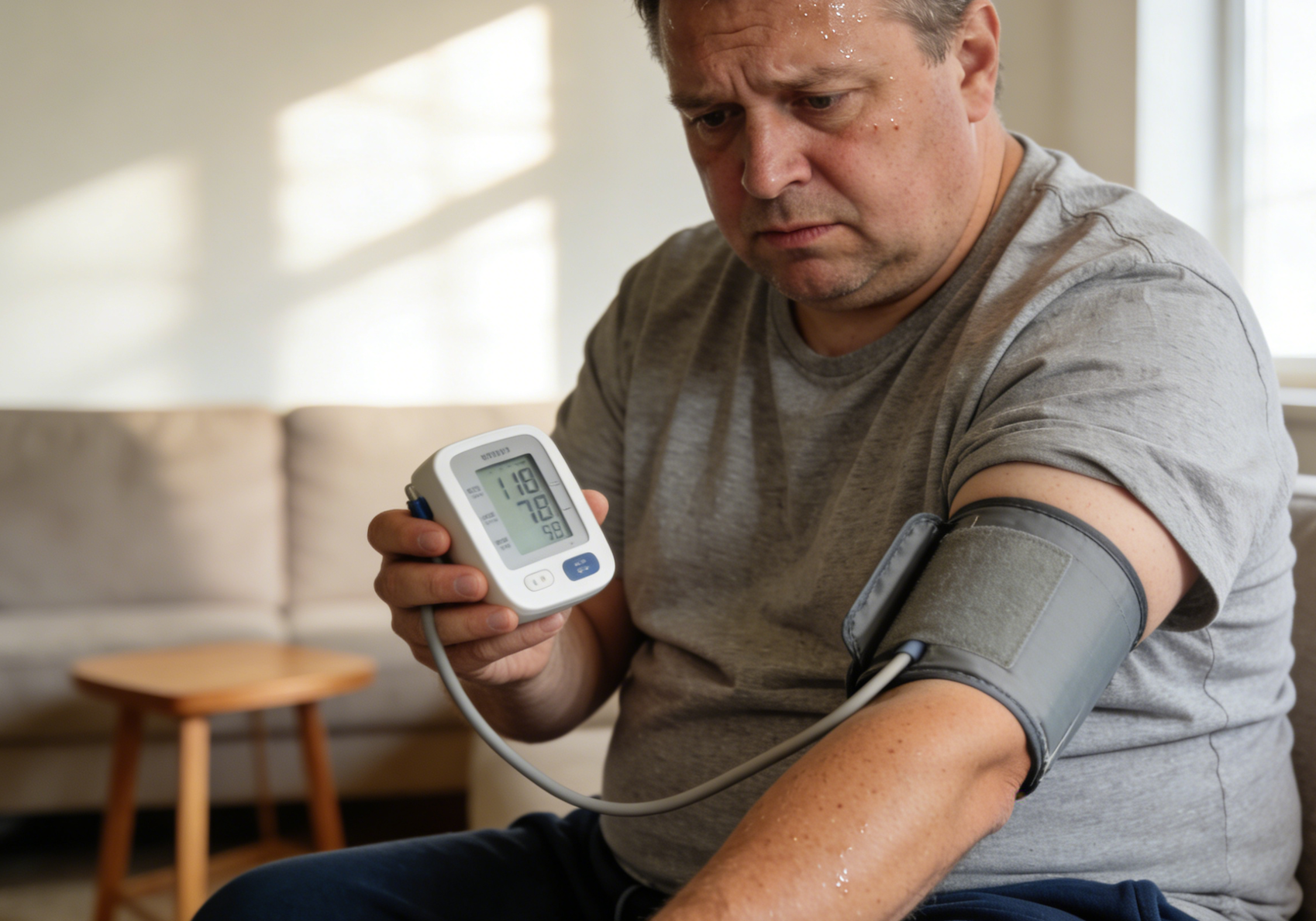
How to accurately measure blood pressure: Detailed explanation of blood pressure monitor selection and precautions.
This article details how to choose a more accurate blood pressure monitor and outlines key precautions and correct procedures. Mastering these methods will help you obtain accurate blood pressure readings, providing a reliable basis for health management.
2026-03-12
Guidelines for analyzing acquired factors that induce hypertension and their risk control
This article analyzes the acquired factors that induce hypertension, such as a high-salt diet and obesity, and introduces related diseases of secondary hypertension. It helps you scientifically understand the causes of elevated blood pressure and take targeted measures to effectively manage your blood pressure health.
2026-03-12