
Three things to avoid when exercising with high blood sugar: neglecting to replenish nutrients, improper timing, and monotonous exercise.
Exercise Guidelines for Individuals with High Blood Sugar:
Avoid Not Eating During Exercise:Diabetic patients are highly susceptible to hypoglycemia during or after exercise. Therefore, appropriate food intake is essential. The specific amount varies from person to person. Generally, if pre-exercise blood sugar levels are below 150 mg/dL, consuming 15g of carbohydrates (a serving of fruit and a serving of bread) beforehand is sufficient. If hypoglycemia occurs some time after exercise, it is best to consume 15-30g of carbohydrates within 30 minutes of finishing the activity. This allows the body sufficient time to release glucose stored in muscles back into the bloodstream, preventing hypoglycemia for a longer period after exercise. Suitable foods for this include a slice of bread or 5-10 soda crackers. Of course, if eating immediately after exercise or exercising immediately after eating, the insulin dosage should be lower than usual, as post-meal blood sugar levels normally rise, while exercise itself has a blood sugar-lowering effect.
Avoid Not Eating During Exercise:Avoid poorly timed exercise: If you rarely or never exercise for a considerable period, when you start exercising, aim for at least 5 minutes each time, multiple times a day, accumulating at least 30 minutes. For example, you can briskly walk or run up and down stairs three times a day, 10 minutes each time; if you do this twice a day, each time should be around 15 minutes.
If you exercise for less than 15 minutes a day, it's unlikely you'll improve your health. Gradually increase the duration of each continuous aerobic exercise session to 20-60 minutes, exercising 3-5 times a week is more reasonable. It's important to clarify that this 20-60 minute aerobic exercise duration does not include warm-up and recovery activities.
While warm-up and recovery are not included in the exercise time frame, their effects are not negligible. Warm-up not only gradually increases heart rate and muscle heat production but also helps prevent injury. Recovery activities lower heart rate and slow breathing. Therefore, a 5-10 minute warm-up before each workout and a 5-10 minute recovery afterward are absolutely necessary. When warming up or recovering, choose simple exercises that don't tire you out, such as stretching, walking, or cycling at a slow pace. Avoid monotonous exercise.
For diabetics, alternating between different types of exercise is more effective. Engaging in the same activity for extended periods can become monotonous and boring, leading to a loss of interest. Therefore, choose a few favorite activities and rotate them weekly. For example: two days a week for jogging, two days for playing badminton or table tennis with family or friends, two days for practicing Tai Chi, calisthenics, or dancing to soothing music, and Sundays for walking, shopping, or doing housework with family.
It's important to note that exercise therapy doesn't produce immediate results; consistency and a gradual increase in intensity are crucial.

Weight Loss and Vascular Protection: A Tutorial on Blood Pressure and Blood Sugar Lowering Exercises for Hypertension, Hyperlipidemia, and Hyperglycemia
By consistently performing these exercises specifically designed for hypertension, hyperlipidemia, and hyperglycemia, you can gently move your limbs and improve blood circulation. This safe exercise can help you lose weight safely and also stabilize blood pressure and lower blood sugar. It's simple and easy to do, allowing you to lose weight and protect your blood vessels simultaneously.
2026-03-10
Weight Loss and Improved Blood Circulation: A Guide to Home Massage and Exercises for People with High Blood Pressure, High Cholesterol, and High Blood Sugar
Consistent home massage and simple exercises can unblock meridians and improve circulation, safely aiding in weight loss while also helping to stabilize blood pressure, lower cholesterol, and reduce blood sugar, allowing weight loss and chronic disease prevention to proceed simultaneously.
2026-03-10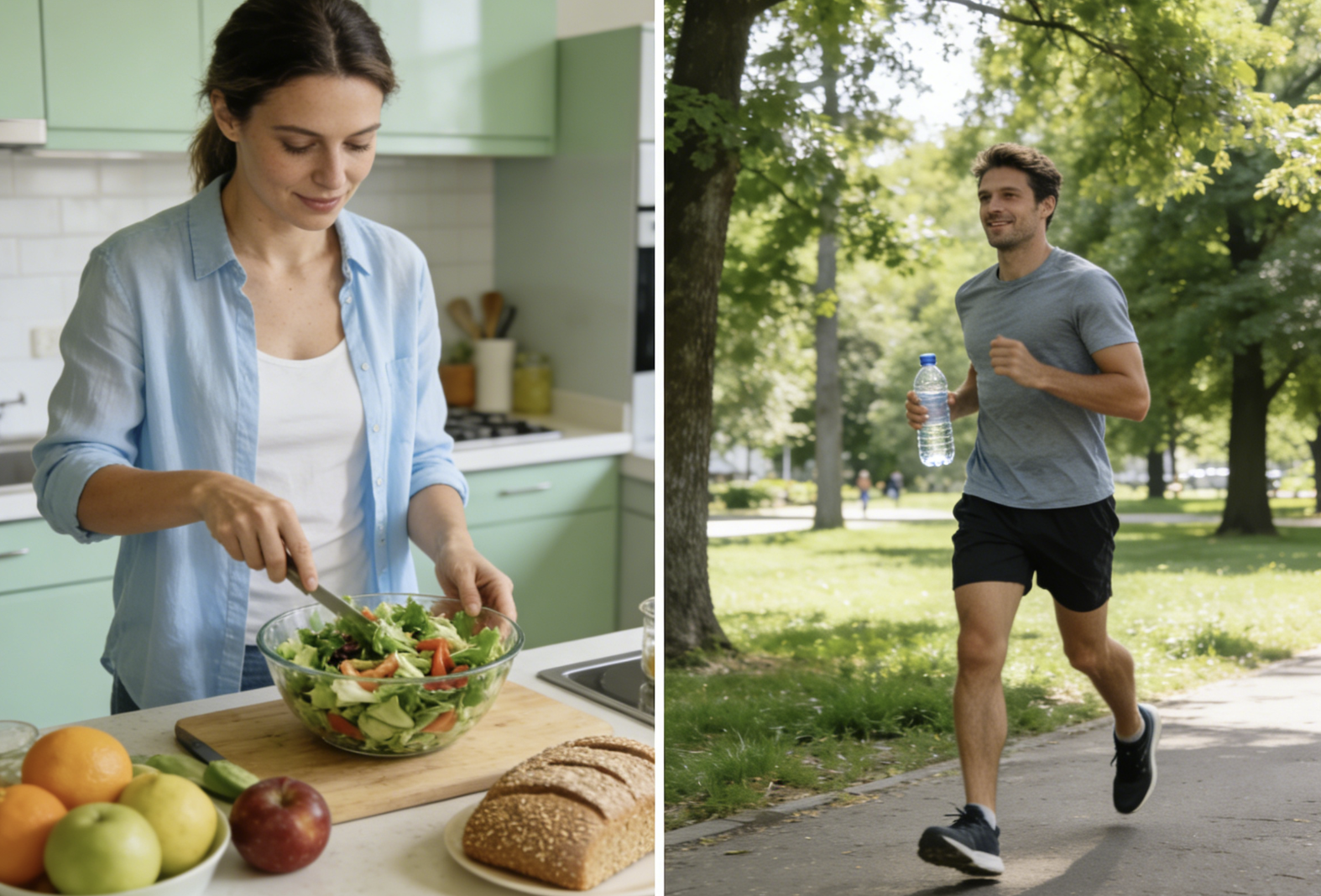
Weight Loss and Vascular Protection: Exercise Guidelines for Lowering Cholesterol and Blood Pressure in People with Hypertension, Hyperlipidemia, and Hyperglycemia
Scientific exercise can help with weight loss, cleanse blood vessels, lower cholesterol, and stabilize blood pressure. This article details suitable and contraindicated exercises for people with hypertension, hyperlipidemia, and hyperglycemia, ensuring safe exercise and achieving simultaneous weight loss and cardiovascular health benefits.
2026-03-10