
New Perspectives on Hypertension Diagnosis: From Numerical Threshold Assessment to Global Management of Cardiovascular Syndromes
Hypertension is the leading cause of myocardial infarction and stroke. A survey in China in 2002 estimated over 160 million people with hypertension, and this number exceeded 200 million by 2009, with a rapid increase of 6-7 million new cases annually. Surveys show a prevalence rate of 20%-25% in people over 18, 40% in those over 50, and as high as 50% in those over 60. The rising incidence and mortality rates of myocardial infarction and stroke are closely related to elevated blood pressure. Blood pressure above 115/75 mmHg can damage blood vessels; for every 20 mmHg increase in systolic blood pressure or every 10 mmHg increase in diastolic blood pressure, the risk of cardiovascular and cerebrovascular events increases by 100%. Controlling hypertension can significantly reduce cardiovascular and cerebrovascular events; a 20 mmHg/10 mmHg reduction in blood pressure can decrease the incidence and mortality of cardiovascular and cerebrovascular events by 50%, and also helps prevent or reduce damage to other target organs. The main causes of hypertension include genetics, unhealthy lifestyle habits, and improper diet. Genetic factors: age, sex, heredity; unhealthy lifestyle: smoking, drinking, lack of exercise, mental stress, etc.; dietary problems, with excessive salt intake being the most important factor; mixed causes, such as excessive intake, insufficient exercise leading to obesity, and/or congenital defects, etc., all contribute to the problem.
Prehypertension. In the past decade or so, the question of whether prehypertension (systolic blood pressure 120-139 mmHg or diastolic blood pressure 80-89 mmHg) requires treatment has gradually gained attention. This is because blood pressure above 115/75 mmHg begins to damage the cardiovascular system. In fact, in prehypertension, the risk of myocardial infarction is already 1.7 times higher and the risk of stroke is 3.6 times higher. Therefore, when prehypertension is combined with other risk factors, such as diabetes, the cardiovascular risk is too high. In this case, prehypertension should be treated aggressively to reduce the cardiovascular risk. Referring to European and American guidelines, Chinese guidelines have also discussed this situation and provided treatment recommendations, generally referred to as "blood pressure targets." If blood pressure does not reach the target blood pressure recommended by the guidelines, even if it is within the normal range, it is still considered "uncontrolled blood pressure." To help patients minimize risk, the guidelines recommend active treatment to achieve target blood pressure.
Diagnosis of Hypertension: More Than Just 140/90. Hypertension is not simply an elevated blood pressure value. In 2005, the American Hypertension Association stated: "Hypertension is not merely a blood pressure value exceeding a certain threshold (140/90 mmHg), but a cardiovascular syndrome characterized by progressive pathological changes in the function and structure of the heart and blood vessels caused by multiple etiologies and risk factors." The new definition more accurately describes our current understanding of hypertension, emphasizing its connotation and denotation. In other words, hypertension prevention and treatment must be considered holistically. Prevention and treatment should not only focus on achieving target blood pressure, but also emphasize controlling other risk factors (obesity, blood sugar, dyslipidemia, smoking, inflammatory markers, mental and psychological state, etc.), protecting and improving the function of target organs, improving patients' quality of life, and reducing morbidity and mortality.
Hypertension diagnosis requires risk stratification. Because if blood pressure coexists with other risk factors, the risk increases significantly, meaning 1+1>2. Risk stratification of patients based on blood pressure levels, risk factors, target organ damage, diabetes, and clinical complications facilitates a comprehensive assessment of the condition and the determination of a treatment plan. Diagnostic assessment includes three aspects: 1) determining blood pressure and other cardiovascular risk factors; 2) identifying the cause of hypertension and ruling out secondary hypertension; and 3) assessing target organ damage and related clinical conditions.
Several issues that must be considered regarding blood pressure: Is the blood pressure within the normal range, prehypertension, or hypertension? What is its grade and risk stratification? What is the individualized blood pressure treatment target for the patient based on cardiovascular risk factors? Is the blood pressure target achieved? Are there any situations where intensive blood pressure reduction is necessary regardless of the blood pressure level (such as after a myocardial infarction)? If the patient's systolic and diastolic blood pressures belong to different grades, the higher grade should be used. Isolated systolic hypertension can also be classified into grades 1, 2, and 3 according to the systolic blood pressure level.
Signs of secondary hypertension. You should discuss this with your doctor if you experience any of the following: onset age under 30; sudden onset in individuals over 60; severe hypertension (e.g., grade 3 or higher); elevated blood pressure accompanied by limb weakness or paralysis, often occurring periodically; increased nocturia, foamy urine, or a history of kidney disease; paroxysmal hypertension accompanied by headache, palpitations, pale skin, and excessive sweating; significantly lower limb blood pressure lower than upper limb blood pressure, with weakened or impalpable pulsations in the abdominal aorta, femoral artery, and other lower limb arteries; poor response to antihypertensive treatment, with blood pressure remaining difficult to control even after regular treatment, including appropriate combination therapy. Common secondary hypertension cases that need to be ruled out include: hyperthyroidism and Cushing's syndrome.

Freshwater fish and apples: How two everyday foods can effectively regulate blood lipid levels
Studies have shown that the EPA and DHA abundant in freshwater fish, along with components in apples, help lower blood cholesterol and triglycerides, thus effectively regulating blood lipids. Incorporating these two foods into your daily diet is a simple and effective way to help manage and improve blood lipid levels.
2026-02-28
Cooking Guide for Patients with Hyperlipidemia: Analysis of Five Suitable and Four Unsuitable Cooking Methods
This article details five suitable healthy cooking methods (such as steaming and stewing) and four methods to be avoided (such as stir-frying and deep-frying) for patients with hyperlipidemia, clarifying the important auxiliary role of scientific cooking in controlling and stabilizing blood lipids. Choosing the right cooking method is a key aspect of dietary management.
2026-02-28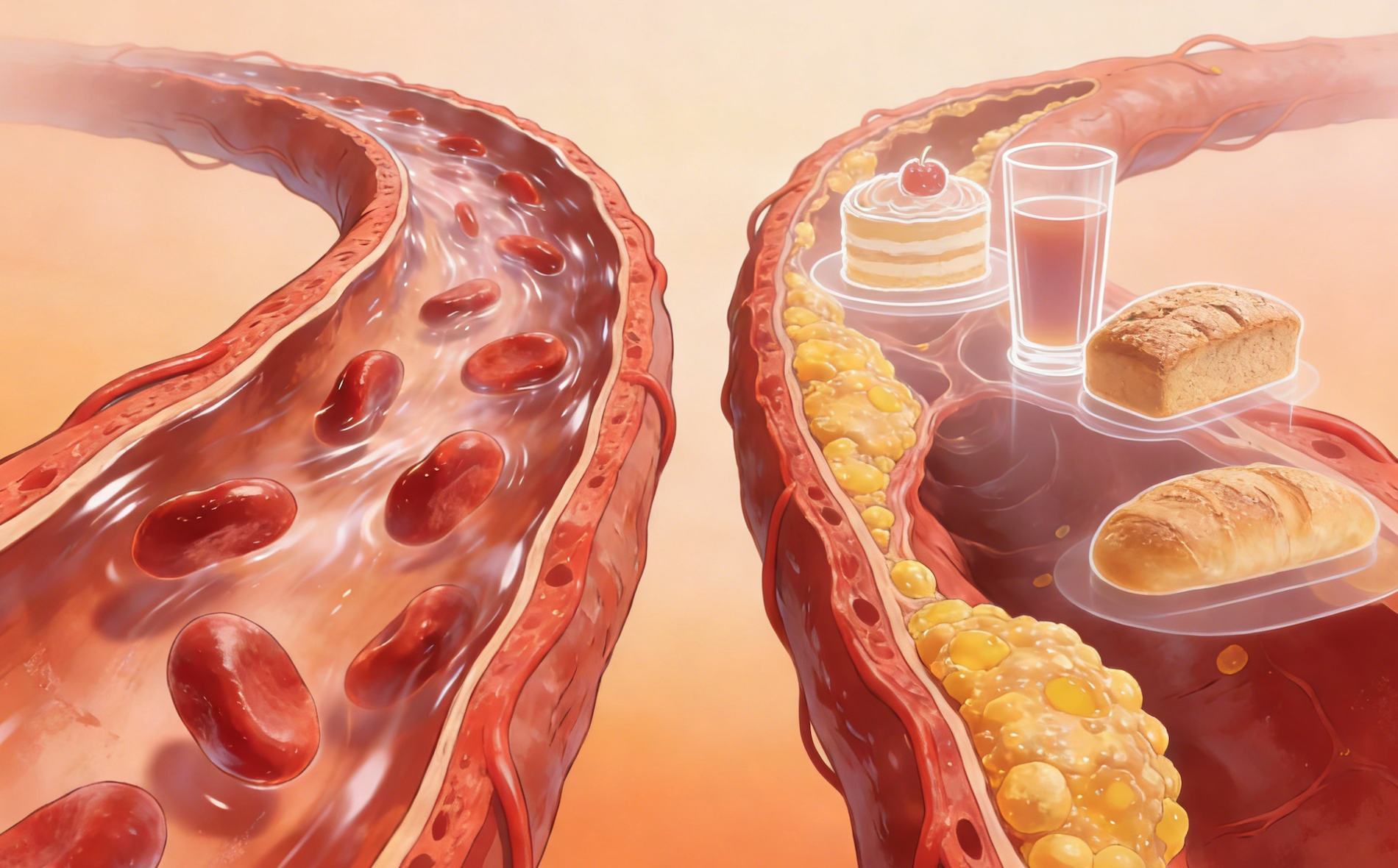
Why should patients with hyperlipidemia avoid sugary foods? An analysis of the impact of sugar on blood lipids.
This article explains in detail why patients with hyperlipidemia should avoid sugary foods, and how excessive sugar intake is converted into fat, leading to elevated blood lipids and subsequently cardiovascular diseases such as atherosclerosis. Understanding the dual impact of sugar on blood lipids is crucial for controlling and managing blood lipid levels.
2026-02-28