
Blood Pressure Lowering Supplements: A Comprehensive Analysis of Active Ingredients and Suitable Populations
What are the active ingredients in health foods that help lower blood pressure?
According to the official website of the State Food and Drug Administration, as of June 11, 2015, 78 domestically produced health foods with the function of helping lower blood pressure were registered and approved. Among the approved health foods with the function of "helping lower blood pressure," most products are combined with functions such as helping lower blood lipids, improving sleep, anti-oxidation, and helping lower blood sugar. Many substances that help lower blood pressure also have the function of lowering blood lipids.
Supplement: The necessity of helping lower blood pressure lies in three aspects: First, for people with borderline hypertension (blood pressure around 140/90 mmHg), medical advice suggests not immediately starting drug treatment, but rather adopting dietary adjustments and health care therapies. With attention and persistence in these adjustments, it is entirely possible to effectively control and lower blood pressure to normal levels. Second, it has a synergistic effect with therapeutic drugs. Without changing the original treatment plan, appropriate use of nutritional supplements can help lower blood pressure, especially help stabilize it. Third, it aims to reduce the organic damage caused by hypertension and reduce the harm caused by therapeutic drugs. Side effects of medications cannot be ignored. Severe adverse drug reactions can significantly reduce quality of life, exacerbate damage to target organs such as the heart, brain, and kidneys, and lead to a poor prognosis. Therefore, the international medical community has defined the key points of hypertension treatment as a three-pronged approach: "stabilization-reduction-reduction and mitigation of side effects."
Suitable and Unsuitable Populations
1. Suitable Population
Generally, people with high blood pressure or hypertension are suitable for taking health supplements with "assistive blood pressure lowering" functions. These supplements are suitable for patients with primary hypertension; their effect is not ideal for secondary hypertension. The shorter the duration of the disease and the closer the blood pressure is to the normal range, the better the blood pressure control. The effectiveness of using health supplements to assist in lowering blood pressure should be defined as a decrease in diastolic blood pressure of ≥10 mmHg or to normal, and a decrease in systolic blood pressure of ≥20 mmHg or to normal. The health purpose should be to stabilize blood pressure, prolong the duration of the disease, and gradually reduce dependence on medication.
2. Unsuitable Population
National regulations stipulate that children and adolescents are "unsuitable for" health supplements with "assistive blood pressure lowering" functions.
Common Misconceptions about Hypertension
"Hypertension patients should take medication for life. Health supplements that claim to 'assist in lowering blood pressure' cannot replace medication. Research has confirmed that frequent fluctuations in blood pressure are very harmful to the body, even more so than mild to moderate hypertension. The key to treatment is controlling blood pressure fluctuations within a normal range. Never stop or reduce medication on your own after blood pressure is controlled."
Many hypertensive patients are asymptomatic, so regular checkups can detect hypertension early and allow for timely treatment. If blood pressure exceeds 140/90 mmHg, consult a doctor at a reputable hospital.
Using antihypertensive drugs to lower blood pressure is essential, but it cannot completely solve the problem of hypertension. Hypertension is a lifestyle disease, and lifestyle adjustments play a crucial role in its treatment. For example, hypertension is related to excessive salt intake, obesity, smoking and alcohol consumption, and lack of physical activity. By adjusting lifestyle and changing these unhealthy factors, blood pressure often returns to normal, thus avoiding long-term medication."

Diabetes Diagnosis and Monitoring: Detailed Explanation of Six Key Blood Glucose Tests
This article details six key tests that diabetic patients should undergo, including fasting blood glucose, postprandial blood glucose, and glycated hemoglobin (HbA1c). These tests help to comprehensively assess blood glucose levels and are important bases for diagnosing diabetes and developing effective blood glucose control plans.
2026-03-08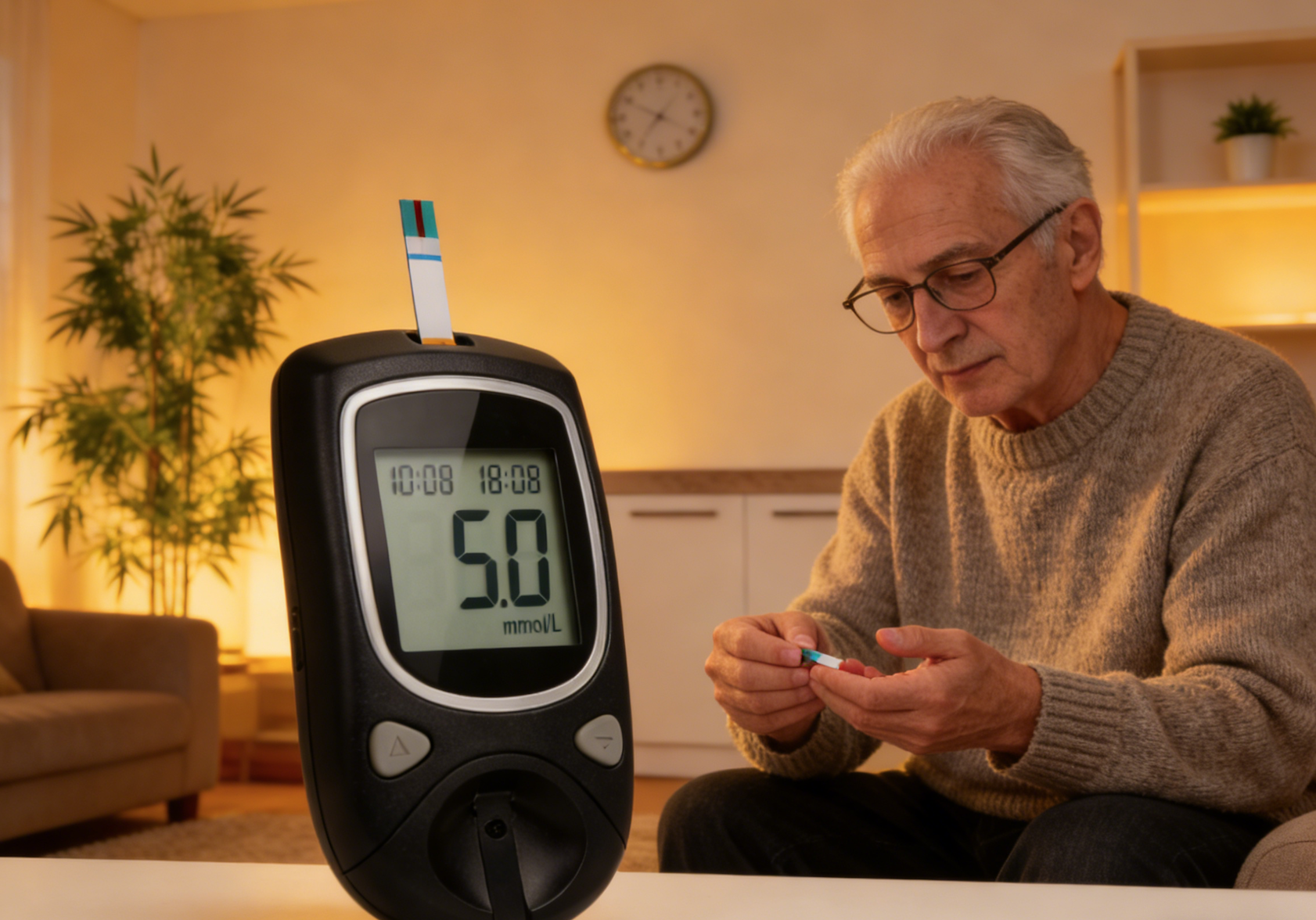
Nighttime heart palpitations: a warning sign of hypoglycemia; case analysis of diabetes patients who are easily misdiagnosed.
This article uses a case study to reveal that the symptoms of nocturnal palpitations and premature ventricular contractions in elderly diabetic patients may stem from unrecognized hypoglycemia. It serves as a reminder to diabetic patients and their families to pay attention to atypical hypoglycemic symptoms, monitor blood glucose levels promptly, and avoid misdiagnosis.
2026-03-06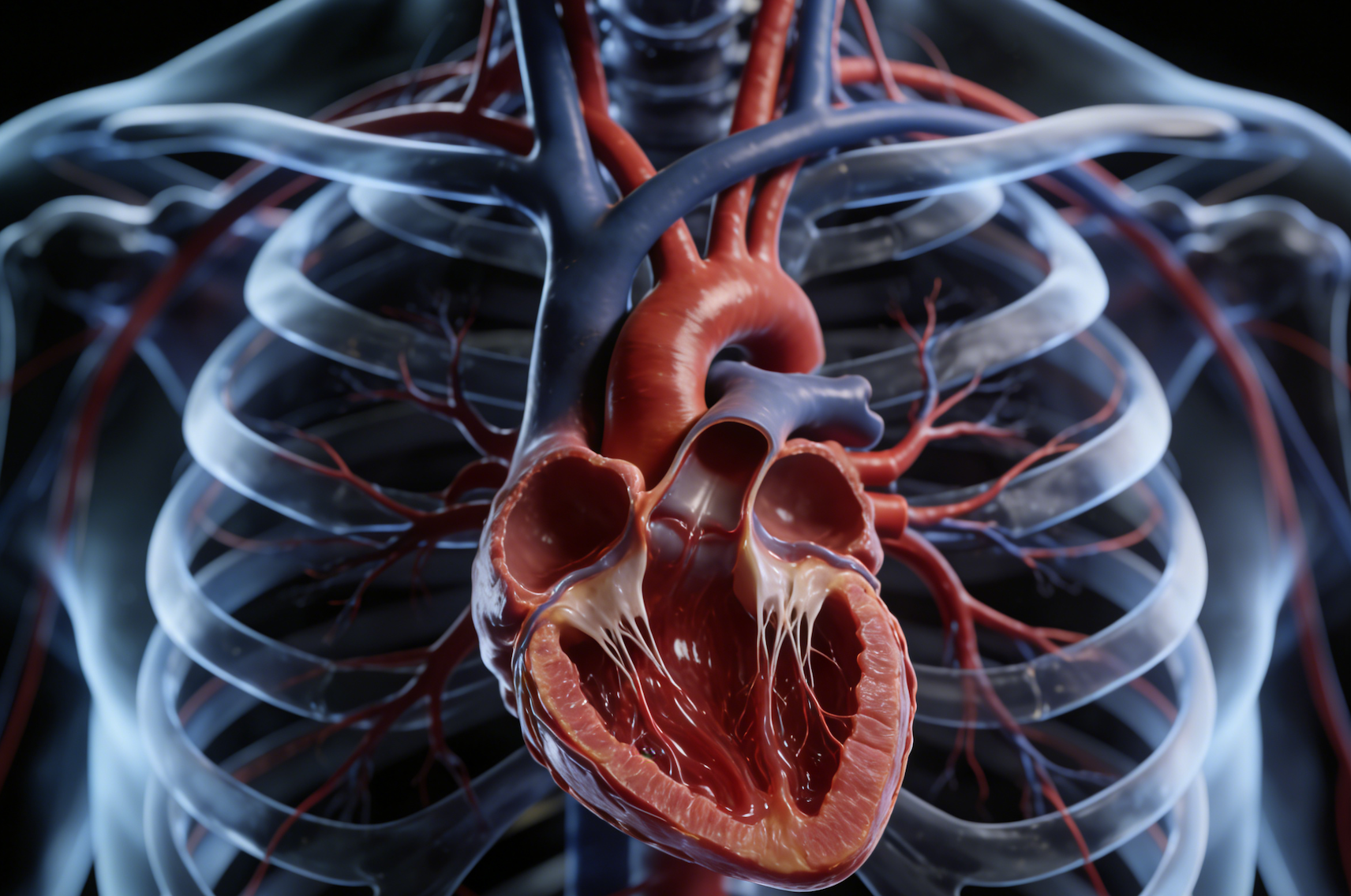
Detailed Explanation of Heart Structure and Corresponding Examination Methods: From Myocardium to Coronary Arteries
This article explains the harm of smoking to the heart and provides a detailed analysis of the three main components of the heart—the myocardium, coronary arteries, and electrical conduction system—as well as their corresponding specialized examination methods, such as echocardiography, coronary CT angiography, and electrocardiogram, to help readers understand cardiac examination procedures.
2026-02-26