
Overview of Stroke: Classification and Etiology of Ischemic and Hemorrhagic Stroke
Stroke is also known as "cerebrovascular accident", "cerebrovascular event" or "stroke". Stroke can be divided into ischemic stroke and hemorrhagic stroke. Ischemic cerebrovascular disease accounts for 60% to 70% of all strokes, including transient ischemic attack, cerebral thrombosis, cerebral embolism, lacunar infarction, etc., which are usually caused by vascular embolism due to cerebral arteriosclerosis. Hemorrhagic cerebrovascular disease accounts for 30% to 40% of stroke cases, and is divided into cerebral hemorrhage and subarachnoid hemorrhage according to the different bleeding sites. Recent statistics show that cerebrovascular disease ranks second among the causes of death in my country. Epidemiological surveys show that the incidence of stroke in my country is 120 to 180 per 100,000, the mortality rate is 60 to 120 per 100,000, and about 34% of survivors lose their ability to work to varying degrees, with more than 40% being severely disabled. The main risk factors for stroke include: (1) Atherosclerosis: leading to excessive narrowing of the vascular lumen, insufficient or interrupted local blood supply. (2) Hyperlipidemia: Elevated levels of very low-density lipoprotein (VLDL) and low-density lipoprotein (LDL) can easily lead to stroke. High-density lipoprotein (HDL) is an anti-atherosclerotic lipoprotein, and its decrease can also lead to stroke. (3) Hypertension: The number one risk factor for stroke. More than 83% of patients with hemorrhagic stroke have hypertension. Long-term hypertension can lead to lesions in the walls of small arteries. When blood pressure rises suddenly, blood vessels rupture and bleed. (4) Diabetes: The second risk factor for stroke. Diabetic patients experience accelerated atherosclerosis due to disordered sugar and fat metabolism. The main cause of stroke is cerebral thrombosis. (5) Obesity: The prevalence of hypertension in obese individuals is 2 to 3 times higher than that in people of normal weight. Clinical observations suggest that obese individuals have a 40% higher chance of developing cerebrovascular disease than the general population. (6) Heart disease: Diseases such as rheumatic heart disease, atrial fibrillation, and coronary heart disease can easily lead to stroke. (7) Age and gender: The incidence rate increases with age, and the risk multiplies after age 40. The incidence rate is lower in women than in men, with a ratio of approximately 1:1.5. (8) Heredity: People with a family history of the disease are more likely to develop it. (9) Poor lifestyle habits: such as smoking, excessive drinking, lack of exercise, preference for fatty meat, and irritability. (10) Disorders of blood rheology: Increased whole blood viscosity leads to decreased cerebral blood flow. Elevated fibrinogen levels are a major risk factor for ischemic stroke. Several hours or 1-2 days before a stroke, warning symptoms may appear: numbness in the limbs, facial drooping, slurred speech, blurred vision, dizziness, nosebleeds, choking, short-term memory loss, headache, and mental changes. Home first aid steps: ① Lay the patient on their side. ② Slightly elevate the head and clear away any vomit. ③ Call 120 (emergency services). ④ Perform a simple check. ⑤ Lift the patient horizontally. ⑥ Do not administer any medication without medical advice.
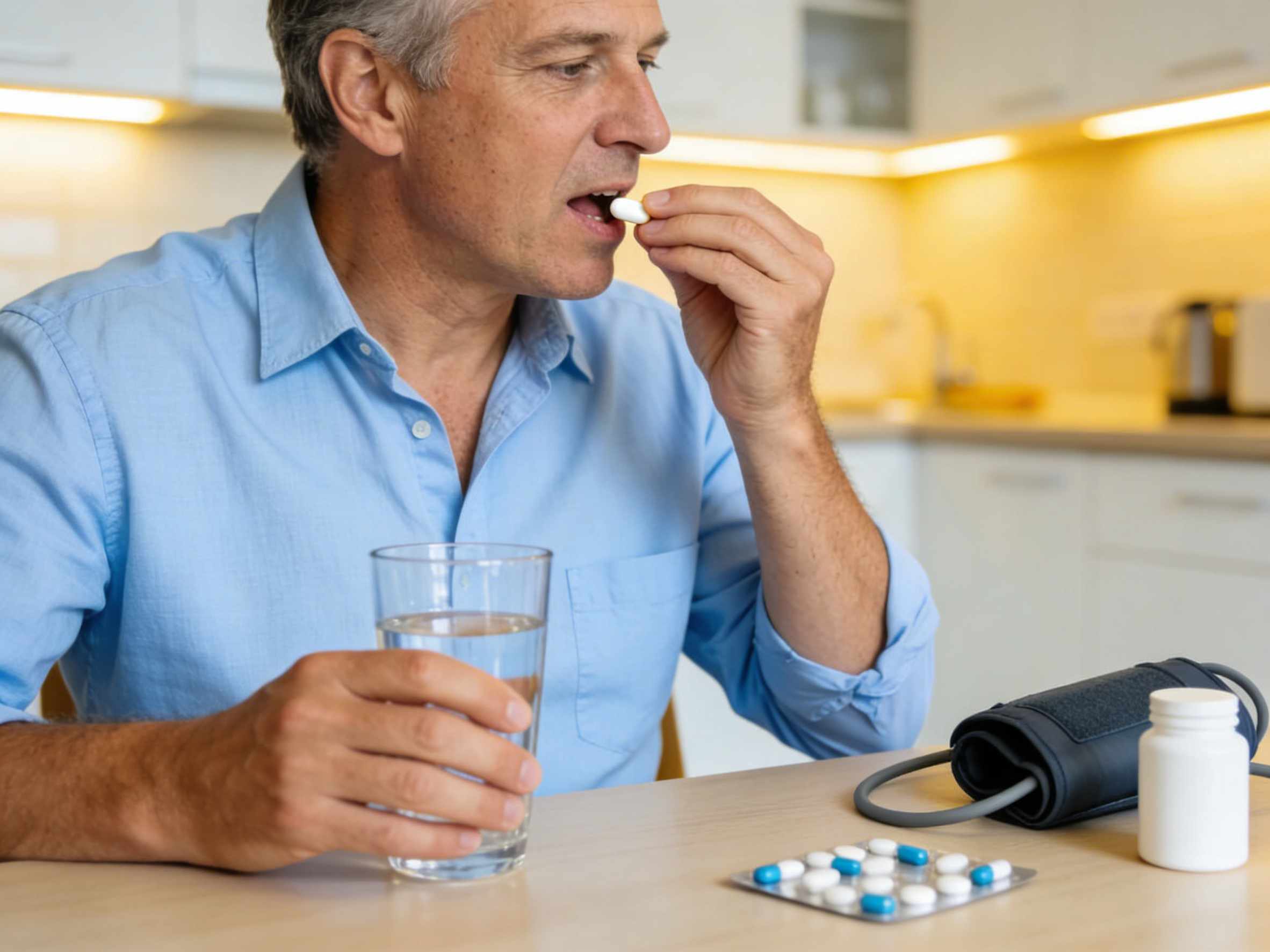
Guidelines for Hypertension Medication Use in Special Populations: Elderly and Complication Management
Hypertension treatment in elderly, pregnant, and diabetic patients requires individualization. This article details the principles of medication and combination regimens for hypertension in special populations, providing scientific antihypertensive strategies to help you manage hypertension safely and effectively.
2026-03-21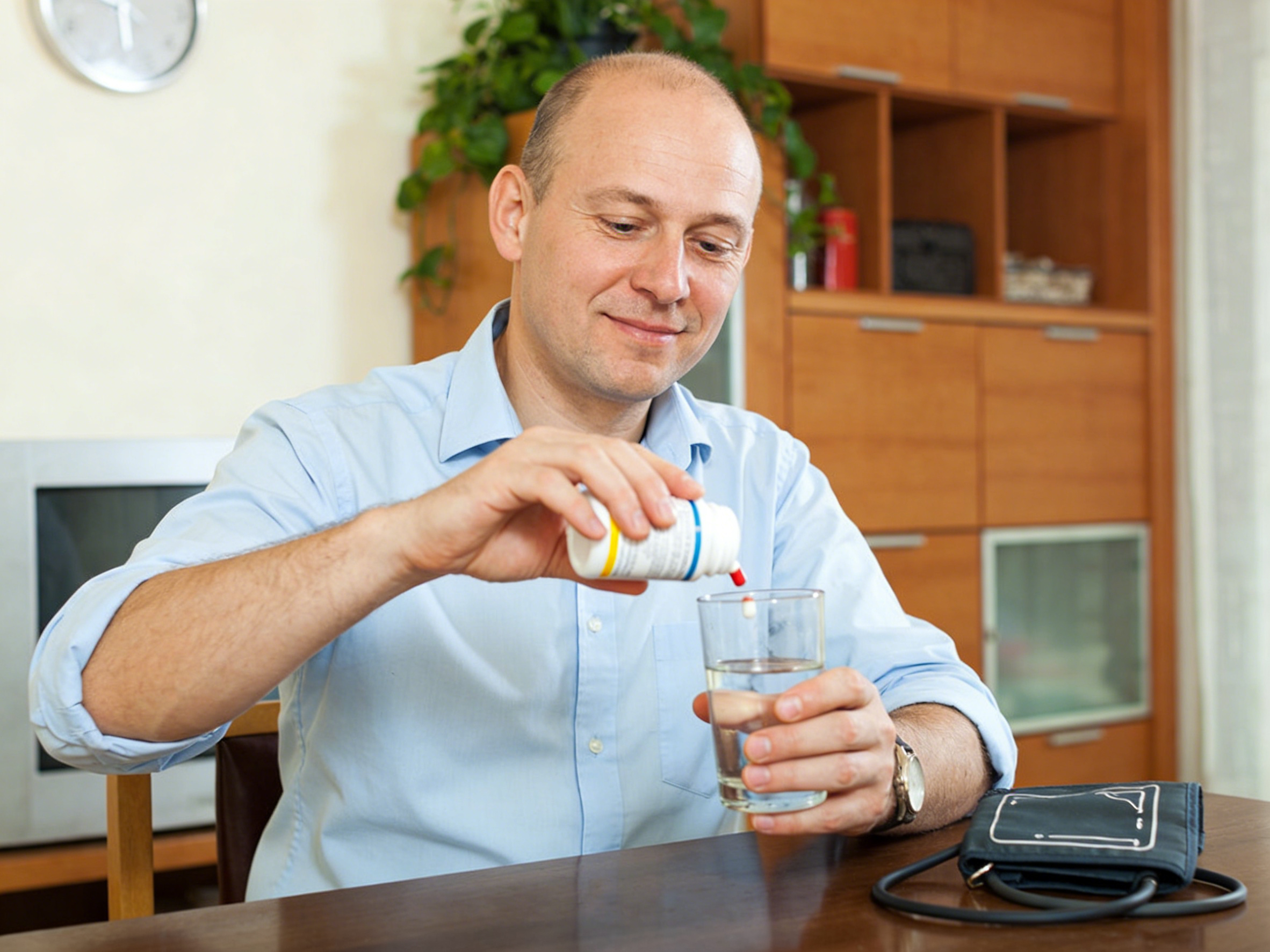
Decision-making and the Art of Combination Therapy for Hypertension Comorbidities: From Dyslipidemia and Cardiovascular Risks to Principles of Achieving Target Blood Pressure
This article details drug selection strategies for hypertension complicated by dyslipidemia, coronary heart disease, heart failure, and renal insufficiency, clarifying the differences in target organ protection among various antihypertensive drugs. It also deeply explores the necessity of combination therapy, proposing core principles for improving antihypertensive efficacy and reducing adverse reactions. Through analyzing the 2005 guidelines for hypertension prevention and treatment and the rational application of combination therapies, it provides a professional approach to achieving long-term blood pressure homeostasis.
2026-03-21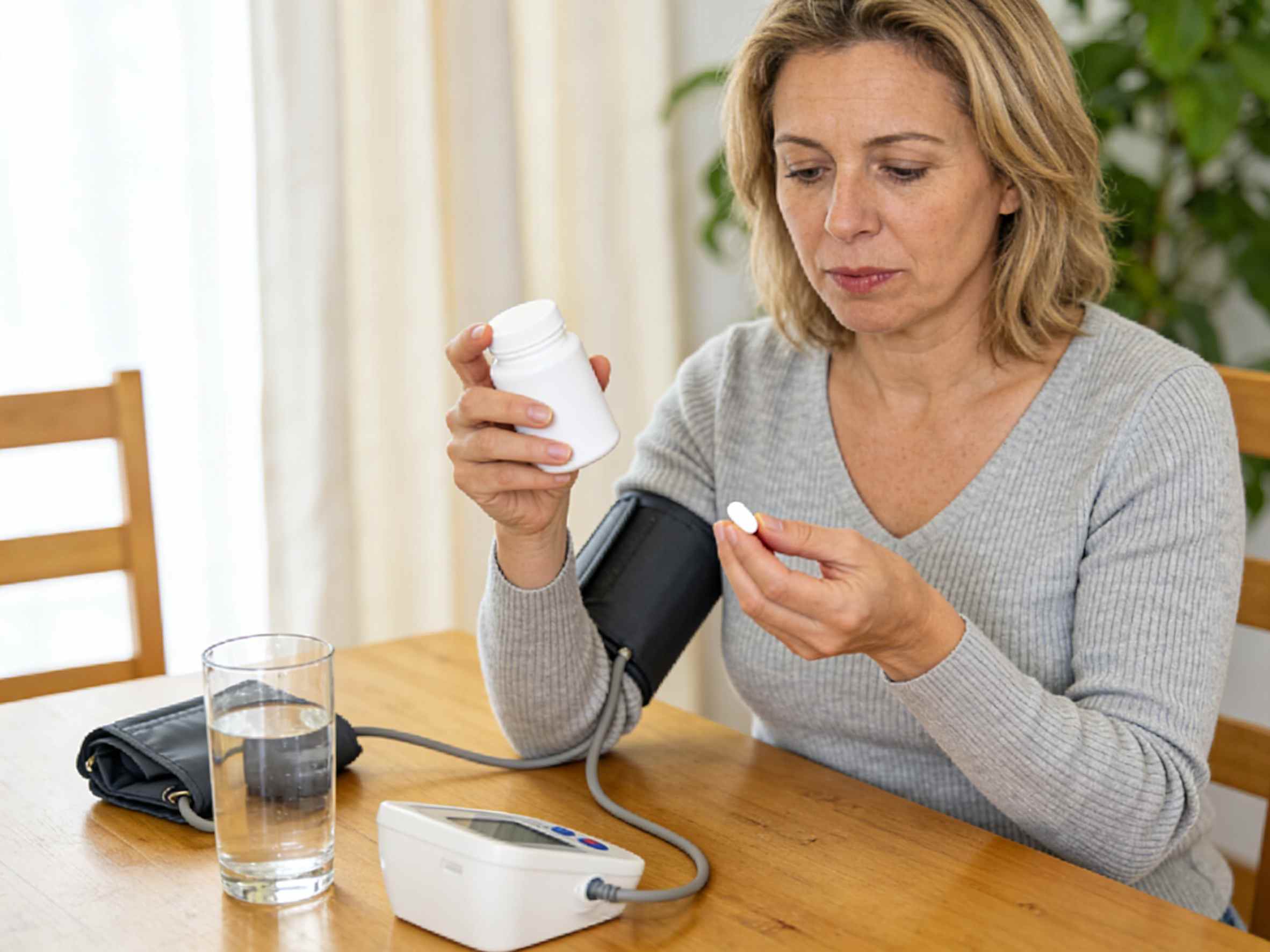
Guidelines for Combination Therapy for Hypertension: Principles, Regimens, and Treatment of Comorbidities
Hypertension often requires combination therapy to effectively achieve target blood pressure. This article details the principles, advantages, and recommended regimens of combination therapy, and provides specific medication guidance for complications such as heart failure and kidney failure, helping you manage hypertension scientifically.
2026-03-22