
Angina pectoris classification: stable exertional angina and unstable angina.
① Stable angina: Also known as stable exertional angina, it is caused by acute and temporary myocardial ischemia and hypoxia due to increased myocardial load on the basis of relatively severe stenosis of the coronary arteries. Its main symptom is paroxysmal chest pain triggered by exertion or emotional excitement (such as anger, anxiety, or excitement). The pain is often located behind the upper or middle part of the sternum, covering an area about the size of a palm, and may also occur between the upper abdomen and the throat. The pain often radiates to the left shoulder, the inner side of the left arm reaching the ring and little fingers, or to the neck, throat, and jaw. It is often described as pressing, dull, or constricting, and in severe cases, accompanied by profuse sweating. The pain usually gradually worsens after onset, and most cases disappear gradually within 3-5 minutes; those lasting longer than 30 minutes are rare. Its frequency and intensity remain relatively stable within 1-3 months. Angina induced by physical exertion can be relieved after stopping activity. Sublingual nitroglycerin can rapidly relieve angina within minutes. ② Unstable angina: This includes variant angina, worsening angina, and post-infarction angina. It is ischemic angina other than exertional angina. It is mainly caused by pathological changes in unstable atherosclerotic plaques within the coronary arteries. The nature of the pain is the same as stable angina, but the intensity is greater, and the physical activity required to trigger an attack is reduced; it can even occur without activity. Chest pain often lasts >20 minutes and responds poorly to nitroglycerin. Stop activity or rest immediately during an angina attack. Drug treatment can use nitroglycerin 0.3–0.6 mg, placed sublingually, which takes effect in 1–2 minutes. Isosorbide dinitrate 5–10 mg can also be used sublingually. During remission, avoid factors that trigger an attack. Unstable angina should be hospitalized promptly and given bed rest. If there are no contraindications, beta-blockers should be started early. Antithrombotic and anticoagulant therapy are important treatment measures. Myocardial infarction (AMI) usually occurs more frequently in spring and winter. Warning signs: Increased frequency and severity of angina attacks, which cannot be relieved by nitroglycerin. Pain is the first symptom. Severe and persistent chest pain, in the same location as angina, often occurs at rest or during sleep, is more intense and widespread, lasting for hours or days, and is usually not relieved by rest or sublingual nitroglycerin. Patients often experience restlessness, sweating, fear, and a sense of impending death. Systemic symptoms may include fever, generally around 38°C, lasting about a week. Arrhythmias are most commonly ventricular premature contractions.
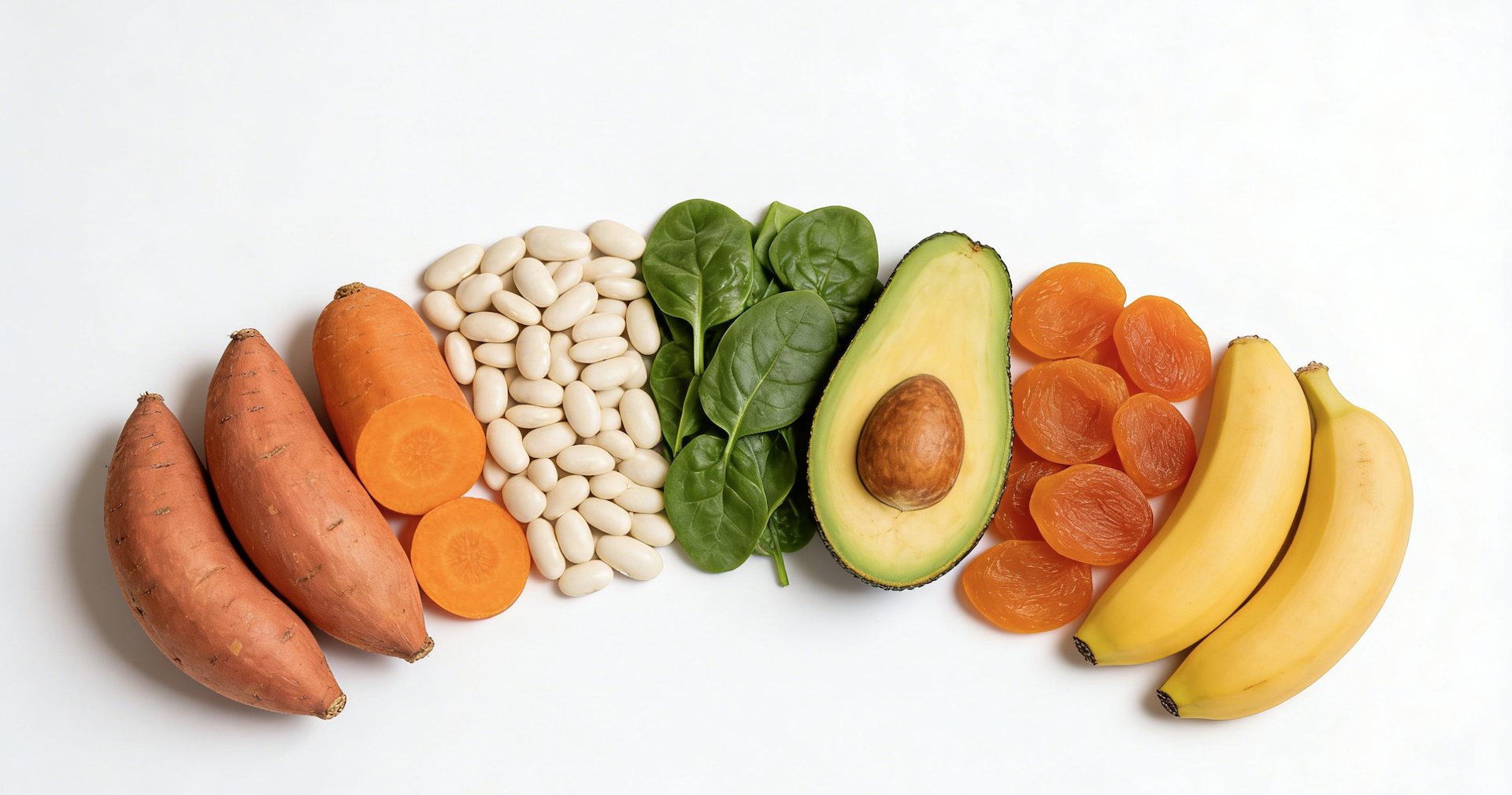
Dietary Guidelines for Patients with Hypertension: Salt Restriction, Potassium Supplementation, and Dietary Structure Adjustment Plan
This article provides scientific dietary guidance for patients with hypertension, emphasizing core principles such as limiting sodium, controlling fat intake, increasing potassium and calcium intake, and controlling calorie consumption. Reasonable dietary adjustments can effectively help lower and stabilize blood pressure levels, and are an important component of non-pharmacological treatment for hypertension.
2026-01-20
Essential reading for people with hypertension: Weight loss, quitting smoking, and limiting alcohol consumption are crucial for controlling blood pressure.
This article explores in detail the crucial roles of weight loss, smoking cessation, and alcohol limitation in blood pressure management. Studies have shown that being overweight and drinking alcohol are significant risk factors for elevated blood pressure, and that scientific weight loss and strict alcohol limitation can effectively lower blood pressure. These non-pharmacological interventions have significant benefits for hypertensive patients in controlling blood pressure and preventing complications.
2026-01-20
Moderate exercise and mental balance: two major non-drug therapies for patients with hypertension
This article details how moderate exercise and mental well-being can be effective non-pharmacological therapies for patients with hypertension. Regular exercise helps lower blood pressure and improve cardiovascular health, while maintaining mental well-being can reduce the adverse effects of emotional fluctuations on blood pressure. The combination of both is crucial for long-term stable blood pressure control.
2026-01-20