
Precautions for elderly people with hypertension: Recognizing early warning signs and scientifically lowering blood pressure
Don't Neglect Hypertension in the Elderly:
Some elderly patients with hypertension refuse medication and believe treatment is ineffective because they have become accustomed to the symptoms or are averse to using antihypertensive drugs. This is completely wrong. They should actively learn about the dangers of hypertension and then gradually treat it under the guidance of a doctor.
Elderly people have weaker metabolic functions and are more sensitive to the side effects of some drugs. Therefore, during treatment, attention should be paid to appropriately adjusting the dosage of medication and regularly checking liver and kidney function. Do not take these measures lightly, thinking they are optional.
Elderly people have weaker digestive systems due to gradually decreasing food intake. Therefore, a strict low-salt diet is not necessary.
Elderly patients with hypertension should avoid using drugs that may cause orthostatic hypotension, such as alpha-blockers (prazosin, etc.).
Relevant data shows that elderly patients with hypertension are highly susceptible to acute myocardial infarction and sudden cardiac death in the morning. Therefore, the following preventive measures should be taken:
(1) Use anti-myocardial ischemia drugs as appropriate. (2) Choose long-acting or controlled-release antihypertensive drugs, and pay attention to the timing of administration to prevent excessive rise in blood pressure in the morning and excessive drop in blood pressure at night.
(3) To prevent increased heart rate and myocardial ischemia upon waking in the morning, it is necessary to take a long-acting β-blocker orally once at night.
(4) Simultaneously use antiplatelet drugs, such as enteric-coated aspirin, to reduce platelet aggregation in the morning.
8. Do not ignore the warning signs of high blood pressure. In today's my country, where hypertension and cardiovascular diseases are on the rise, timely detection and treatment of hypertension are of great importance. To detect hypertension in a timely manner, it is necessary to understand its symptoms and raise awareness of hypertension in daily life.
Although most patients with early-stage hypertension may not have any symptoms, this does not mean that hypertension has no warning signs. Generally speaking, if symptoms such as dizziness, headache, blurred vision, tinnitus, insomnia, fatigue, or difficulty concentrating occur after mental stress, emotional excitement, or exertion, it is very likely caused by hypertension. At this point, the first thing to do is to have your blood pressure checked by a doctor. If the blood pressure is not high, then look for other causes, such as neurasthenia, intracranial space-occupying lesions, or cerebrovascular disease.
Early-onset hypertension is often accompanied by relatively obvious symptoms. Patients should take measures as soon as they discover the condition; otherwise, as the body gradually adapts to the high blood pressure, the symptoms will become milder and milder, and may even disappear completely. This also tells patients with hypertension that the absence of symptoms does not mean that blood pressure has returned to normal. Once you have a history of hypertension, you need to continue monitoring your blood pressure for a long time after it returns to normal, and cooperate with appropriate treatment.
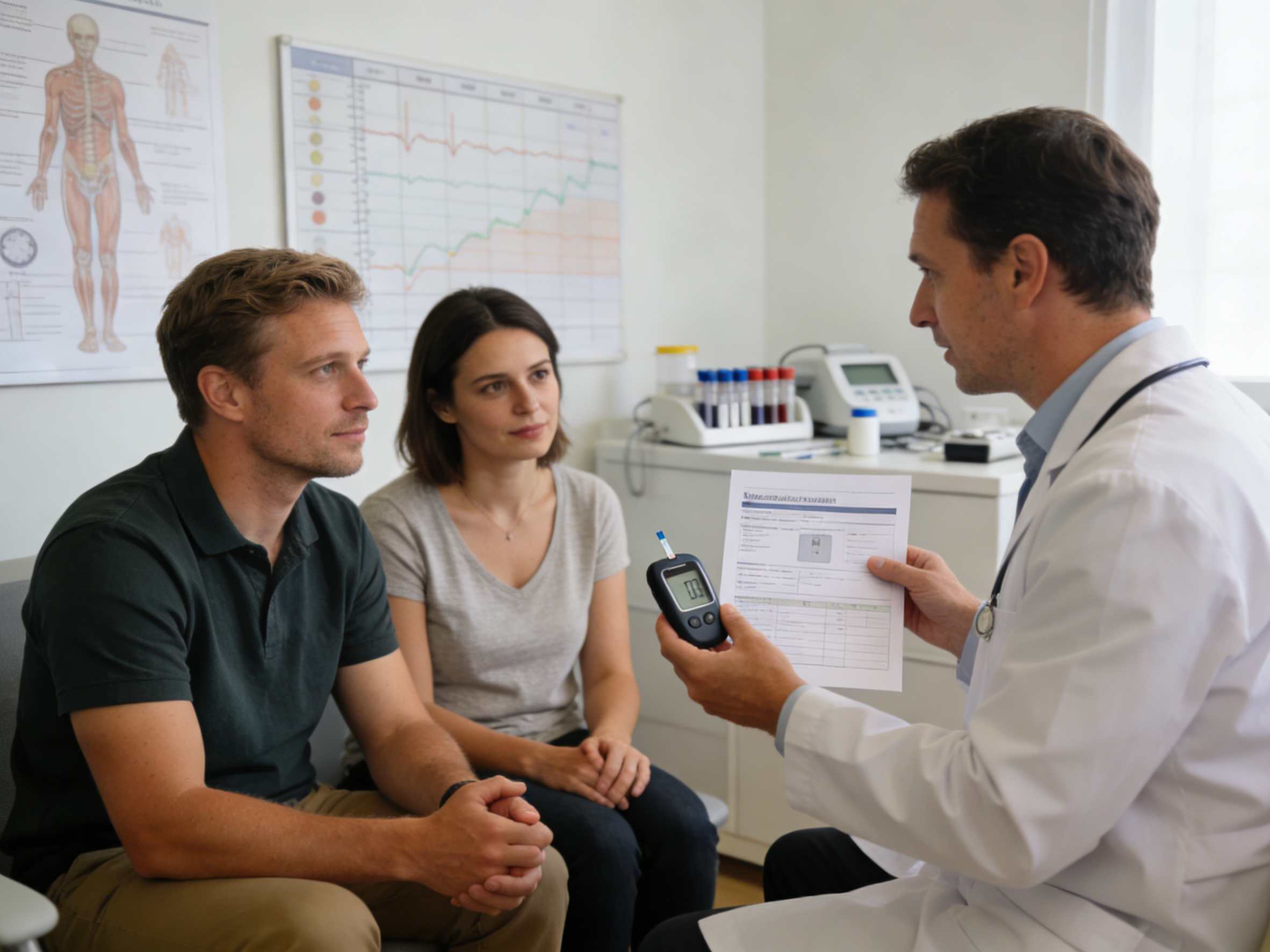
Warnings about the dangers of high blood sugar: causes, prevention, and cases
Blood sugar is crucial for life, and its balance is paramount. This article details the sources and pathways of blood sugar, analyzes the causes and dangers of high blood sugar, and uses real-life cases to warn of the consequences of neglecting blood sugar health, urging regular monitoring.
2026-03-20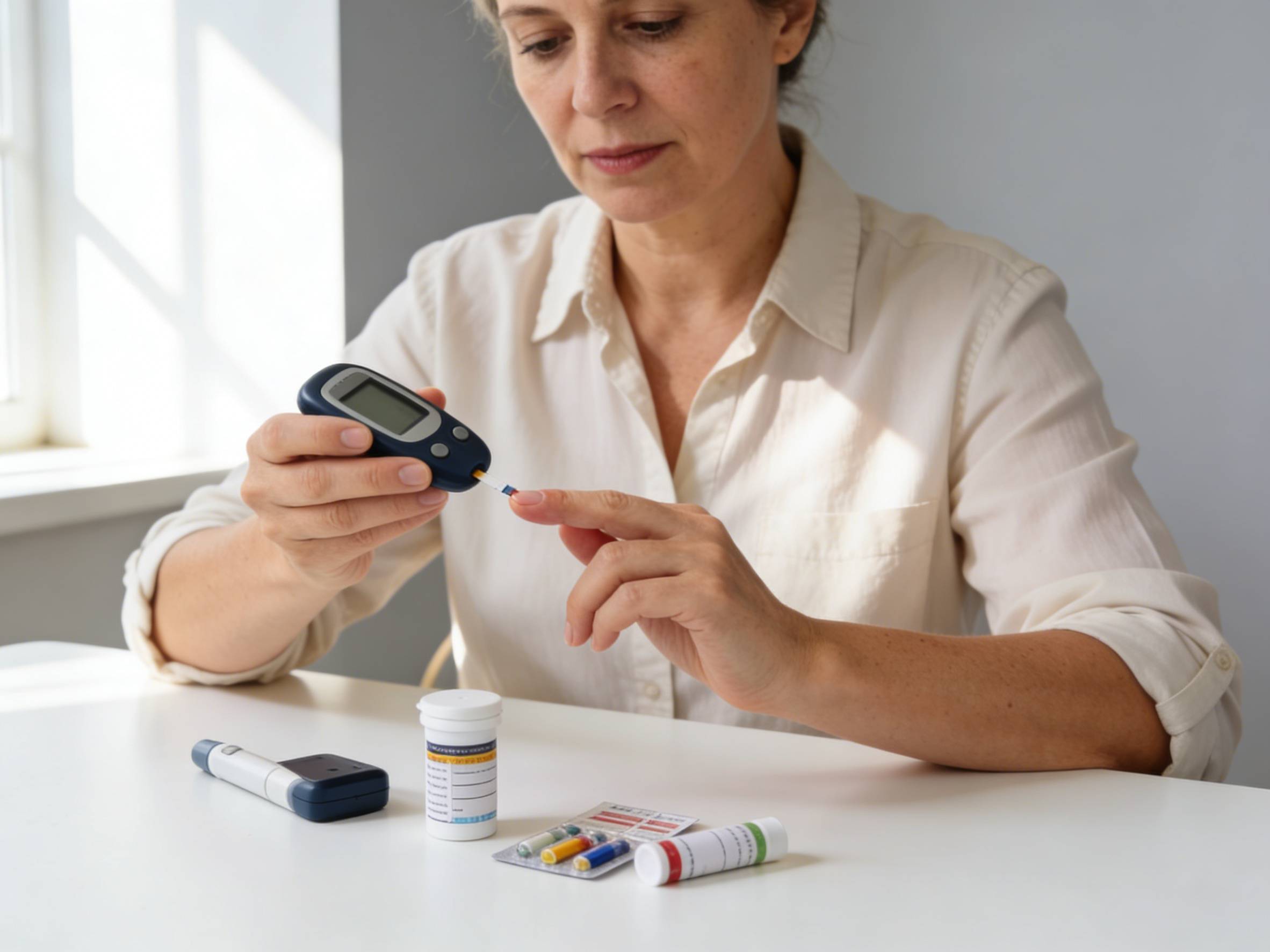
Blood sugar warning signals: In-depth identification from "hyperglycemia surge" to sub-health status
Elevated blood sugar is an important sub-health signal from the body. This article analyzes the pathological causes of Xiao Hu's case to highlight the clinical significance of "elevated blood sugar" as a sign of prediabetes. The article details eight early warning symptoms, including dry mouth, weight loss, and skin infections, and, in conjunction with fasting blood glucose testing standards, emphasizes the decisive role of scientific intervention in the sub-health stage in halting the progression of diabetes.
2026-03-20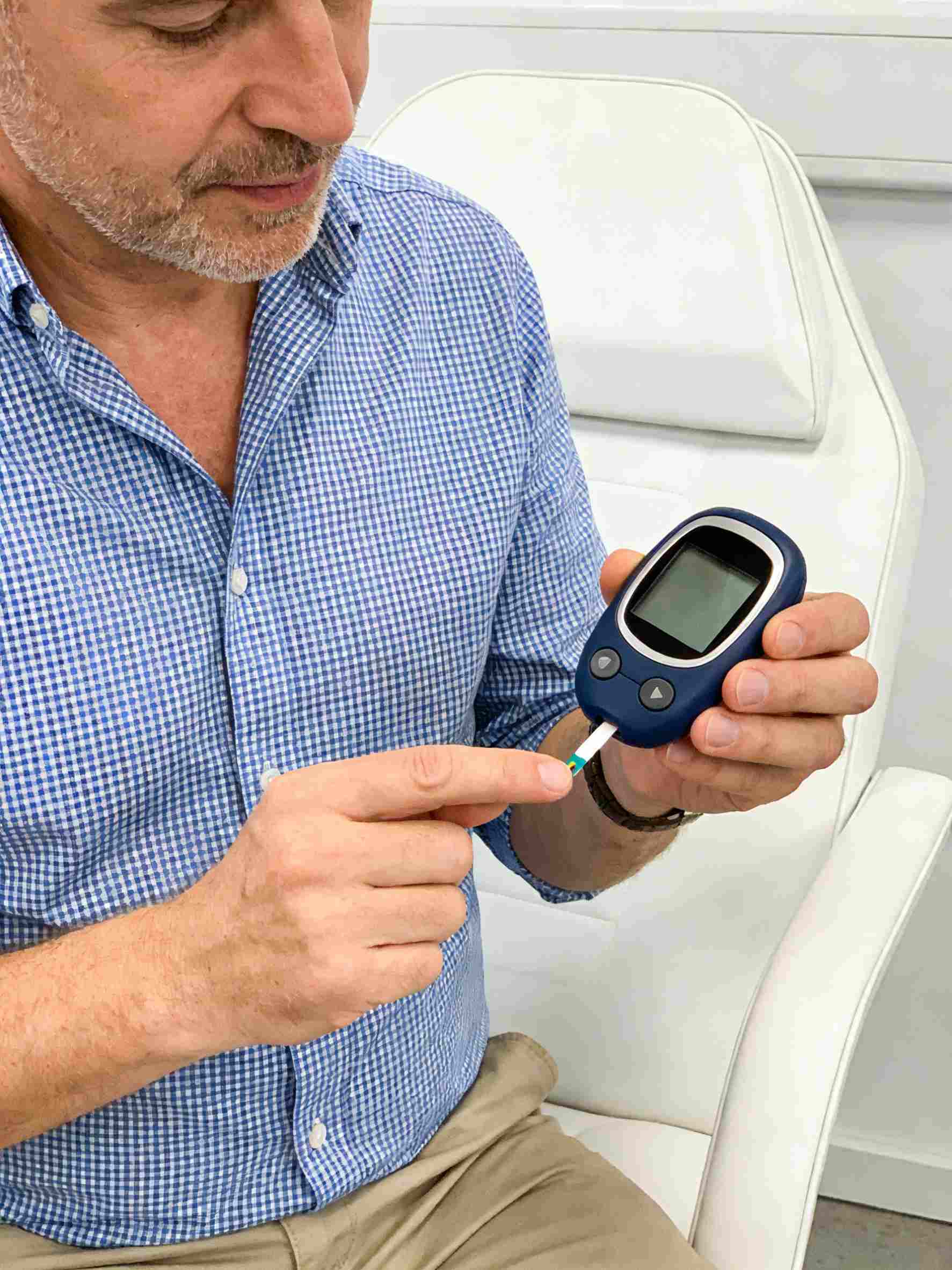
The Hidden "High Blood Sugar Surge": Postprandial Blood Glucose Monitoring and Three Levels of Diabetes Prevention
Many patients with early-stage diabetes have normal fasting blood glucose levels but experience dangerous "postprandial hyperglycemia surges." This article elucidates the crucial role of postprandial blood glucose monitoring in the early detection of diabetes and discusses common causes of errors in blood glucose testing. Furthermore, the article divides hyperglycemia prevention and control into three levels and focuses on exploring the profound impact of hereditary diabetes on pregnancy, fetal development (such as macrosomia and birth defects), and maternal health.
2026-03-20