
The dual importance of a quiet environment and a regular lifestyle for patients with hypertension
A quiet living environment is essential: A poor environment is extremely detrimental to people with hypertension. Acoustic studies have shown that noise levels exceeding 85 decibels can cause significant damage to the nervous and cardiovascular systems. For example, when you suddenly hear a piercing alarm horn, your heart rate increases, and your blood pressure naturally rises.
Living in a noisy environment for extended periods not only disrupts a person's normal life and work mood, but also significantly raises blood pressure levels compared to those living in quiet environments. Domestic and international medical experts have confirmed that noise is a major cause of mood disturbances, damage to the nervous and cardiovascular systems, and elevated blood pressure.
Therefore, people with hypertension should plant flowers and trees indoors and outdoors, keep their surroundings clean and tidy, and maintain a pleasant environment to promote a positive mood. This can not only relieve fatigue but also gradually stabilize or lower blood pressure.
The quiet living environment that people with hypertension need, as we are referring to, primarily means the absence of noise pollution, not that the quieter the environment, the better. Conversely, prolonged exposure to excessively quiet environments (below 10 decibels) can dull the brain and impair normal psychological function, hindering the recovery from hypertension. Therefore, hypertension patients are reminded that a pleasant and healthy living environment is not only beneficial for the treatment and recovery of hypertension but also helps improve work efficiency and alleviate interpersonal tension.
A regular lifestyle is essential: Human physiological activities follow a cyclical pattern, with highs, lows, and lows. Disrupting this normal biological rhythm can lead to illness. For hypertension patients, a disrupted lifestyle can easily cause a rise in blood pressure. Even slight carelessness can lead to irreversible consequences.
In daily life, most patients with primary hypertension experience a relatively slow rise in blood pressure. Therefore, symptoms such as palpitations, shortness of breath, and dizziness are often considered normal and ignored. This easily leads to neglecting the presence of the disease and disregarding irregular lifestyles. In reality, as blood pressure rises, by the time complications develop, the condition may have already worsened.
This is similar to professional baseball pitchers renowned for their fastballs and supersonic pitches. Often, as their bodies weaken, they don't notice the slowing down, ultimately hindering the execution of their skills and spin moves. This leads to a decline in their fame and eventual disappearance from the sport. Similarly, office workers, especially those in management positions, frequently experience worsening symptoms due to the continuous excessive strain on their bodies.
Just as any machine will degrade with constant operation, so too will a living, breathing human body. Therefore, it's crucial to be aware of any initial spikes in blood pressure and take timely treatment to help lower the blood pressure.
If we maintain a positive attitude towards work, remain calm and composed, and approach life's challenges with equanimity, even those with high blood pressure can still enjoy a happy and fulfilling life.
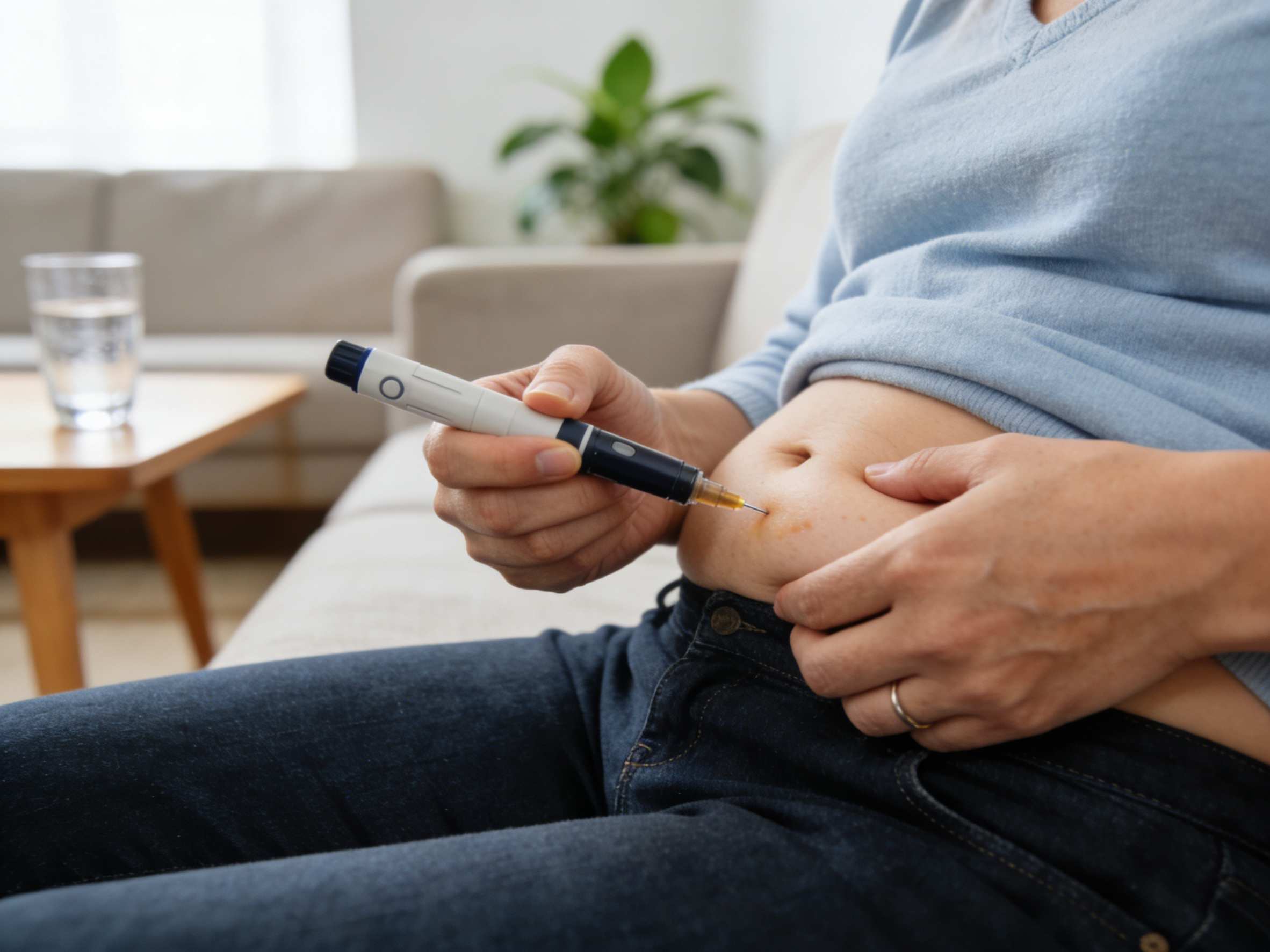
Insulin replacement therapy: When to initiate and blood glucose management
Insulin replacement therapy is an important means of controlling blood sugar. This article details the applicable situations, injection techniques, and management of hypoglycemia associated with insulin replacement therapy, helping diabetic patients manage their blood sugar scientifically.
2026-03-24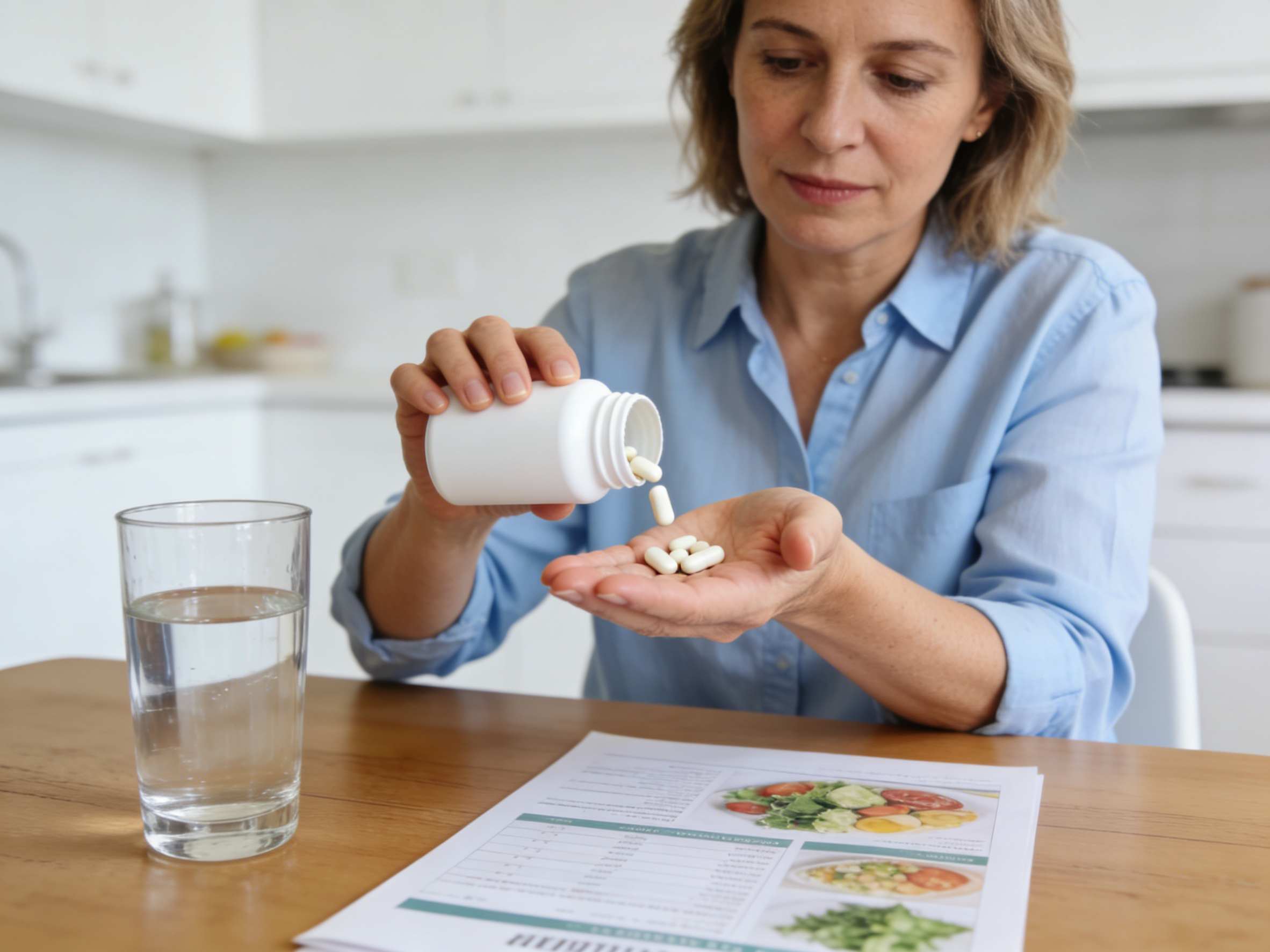
Special populations with diabetes and management of complications: Contraindications for medication in the elderly
This article provides precise clinical medication guidance for elderly patients with diabetes and those with serious comorbidities. It emphasizes that the elderly should avoid high-risk medications such as glibenclamide and glibenclamide, and instead choose more stable treatment options.
2026-03-24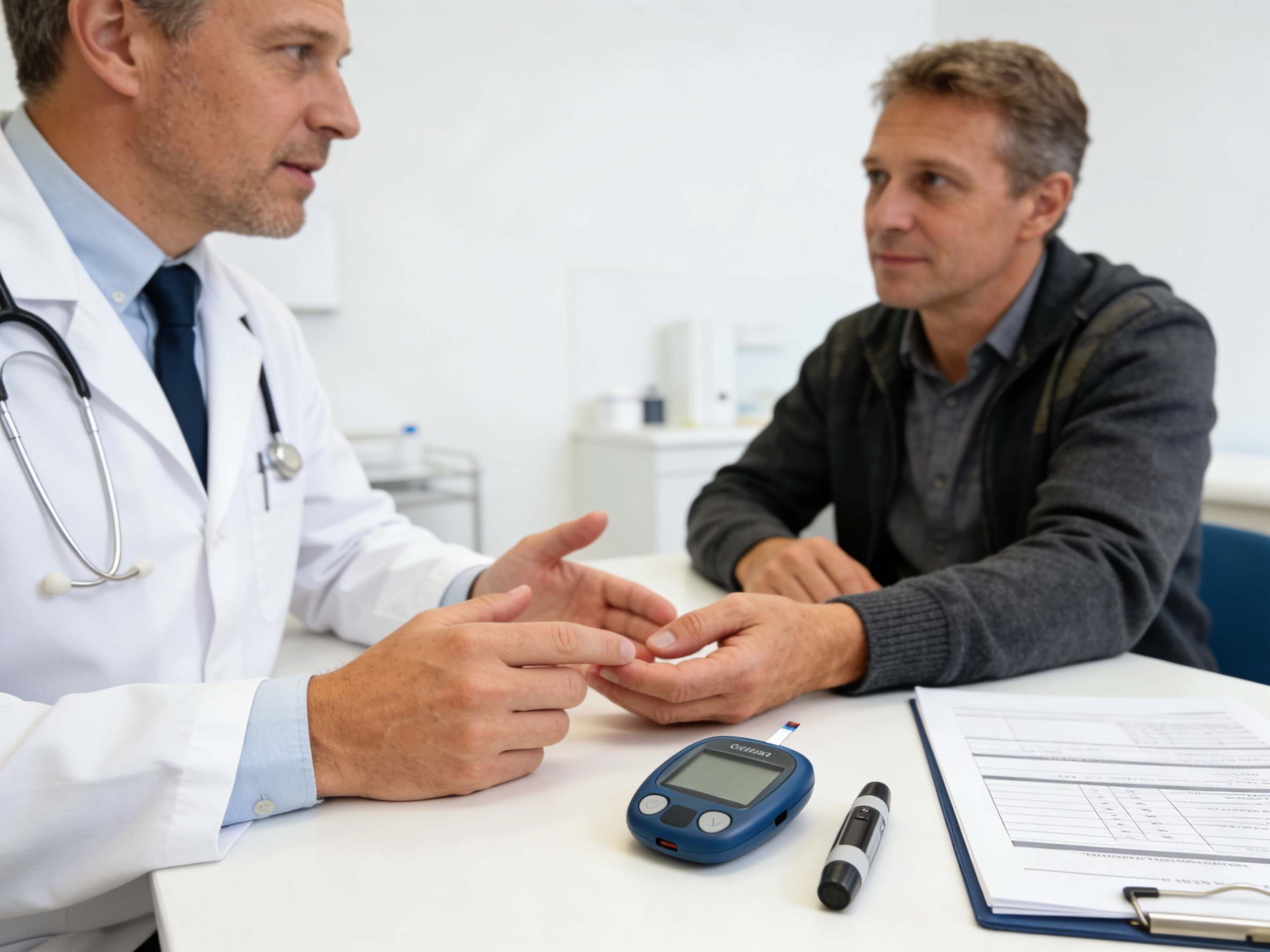
Treatment of diabetic complications: Lowering blood pressure is more important than lowering blood sugar.
In cases of diabetes mellitus complicated by hypertension, strict blood pressure control is more effective than lowering blood sugar in reducing cardiovascular and cerebrovascular risks. This article details the drug selection and treatment strategies for patients with hypertension, dyslipidemia, and other related conditions.
2026-03-24