
Core blood glucose management for preventing diabetic ketoacidosis and cerebrovascular disease
Prevention of Diabetic Ketoacidosis: Diabetic ketoacidosis (DKA) is a rapidly developing and dangerous acute complication of diabetes. It is caused by insufficient insulin production leading to excessive ketone body production. To avoid DKA, remember the following:
Do not stop insulin abruptly: For patients with type 1 diabetes, insulin should not be stopped abruptly, and especially should not be believed by rumors claiming a cure for diabetes.
If you experience loss of appetite or infection, do not stop eating or drinking at will, and certainly do not stop insulin.
"Never arbitrarily interrupt medication treatment." For patients with type 2 diabetes, effective treatment should not be interrupted arbitrarily, and medications should not be frequently changed. In cases of severe infection, heart attack, or significant emotional distress, doctors may recommend "temporary" insulin use. Under no circumstances should insulin be refused, as this could worsen the condition.
Develop a habit of drinking plenty of water: If diabetes symptoms worsen, such as unexplained weight loss, nausea, or vomiting, blood sugar should be checked promptly. If it is difficult to determine whether it is hypoglycemia or hyperglycemia, and blood sugar and ketone body tests are not possible, the patient can try drinking a small amount of sugar water. If symptoms do not improve, the patient should go to the hospital immediately. If blood sugar exceeds 15 mmol/L, urine ketone bodies must be checked. If urine ketone bodies are positive, the patient can drink 500-1000 ml of water first. If urine ketone bodies are strongly positive or persistently positive, further examination at the hospital is necessary.
Pay attention to urine ketone testing: When a patient has a severe heart attack or severe infection, urine ketones should be checked at least twice a day. Remember that if diabetes worsens or other stressors occur, such as fever... In cases of vomiting, it is essential to closely monitor blood glucose, urine glucose, urine volume, and urine ketones. Strengthen communication with medical personnel and seek professional medical guidance and assistance. Clinical manifestations of ketoacidosis in elderly diabetic patients may be subtle; therefore, any unusual symptoms should be taken seriously, and a prompt medical examination is necessary.
Prevention of Cerebrovascular Diseases Complicating Diabetes: Diabetic patients are prone to cerebrovascular diseases such as cerebral infarction and cerebral hemorrhage, which have become a leading cause of death in type 2 diabetes. Therefore, the following preventive measures should be taken:
Control Blood Glucose: Diabetic patients are prone to cerebral arteriosclerosis, which is closely related to the duration of diabetes and poor blood glucose control. Actively controlling blood glucose is crucial for reducing cerebrovascular disease.
Control Blood Lipids: Dietary adjustments and medication should be implemented to keep blood lipids within the normal range.
Control Blood Pressure: Controlling blood pressure is key to reducing cerebrovascular disease. Blood pressure should be kept below 140/85 mmHg.
Develop Good Habits: Quit smoking and drinking alcohol, exercise regularly, control weight, and avoid obesity.
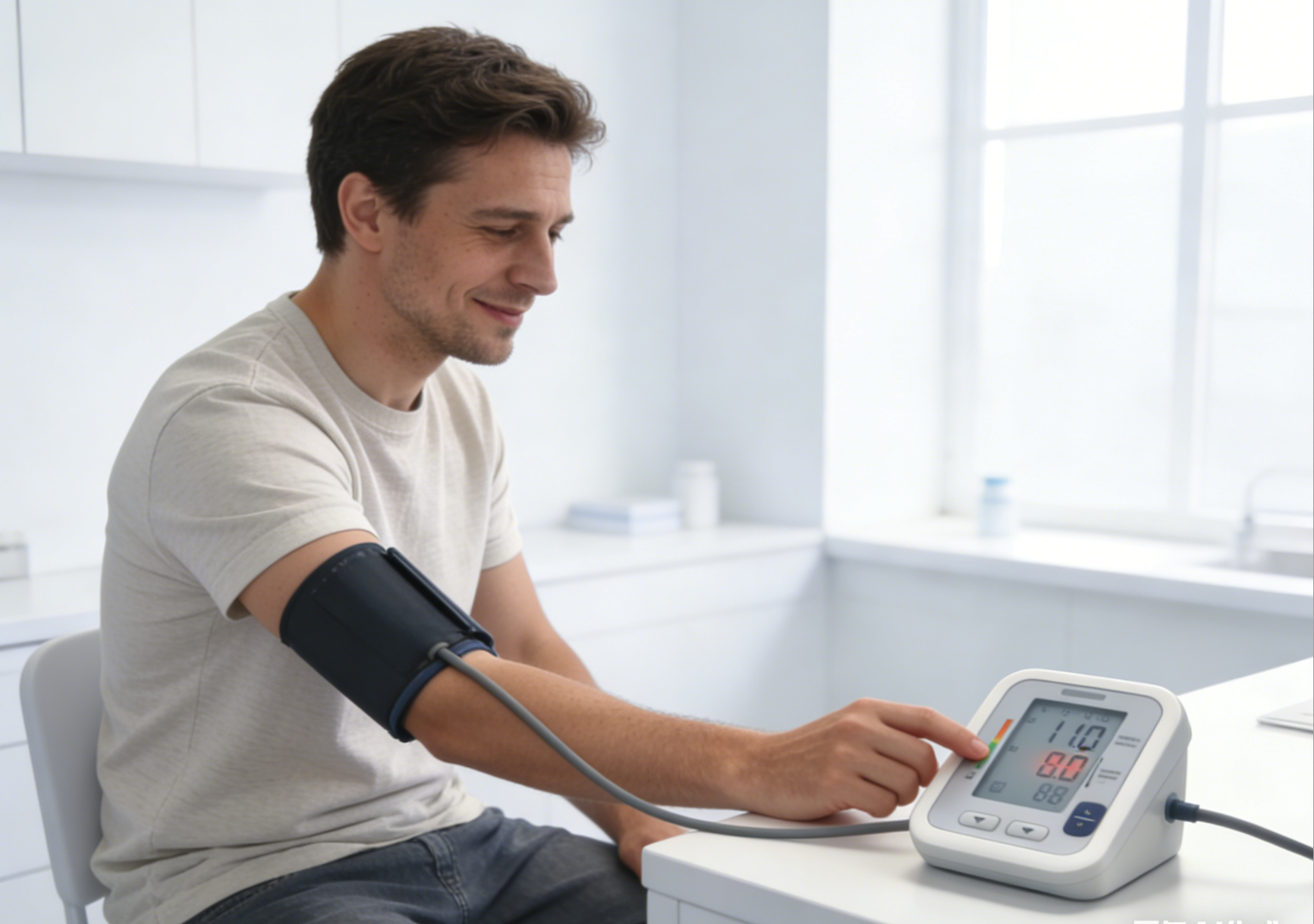
Detailed Explanation of Three Types of High Blood Pressure: Causes and Management of Abnormal High and Low Blood Pressure
This article provides a detailed analysis of three types of abnormal blood pressure: high diastolic pressure only, high systolic pressure only, and high systolic pressure in both cases. It explains the causes, corresponding population groups, and initial management strategies for each. Understanding these differences helps in targeted blood pressure management, timely control of blood pressure levels, and prevention of complications.
2026-03-04
Detailed Explanation of Five Major Categories of Antihypertensive Drugs: How to Choose Scientifically and Precautions
This article provides a detailed analysis of five major classes of commonly used antihypertensive drugs in clinical practice, including dihydropyridine calcium channel blockers, ACE inhibitors, and angiotensin II receptor blockers (ARBs), explaining their respective applicable populations, mechanisms of action, and contraindications. Understanding this information helps in the scientific management of blood pressure under the guidance of a doctor; however, specific medication use must strictly adhere to the doctor's prescription.
2026-03-04
When is the best time to take antihypertensive drugs? New research reveals the impact of medication timing on blood pressure.
This article explores the optimal time to take antihypertensive drugs, analyzes the characteristics of short-acting, intermediate-acting, and long-acting antihypertensive drugs, and cites research indicating that taking medication at night may be more beneficial in controlling nighttime blood pressure, thereby helping patients manage their blood pressure levels more effectively.
2026-03-05