
Beware of Life's Pitfalls: The Real Costs of High Blood Pressure, High Cholesterol, and High Blood Sugar Through Salt Intake and Emotional Stress
Mr. Zhang's Awakening
Mr. Zhang, 42, had a respectable job, a virtuous wife, and a smart daughter. As his colleagues said, "Mr. Zhang has no worries about money (a high-level white-collar worker in a foreign company) – high salary; no worries about his career (his education is put to good use) – senior engineer; and no worries about his family (a virtuous wife and a smart daughter) – three stable things, truly enviable!" Mr. Zhang finished primary and secondary school in a small town in northern China. After the grueling "Black July" exams, he was admitted to a key university in the provincial capital. After graduating, he went to work for a foreign company on his teacher's recommendation. Through years of hard work, he rose from technician to engineer and then to senior engineer – a relatively smooth career path. Successful in his career and happy in his marriage, Mr. Zhang was always impeccably dressed and had a refined demeanor, but he maintained his northern eating habits – a love of salty food. He added a lot of salt to his dishes; salted radishes, salted garlic, and salted duck eggs were indispensable side dishes for his three meals a day. Day after day, year after year, Mr. Zhang's position and salary improved, and his standard of living improved as well, but his love of salty food remained unchanged. His wife, who grew up in a water town in southern China, repeatedly advised him to change his ways, but he wouldn't. He ignored her advice that "eating too much salt will raise your blood pressure." Not only did he not change, but he also argued, "My family has always loved salty food, and I've never heard of anyone getting high blood pressure." His virtuous wife, seeing that he wouldn't listen, stopped nagging, but simply used less salt when cooking. However, when the dishes lacked salt, Mr. Zhang complained that they weren't flavorful. This usually mild-mannered couple had many arguments, and if their daughter hadn't intervened, Mr. Zhang wouldn't have "stopped fighting." Just as Mr. Zhang was grumbling about his wife's refusal to let him eat "salty food," a company health check revealed that Mr. Zhang's blood pressure was abnormal, at 150/95 mmHg. Upon hearing this, Mr. Zhang refused to believe it, saying the doctor had made a mistake because he felt no discomfort. To ensure the well-being of employees with abnormal blood pressure, the company arranged for a doctor to monitor the blood pressure of Mr. Zhang and several others daily. After a week of monitoring, Mr. Zhang's blood pressure remained higher than normal. The doctor advised Mr. Zhang and the others to undergo hypertension treatment. During the treatment, the doctor not only prescribed medication but also provided education on hypertension prevention.
The doctor explained that after years of investigation and research, hypertension has multiple causes. The most significant factors include "overweight, obesity, excessive salt intake, genetics, psychological factors, and social factors." Following the doctor's advice, some of Mr. Zhang's colleagues changed their eating habits, consuming more bland foods; some lost weight; and others changed their attitudes towards fame and fortune, adopting a more balanced approach to job titles and positions. Only Mr. Zhang ignored the doctor's advice and continued his unhealthy eating habits (secretly adding salt to his food). He complained that he had never seen anyone die from eating too much salt! Afterward, Mr. Zhang frequently experienced "dizziness, blurred vision, and memory loss..." His wife urged him to take his medication regularly, but he only took it when he remembered and stopped when he felt better. He had always thought these symptoms were caused by working too long in the lab and had nothing to do with high blood pressure. (Alas! Wrong ideas and practices.) Later, the dizziness and blurred vision worsened, and his head ached constantly, so he finally went to the hospital. At the hospital, the doctor measured Zhang's blood pressure, which was already very high at 180/110 mmHg. The doctor also examined his fundus and found that the retinal arteries were constricted and had a small amount of bleeding. Zhang was immediately hospitalized. During his hospitalization, the doctors and nurses repeatedly explained to him why he needed to control his salt intake, why he needed to change his unhealthy eating habits, and why his high blood pressure medication couldn't be taken intermittently. The doctors' and nurses' words, along with the sudden death of a hypertensive patient in his ward from a heart attack, made Zhang suddenly realize the truth. Especially regrettable was the fact that he lost his long-awaited opportunity to go abroad for research while he was hospitalized. The enlightened Zhang said, "If I had known that excessive salt intake would affect blood pressure, I would never have eaten so much salt."
The World Health Organization (WHO) recommends that daily salt intake should be limited to 3-5 grams per person. Currently, the average salt intake in China is between 7-20 grams, significantly higher than the WHO's recommendation, with 90% of this coming from table salt, high-sodium seasonings, and pickled foods. It is also crucial to strictly follow the doctor's instructions and take medication on time (hypertensive medication should not be taken arbitrarily; failure to take medication as prescribed will worsen the condition). Mr. Zhang, realizing his mistake, said, "Luckily, I received timely treatment; otherwise, I would have lost not only the opportunity to travel abroad for business, but also my health, and even my life!" Note: Approximately 65% of hypertensive patients develop retinal lesions, which can alter vision; this should not be taken lightly!
Story Two: The General Manager Who Nearly Went Blind
In a coastal city, there was a well-known taxi company. This company was famous not only for its fleet of uniform red, domestically produced luxury cars and its excellent service, but also because its general manager was a beautiful and compassionate woman. She not only cared for her employees but was also passionate about public welfare. Recently, her grandmother, mother, and aunt, all living far away in her hometown, passed away one after another due to diabetes. The successive deaths of her loved ones dealt a heavy blow to her, and she remained immersed in grief for a long time.
Alas! Negative emotions can lower the body's resistance, leading to illness. For a period, her appetite decreased significantly. Although she never drank alcohol, she heard that getting drunk could help her forget her troubles, so she frequently raised her glass. The passing of her loved ones, the change in her eating habits, insomnia, alcoholism, and overwork caused this once-strong woman to suddenly fall ill. She also developed symptoms of "excessive eating, excessive drinking, excessive urination, and significant weight loss." She was diagnosed with high blood sugar, suspected to be diabetes. Further examination finally confirmed the diagnosis of diabetes. In the doctor's words, "Obesity, an unhealthy diet, lack of exercise, and poor mental state increase the risk of diabetes. This is especially true for those with a family history of diabetes; congenital abnormalities combined with acquired bad habits, emotional trauma, and overwork can trigger diabetes." The female manager, diagnosed with diabetes, became even more depressed. Her depression affected her treatment, and her husband urged her to take a break from work and recuperate in another city.
Prioritizing her "career," she ignored her husband's and doctor's advice, continuing to work tirelessly, completely forgetting her doctor's instructions to have her eye exam every 3-6 months. Recently, her vision had deteriorated somewhat, but she assumed it was normal for women over 40 to experience vision loss, so she didn't see a doctor.
Until one day, when her vision became significantly worse, and she could no longer see even words very close to her, she panicked and rushed to an ophthalmologist. The doctor told her, "She has diabetic retinopathy, and if left untreated, she risks blindness!" The doctor explained, "Diabetic retinopathy is a serious complication and one of the leading causes of blindness in developed countries. Diabetes can damage the arteries in the eye, leading to microaneurysms, exudates, and arteriovenous imbalances." In China, the number of diabetic patients with retinopathy is as follows: 38-39% develop the condition within 5 years of diagnosis; 50-57% develop it after 5-10 years; and 69-90% develop it after 10 years. Furthermore, the longer the diabetes lasts, the more severe the retinopathy becomes. In other words, the longer one has diabetes, the greater the risk of blindness! This scientific knowledge and the doctor's advice led the female manager to temporarily leave her job and be hospitalized for treatment. After a period of comprehensive treatment, her blood sugar levels are now largely under control, but further treatment is needed for her retinopathy. The female manager said with lingering fear, "Compared to career, health is more important than career, because health is the guarantee of a career." She added, "I'm healthy because I control my blood sugar! Diabetes not only took the lives of my grandmother, mother, and aunt, but it also nearly made me blind. High blood sugar and diabetes are truly silent killers!"

A Comprehensive Analysis of Diabetes Types: Blood Glucose Management from Type 1 to Pregnancy
This article provides a detailed analysis of the different characteristics and diagnostic criteria of type 1, type 2, and gestational diabetes mellitus, helping to understand the mechanisms by which each type affects blood glucose levels. Understanding typical clinical manifestations such as thirst and frequent urination is crucial for early identification and scientific management of blood glucose.
2026-03-09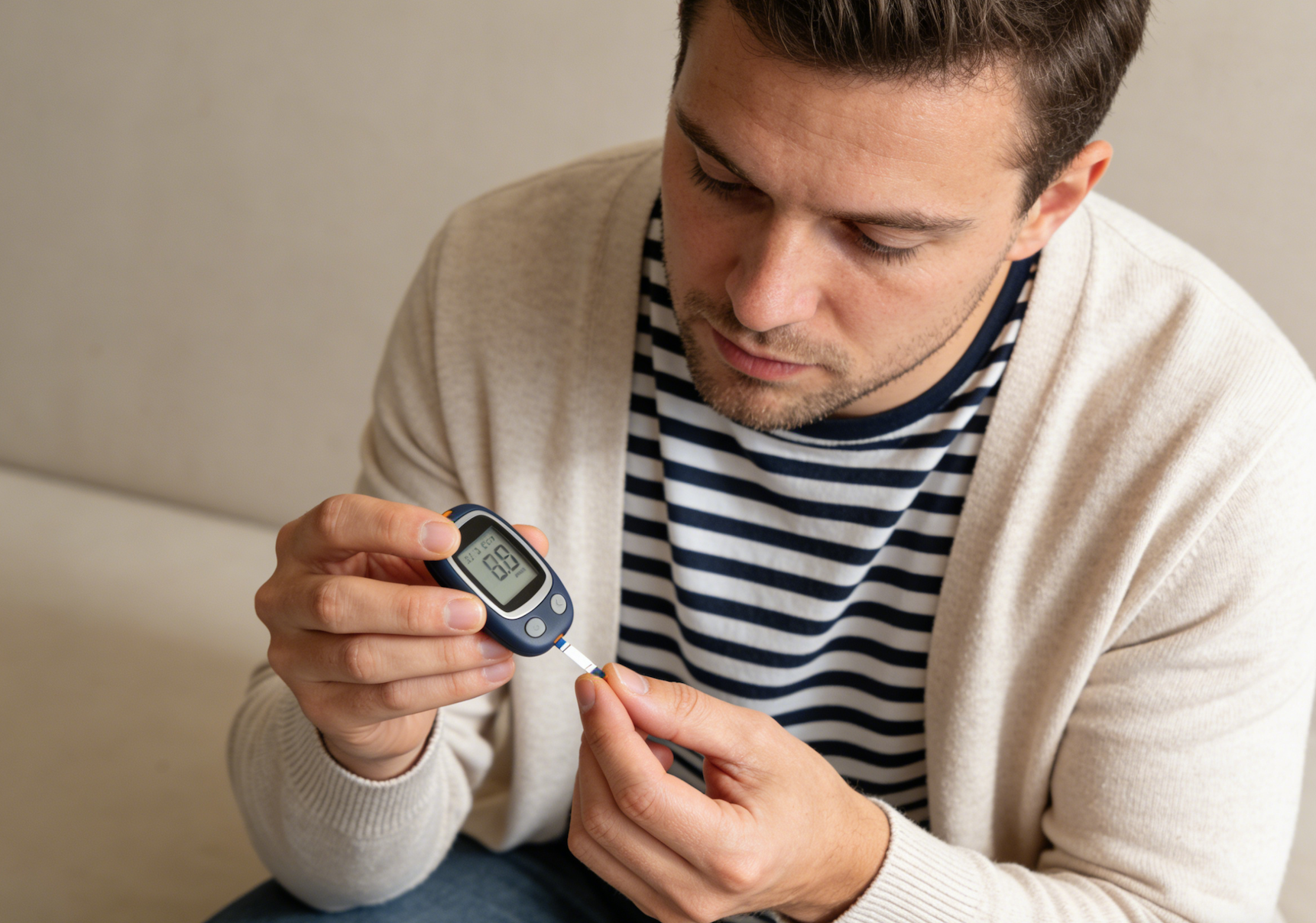
Five Stages of Diabetes: Analysis of Blood Glucose Changes and Complication Progression
This article provides a detailed analysis of the five stages of diabetes, from early-stage mild blood sugar abnormalities to late-stage severe complications. Each stage is based on blood sugar levels and the emergence of complications, helping to understand disease progression. Controlling blood sugar is key to preventing the worsening of complications, and regular blood sugar monitoring is essential.
2026-03-09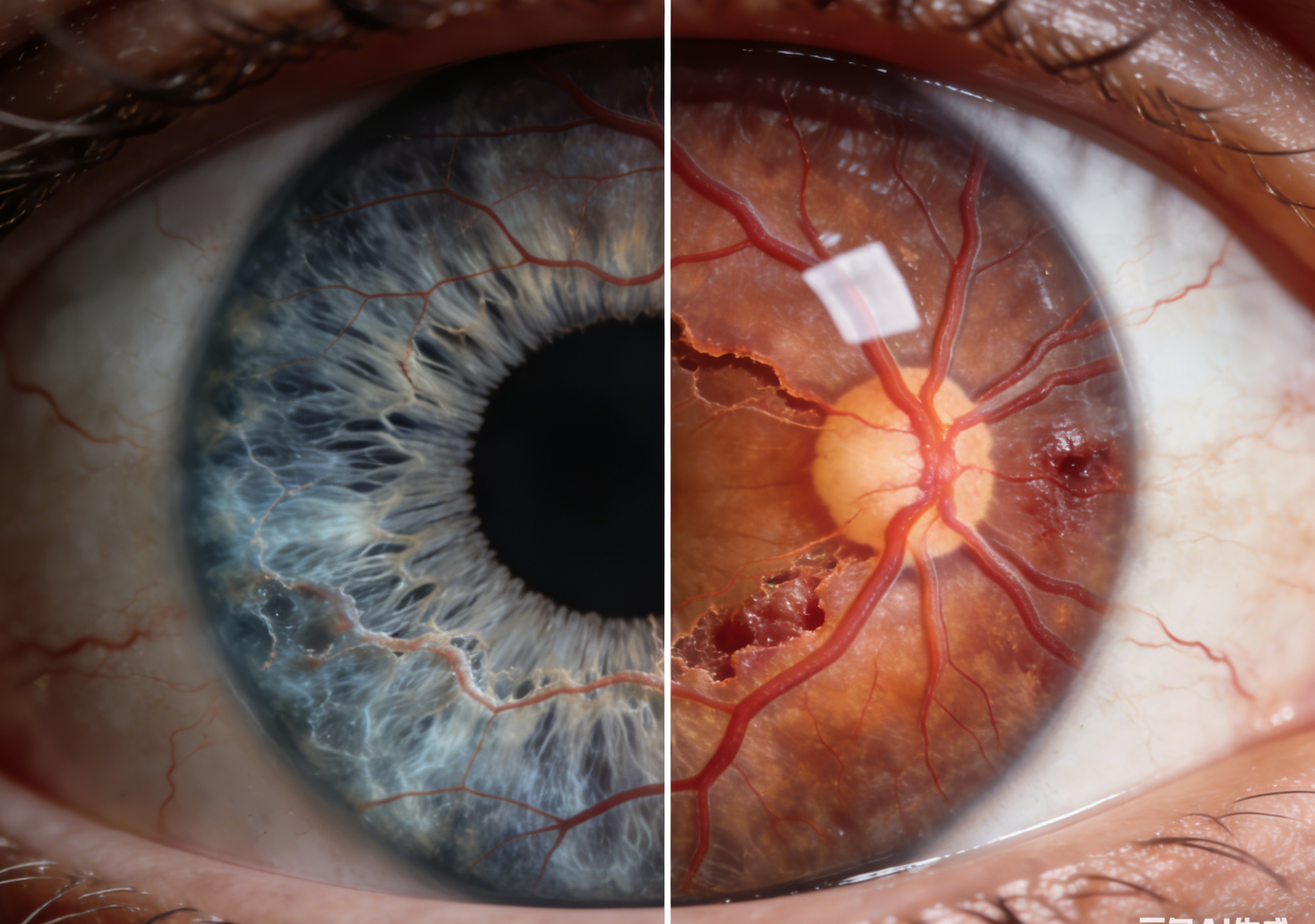
Detailed Explanation of Diabetes Complications: The Harm High Blood Sugar Causes to Seven Major Organs
This article details seven serious complications that can be caused by long-term hyperglycemia, including retinopathy, nephropathy, cardiovascular and cerebrovascular diseases, and diabetic foot. Understanding these risks helps diabetic patients pay attention to and actively control their blood sugar levels, effectively preventing or delaying the occurrence and development of complications through regular monitoring and standardized treatment.
2026-03-09