
The interconnected health crisis of hypertension, hyperlipidemia, and hyperglycemia: a profound threat from arteriosclerosis to cardiovascular and cerebrovascular diseases.
The "three highs" (hypertension, hyperlipidemia, and hyperglycemia) interact and cause significant harm. Currently, the prevalence of the "three highs" among people aged 35 and above in my country has risen to 38.2%, with the urban population suffering from the condition far exceeding that in rural areas. Nearly ten million people have suffered strokes or myocardial infarctions due to the "three highs," of whom 75% have experienced varying degrees of loss of labor capacity, and 40% are severely disabled. In my country's urban population, over 40% die from cardiovascular and cerebrovascular diseases.
In contrast, there is a low awareness, low medication rate, and low control rate of the "three highs" (hypertension, hyperlipidemia, and hyperglycemia). Surveys show that less than 30% of people know they have these conditions; most discover they have them incidentally during physical examinations or when they go to the hospital for checkups due to discomfort. Because the early symptoms of the "three highs" are not obvious and the onset is slow, many people don't pay attention, fail to adhere to medication regimens or don't use medication at all, and don't adjust their diet or lifestyle. As a result, by the time they discover they have the "three highs," the condition is often already quite serious.
Hyperlipidemia easily leads to atherosclerosis. Blood lipids are a general term for neutral fats (triglycerides and cholesterol) and lipids in blood plasma, and are widely present in the human body. They are essential substances for the basic metabolism of living cells. Generally speaking, the main components of blood lipids are triglycerides and cholesterol. When blood lipids are elevated, they will deposit on the arterial walls, thus causing arteriosclerosis.
Hyperlipidemia can lead to hypertension: When atherosclerosis develops, it can cause myocardial dysfunction, leading to the activation of angiotensin-converting enzyme, which in turn causes arterial spasms and induces the adrenal glands to secrete pressor hormones, resulting in elevated blood pressure. Other factors affecting blood pressure include peripheral vascular resistance, arterial wall elasticity, and blood viscosity, all of which are directly related to hyperlipidemia.
In healthy individuals, the inner lining of blood vessels is smooth and unobstructed. Elevated blood lipids lead to the gradual deposition of yellow, atherosclerotic plaques on the inner lining. Over time, these plaques rupture, bleed, narrow the lumen, and increase blood flow resistance, thus raising blood pressure. Furthermore, lipid deposition in the arterial intima can cause arteriosclerosis, weakening the elasticity of the blood vessel walls and further increasing blood pressure. Moreover, elevated blood lipids increase blood viscosity, further increasing blood flow resistance and thus raising blood pressure. Finally, hyperlipidemia can also reduce the sensitivity to antihypertensive drugs, making blood pressure lowering treatment more difficult. Therefore, treating hypertension should be combined with lowering blood lipids.
The mutually reinforcing relationship between hyperlipidemia and hyperglycemia: Many diabetic patients also have hyperlipidemia, so diabetes and hyperlipidemia are often referred to as sister diseases, and hyperlipidemia is considered a secondary complication of diabetes. Statistics show that approximately 40% of diabetic patients have lipid metabolism disorders, characterized by elevated triglycerides and decreased high-density lipoprotein (HDL). Diabetes-induced hyperlipidemia occurs because insufficient insulin in diabetic patients reduces the activity of lipases, thus easily leading to elevated blood lipid levels.
On the other hand, diabetes itself, in addition to disordered glucose metabolism, is also accompanied by disturbances in fat, protein, water, and electrolytes. Free fatty acids are frequently mobilized from fat stores, increasing the concentration of triglycerides and free fatty acids in the blood. Furthermore, type 2 diabetes patients often overeat and exercise too little, leading to increased lipid synthesis in the body, which also contributes to elevated blood lipids. Obese individuals with hyperlipidemia, due to a relative decrease in the number of insulin receptors, develop insulin resistance, making them more susceptible to developing diabetes.
Hyperlipidemia can lead to liver damage. Long-term hyperlipidemia can cause fatty liver, and damage to the hepatic artery due to atherosclerosis, as well as damage to the liver lobules, will change the structure, leading to cirrhosis and impairing liver function.
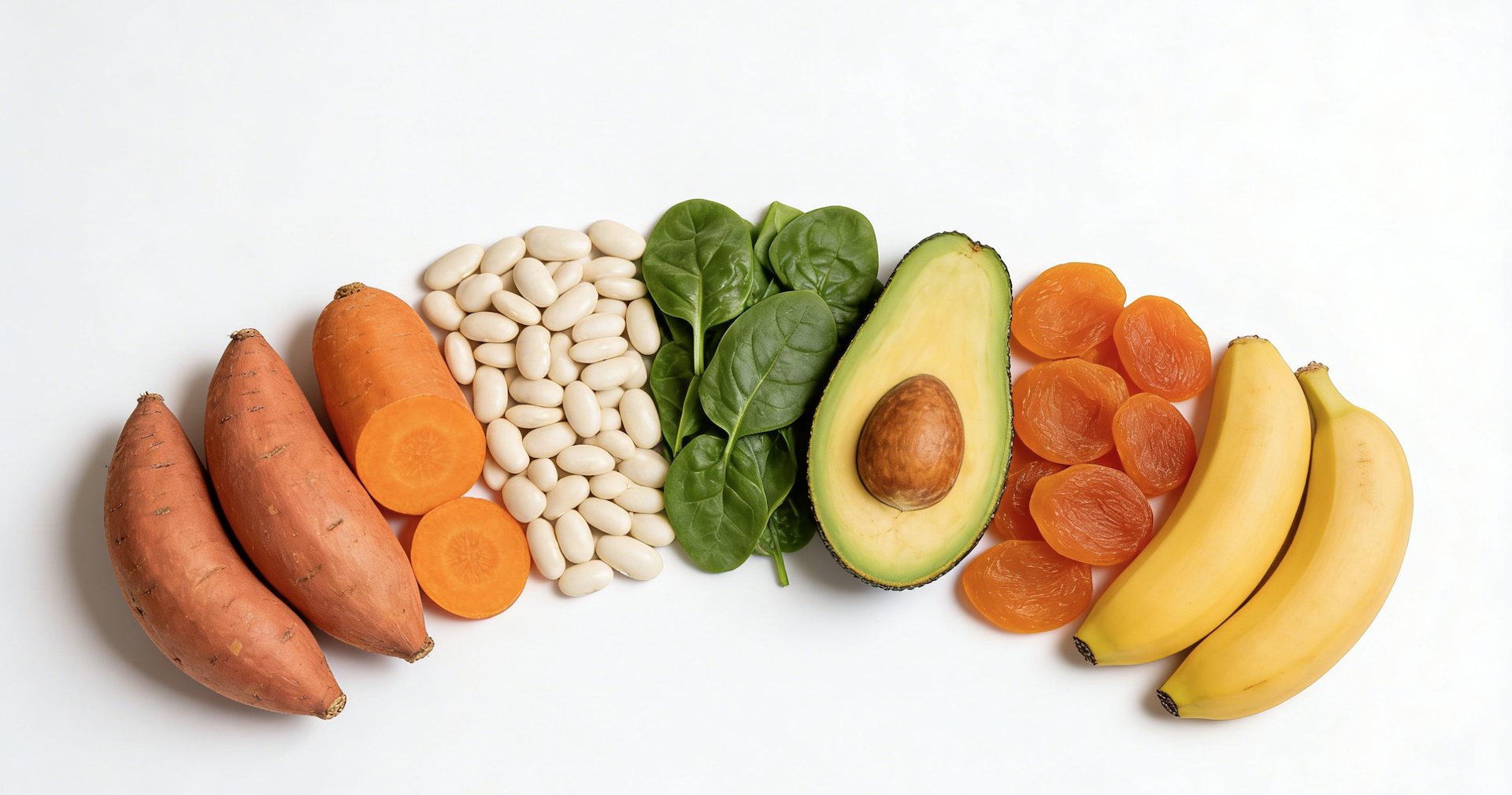
Dietary Guidelines for Patients with Hypertension: Salt Restriction, Potassium Supplementation, and Dietary Structure Adjustment Plan
This article provides scientific dietary guidance for patients with hypertension, emphasizing core principles such as limiting sodium, controlling fat intake, increasing potassium and calcium intake, and controlling calorie consumption. Reasonable dietary adjustments can effectively help lower and stabilize blood pressure levels, and are an important component of non-pharmacological treatment for hypertension.
2026-01-20
Essential reading for people with hypertension: Weight loss, quitting smoking, and limiting alcohol consumption are crucial for controlling blood pressure.
This article explores in detail the crucial roles of weight loss, smoking cessation, and alcohol limitation in blood pressure management. Studies have shown that being overweight and drinking alcohol are significant risk factors for elevated blood pressure, and that scientific weight loss and strict alcohol limitation can effectively lower blood pressure. These non-pharmacological interventions have significant benefits for hypertensive patients in controlling blood pressure and preventing complications.
2026-01-20
Moderate exercise and mental balance: two major non-drug therapies for patients with hypertension
This article details how moderate exercise and mental well-being can be effective non-pharmacological therapies for patients with hypertension. Regular exercise helps lower blood pressure and improve cardiovascular health, while maintaining mental well-being can reduce the adverse effects of emotional fluctuations on blood pressure. The combination of both is crucial for long-term stable blood pressure control.
2026-01-20