
Weight Loss and Blood Pressure Stabilization: Guidelines for Post-Exercise Care and Music Therapy for Hypertensive Patients
Hypertensive patients should not eat immediately after exercise.
During exercise, the sympathetic nervous system is highly excited, while the parasympathetic nervous system is inhibited. This effect strengthens heart activity and increases blood flow to skeletal muscles to ensure the muscles can function properly. During exercise, blood vessels in the gastrointestinal tract constrict, reducing blood flow and digestive capacity. This effect gradually recovers after exercise. If hypertensive patients eat immediately after exercise, the reduced blood flow, weakened peristalsis, and decreased secretion of digestive juices mean food cannot be digested and absorbed promptly, remaining in the stomach and potentially causing stomach cramps due to stretching of the gastric mucosa. Therefore, it is best to allow cardiopulmonary function to stabilize and gastrointestinal function to gradually recover before eating. This recovery period should be about half an hour; if more strenuous exercise is performed in the afternoon, this time should be longer.
Hypertensive patients should not smoke immediately after exercise. Smoking immediately after exercise reduces the amount of oxygen inhaled into the lungs, leading to insufficient oxygen supply and symptoms such as chest tightness, shortness of breath, dizziness, and elevated blood pressure.
Hypertensive patients should not consume cold drinks immediately after exercise. Consuming cold drinks immediately after exercise can cause gastrointestinal discomfort, leading to symptoms such as abdominal pain and diarrhea.
Hypertensive patients should not squat immediately after exercise. Squatting immediately after exercise hinders blood flow back to the heart from the lower limbs, affecting overall blood circulation and causing fluctuations in blood pressure.
Soft music can relieve stress. Music is a panacea, a powerful force that can awaken the soul. In times of despair, beautiful music can uplift the spirit and foster a positive attitude towards life; in times of anxiety, beautiful music, like a gentle hand, can soothe agitated emotions. At work, when pressure strikes and we are trapped in narrow-minded thinking, music can allow us to forget our anxieties in the vast space of our subconscious, thus relieving mental stress.
Music is a friend of humanity, a remedy for the soul. Music expresses human thoughts and feelings through rhythmic sounds. Music therapy is a type of natural therapy that can increase the excitability of the cerebral cortex and improve negative emotions. This is a treatment method that utilizes music to regulate a person's vital energy, balance Yin and Yang, and promote healing. Many chapters in traditional Chinese medicine discuss how music can influence a person's emotions, personality, will, and behavior, and how it can be used to treat diseases. For example, the classic Chinese medicine text *Huangdi Neijing* records the experience of using music with different musical scales (Gong, Shang, Jiao, Zhi, Yu) to treat different diseases. Traditional Chinese medicine also has the concepts of "using music as medicine" and "treating the symptoms."
Music can influence the body's biological functions through its tones. Music acts on the body through rhythmic tones, affecting the body's tissues and organs. For example, if the vibration frequency, rhythm, and intensity of music match the corresponding vibration frequency within the body—a phenomenon known as resonance—it can trigger a strong bodily response, thereby stimulating the body's potential energy and transforming static energy into dynamic energy. Furthermore, the rhythm, frequency, and dynamics of music can induce excitation, sedation, analgesia, lowering blood pressure, lowering blood sugar, and lowering blood lipids, thus achieving a healing effect and accelerating the body's recovery.
Soothing music can lower blood pressure.
For patients with hypertension, playing beautiful music after work and meditating or reflecting on the music can relax the mind and body, thus changing one's mental state and achieving a powerful blood pressure-lowering effect. It helps people reduce stress and relieve worries.
Although soothing music has a blood pressure-lowering effect, it must be chosen according to one's own situation; otherwise, it may not have the desired effect. Music can generate positive energy in the mind, allowing chaotic thoughts to gradually settle and stress to be relieved unconsciously.
Music therapy can treat hypertension.
Beautiful and pleasant music can not only cultivate one's temperament and refine one's character, but also help maintain a good and optimistic mood, achieving the purpose of preventing and treating diseases and improving human health. For patients with hypertension, listening to appropriate music can lower blood pressure.
(1) Music can lower blood pressure mainly because
① Music therapy does not rely on any drugs and is a very ideal "natural health care method."
② Adhering to music therapy is a prerequisite for producing good hypertension treatment effects. ③ Music therapy can eliminate anxiety in hypertensive patients, restore psychological tension to a calm state, and help stabilize blood pressure.
④ Music therapy can bring calmness, pleasure, and relaxation, thereby producing effects such as lowering blood pressure and calming the nerves.
(2) Specific methods for lowering blood pressure with music
① It is best to wash your face before listening to music to clear your mind; or rub your hands together to warm them and massage your face with your palms for a few minutes.
② Close your eyes and rest, sit quietly for a while, or take a few deep breaths.
③ The duration of each music listening session should not be too long or too short, generally 30-60 minutes each time, 2-3 times a day.
④ Those with indigestion can receive treatment during or after meals; those with insomnia can receive treatment before bedtime.
While music therapy is beneficial, certain principles should be observed.
For hypertensive patients, not all music can achieve the effect of lowering blood pressure. Therefore, hypertensive patients should pay attention to the following when selecting music:
① Choose music that suits your temperament, as this will improve the treatment effect. ② The bass notes should be deep, rich, and full of content; the timbre of the middle and high notes should be infectious.
Music selection should be tailored to the individual to be effective.
(1) Selecting music according to mood
① When feeling depressed, choose Mozart's Symphony No. 40 in G minor, Bach's Mass in B minor, or Sibelius's Waltz of Sorrow.
② When feeling irritable and easily angered, choose pieces such as "Step by Step Higher," "Joyful," "Carnival," violin concertos like "Butterfly Lovers," "Dance of the Golden Snake," "Moon Reflected in the Second Spring," "Autumn Moon over the Han Palace," "March of the People's Liberation Army," "Royal Fireworks Music," and "Carmen Overture."
(2) Selecting music according to different effects
① For calming and soothing, choose pieces like "Wild Geese Descending on the Sandbank," "Frontier Song," "Su Wu Herding Sheep," and "Little Peach Blossom."
② For venting and relieving anger, choose pieces like "Red River Water," "Little Hu Jia," and "Moon Reflected in the Second Spring." ③ For nourishing the mind and improving intelligence, choose pieces such as "Yangguan Sandie," "Spring River Flower Moon Night," "Jiangnan Silk and Bamboo," and "Birds Singing in the Empty Mountains."
④ For entertaining the spirit and promoting longevity, choose pieces such as "High Mountains and Flowing Water," "A Pleasant Evening," "Three Variations on Plum Blossom," "Yizhen," "The Drunken Old Man's Song," and "Hundred Birds' Song."
⑤ For stimulating and relieving depression, choose pieces such as "Holiday Beach," "Happy Reunion," and "Adding Flowers to Brocade."
⑥ For inducing sleep, choose pieces such as "Lullaby," "Midsummer's Dream," or "Dream."
(3) Choosing music according to the syndrome type of hypertension:
① For hypertension of the liver and kidney yin deficiency type, choose traditional music such as "Three Variations on Plum Blossom," "Suzhou Journey," "Moon Reflected in the Second Spring," "Pastoral Song," and "Flowing Water."
② For hypertension of the yin deficiency and yang hyperactivity type and the liver yang hyperactivity type, choose Brahms' "Lullaby," Saint-Saëns' "The Swan," Debussy's "Clair de Lune," Haydn's "Serenade," etc., or Chinese folk music such as "Autumn Moon Over the Calm Lake," "Fisherman's Song at Dusk," and "Autumn Moon Over the Han Palace." ③ For hypertension of the Yin-Yang deficiency type, choose gentle, graceful, delicate, and flowing melodies, such as "Spring River Flower Moon Night," "Listening to the Pines," "Partridge Flying," "Birds Singing in the Empty Mountain," "Hundred Birds Paying Homage to the Phoenix," "Yangguan Sandie," and "Wild Geese Descending on the Sandbank."
④ For hypertension of the phlegm-dampness obstruction type, choose melodies that are pleasant, rhythmic, and have the effects of relieving depression and resolving phlegm, such as "Joyful Celebration," "Flowers Bloom and the Moon is Full," "Full Garden of Fragrance," "Rain Hitting the Banana Leaves," "Fresh Flower Tune," and "River Water."

How to assess the effectiveness of lipid-lowering medications: Lipid management standards and safety guidelines.
This article introduces the criteria for evaluating the effectiveness of lipid-lowering medications, including their effects on blood lipid levels, their role in reducing cardiovascular risk, and safety assessments. It helps patients understand how to scientifically evaluate whether lipid-lowering treatment is effective, emphasizes the need for long-term adherence to treatment for high cholesterol, and identifies specific groups for whom cholesterol-lowering treatment is not recommended.
2026-03-12
Four important precautions and long-term monitoring guidelines for taking lipid-lowering medications.
This article details four crucial aspects that patients with hyperlipidemia must consider when taking lipid-lowering medications: risk-based medication selection, choosing the right medication, appropriate dosage, and the importance of not discontinuing medication without consulting a doctor. It emphasizes the importance of long-term, standardized treatment and regular monitoring of blood lipid levels and liver and kidney function to safely and effectively manage blood lipid levels and prevent cardiovascular disease.
2026-03-12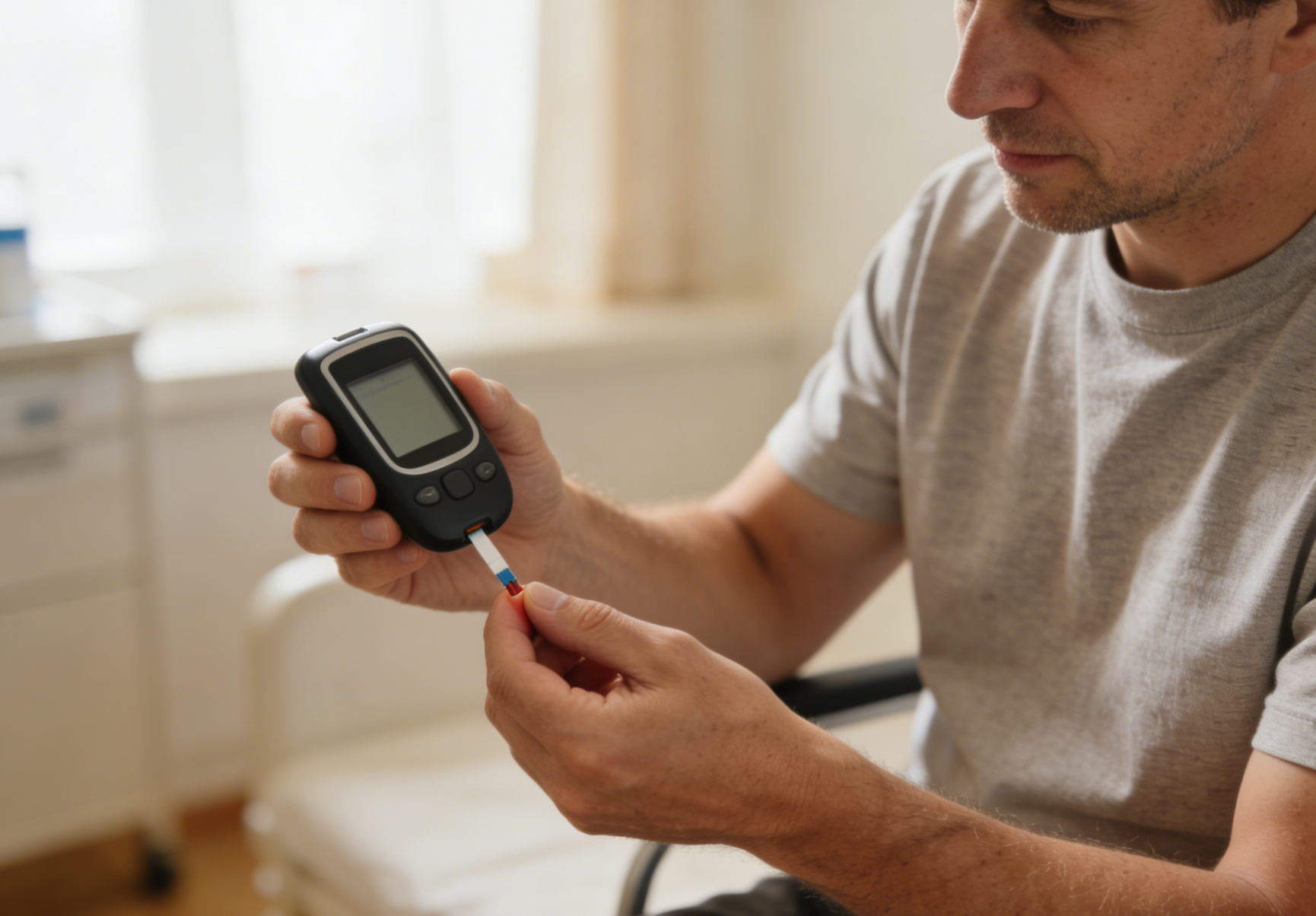
A comprehensive analysis of diabetes complications: From testing to prevention and blood sugar management.
This article provides a detailed explanation of the types and diagnostic methods of diabetic complications, focusing on the symptoms and management of acute complications such as diabetic ketoacidosis. It emphasizes that long-term, stable blood sugar control is crucial for preventing complications and offers systematic blood sugar management strategies to help diabetic patients effectively reduce health risks.
2026-03-11