
Debunking Eight Myths: Common Misconceptions About Cardiovascular Disease
These claims about cardiovascular disease are all rumors:
Rumor 1: Taking 10 compound Danshen dripping pills, aspirin, or nitroglycerin sublingually will immediately relieve chest pain.
Many diseases can cause acute chest pain, such as myocardial infarction, aortic dissection, pulmonary embolism, and pneumothorax. Nitroglycerin lowers blood pressure; if myocardial infarction is accompanied by low blood pressure, taking nitroglycerin will worsen the symptoms of low blood pressure. Aspirin is an antiplatelet aggregation drug that can prevent thrombosis; if chest pain is caused by aortic dissection, taking aspirin will only exacerbate the condition. Therefore, the correct approach when experiencing chest pain is to reduce activity and immediately call 120 for emergency medical assistance.
Rumor 2: Wu's Blood Pressure Calculation Method is More Accurate
The "Wu's Blood Pressure Calculation Method," widely circulated online, is claimed to be a method for calculating hypertension developed by a person named Wu Hong'an using advanced mathematics. Normal blood pressure values are not derived from formulas or the "wisdom" of any expert, but are determined through the results of hundreds of thousands of clinical trials. These values are proven to be most beneficial for patient prognosis, minimizing the risk of cardiovascular, cerebrovascular, and renal complications caused by hypertension.
Myth 3: Antihypertensive drugs are addictive; once you start taking them, you can't stop.
Drug dependence refers to the phenomenon where, after long-term use of a certain medication, specific symptoms appear upon cessation. The common saying that "blood pressure rises again as soon as antihypertensive medication is stopped" is not drug dependence.
Once hypertension is diagnosed, it is incurable and requires medication to control blood pressure to target levels. The goal is to reduce long-term damage to the heart, brain, and kidneys caused by hypertension. Grade II and above hypertension often cannot be controlled to a normal range through lifestyle changes and requires medication. While there are no withdrawal symptoms after stopping antihypertensive medication, blood pressure will rise again once the medication is metabolized. Therefore, once diagnosed with hypertension, patients should take medication for life.
Myth 4: Patients with coronary heart disease cannot eat egg yolks or meat.
One-third of abnormal blood lipids are due to diet, and two-thirds are due to metabolic problems. Therefore, a vegetarian diet can also lead to coronary heart disease. A balanced diet with a mix of meat and vegetables, and controlling the total intake of meat and eggs, is the correct approach.
Myth 5: Long-term use of aspirin will thin blood vessels.
Aspirin has an anti-platelet aggregation effect but has no effect on the structure of blood vessels themselves.
Myth 6: Raw peanuts can lower blood pressure, and peanut skins can replenish blood.
Peanuts are just a food, not a medicine. They cannot lower blood pressure, lower blood lipids, or cure diseases.
Myth 7: People with heart disease should eat more deep-sea fish oil and coenzyme Q10.
Whether deep-sea fish oil is beneficial for heart disease patients is still controversial. Coenzyme Q10 is indeed a cardiac energy drug, but the body's utilization is limited. If large amounts of nutrients are ingested, excess nutrients will be converted into fat and stored in the body, causing elevated blood lipids and exacerbating atherosclerosis.
Myth 8: Bananas can relieve constipation. Bananas, especially the slightly astringent, unripe kind, contain tannins. This substance has a strong astringent effect, absorbing water from food in the intestines and hardening stool, thus causing constipation. Therefore, bananas not only do not relieve constipation, but unripe bananas can worsen it.
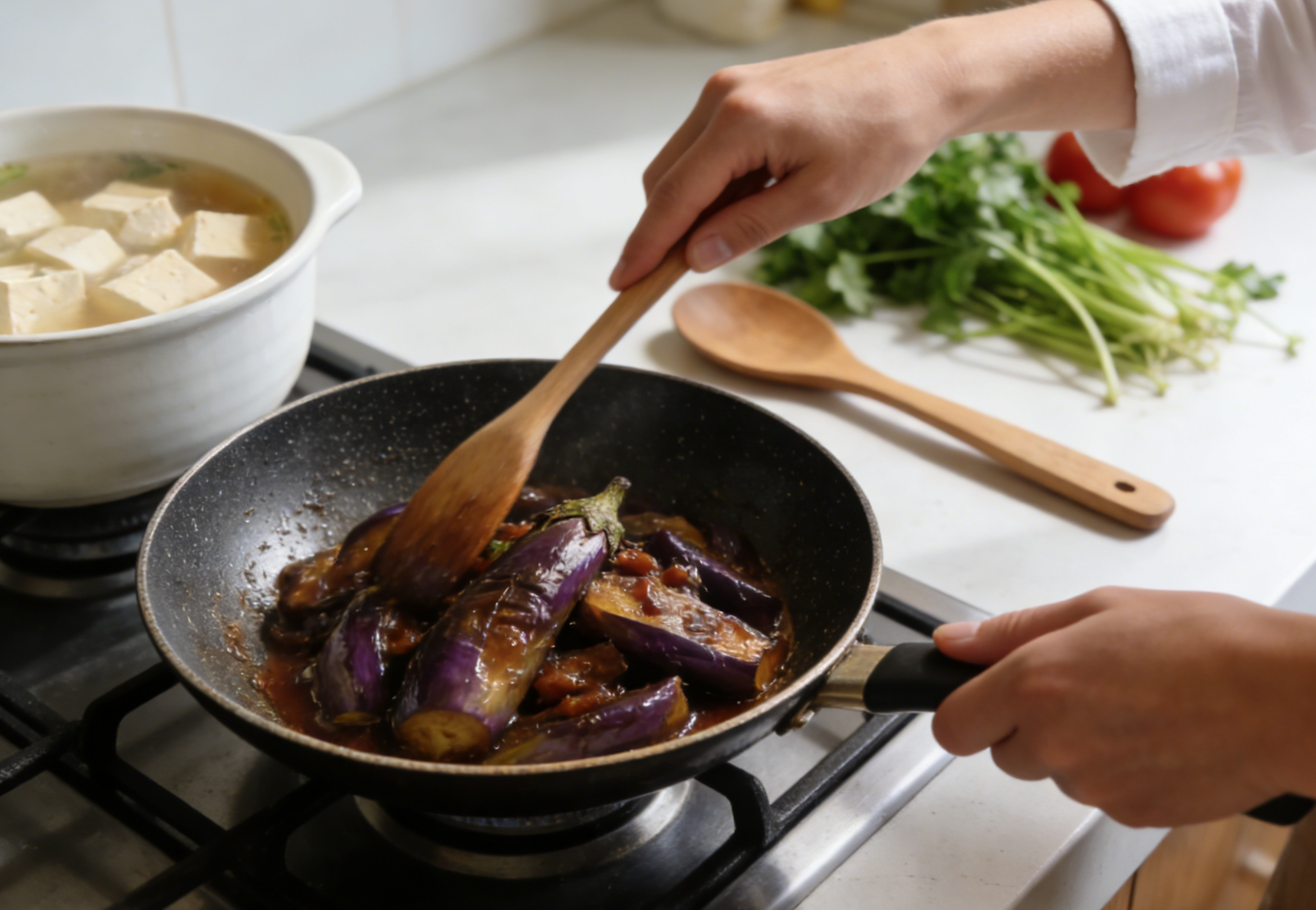
Essential for people with high cholesterol: Four cholesterol-lowering recipes and detailed cooking instructions
This article selects four healthy recipes for patients with high cholesterol, detailing their cooking methods and their effects in helping to lower cholesterol. Understanding how to scientifically manage cholesterol levels through daily diet, such as consuming tofu and eggplant, is an important way to control cholesterol and improve health.
2026-03-05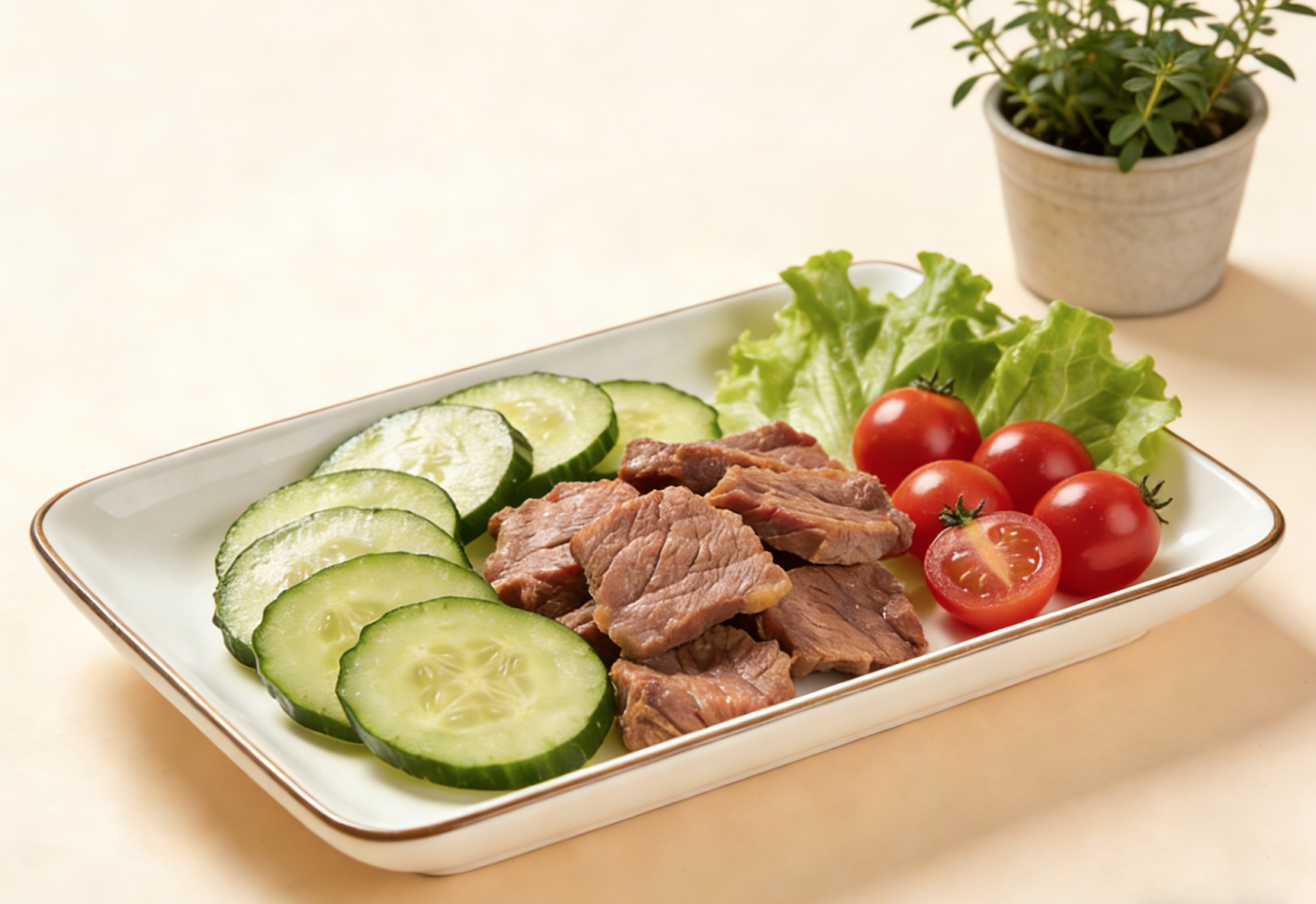
Five easy-to-make recipes and cooking methods for lowering cholesterol in patients with high blood lipids
This article provides five easy-to-make recipes for lowering cholesterol in individuals with high blood lipids, detailing the preparation of dishes such as perilla sardines and cold spinach and oyster salad, and their benefits for blood lipids. Understanding these healthy cooking methods can help improve blood lipid levels through daily diet and achieve scientific management.
2026-03-06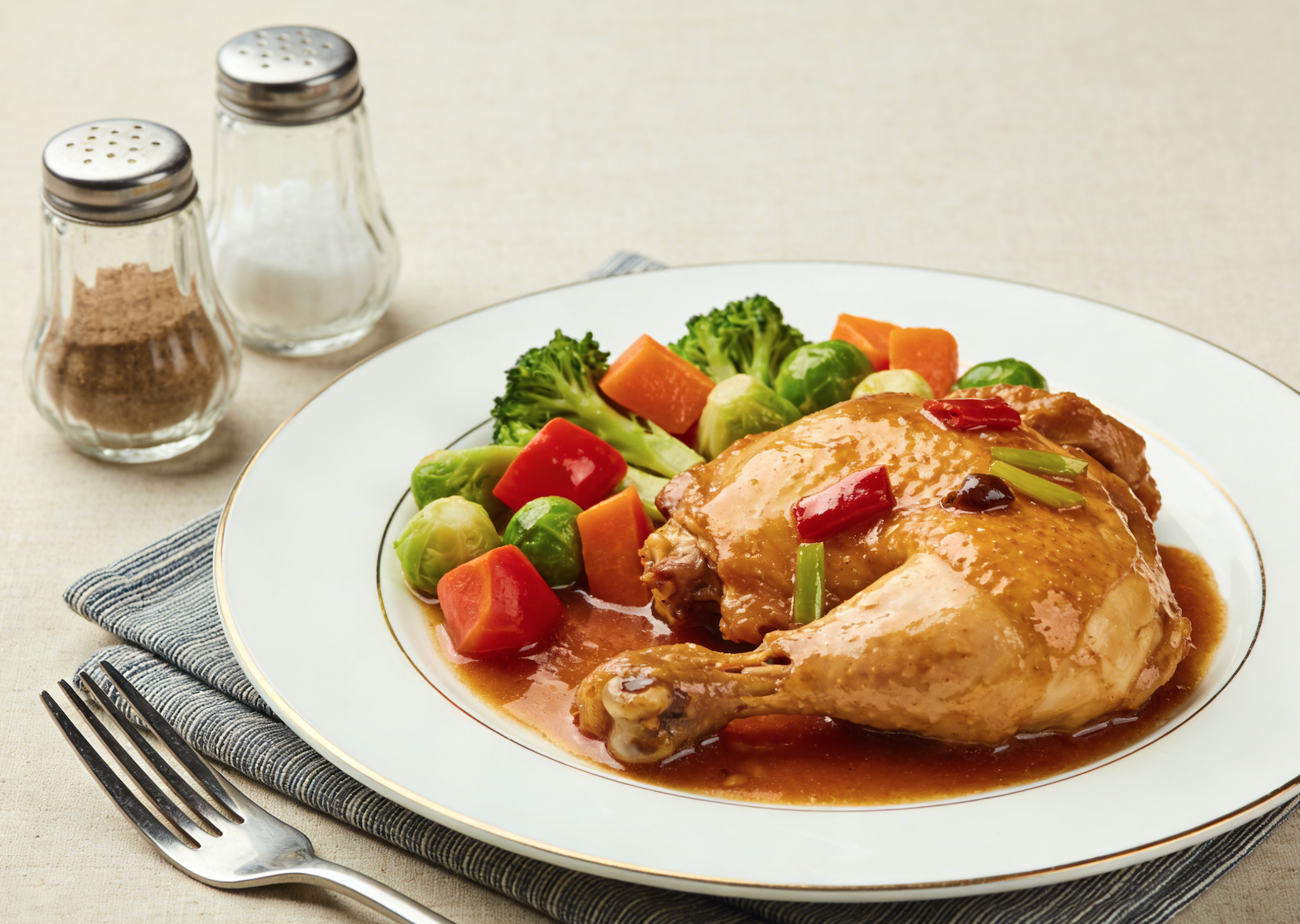
Four easy home-cooked recipes for people with high cholesterol and their health benefits
This article selects four practical home-style recipes for patients with high cholesterol, including low-fat, high-protein dishes such as crucian carp and chicken. These healthy cooking methods can help control and improve cholesterol levels and are an important part of scientifically managing cholesterol in daily diet.
2026-03-06