
Weight Loss and Vascular Protection: A Guide to Hypertension Medication and Seasonal Management
There are contraindications and precautions for taking hypertension medication.
Hypertensive patients should be aware of adverse drug reactions when taking medication, and the dosage should start from a low level. Most hypertensive patients need to take maintenance doses long-term, but it is important to note that blood pressure should not be lowered too much or too quickly, especially for patients with long-term severe hypertension and the elderly. Therefore, family members of hypertensive patients should observe whether the patient experiences any adverse reactions after starting medication treatment, and allow the doctor to adjust the medication accordingly; they should also supervise the patient to take the medication as prescribed, and not increase or decrease the dosage based on their own feelings; medication should be taken on time, and patients should not forget to take their medication or make up for the missed dose at the next dose, and should never suddenly stop taking medication on their own.
Hypertension has many complications, and it's crucial to distinguish between different medications. The main complications of hypertension include cerebrovascular diseases, hypertensive heart disease, coronary heart disease, and uremia. Therefore, patients and their families should pay close attention to prevention and observation. This includes noting the nature of headaches, mental state, vision, and speech ability—symptoms of cerebrovascular disease; observing for symptoms of cardiac damage such as shortness of breath, cough, frothy sputum, and sudden sternal pain; monitoring changes in urine output, the ratio of daytime to nighttime urine output, and edema; and referring to renal function tests such as serum creatinine to detect renal insufficiency early. Regular outpatient follow-up is also necessary. Hypertension can easily relapse under certain circumstances, such as psychological trauma, excessive fatigue, over-excitement, or cold stimulation. Symptoms may include headache, irritability, palpitations, sweating, nausea, vomiting, paleness or flushing, blurred vision, convulsions, and coma. In such cases, family members should remain calm and have the patient immediately lie down with their head elevated at 45 degrees. Administer antihypertensive medications such as reserpine, compound antihypertensive tablets, or nifedipine (Adalat). Once the condition stabilizes, the patient should be taken to the hospital for further treatment. Summer Blood Pressure Fluctuations: Proper Combination of Antihypertensive Medications is Key. Human blood pressure fluctuates constantly. The daily pattern is that blood pressure peaks around 6 AM and 6 PM, slightly lower at midday, and reaches its lowest point around 2 AM. Throughout the year, blood pressure tends to be lower in summer. Therefore, in summer, the dosage of antihypertensive medications for hypertensive patients should be adjusted to avoid excessively low blood pressure, which can trigger cardiovascular complications. In particular, the use of diuretics and compound medications containing diuretics should be reduced. Diuretics should only be used intermittently when blood pressure control is unsatisfactory or when hypertensive heart failure has occurred.
Winter Tonic Herbs for Regulating Blood Pressure Imbalances. Traditional Chinese medicine believes that hypertension is due to an imbalance of Yin and Yang, Qi and Blood, involving the heart, liver, kidneys, and other organs. Every winter, people with chronic diseases or in a sub-healthy state can choose traditional Chinese medicine tonic herbs to regulate their imbalances. There is a saying in traditional Chinese medicine: "Winter tonics make you strong as a tiger next year." Patients with hypertension can consult a traditional Chinese medicine (TCM) doctor at a TCM hospital for a prescription of herbal paste. The TCM doctor will diagnose and treat according to your constitution and condition, providing a customized prescription. The paste is convenient to take, once or twice daily, and has excellent taste and efficacy, making it suitable for hypertension patients during winter.
Traditional Chinese Medicine Preparations with Significant Efficacy
(1) Gentian Root and Licorice Decoction Pills: This has the effect of clearing liver fire and purging damp heat. It is suitable for younger patients with shorter disease duration, presenting with symptoms such as headache, head distension, head heat, dark urine, red tongue with yellow coating, and other signs of liver heat. The dosage should be adjusted according to the severity of liver fire symptoms. Take 6-9g orally each time, 2-3 times daily.
(2) Angelica and Aloe Vera Pills: This has the effect of clearing liver fire, purging heat, and promoting bowel movements. It is suitable for patients with robust constitution, flushed face and red eyes, irritability, constipation, severe headache and dizziness, and even vomiting and convulsions, indicating excessive liver fire. Take 6g each time, 2-3 times a day, with warm water after meals.
(3) Nao Li Qing: Has the effect of calming the liver, suppressing yang, and lowering blood pressure. Used for hypertension of the qi and blood reversal type, with symptoms such as dizziness, headache, and brain swelling. Take 10-15 pills each time, 2-3 times a day, with warm water after meals.
(4) Yi An Ning Wan: Has the effect of tonifying qi and blood, benefiting the liver and kidneys, nourishing the heart and calming the mind. Treats chest tightness, shortness of breath, aversion to cold, cold limbs, and numbness of hands and feet caused by qi and blood deficiency and liver and kidney insufficiency. It also has a certain effect on insomnia, forgetfulness, fatigue, and weakness of the waist and knees. Made with ten famous and precious Chinese herbs, it is a very good traditional Chinese medicine for treating cardiovascular diseases. Take 1-2 times a day, 12-18 pills each time. Suitable for long-term use.
(5) Qing Nao Jiang Ya Pian : Has the comprehensive effects of nourishing yin and clearing the liver, suppressing yang, and lowering blood pressure. This formula is suitable for hypertension caused by liver yin deficiency and liver fire, characterized by dizziness, insomnia, irritability, tinnitus, hearing loss, and a red tongue with little coating. The dosage is 4-6 tablets per dose. It is contraindicated in pregnant women.
(6) Qi Ju Di Huang Wan (Lycium and Chrysanthemum Rehmannia Pill) has the effect of nourishing kidney yin and clearing liver heat. It is suitable for hypertension caused by kidney yin deficiency, characterized by dizziness, blurred vision, dry eyes, five-center heat (palms, soles, and chest), soreness and weakness of the lower back and knees, and is suitable for elderly and weak individuals with a long course of hypertension. The dosage is 9g per dose, twice daily. It is suitable for long-term use.
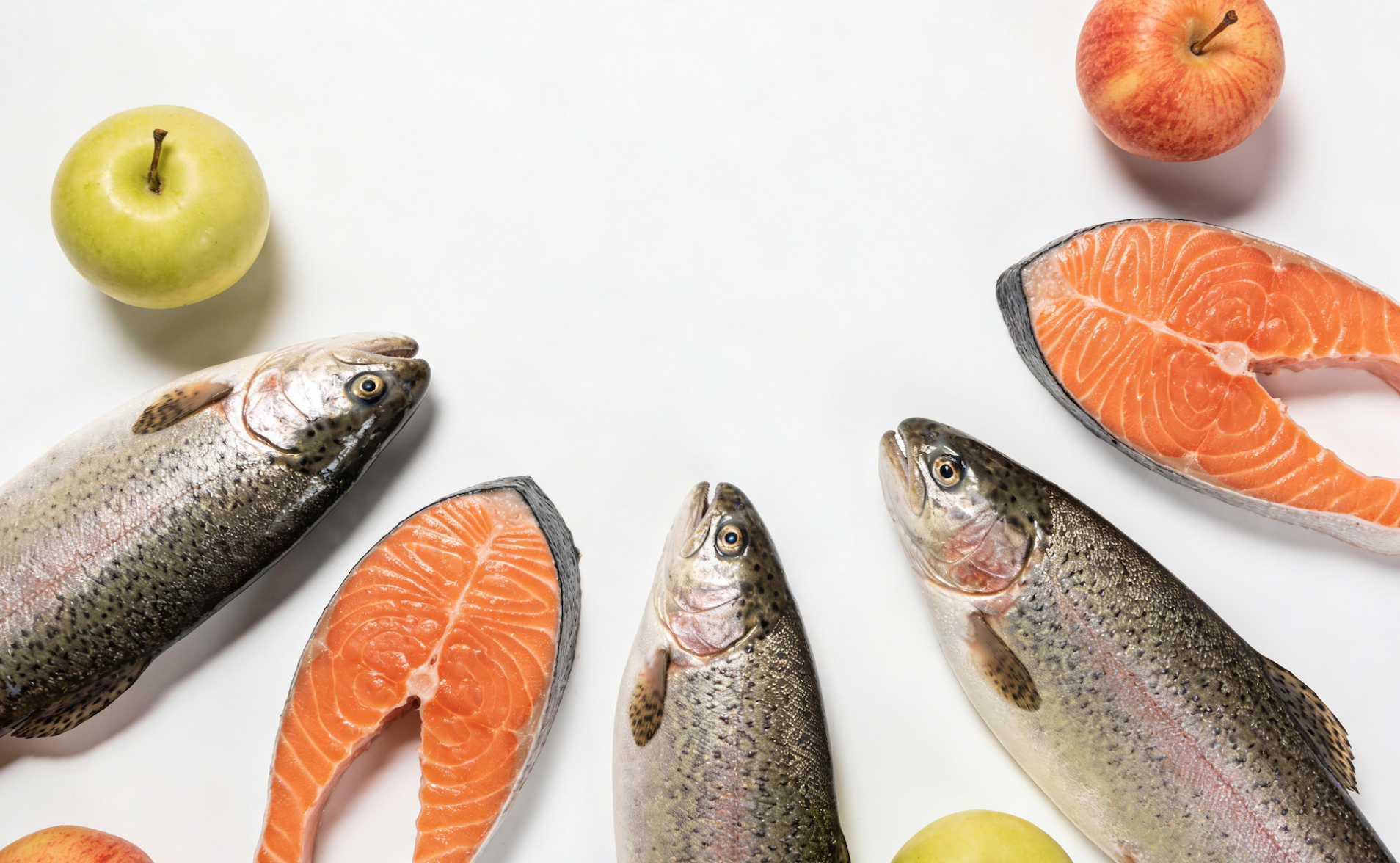
Freshwater fish and apples: How two everyday foods can effectively regulate blood lipid levels
Studies have shown that the EPA and DHA abundant in freshwater fish, along with components in apples, help lower blood cholesterol and triglycerides, thus effectively regulating blood lipids. Incorporating these two foods into your daily diet is a simple and effective way to help manage and improve blood lipid levels.
2026-02-28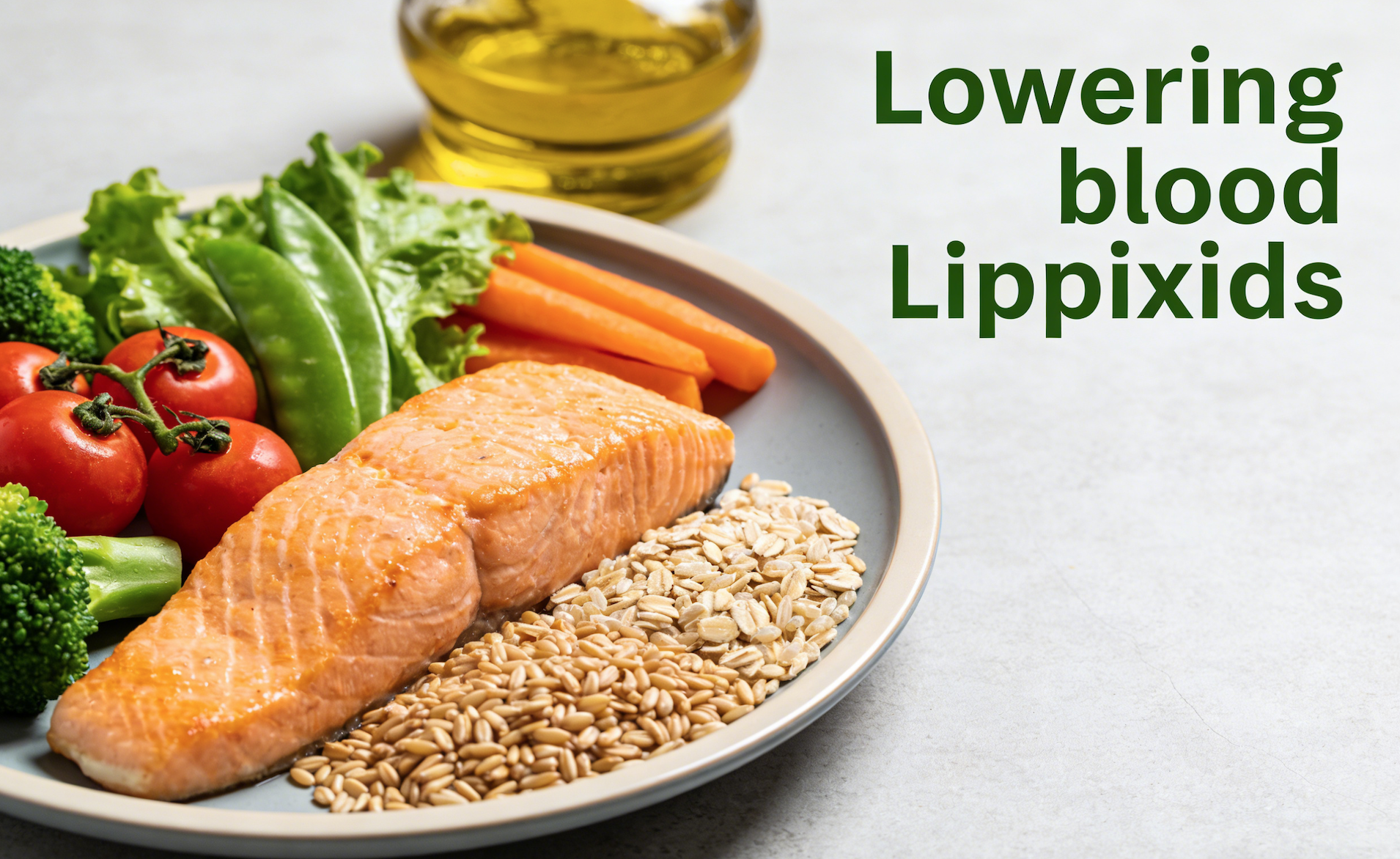
Cooking Guide for Patients with Hyperlipidemia: Analysis of Five Suitable and Four Unsuitable Cooking Methods
This article details five suitable healthy cooking methods (such as steaming and stewing) and four methods to be avoided (such as stir-frying and deep-frying) for patients with hyperlipidemia, clarifying the important auxiliary role of scientific cooking in controlling and stabilizing blood lipids. Choosing the right cooking method is a key aspect of dietary management.
2026-02-28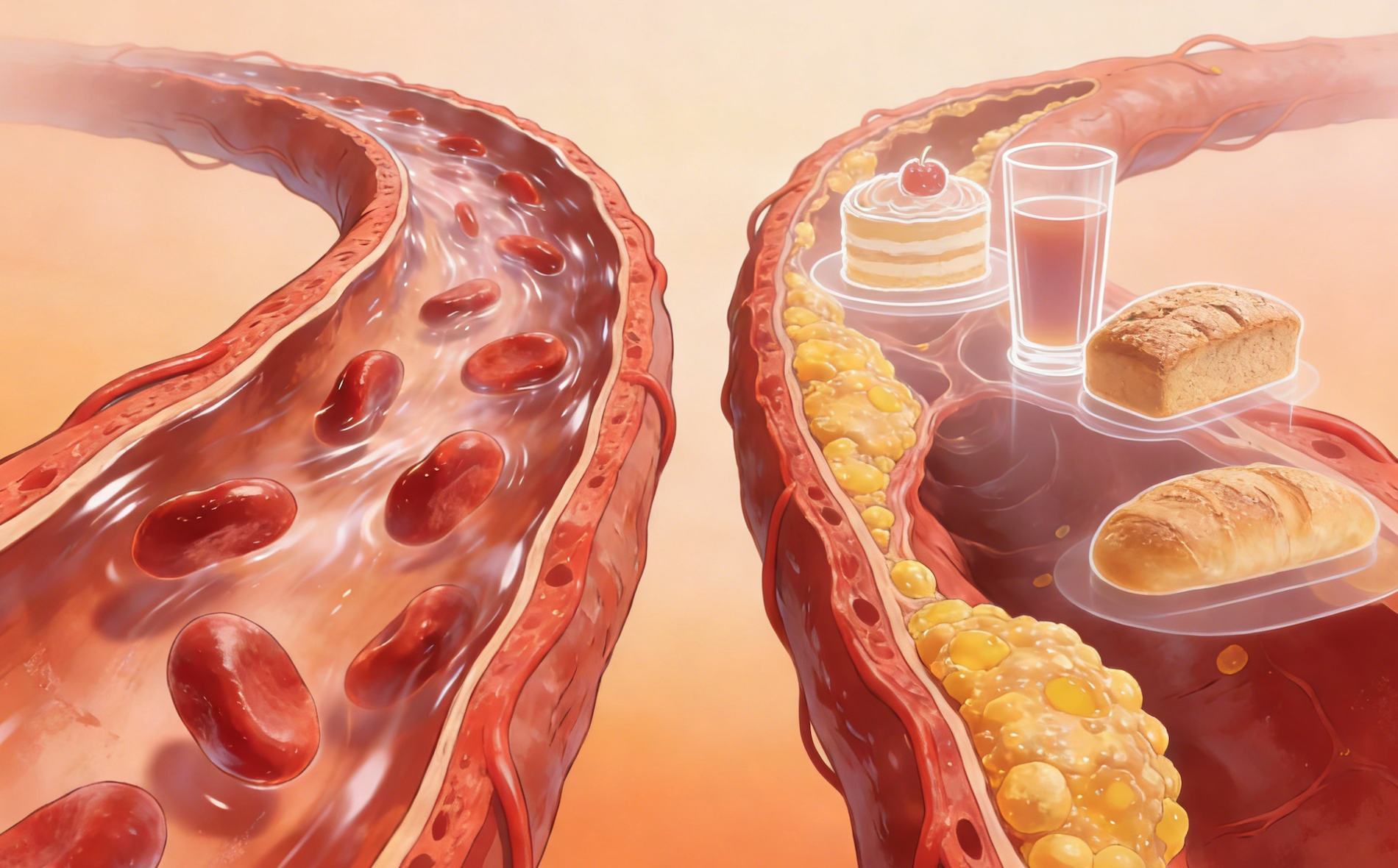
Why should patients with hyperlipidemia avoid sugary foods? An analysis of the impact of sugar on blood lipids.
This article explains in detail why patients with hyperlipidemia should avoid sugary foods, and how excessive sugar intake is converted into fat, leading to elevated blood lipids and subsequently cardiovascular diseases such as atherosclerosis. Understanding the dual impact of sugar on blood lipids is crucial for controlling and managing blood lipid levels.
2026-02-28