
Peanuts and duck meat help regulate blood pressure, blood sugar, and cholesterol: Analysis of their effects and recommended healthy recipes.
Peanuts are rich in unsaturated fatty acids. Also known as groundnuts or longevity nuts.
Taste and Properties: Sweet, neutral in nature; enters the spleen and lung meridians.
Recommended Consumption: 80-100 grams per meal.
Nutritional Components: Protein, carbohydrates, amino acids, unsaturated fatty acids, lecithin, choline, carotene, dietary fiber, vitamins, thiamine, resveratrol, riboflavin, niacin, calcium, phosphorus, iron, etc.
Benefits in Lowering Blood Pressure, Blood Sugar, and Cholesterol: The unsaturated fatty acids in peanuts help lower cholesterol. Resveratrol can reduce platelet aggregation, preventing and assisting in the treatment of cardiovascular and cerebrovascular diseases. Arachidonic acid enhances insulin sensitivity, helping to lower blood sugar. Furthermore, peanuts are low in sugar, making them suitable for type 2 diabetes patients and effectively reducing the incidence of diabetic complications.
Remedies:
1. High Blood Pressure: Soak peanut kernels in vinegar for more than 7 days, and take 7-10 kernels each night; or decoct fresh peanut leaves in water and drink as tea. 2. Cough with phlegm: 15 grams each of peanuts, lily bulbs, and North American ginseng. Boil in water, add a suitable amount of rock sugar, and consume three times daily.
3. Chronic nephritis: Peanuts (with skin).
Walnut, Peanut, and Milk Soup
Main ingredients: 50 grams each of walnuts, peanuts, and milk.
Seasoning: Appropriate amount of white sugar.
Instructions:
1. Roast the walnuts and peanuts until cooked, then grind them into powder.
2. Place a pot on the stove, pour in the milk, bring to a boil over high heat, add the ground walnuts and peanuts, simmer for 1 minute, then add white sugar and cook until dissolved.
Duck meat: Effectively lowers cholesterol. Also known as domestic duck meat or domestic quail meat.
Properties and channels: Sweet and salty in taste, cool in nature; enters the spleen, stomach, lung, and kidney channels. Recommended serving size: approximately 80 grams per meal.
Nutritional Components:
Protein, pantothenic acid, carbohydrates, cholesterol, vitamin A, vitamin B, vitamin E, thiamine, riboflavin, niacin, iron, copper, zinc, calcium, phosphorus, potassium, etc.
Duck meat is rich in unsaturated fatty acids, which can lower cholesterol. It is easily digestible and is a good choice for people with hypertension, hyperlipidemia, and diabetes.
Remedies:
1. Hypertension: One duck, gutted and cut into pieces; 60g of kelp, soaked and cleaned. Stew together in water until cooked, add a little salt to taste and consume.
2. Chronic Nephritis: One Muscovy duck, feathers and entrails removed, stuff 50g of garlic into the duck's abdomen, sew it up, cook until done, eat the meat and drink the soup. Eat one duck every two days, repeating several times.
3. Yin Deficiency Edema: One male Muscovy duck, feathers and entrails removed, or add pig's trotters or ham, cook until done and season to taste; or slice the duck meat and cook with rice porridge, season to taste and consume.
Nutritional Benefits: Duck protein has an amino acid composition similar to that of the human body, resulting in high bioavailability. Duck meat is also among the meats richest in vitamins A and B, with the offal containing even higher levels, particularly the liver. Duck meat also contains significant amounts of minerals such as iron, copper, and zinc, with duck liver being the richest source of iron.
Those with a weak constitution, those experiencing loss of appetite due to cold, stomach pain, watery diarrhea, lower back pain, or dysmenorrhea caused by cold, as well as those who are obese, have arteriosclerosis, or chronic enteritis should consume it sparingly. It is also not suitable for those with a cold.
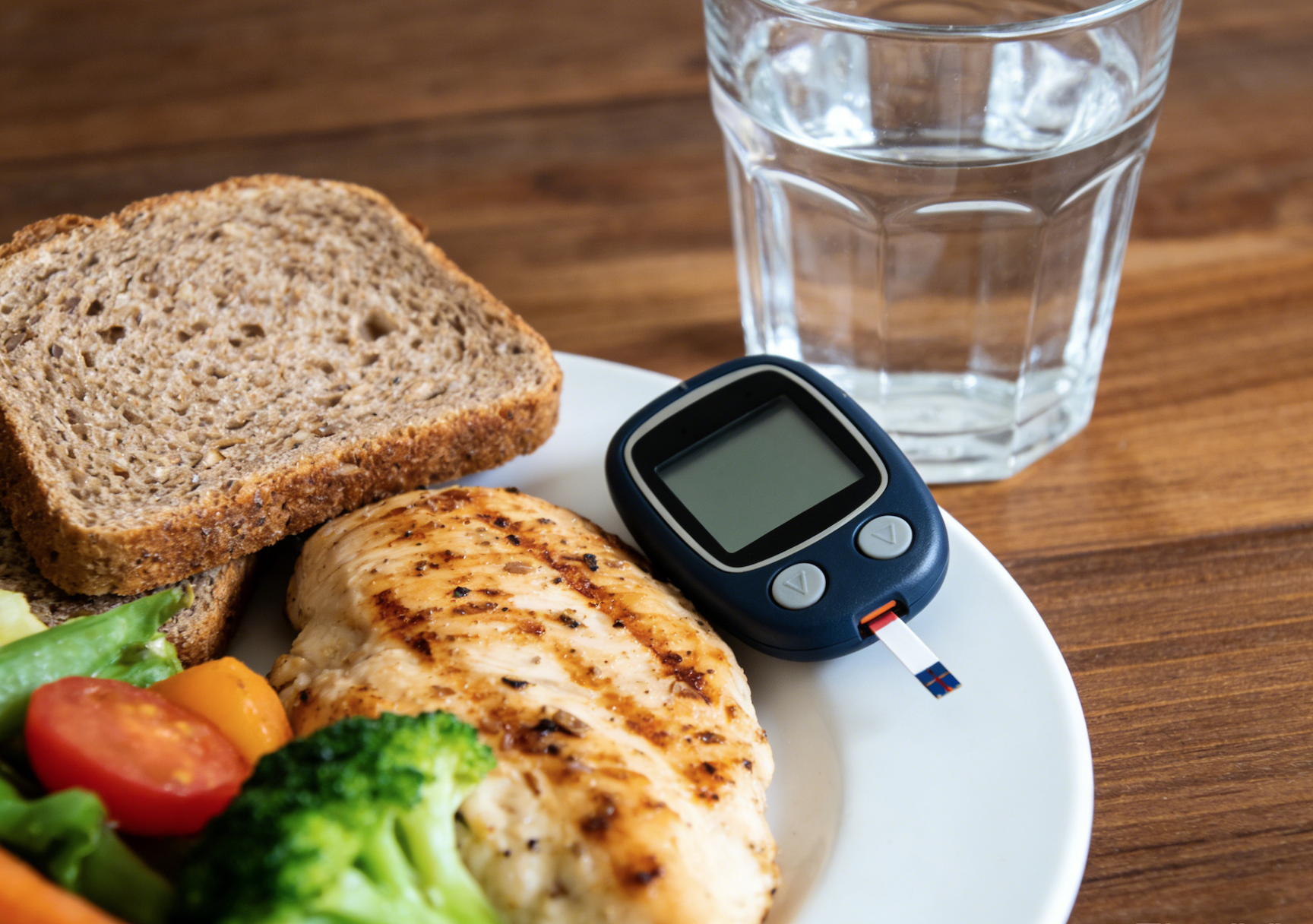
A Comprehensive Analysis of Common Misconceptions about High Cholesterol: Scientific Prevention and Correct Dietary Guidelines
This article provides an in-depth analysis of five common misconceptions about high blood lipids, including neglecting dietary adjustments and misunderstanding drug side effects, emphasizing the importance of comprehensive treatment for managing blood lipids. Properly controlling blood lipids requires a combination of a scientific diet and appropriate medication, avoiding extreme vegetarianism or excessively low cholesterol levels to maintain cardiovascular health.
2026-03-11
Analysis of the Causes of Hyperglycemia in Middle-aged and Elderly People and Five Prevention Strategies
This article analyzes in detail the ecological causes of hyperglycemia in middle-aged and elderly people and provides five scientific prevention strategies: living environment, dietary control, regular exercise, regular monitoring, and drug intervention, to help effectively manage blood sugar levels. By establishing a healthy lifestyle, middle-aged and elderly people can significantly reduce their risk of diabetes and maintain long-term blood sugar stability.
2026-03-09
Beware of the increasing prevalence of high blood sugar among young people: Risk analysis of obese office workers
This article reveals the rapid spread of hyperglycemia among young office workers, analyzes why mental laborers with high stress and little exercise are more prone to elevated blood sugar, and elaborates on the close relationship between obesity and abnormal blood sugar, providing scientific prevention and management advice for high-risk groups.
2026-03-10