
A comprehensive guide to fibrate medications for hyperlipidemia patients: mechanisms of action and usage guidelines.
Common Medications for Patients with Hyperlipidemia
For stubborn and severe hyperlipidemia, appropriate drug treatment is necessary. Since hyperlipidemia is the result of metabolic disorders caused by the long-term combined effects of multiple factors, there are currently no lipid-lowering drugs that perfectly meet physiological requirements. However, if blood lipid levels remain significantly elevated after 3-6 months of strict dietary control, especially in middle-aged and elderly individuals and those with other risk factors, drug treatment is necessary. Currently, the commonly used lipid-lowering drugs include the following categories:
Fibrates
Fibrates, also known as fibric acid derivatives, have a strong and rapid lipid-lowering effect, primarily reducing triglycerides. Examples include gemfibrozil, fenofibrate, bezafibrate, and fluvastatin.
(1) Gemfibrozil. It can treat xanthomas caused by hyperlipidemia, low high-density lipoprotein (HDL) levels, or coronary heart disease combined with low HDL.
(2) Fenofibrate. It is a potent lipid-lowering agent with a strong effect on reducing serum triglyceride levels. In addition to regulating blood lipids, it can also reduce uric acid levels, decrease fibrinogen levels, and increase the efficacy of anticoagulants. It is suitable for hypercholesterolemia, mixed hyperlipidemia, hyperuricemia, and secondary hyperlipidemia, and is also beneficial in preventing the occurrence and development of atherosclerosis.
(3) Bezafibrate. It can inhibit platelet aggregation, reduce plasma fibrinogen levels and plasma viscosity, and enhance fibrinolytic activity. These effects help prevent the occurrence and development of atherosclerosis, reduce the incidence of coronary events, and improve metabolism in diabetic patients with lipid metabolism disorders, lowering fasting blood glucose.
(4) Fluvastatin. It can weaken platelet adhesion and aggregation, reduce excessively high fibrinogen levels in the blood, increase fibrinolytic activity, and reduce thrombosis.

Timing of insulin therapy initiation and blood glucose management in patients with type 2 diabetes
When do patients with type 2 diabetes need to use insulin? This article explains in detail the indications for starting insulin therapy, dosage adjustments, and injection techniques to help you scientifically manage blood sugar fluctuations and achieve stable blood sugar control.
2026-03-23
Insulin Therapy Guidelines: Applicable Population and Early Intervention
Insulin is a crucial tool for controlling blood sugar. This article details the suitable populations for insulin use, its adverse reactions, and the advantages of early use, helping diabetic patients choose the right insulin treatment plan and effectively manage their blood sugar.
2026-03-24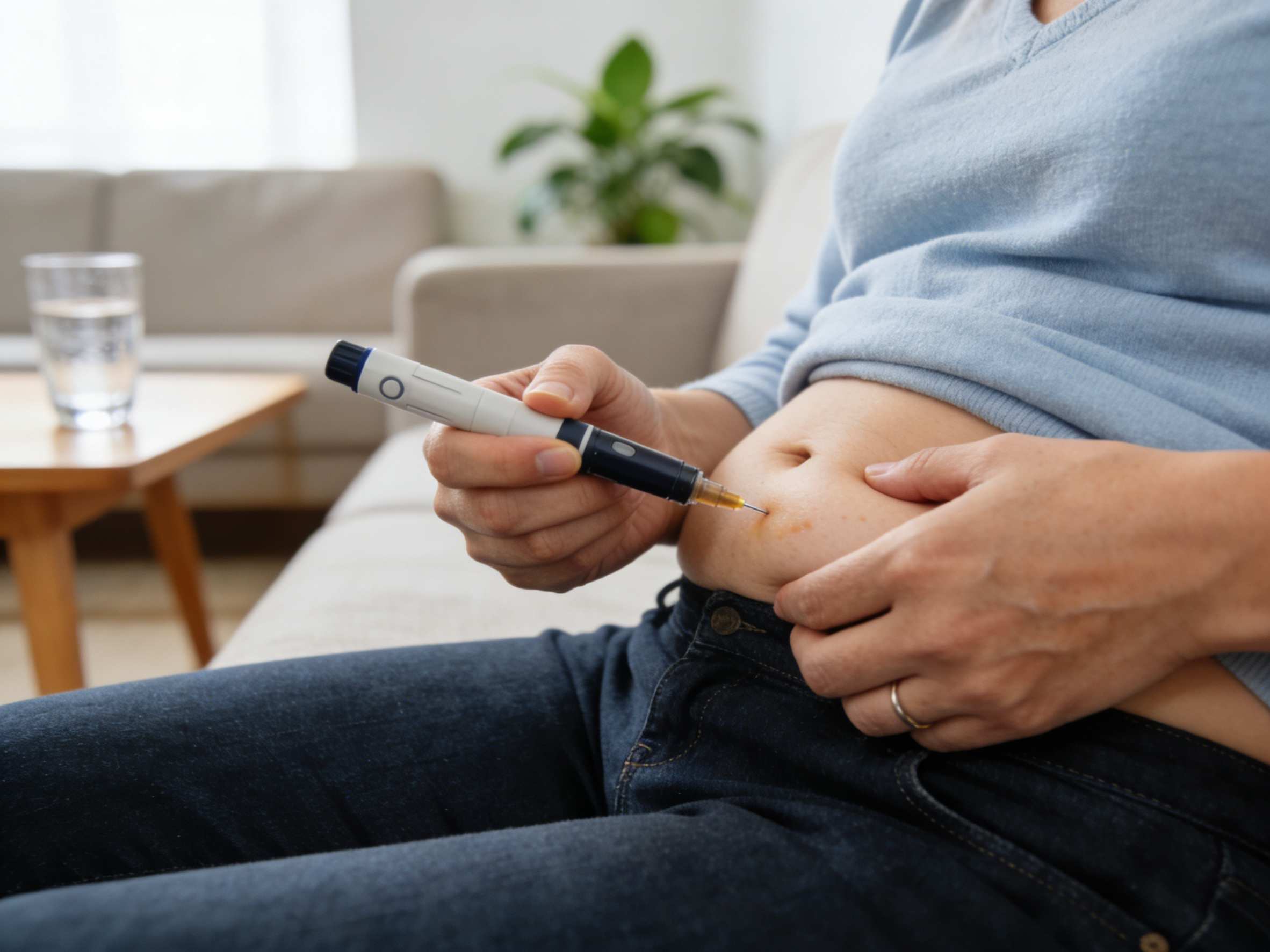
Insulin replacement therapy: When to initiate and blood glucose management
Insulin replacement therapy is an important means of controlling blood sugar. This article details the applicable situations, injection techniques, and management of hypoglycemia associated with insulin replacement therapy, helping diabetic patients manage their blood sugar scientifically.
2026-03-24