
Detailed Explanation of Blood Lipids: Definition, Normal Range, and Comprehensive Analysis of Seven Influencing Factors
What are blood lipids: Blood lipids are lipid substances in blood plasma, including cholesterol, triglycerides, phospholipids, cholesterol esters, and non-esterified fatty acids. Although plasma lipids account for only a very small portion of the total lipids in the body, both exogenous and endogenous lipids must be transported between tissues via the bloodstream. Therefore, blood lipid levels can reflect the body's lipid metabolism.
Are your blood lipids normal? Blood lipid tests include total cholesterol, high-density lipoprotein cholesterol, low-density lipoprotein cholesterol, triglycerides, and the ratio of apolipoprotein A to apolipoprotein B. Normal adult blood lipid levels are relatively stable, with a certain range of fluctuation. Currently, the normal blood lipid levels are considered to be as follows:
Ideal value: Less than 5.2 mmol/L.
Critical value: 5.23–5.69 mmol/L.
High value: Greater than 5.72 mmol/L.
Ideal value: Less than 1.70 mmol/L.
High value: Greater than 1.70 mmol/L.
Ideal value: Less than 3.12 mmol/L.
Border-high value: 3.15 mmol/L ~ 3.61 mmol/L.
High value: Greater than 3.61 mmol/L.
Apolipoprotein A to apolipoprotein B ratio:
Ideal value: Greater than 1.30.
Abnormal value: Less than 1.0.
What affects your blood lipids:
Genetic factors: Whether high blood lipids are hereditary cannot be generalized. Some cases of high blood lipids have a familial clustering, where patients may find that their ancestors also had abnormally high blood lipids; this is collectively referred to as familial hyperlipidemia. Familial hyperlipidemia cannot be prevented. Data shows that there are cases abroad of such patients dying of myocardial infarction at the age of 3, and many of these cases are related to consanguineous marriage. Therefore, prohibiting consanguineous marriage can effectively reduce the incidence of high blood lipids.
Dietary Factors
As people's living standards continue to improve, their dietary structure is gradually changing. Fish and meat are increasingly common on people's tables. This uncontrolled eating habit easily leads to a high incidence of various diseases, including hyperlipidemia. Generally speaking, hyperlipidemia is more likely to occur when food contains excessive calories or when there is a significant imbalance in staple foods. Other contributing factors include picky eating, unbalanced diets, and a general dislike of vegetables. Eating small, frequent meals is also a serious mistake. Experiments have shown that eating only one or two meals a day can easily lead to high blood lipids, especially when eating a large meal at once.
Short-term fasting can temporarily increase blood lipid levels due to the mobilization of stored fat. This is why,
when measuring blood lipids, doctors will ask you to fast for 12 hours after dinner without eating anything else before the blood is drawn.
Daily smoking volume is positively correlated with serum total cholesterol, the ratio of total cholesterol to high-density lipoprotein cholesterol (HDL-C), and the ratio of low-density lipoprotein cholesterol (LDL-C) to HDL-C, and negatively correlated with HDL-C. This may be related to the thiocyanate contained in tobacco. Alcohol content is positively correlated with serum total cholesterol and high-density lipoprotein cholesterol (HDL-C) levels; all lipid levels increase with increasing alcohol consumption and duration of drinking.
Seasonal factors: Serum total cholesterol peaks in winter and decreases in summer, with greater seasonal variation in men than women. Serum triglycerides also peak in winter and decrease in summer, particularly noticeable in women. Serum HDL-C peaks in late winter and early spring, decreasing in summer, with men peaking in winter. The HDL-C/total cholesterol ratio is highest in late winter and early spring.
Stress can increase serum total cholesterol and triglyceride levels. Mental stress, excessive emotional excitement, frequent insomnia, and overwork are all negative psychological and mental factors that adversely affect lipid metabolism, leading to dyslipidemia.
Premenopausal women have higher serum HDL-C levels than men of the same age; their total cholesterol levels are lower. After menopause, HDL-C levels are similar in both sexes of the same age; women have higher serum total cholesterol levels than men.

How Emotional Fluctuations Affect Blood Pressure: Mechanisms, Hazards, and Management Recommendations
This article details the neural and physiological mechanisms by which excessive emotional stress leads to a sudden increase in blood pressure, and elucidates the acute harm this fluctuation poses to hypertensive patients. Understanding the link between emotions and blood pressure, and learning to manage emotions, is crucial for stabilizing blood pressure and preventing cardiovascular and cerebrovascular accidents.
2026-02-28
Is an overly willful personality prone to causing high blood pressure? Emotional management is key.
This article explores how overly willful and extreme personality traits can trigger strong emotional fluctuations, leading to a sudden increase in blood pressure and thus increasing the risk of developing and experiencing hypertension. It emphasizes that personality adjustment and emotional control are crucial for long-term blood pressure stability and the prevention of cardiovascular and cerebrovascular accidents.
2026-02-28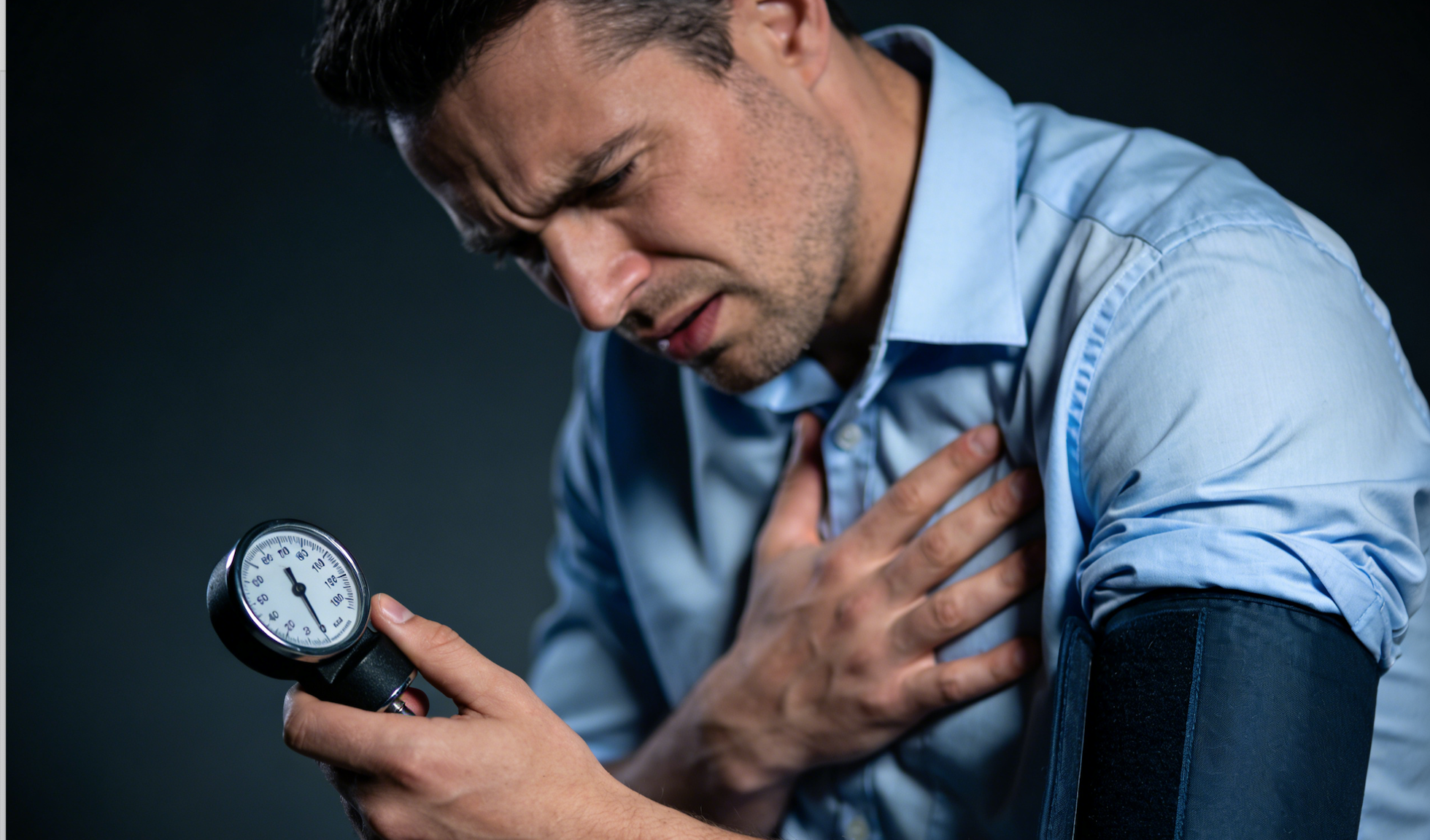
Does despair increase the risk of high blood pressure? A positive mindset is the best medicine.
This article explores how negative psychological states such as despair and anxiety can worsen hypertension and even increase the risk of developing the disease. The article emphasizes that a positive mindset and emotional management are crucial for hypertension patients to effectively control blood pressure and improve prognosis; psychological burden should be avoided to prevent blood pressure from becoming uncontrolled.
2026-02-28