
A Comprehensive Analysis of Hyperlipidemia: Four Types and Main Causes
What is "Hyperlipidemia"?
"Hyperlipidemia," more accurately termed dyslipidemia, is a common condition related to abnormal lipoprotein metabolism. It primarily involves elevated total cholesterol, low-density lipoprotein cholesterol (LDL-C), triglycerides, and/or decreased high-density lipoprotein cholesterol (HDL-C).
Currently, in my country, hyperlipidemia is generally diagnosed in adults with fasting serum total cholesterol exceeding 5.72 mmol/L and triglycerides exceeding 1.70 mmol/L. Total cholesterol levels between 5.2 and 5.7 mmol/L are considered borderline elevated.
Based on the measurement results of serum total cholesterol, triglycerides, and HDL-C, hyperlipidemia is typically classified into the following four types:
(1) Hypercholesterolemia: Elevated serum total cholesterol levels, exceeding 5.72 mmol/L, while triglyceride levels are normal, i.e., triglycerides < 1.70 mmol/L.
(2) Hypertriglyceridemia: Elevated serum triglyceride levels, exceeding 1.70 mmol/L, while total cholesterol levels are normal, i.e., total cholesterol <5.72 mmol/L.
(3) Mixed hyperlipidemia: Elevated serum total cholesterol and triglyceride levels, i.e., total cholesterol exceeding 5.72 mmol/L and triglycerides exceeding 1.70 mmol/L.
(4) Low high-density lipoproteinemia: Decreased serum high-density lipoprotein cholesterol levels,
<9.0 mmol/L.
How does hyperlipidemia occur?
Except for a few secondary dyslipidemias caused by systemic diseases, the vast majority of dyslipidemias are primary dyslipidemias caused by genetic defects or the interaction of environmental factors. Susceptible lifestyle factors include long-term smoking and excessive alcohol consumption, poor dietary habits, lack of physical activity, mental stress, and irregular lifestyle. Unhealthy dietary habits include:
(1) Excessive intake of fatty meat, animal organs, seafood, and cooking oil, leading to increased cholesterol levels in the body.
(2) Overeating and excessive energy intake. Consuming large amounts of sugary foods can also raise blood lipids; therefore, patients with high blood lipids should control their intake of starchy foods and minimize their consumption of desserts.
(3) Unbalanced diet and irregular eating habits.
Drug-related factors include long-term use of thiazide diuretics, beta-blockers, corticosteroids, and oral contraceptives. Secondary dyslipidemia refers to dyslipidemia caused by various diseases, such as diabetes, hypothyroidism, nephrotic syndrome, kidney transplantation, and biliary obstruction.

Two key points for diet for people with high blood sugar: choosing health supplements carefully and enjoying meals.
This article reminds patients with high blood sugar to choose health supplements carefully and avoid believing exaggerated claims. It also emphasizes that maintaining a pleasant mood during meals helps stabilize blood sugar. These two key points are crucial aspects of dietary management and are essential for helping control blood sugar levels.
2026-03-05
Two key points for diet for people with high blood sugar: choosing health supplements carefully and enjoying meals.
This article reminds patients with high blood sugar to choose health supplements carefully and avoid believing exaggerated claims. It also emphasizes that maintaining a pleasant mood during meals helps stabilize blood sugar. These two key points are crucial aspects of dietary management and are essential for helping control blood sugar levels.
2026-03-05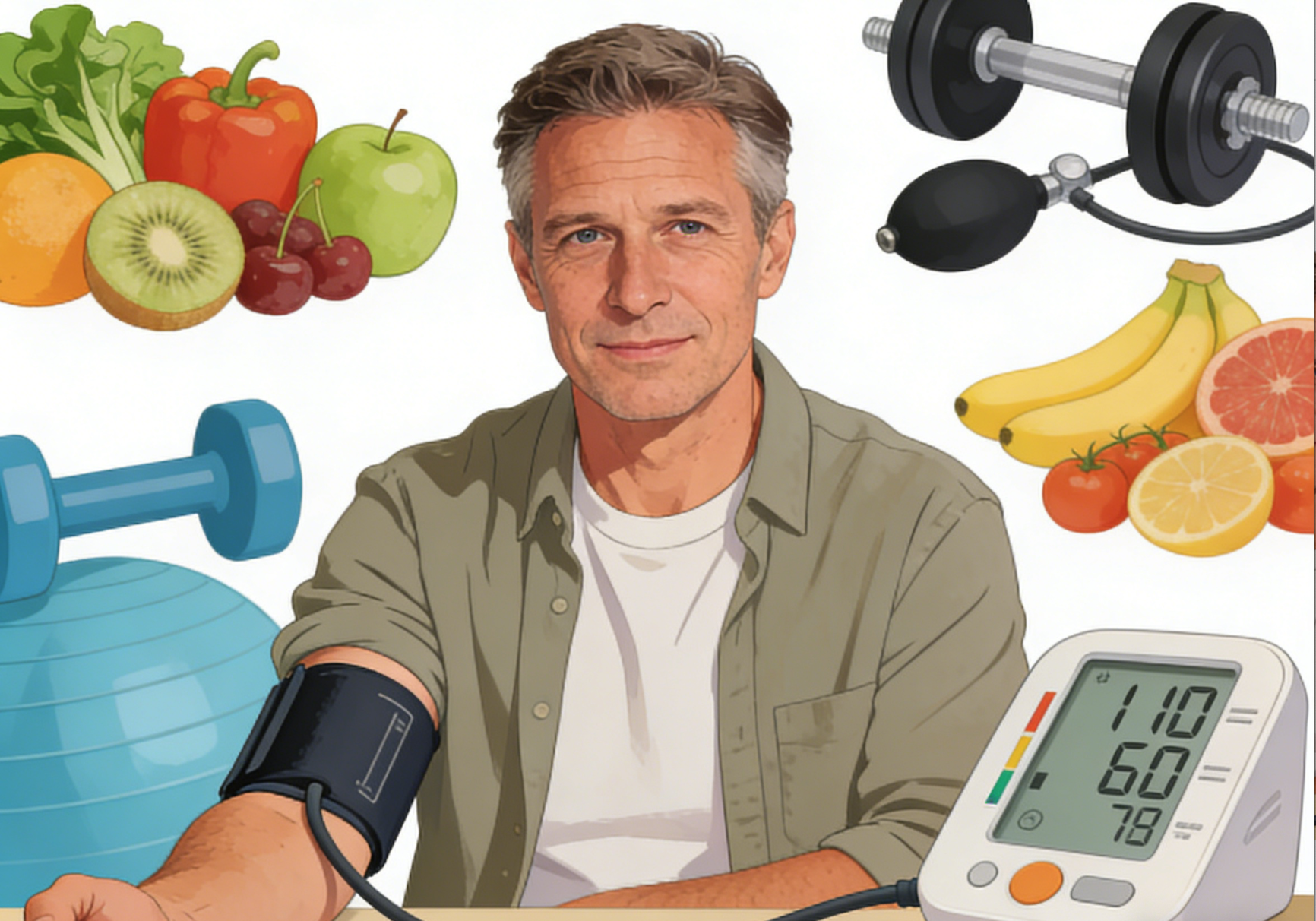
Analysis of the six major causes of hypertension: How to control blood pressure by improving lifestyle habits
This article provides a detailed analysis of six major unhealthy lifestyle habits that contribute to high blood pressure, including obesity, a high-salt diet, and lack of exercise. Improving these habits is the cornerstone of blood pressure control and helps to effectively lower and stabilize blood pressure levels in the long term.
2026-03-04