
Weight Loss and Belly Fat Reduction: A Guide to Quitting Alcohol and Avoiding Harmful Fat
The intoxicating allure of alcohol can actually be a major culprit behind a protruding belly:
Do you enjoy rewarding yourself with a can of beer after a long day at work? And in the sweltering summer, do you like to gulp down an ice-cold beer? Of course, alcohol is an indispensable part of gatherings with friends or karaoke sessions.
But there are many things you may not know about alcohol. For example, drinking just one can of beer a day can result in a 7-kilogram weight gain after a year; beer contains almost no nutrients other than calories; and besides making you fat, beer offers no health benefits whatsoever! For example…
Is alcohol truly the culprit behind a protruding belly? This is a complex and highly controversial issue. Many researchers cannot clearly distinguish whether the calories in alcohol and food should be calculated equally because their metabolic processes differ. However, numerous studies have already confirmed that people who drink an average of 5-6 glasses of spirits per week (one glass of spirits contains approximately 290 joules of energy) can lose 1 kilogram of weight within a month of giving up this habit. Another study clearly found that alcohol often stimulates appetite, making it difficult to avoid weight gain.
Furthermore, even moderate alcohol consumption may increase the risk of breast cancer. One article indicates that women who consume more than four alcoholic beverages per week have a 7% increased risk of breast cancer for each additional drink.
Therefore, for whatever reason, you must quit drinking or reduce your alcohol intake.
If you must drink for social reasons and do not want to suffer from the harmful effects of alcohol, it is recommended that you switch from spirits to red wine, as red wine is considered the most beneficial type of alcohol, containing abundant antioxidants that can help prevent cardiovascular disease.
Tips for Reducing Belly Fat and Sobering Up: Massage Techniques
1. Abdominal Rubbing: Use your fingers to rub from the xiphoid process (the protruding part at the lower end of the sternum) down to the pubic symphysis (where pubic hair attaches) repeatedly until a warm sensation is felt (you can repeat this 20 times). This area contains many important acupoints such as Dantian and Shenque. Massaging this area mainly regulates stomach function, achieving the effects of strengthening the stomach and soothing the liver.
2. Navel Rubbing (Clockwise and Counterclockwise): Place your palm on your navel and rub clockwise 36 times, then counterclockwise 36 times. Because the navel and surrounding area contain acupoints such as Shenque and Shenshu, stimulating these acupoints will alleviate the discomfort symptoms of drunkenness.
3. Treatment of Accompanying Symptoms: If accompanied by headache or dizziness, massage Baihui (the top of the head) and its surrounding area; if accompanied by liver discomfort, massage Qimen (located directly below the nipple, at the boundary between the ribs and abdomen).
Please refrain from making the sound of adding oil while cooking:
This is a common scene: you and your friends are enjoying a pot of boiling hot pot, a thick layer of oil floating on top—"So delicious!" Boiled fish, sweet and sour pork ribs, fried yellow croaker, spicy hot pot… everyone's faces are glistening with oil, and this is at a restaurant.
But experts later discovered that fat is also a disease-causing agent, especially for those with large bellies. Many diseases are related to fat accumulation, such as fatty liver, diabetes, and high blood pressure. Without exception, fat is the culprit behind any metabolic problems.
At home, consider what you usually eat: Today's vegetarian dishes are stir-fried eggplant and stir-fried lettuce; the meat dishes are fried chicken legs and stir-fried diced meat. Stir-frying, deep-frying, deep-frying… to make dishes more delicious, do you feel like adding oil to every single dish? In times of food scarcity, "having plenty of oil" was a sign of affluence, and even today, people still use "filthy rich" to describe the wealthy. Of course, fat also has its functions, such as maintaining body temperature and protecting internal organs. Therefore, we're not suggesting you completely oppose fat, but rather teaching you how to identify the harmful fats and get rid of them from your life.
The first type of harmful fat is saturated fat. What is saturated fat? It's animal fats that easily solidify. Back when everyone was eating lard, the solidified lard in the jars was saturated fat, which easily solidifies in the body. Therefore, it's best to avoid such oils, especially when eating pork, duck, goose, and other animal products. You must control your cravings. If you can't control your cravings, then you'll be in for the "ravages" of fat.
The second type of harmful fat is trans fat. Trans fats refer to fats produced during the partial oxidation of vegetable oils. For example, vegetable oils that are not sealed and exposed to air for extended periods, or vegetable oils heated to temperatures above 70°C during cooking, can potentially turn into trans fats. These fats contain trans fatty acids disguised as vegetable oils, but are inherently more dangerous than animal fats. A 1994 study by the Harvard School of Public Health found that over 30,000 deaths from cardiovascular disease were caused by trans fats.
Trans fats are pervasive in our lives, their presence is everywhere. To minimize exposure, you need to know where they are found.
First, they may be found in fried foods such as French fries, fried chicken legs, donuts, fast food, and instant noodles.
Second, they are also abundant in processed foods containing fats, such as cookies, pastries, cakes, corn chips, ice cream, and peanut butter.
Secondly, many packaged foods in supermarkets, such as candy, chocolate, and popcorn, contain trans fats. Therefore, avoiding trans fats means first avoiding or reducing your intake of these foods. Secondly, pay attention to the storage of vegetable oil, preventing it from being exposed to air. Additionally, when cooking, the oil temperature should not be too high; generally, you can add food when the oil is around 50% hot. Although you might think that food cooked in smoking oil tastes better (and it certainly does), you wouldn't risk your safety for that reason, would you?

Essential Guide for Diabetics on Business Trips: How to Manage Blood Sugar and Travel Safely
This article provides a comprehensive guide for diabetic patients preparing for business trips, including pre-trip checks, medication carrying and storage, blood glucose monitoring, and managing hypoglycemia. It helps patients effectively manage their blood sugar during their travels, ensuring stable blood sugar levels and travel safety.
2026-02-27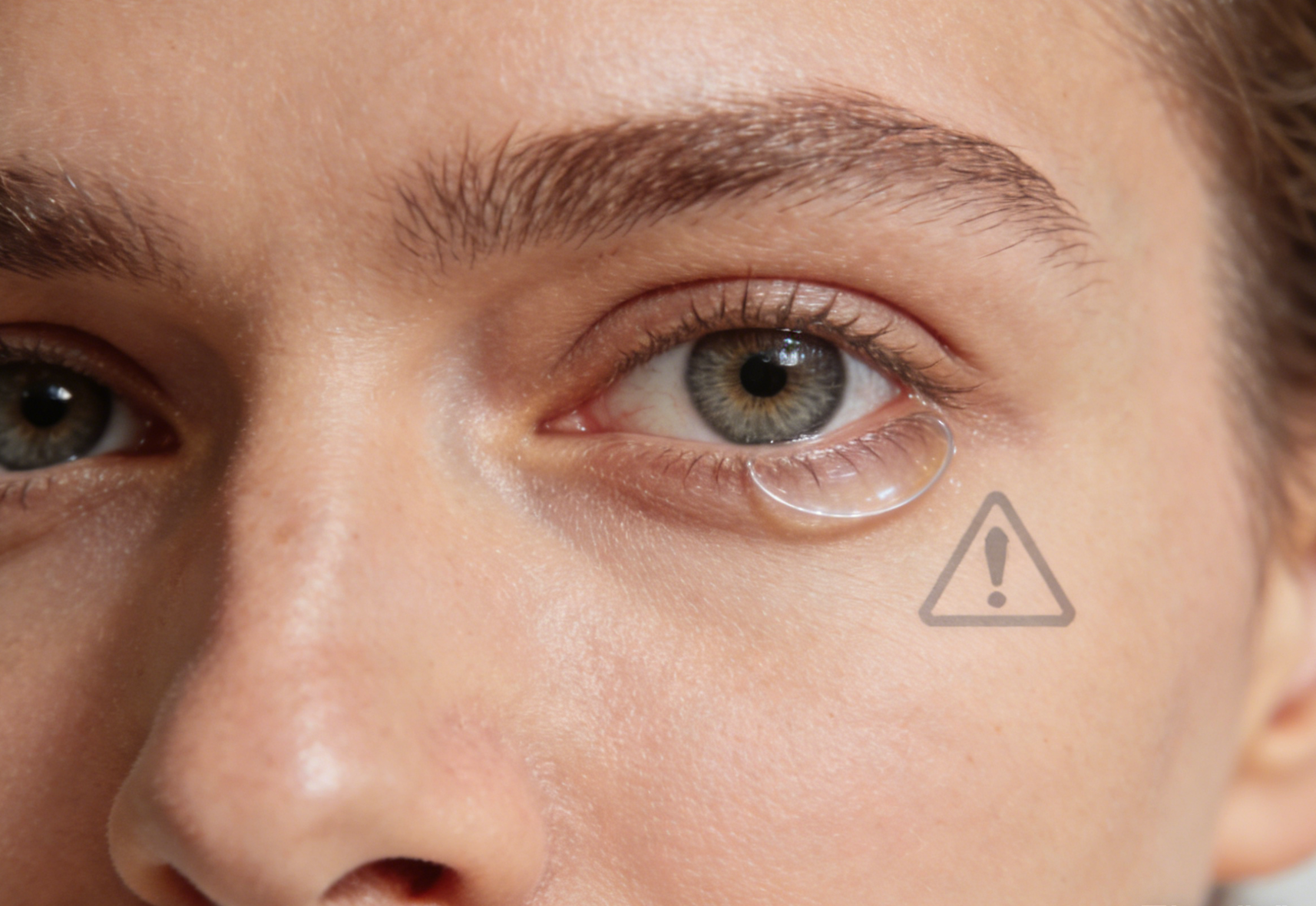
Three things to avoid for diabetic patients: contact lenses, cooling mats, and hot baths – all of which increase blood sugar risks.
This article lists three major taboos for diabetic patients: frequently wearing contact lenses, sleeping on a cool mat, and taking hot baths. Following these recommendations can help maintain stable blood sugar levels and avoid complications caused by infection or irritation, thus better managing blood sugar levels.
2026-02-27
Attention diabetics: How weather changes and air conditioning use affect blood sugar.
This article reminds diabetic patients that weather changes and air conditioning use may cause blood sugar fluctuations. It explains how external environmental factors affect blood sugar control through emotional and metabolic pathways, and provides relevant prevention suggestions to help patients maintain stable blood sugar levels.
2026-02-27