
Initiating lipid prevention in childhood: Regular check-ups and a "five-low" diet guideline
Dietary Prevention Starts in Childhood
Early prevention and early treatment are crucial, and dietary prevention should begin in childhood. The dietary principles for preventing and treating high blood lipids should adhere to the "five lows": low calories, low total fat, low saturated fatty acids, low cholesterol, and low salt. Overeating and unbalanced diets should be avoided, and foods such as ice cream, chocolate, and sweets should be minimized.
Regular Checkups
Regular checkups are the best way to monitor health. They allow for the monitoring of changes in the body, enabling targeted early treatment or prevention of certain diseases. Especially in the early stages or with mild high blood lipids, there are often no symptoms, making early detection and treatment essential for effective management of the condition.
Two Points to Note in Preventing and Treating High Blood Lipids
Beware of Asymptomatic High Blood Lipids
Blood lipids are an important substance in the human body with many vital functions, but their levels must not exceed a certain range. Excessive blood lipids can cause "thick blood," slowing blood flow and, in severe cases, interrupting blood flow. This can easily lead to cardiovascular and cerebrovascular diseases, and induce gallstones, pancreatitis, hepatitis, and other illnesses. Recent research suggests that high blood lipids may be linked to cancer development.
It's worth noting that people with mild high blood lipids often experience no discomfort, leading to a lack of awareness of its dangers and missed opportunities for optimal treatment. Therefore, to maintain good health, individuals with the following conditions should have their blood lipids checked regularly: those with a family history of high blood lipids, obesity, high blood pressure, or existing coronary heart disease, stroke, diabetes, kidney disease; middle-aged and elderly individuals; postmenopausal women; those with a long-term high-sugar diet; sedentary lifestyles; irregular lifestyles; emotional instability; and those under stress. Generally, the average person should have their blood lipids checked every two years; those over 40 years of age should have them checked annually; and high-risk groups and patients with high blood lipids should have regular checkups under the guidance of a doctor.
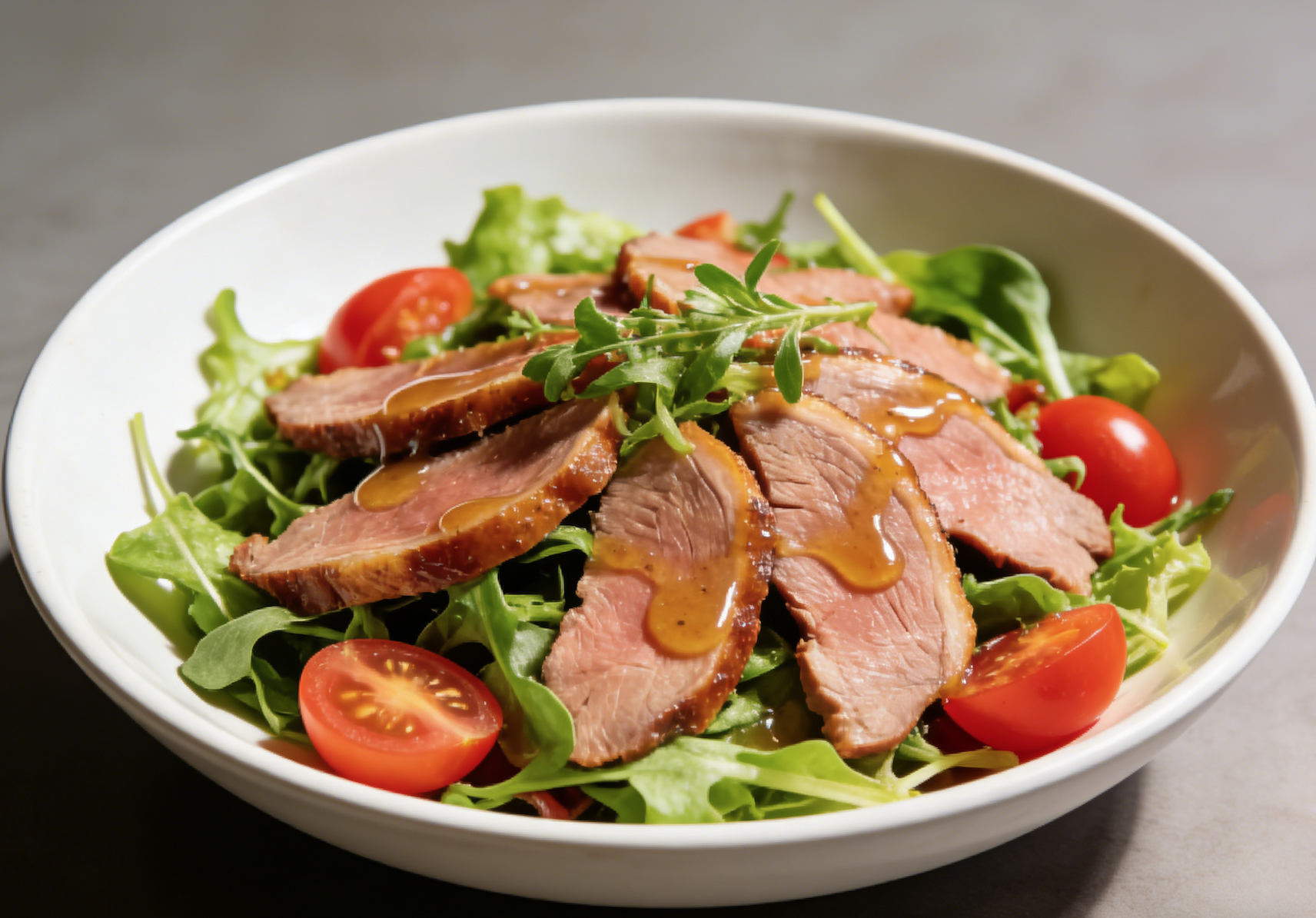
Peanuts and duck meat help regulate blood pressure, blood sugar, and cholesterol: Analysis of their effects and recommended healthy recipes.
This article details how the unsaturated fatty acids and resveratrol in peanuts help lower cholesterol and regulate blood sugar, and why the unsaturated fatty acids in duck meat are suitable for people with hypertension, hyperlipidemia, and hyperglycemia. It also provides dietary remedies for hypertension and healthy recipes such as walnut, peanut, and milk soup, offering dietary guidance for the scientific management of these conditions.
2026-03-07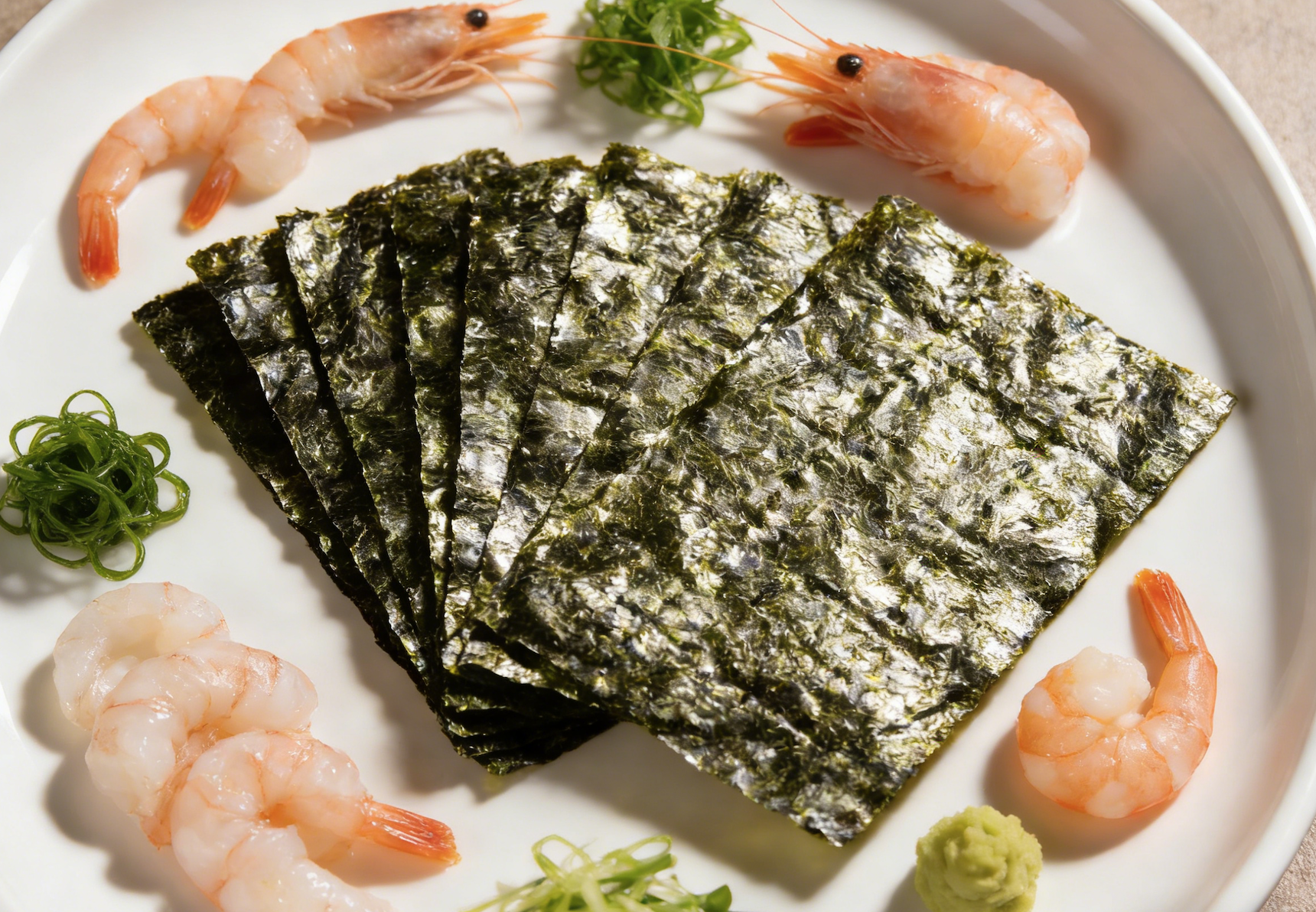
Analysis of seaweed's effects on regulating blood pressure, blood sugar, and cholesterol: Blood sugar reduction and two healthy recipes.
This article details how seaweed, through its polysaccharides, magnesium, and taurine, can effectively lower blood sugar and blood viscosity, thus helping to regulate the "three highs" (high blood pressure, high blood sugar, and high cholesterol). It provides dietary remedies for hypertension and healthy recipes such as seaweed and sea cucumber soup, offering dietary guidance for people with these conditions.
2026-03-07
Chest pain has various causes and requires differentiation: An analysis from angina to aortic dissection
This article analyzes the different causes of chest pain, including angina, myocardial infarction, and aortic dissection, emphasizing the dangers of blindly using medication and helping readers correctly identify the type of chest pain and seek medical attention in a timely manner.
2026-03-08