
Analysis of the characteristics of hypertension in the elderly: Correct understanding and blood pressure management strategies
It's important to view hypertension in the elderly normally: Higher blood pressure generally correlates with a higher incidence and mortality rate of cardiovascular and cerebrovascular diseases.
However, a survey on hypertension in the elderly shows that among people over 80 years old, the number of those with hypertension is actually higher than those with normal blood pressure. Why is this?
Medical research indicates that most elderly people have a history of late-onset hypertension, typically developing after age 60. In terms of blood pressure type, most hypertension in the elderly involves elevated systolic blood pressure, while diastolic blood pressure is generally within the normal range—the so-called "pure systolic hypertension." The pathogenesis is mostly due to vascular aging and atherosclerosis, causing hardening of the aorta and peripheral arteries, much like a rubber hose hardens over time. This leads to a significant increase in systolic blood pressure, while diastolic blood pressure decreases, and the gap between them widens. Therefore, in addition to vascular changes caused by pathological hypertension, there are also physiological aging phenomena.
Furthermore, observations of the elderly reveal that 80%–90% are thin, even if they were slightly overweight in their youth. They tend to shrink and lose weight in old age. Furthermore, as the body ages, blood volume decreases, the heart's contractile ability declines, and blood output decreases, leading to a slight decrease in blood pressure, which is less likely to be high. Therefore, mild pseudohypertension may occur in elderly patients with hypertension (i.e., because the blood vessels harden, greater pressure is needed to flatten them, resulting in a slightly higher measured blood pressure than the true blood pressure).
Additionally, because older adults have a lower tolerance for environmental changes, their blood pressure generally fluctuates more significantly. Even minor ailments such as a cold, anger, or poor sleep can cause a noticeable rise in blood pressure.
Based on these reasons, patients with hypertension should abandon the misconception that hypertension prevents longevity. They should view hypertension in the elderly with a normal perspective, adhere to medication, and control their blood pressure within the normal range. With the right approach, they too can join the ranks of centenarians.
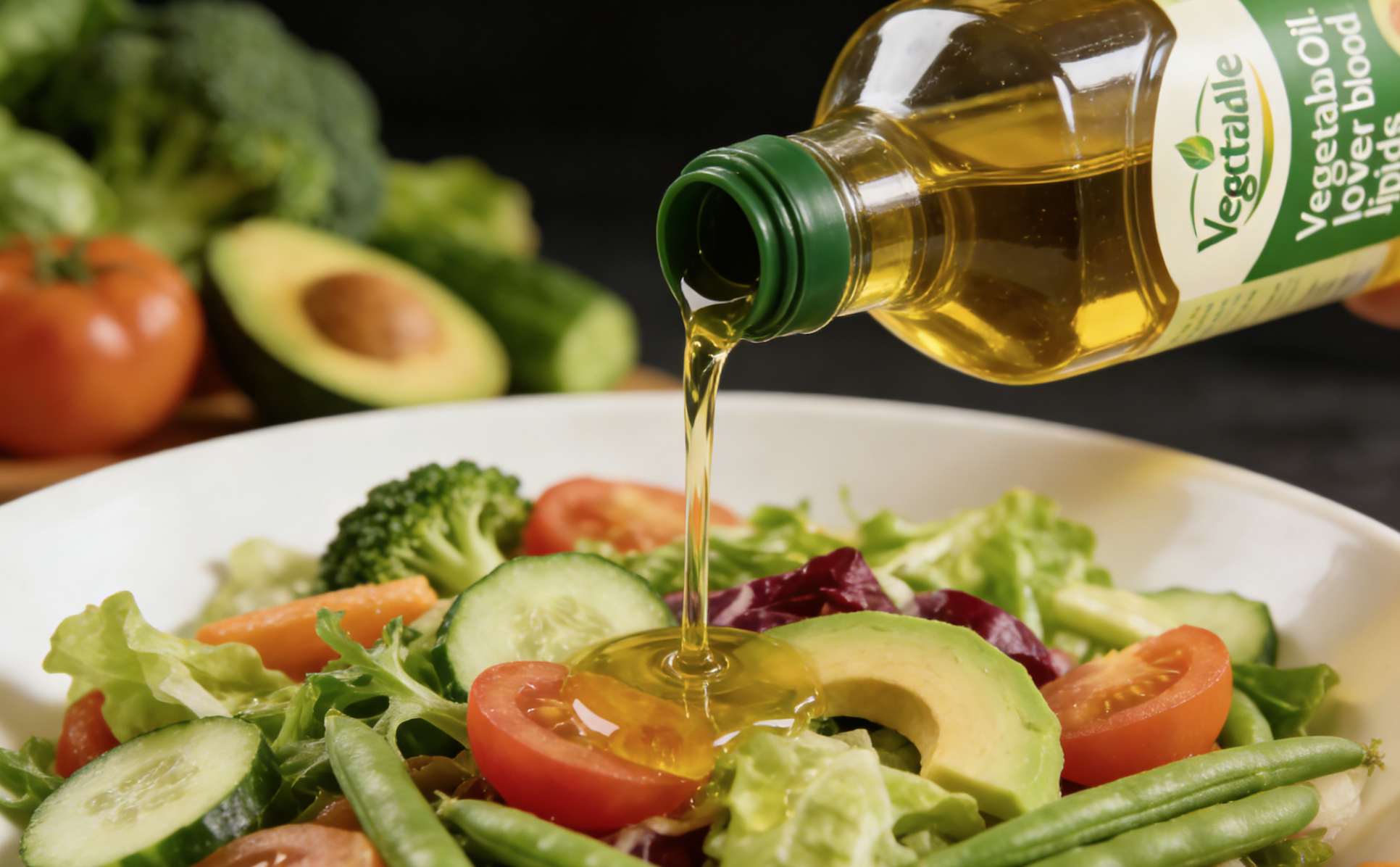
Vegetable oils help lower blood lipids: A guide to scientific selection and consumption.
This article details how common vegetable oils, rich in unsaturated fatty acids, can effectively help patients with hyperlipidemia lower "bad" cholesterol and total cholesterol, thus aiding in the improvement of blood lipid levels. Scientifically selecting and consuming vegetable oils in moderation is an important dietary strategy for regulating blood lipids and preventing atherosclerosis.
2026-01-20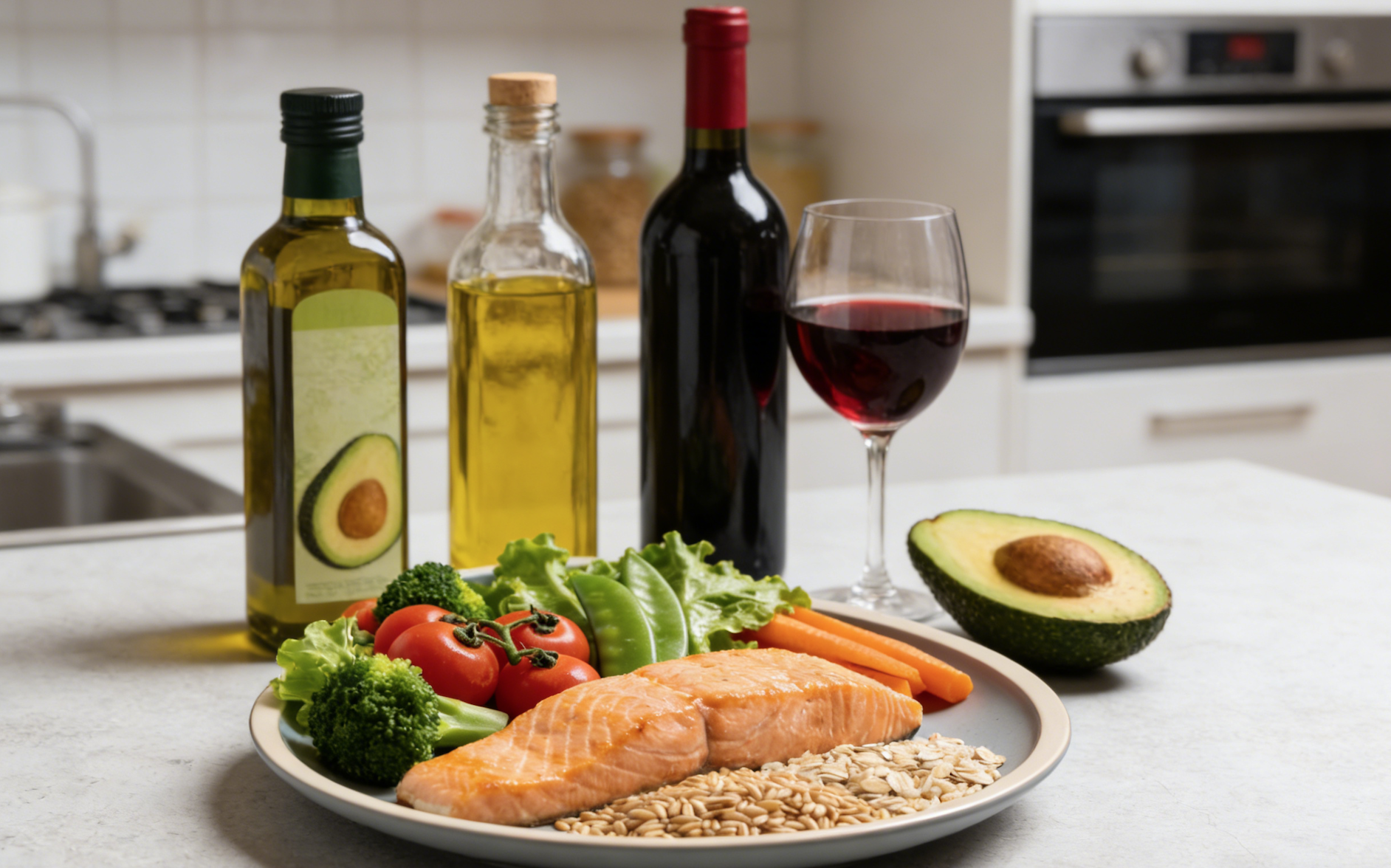
How does moderate consumption of low-alcohol beverages affect blood lipids? A scientific analysis of its advantages and disadvantages.
This article explores the potential benefits of moderate consumption of low-alcohol beverages (such as red wine) on blood lipids, such as increasing levels of "good" cholesterol (high-density lipoprotein) and helping to regulate blood lipids. It also emphasizes the need for strict control of intake (less than 50 grams per day), as excessive consumption can be harmful, providing a scientific dietary reference for managing blood lipids.
2026-01-20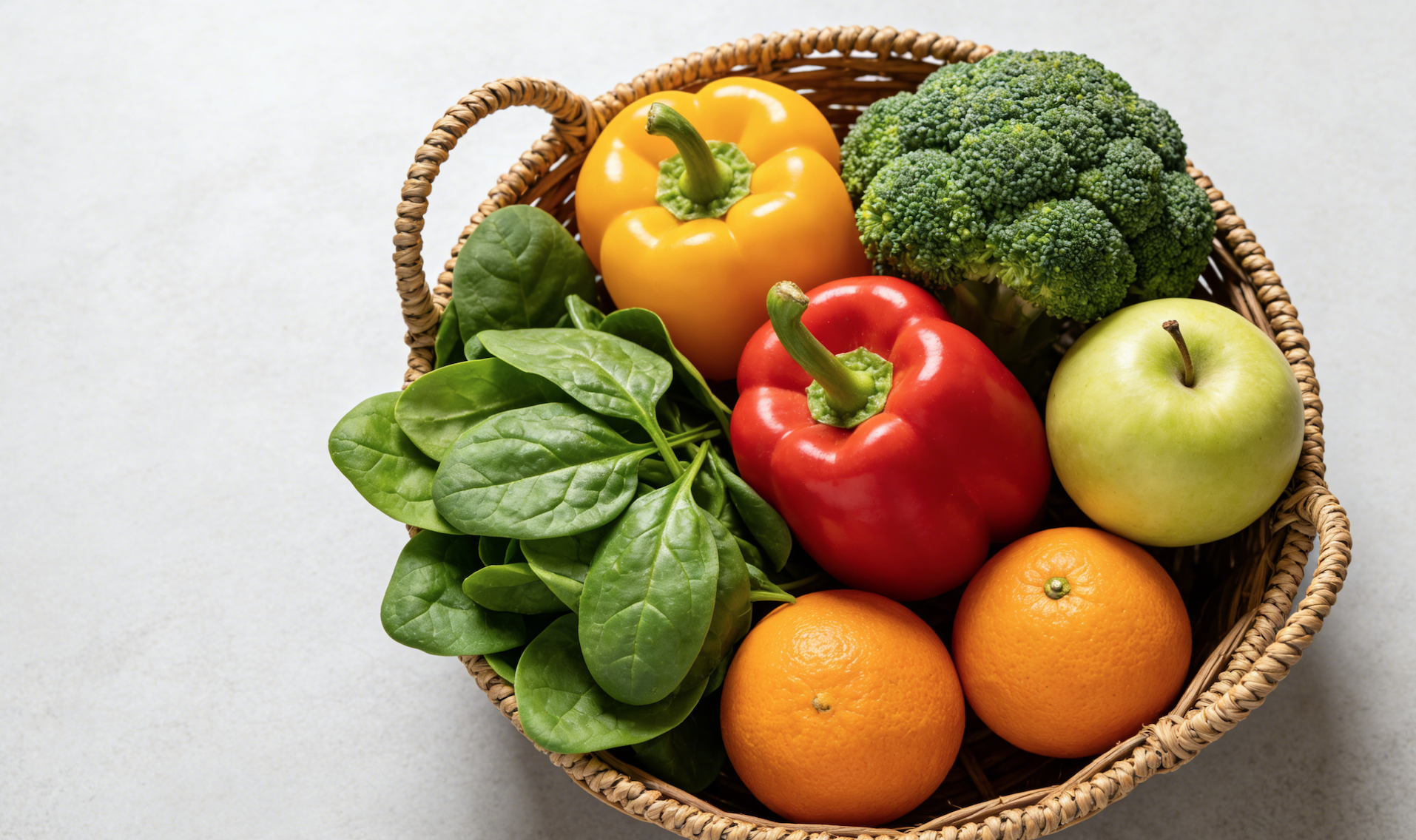
How does plant fiber help lower blood lipids? A breakdown of soluble and insoluble fiber.
This article details how soluble and insoluble plant fibers effectively help lower blood lipids by promoting cholesterol excretion and reducing absorption. Understanding foods rich in plant fiber and consuming them appropriately is an important dietary strategy for scientifically regulating and managing blood lipid levels.
2026-01-20