
Can supplements cause coronary heart disease? Regular checkups are more important than blindly taking supplements.
Regular checkups to rule out the "three highs": Hypertension, hyperlipidemia, and hyperglycemia are the most important factors leading to increased risk of atherosclerosis and cardiovascular disease, and directly increase the probability of cardiovascular accidents such as myocardial infarction and stroke.
Pay attention to mental health: Many heart disease patients experience anxiety or depression. Persistent anxiety or depression can lead to increased levels of substances such as endothelin in the blood, which will worsen heart disease in the long term. Therefore, heart disease patients should pay attention to their mental health. If serious mental illness occurs, they should consult a specialist.
Typical case:
Case: Excessive use of dietary supplements and medications leads to severe coronary heart disease.
Ms. Wang, 46 years old, from a wealthy family, underwent a coronary CT scan at our hospital 8 months ago due to chest tightness. The results showed mild stenosis (10%~20%) in the mid-segment of the left anterior descending artery. After returning home, Ms. Wang worried that her condition would worsen. She heard that deep-sea fish oil, coenzyme Q10, soy protein, and Panax notoginseng were beneficial to the cardiovascular system, so she started taking these supplements daily. Later, she heard that drinking red wine could prevent atherosclerosis, so she drank a small glass of red wine every day. Three days ago, Ms. Wang returned to our hospital due to chest tightness. A follow-up coronary CT scan revealed moderate to severe stenosis (70%–80%) in the mid-segment of the left anterior descending artery. Ms. Wang was very confused; she clearly valued her health and had been taking supplements beneficial to her blood vessels, so why did her condition worsen?
First, the effectiveness of these supplements is still controversial in the medical community. For example, whether deep-sea fish oil is beneficial to health has been a topic of debate in the medical field. Although the special component of red wine (resveratrol) has the effect of scavenging free radicals and anti-oxidation, studies show that 1000mL of red wine needs to be consumed daily to achieve the desired antioxidant effect. Don't forget that red wine contains approximately 15% alcohol. Excessive alcohol intake can lead to serious problems such as digestive system tumors, alcoholic liver disease, and alcoholic cardiomyopathy. Therefore, the claim that drinking red wine daily can soften blood vessels is incorrect.
Secondly, healthy adults need to consume 1800-2300 calories daily. If you supplement with large amounts of nutrients such as Coenzyme Q10, soy protein, and deep-sea fish oil, the body cannot fully absorb and utilize these nutrients. Excess nutrients will be stored in the body as glycogen and fat, leading to obesity and atherosclerosis over time.
Finally, it's often impossible to know whether there are interactions between daily supplements and medications being taken concurrently. Therefore, blindly taking large amounts of supplements is not advisable.
While Ms. Wang's concern for her health is commendable, blindly taking supplements to improve her health is a mistake.
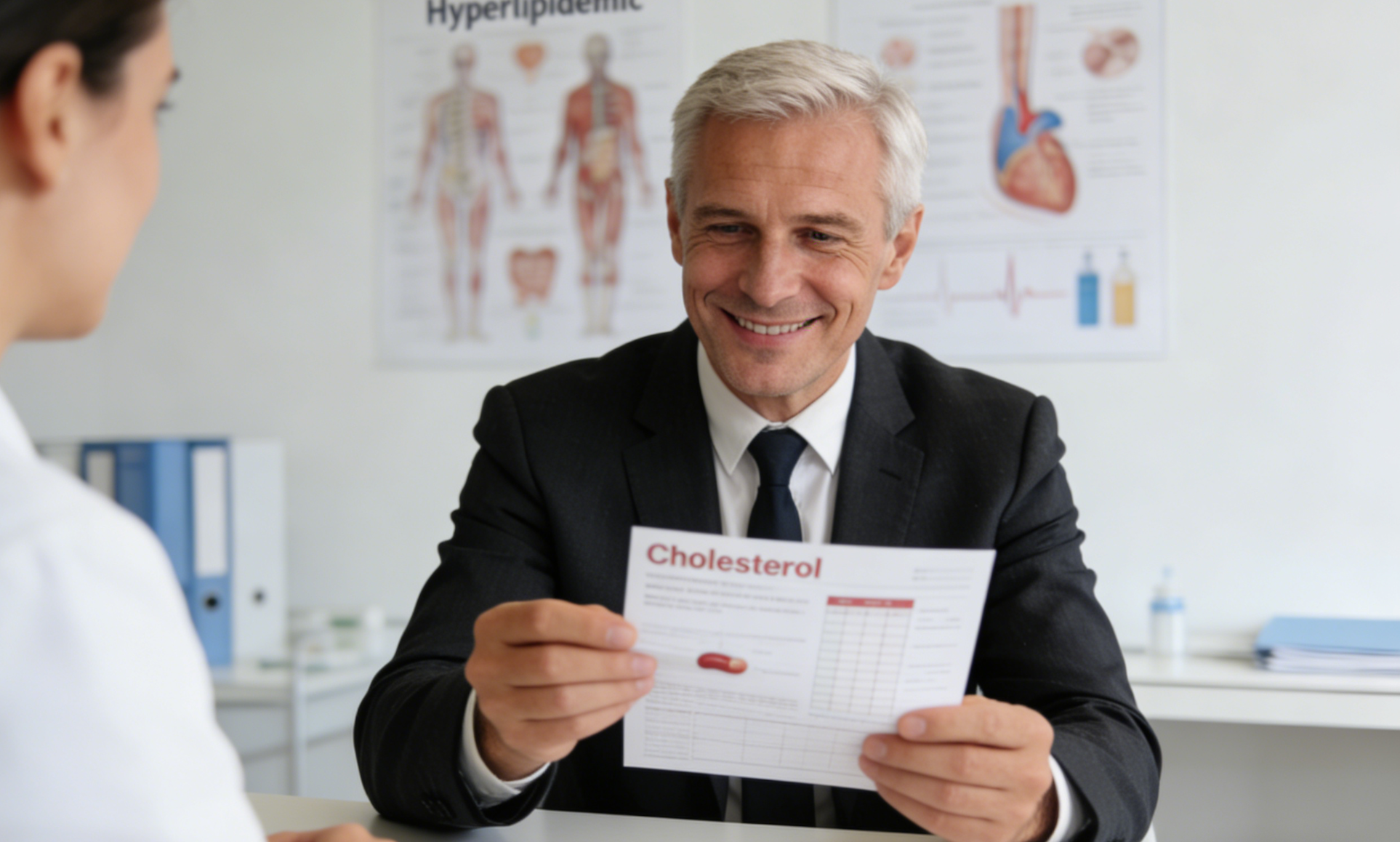
Patients with hyperlipidemia should build confidence and manage their blood lipids scientifically.
This article emphasizes the importance of maintaining a positive attitude for patients with hyperlipidemia. A good mental state can help support drug treatment and lifestyle interventions, thereby more effectively controlling blood lipids. Scientific self-management and unwavering confidence are key to long-term stable management of blood lipids and prevention of complications.
2026-02-27
Adults should be wary, but children need to pay even more attention: Analysis of the dual harms of hyperlipidemia
This article details the serious harm that hyperlipidemia (dyslipidemia) poses to the cardiovascular system in adults, and specifically highlights the need to pay attention to dyslipidemia in children and its long-term risks. A scientific understanding and control of blood lipids, and an emphasis on blood lipid monitoring during childhood, are key to preventing complications such as atherosclerosis.
2026-02-27
Detailed Explanation of Hyperglycemia: Symptoms, Diagnostic Criteria, and Potential Harms
This article details the diagnostic criteria, typical symptoms, and main dangers of hyperglycemia. Hyperglycemia is an important indicator of diabetes, and its long-term presence can lead to various complications. Understanding its manifestations and timely blood glucose monitoring are crucial steps in managing blood glucose levels and maintaining health.
2026-01-20