
Characteristics of various blood vessel functions and the operation of the vascular system
The various blood vessels that circulate during blood circulation have different functional characteristics. Blood vessels are mainly divided into elastic reservoir arteries, muscular distributing arteries, arterioles, and arterioles. "Elastic reservoir arteries" generally refer to large arteries, including the aorta (a large blood vessel directly connected to the left ventricle), the pulmonary artery (a large blood vessel directly connected to the right ventricle), and its major branches, such as the common carotid artery. These vessels are characterized by thick walls, rich in elastic fibers, and significant elasticity and expandability, which are crucial for maintaining normal blood pressure. When the left ventricle pumps blood into the aorta, it causes an increase in aortic pressure. This increased pressure propels blood forward within the artery and causes the aorta to dilate, increasing its volume. A portion of the blood ejected by the heart is stored in the dilated aorta. When the left ventricle finishes pumping and begins to diastole, the valve at the junction of the aorta and left ventricle closes, temporarily stopping blood flow into the aorta. At this time, the dilated aorta contracts due to reduced pressure, pushing the stored blood to the periphery. This is the elastic reservoir function of the large arteries, which buffers systolic pressure and maintains diastolic pressure. Although the heart pumps blood intermittently, the blood in the peripheral blood vessels flows continuously. If atherosclerosis occurs in the large arteries, the elastic reservoir function is greatly reduced, and blood pressure becomes very unstable. Arterioles and capillaries have small diameters and high resistance to blood flow, forming the main part of peripheral resistance in the blood circulation. Blood flows through capillaries, whose walls are very thin and highly permeable; this is where substances are exchanged between the fluids inside and outside the blood vessels. After passing through the capillaries, blood enters the venous system, first passing through venules, which also have small diameters and exert some resistance to blood flow. Compared to their corresponding arteries, large veins are more numerous, have larger diameters, and thinner walls, so they hold more blood and have better dilatation; even small pressure changes can cause significant changes in their volume. In a resting state, the entire venous system holds 60%–70% of the total circulating blood volume, acting as a blood reservoir; therefore, veins are also medically referred to as "capacity vessels." Correct blood pressure measurement is fundamental to obtaining accurate values, and proper measurement techniques must be followed. A mercury sphygmomanometer that meets metrological standards should be selected for measurement. The value is expressed by the height of the mercury column. However, this type of sphygmomanometer must be calibrated regularly by a metrological monitoring unit to accurately reflect the blood pressure value of the human body. The operating steps of the most commonly used mercury sphygmomanometer are as follows: (1) Before measuring blood pressure, the person being measured should rest quietly for 5 minutes to eliminate the influence of factors such as fatigue or tension on blood pressure; tea, alcohol and coffee should not be consumed within 30 minutes before measurement. (2) The person being measured can be seated or lying down, but it is best to be seated. Sit on a chair with your back against the chair back, expose your right upper arm, and place your elbow at the same level as your heart. Regardless of the person being measured, the zero point of the sphygmomanometer should be placed at the level of the heart. (3) Use an appropriately sized cuff. Generally, ordinary adults can choose an air cuff with a width of 13-15cm and a length of 30-35cm. Obese people or people with large arm circumferences should use a larger size cuff, and children should use a smaller cuff. (4) Position the cuff with the middle of the brachial artery, wrapping it tightly around the upper arm of the person being tested. The lower edge of the cuff should be 2-4 cm above the elbow crease. The cuff should not be too tight or too loose, so that the person being tested will not experience pain due to excessive tightness, nor should the cuff be too loose to allow it to rotate. (5) Place the chest piece of the stethoscope on the brachial artery in the elbow crease, and then inflate the cuff with the small bulb. Inflate quickly, and add 30 mmHg to the inflated level after the pulsation sound is no longer audible. Then slowly release the knob of the small bulb to allow the mercury column to descend slowly (ideally at 2-6 mmHg/s) to ensure accurate reading of the result. (6) When the first sound is heard during deflation, the pressure value indicated by the mercury column height is the systolic pressure. This sound gradually intensifies and then becomes a softer murmur. After the pressure decreases further, a sound without murmurs appears, gradually weakens, and quickly disappears. Generally, the pressure value indicated by the mercury column height when the arterial sound disappears is the diastolic pressure. Blood pressure must be measured twice consecutively each time. When repeating the measurement, the air in the cuff should be completely emptied. After the mercury column drops to the 0 mark, rest for 30 seconds before re-inflating and measuring. Record the average of the two measurements. If the difference between the two systolic or diastolic blood pressure readings is >2 mmHg, measure again after 2 minutes and then record the average of the three readings.
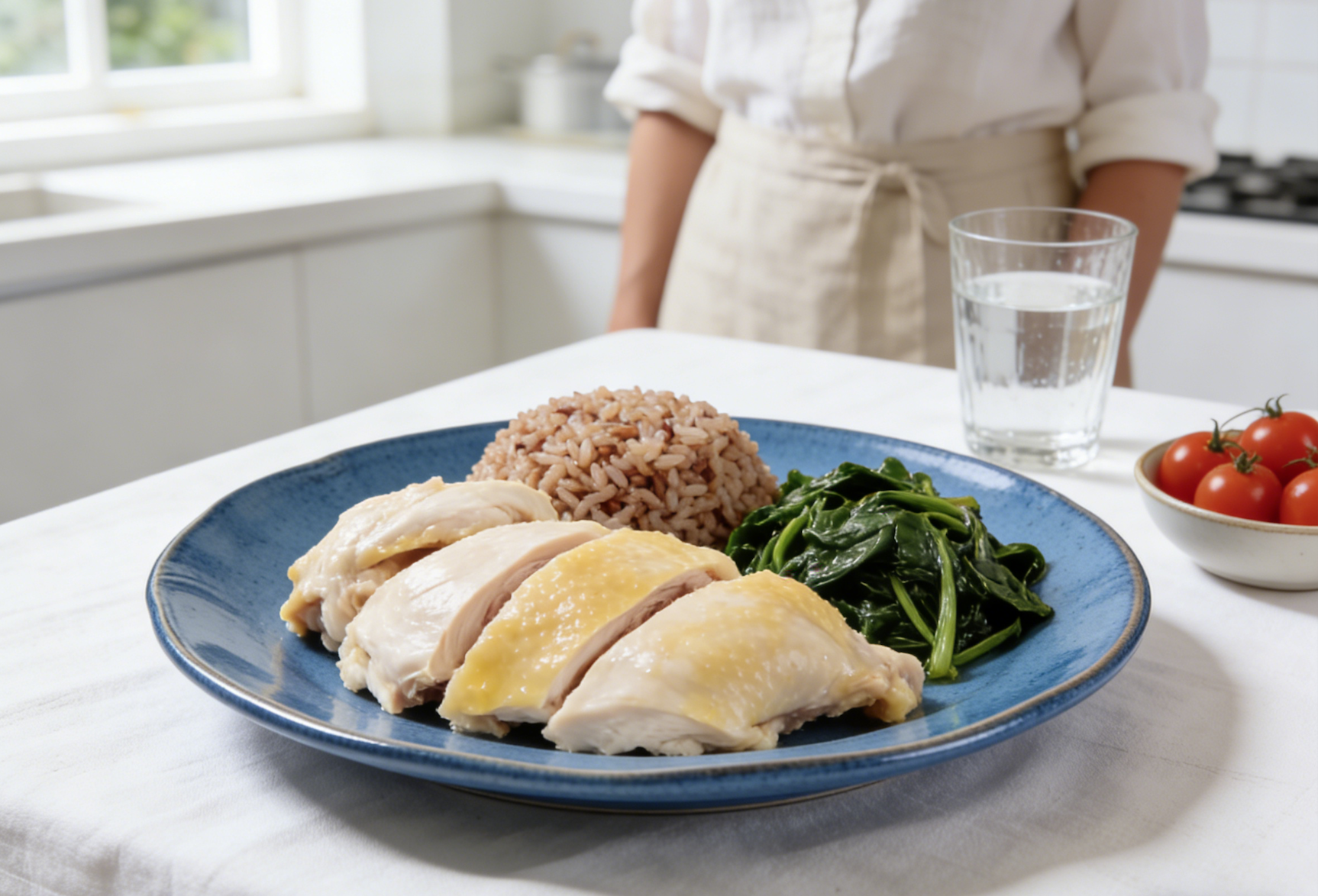
Five Healthy Recipes for People with High Cholesterol: Detailed Explanation of Cholesterol-Lowering Dishes and Cooking Methods
This article selects five healthy recipes for patients with high cholesterol, providing detailed explanations of their preparation methods and lipid-lowering effects. These dishes, through scientific ingredient combinations, help patients with high cholesterol better manage and improve their cholesterol levels in their daily diet.
2026-03-06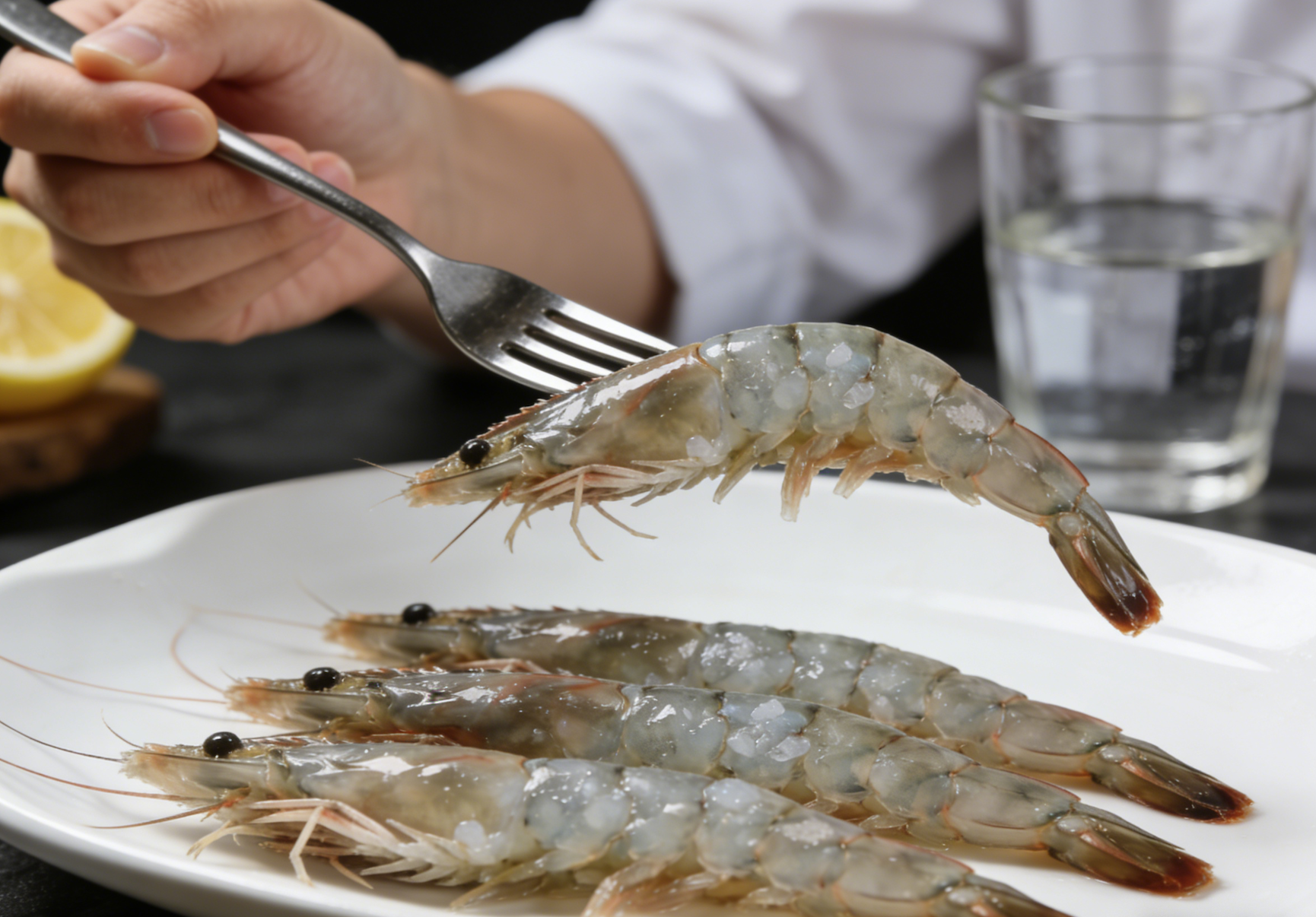
Four healthy recipes for regulating blood lipids, suitable for patients with hyperlipidemia.
This article introduces four healthy recipes suitable for patients with hyperlipidemia. The recipes include dishes such as mussel and seaweed soup with lean pork, which can help lower blood lipids and improve health. Through dietary management, blood lipid levels can be effectively regulated.
2026-03-06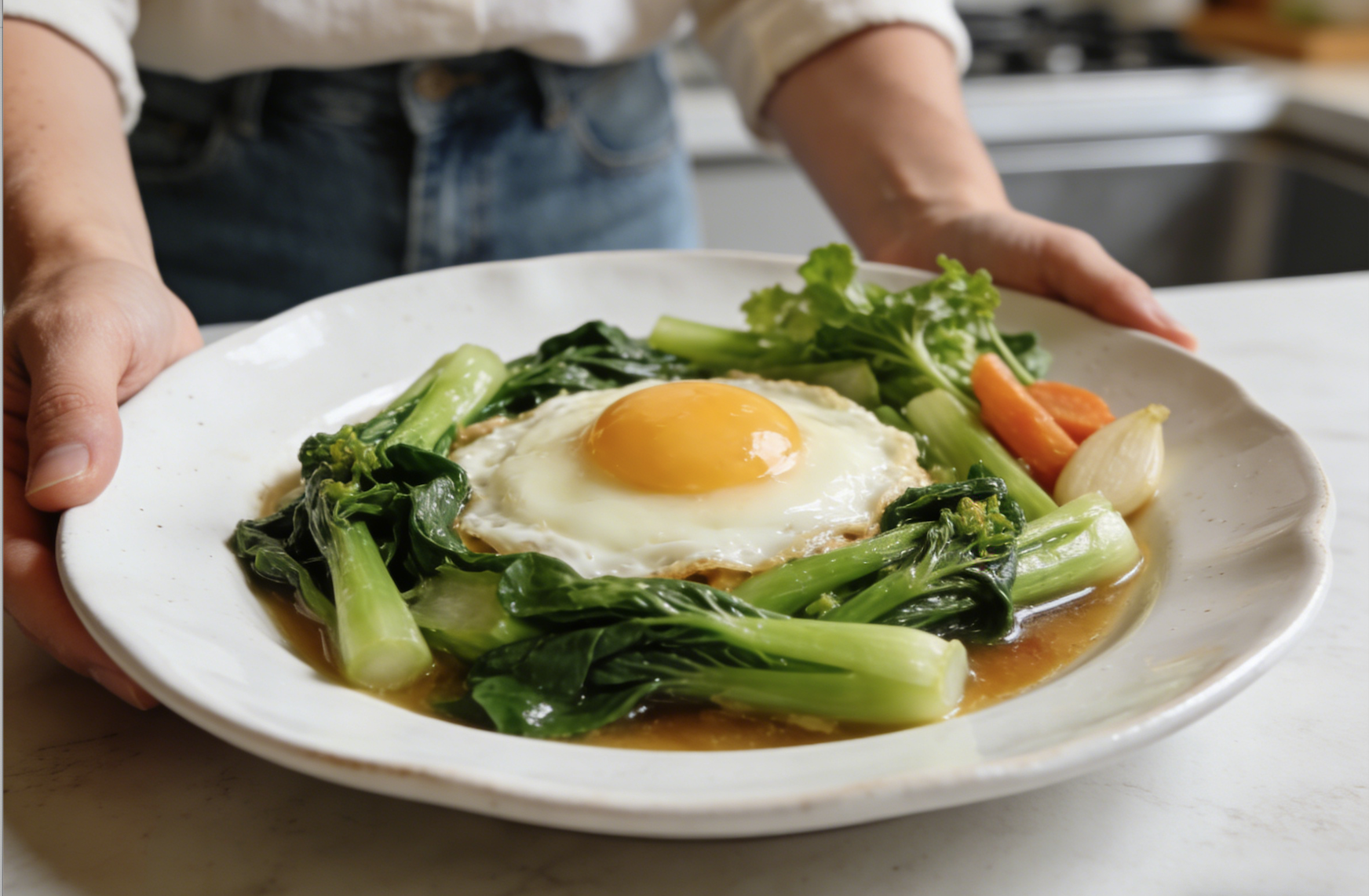
Five recommended home-style recipes for people with high cholesterol
This article recommends five easy-to-make, healthy home-style recipes for people with high cholesterol, including Longjing shrimp and green bean, sweet potato, and old pigeon soup. These dishes help regulate blood lipids, allowing for daily dietary management of lipid levels while maintaining both nutrition and deliciousness, making them suitable for long-term consumption by people with high cholesterol.
2026-03-06