
Detailed Explanation of Diagnostic Criteria for Hyperlipidemia: Six Subtypes and Clinical Manifestations
Clinical Manifestations of Hyperlipidemia
Diagnostic Criteria for Hyperlipidemia: Since blood lipids are transported in the blood in the form of lipoproteins, hyperlipidemia can also be considered hyperlipoproteinemia. Based on the different combinations of cholesterol and triglyceride levels, hyperlipidemia can be classified into Type I, Type II, Type III, Type IV, and Type V hyperlipoproteinemia. Abnormal metabolism of any type of lipoprotein will lead to an increase in a specific lipoprotein; therefore, by identifying which lipoprotein is elevated, the type of hyperlipidemia can be diagnosed.
Type I Hyperlipoproteinemia
A common hereditary disease. Due to a congenital deficiency in lipoprotein lipase, exogenous triglycerides cannot be dissolved, resulting in a large accumulation of chylomicrons in the blood. The plasma is creamy; when placed in a 4°C refrigerator overnight, the upper layer is milky white and creamy, while the lower layer is clear; triglycerides are significantly elevated, while cholesterol levels are normal or only slightly elevated.
Type II hyperlipoproteinemia: Type II hyperlipoproteinemia is an autosomal dominant genetic disorder and the most common type of hyperlipidemia. It is caused by several gene defects, leading to increased low-density lipoprotein (LDL) levels and a decreased number of LDL receptors on cell surfaces. This results in a reduced plasma clearance rate of LDL, causing it to accumulate in the blood and thus raising plasma cholesterol levels. Type II hyperlipoproteinemia can be further divided into Type IIa and Type IIb.
Type IIa hyperlipoproteinemia is characterized by a simple increase in plasma LDL levels; the plasma remains completely clear after standing. Cholesterol levels are elevated, while triglyceride levels are normal. It can be secondary to Cushing's syndrome, hypothyroidism, anorexia nervosa, use of glucocorticoids, nephrotic syndrome, primary liver cancer, and diabetes.
Type IIb hyperlipoproteinemia is characterized by an increase in both very low-density lipoprotein (VLDL) and LDL levels in the plasma. The plasma remains mostly clear after standing, but some may show slight turbidity. Both cholesterol and triglyceride levels are elevated. It can be secondary to diabetes, liver disease, hypothyroidism, kidney disease, obesity, and alcoholism.
Type III Hyperlipoproteinemia: Type III hyperlipoproteinemia is a relatively rare familial disease, mainly due to increased levels of chylomicron and very low-density lipoprotein (VLDL) remnants in the plasma. Patients often develop flat xanthoma, nodular xanthoma, early-onset coronary artery disease, and tendon xanthoma between the ages of 30 and 40. Abnormal lipoproteins are present in the plasma, which is usually cloudy and often has a blurred creamy layer. Cholesterol and triglycerides are both significantly elevated, with similar degrees of elevation. Type III hyperlipoproteinemia can cause nodular rashes, specific xanthomas, and has a significant tendency for early-onset atherosclerosis, even leading to severe atherosclerosis.
Type IV hyperlipoproteinemia is very common clinically, usually developing after the age of 20. It can be familial or due to acquired factors. The main manifestations include tendon xanthomas, subcutaneous nodular xanthomas, retinal lipemia, and rapidly progressive atherosclerosis. Plasma appears clear or cloudy, but lacks a chylomicron-topped layer. Triglycerides are significantly elevated, while cholesterol is mostly normal or slightly elevated. It can be secondary to obesity, chronic renal failure, nephrotic syndrome, diabetes, and excessive alcohol consumption.
Type V Hyperlipoproteinemia, also known as hyperchylomicronemia, is caused by elevated levels of chylomicrons and very low-density lipoprotein. It is a combination of type I and type IV hyperlipoproteinemia, clinically manifesting as hepatosplenomegaly, abdominal pain accompanied by pancreatitis, etc. Plasma is cloudy or creamy, with persistently elevated triglycerides, while cholesterol levels are normal or slightly elevated. It has a low incidence, mostly occurring in adults. It is considered a subtype of type IV and is often associated with obesity or alcoholism. It can be secondary to hepatosplenomegaly, abdominal colic, hyperuricemia, and hyperglycemia, and even carries the risk of life-threatening pancreatitis.
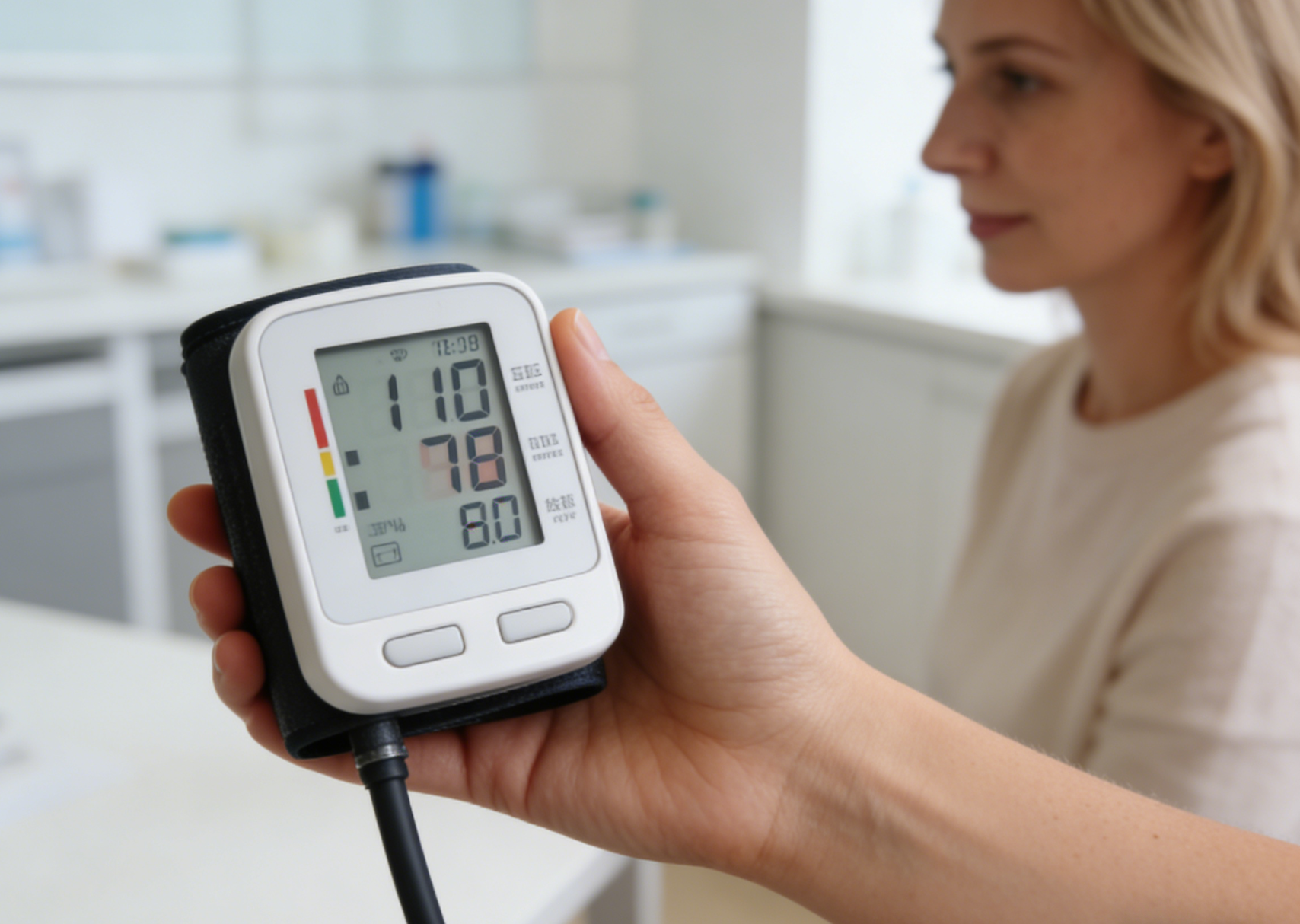
Detailed Explanation of the Correct Steps and Key Precautions for Measuring Blood Pressure
This article details the principles and key steps of blood pressure measurement using a cuff, including cuff selection, environmental preparation, patient positioning, and proper inflation and deflation techniques. Mastering these points ensures accurate and reliable blood pressure measurements each time, providing a valid basis for health monitoring.
2026-03-07
Detailed Explanation of the Definition of Hypertension and Analysis of its Seven Key Contributing Factors
This article elaborates on the definition of hypertension, clarifying the normal and elevated blood pressure ranges based on World Health Organization standards. It also systematically analyzes seven key contributing factors to elevated blood pressure, including genetics, obesity, smoking, and alcohol consumption, helping you comprehensively understand the causes of hypertension and effectively prevent it.
2026-03-07
Detailed Explanation of the Difference Between Hypertension and Hypertensive Disease and the Clinical Manifestations of the Four Major Types
This article clearly distinguishes between "hypertension" as a symptom and "hypertension as a disease" as an independent condition, and provides a detailed analysis of the characteristics and clinical manifestations of four types of hypertension: slow-onset, rapid-onset, etc. It helps you correctly understand the different natures of elevated blood pressure, the severity of different types of blood pressure problems, and provides a basis for timely diagnosis and treatment.
2026-03-08