
Weight Loss and Emotional Regulation: Psychological Counseling and Anger Management Methods for High Blood Pressure, High Cholesterol, and High Blood Sugar
Get Lost, Angry Guy! – How to Eliminate Anger
So how do you eliminate anger? Here are a few suggestions:
(1) Find the Cause of Anger
To solve the problem of anger, first find the cause. The cause of anger, in essence, is that things didn't go according to your wishes or expectations, leading to conflict. Life is full of disappointments; since disappointments happen often, less anger will naturally lead to more happiness.
(2) Change the Environment
When you're angry, you need to control yourself. Many people can't control themselves. What to do? Try changing the environment first. That is, when you're angry, don't face the person or event that makes you angry. Go for a walk, calm down, look at the scenery, wash your face with cold water, listen to music, look at beautiful pictures, play on your phone, distract yourself, and achieve the goal of easing anger.
(3) Breathing Adjustment
When you're angry, regulate your internal energy through deep breathing. Take 30 deep breaths consecutively, focusing your attention on your breathing. If you can do this, you can alleviate the problem of anger.
(4) Rational Analysis Method: All anger is cyclical. Can you stay angry indefinitely? As emotions and hormones subside, anger dissipates. Therefore, thinking about it this way, your anger is completely unnecessary. Calm down and think about how to solve the problem. The issues that make you angry all have a core reason; address that core reason properly.
(5) Self-Encouragement Method: Comfort and encourage yourself with philosophical principles or famous quotes to fight against pain and adversity. Entertaining yourself will improve your mood.
(6) Language Regulation Method: Language is a powerful tool for influencing emotions. For example, when you are sad, reciting humorous or witty poems can eliminate sadness. Using self-reminders, self-commands, and self-suggestions such as "control anger," "endure," and "calm down" can also regulate your emotions.
(7) Environmental Constraint Method: The environment plays an important role in regulating and constraining emotions. When feeling depressed, going outside for a walk can help regulate emotions. When feeling unhappy, playing games in an entertainment venue can relieve sorrow and boredom. When feeling anxious, the best way to cope is to watch a comedy movie.
(8) Attention Shifting Method: Shift your attention from negative to positive and meaningful aspects; your mood will brighten. For example, when you encounter distress, try to put it aside or find the bright side to alleviate your distress.
(9) Energy Release Method: Negative emotions can be released and relieved through appropriate channels. If negative emotions are not properly released, they can easily affect physical and mental health. Therefore, when you need to cry, you should have a good cry. When you are upset, confide in a close friend; when you are dissatisfied, vent your frustrations; when you are angry, vent your anger appropriately; when you are feeling down, you can sing a cheerful song.
Although anger can harm your health, when you are truly angry, remember not to hide your emotions and bury your suppressed feelings inside! Suppressing your anger will only bring you huge hidden dangers.
Why Nursing "Three Highs" Should Start from the Heart
Whether it is hypertension, hyperlipidemia, or hyperglycemia, patients are psychologically very vulnerable. Hypertension, as a psychosomatic disease, is significantly influenced by sociopsychological factors in its occurrence, development, progression, and prognosis. Studies show that people exposed to noisy environments are more likely to develop hypertension; sudden changes in life relationships such as widowhood, divorce, loss of a loved one, or living alone can affect hypertension; negative social experiences and unhealthy behaviors can increase the risk of sudden-onset hypertension; persistent stress, anxiety, fear, anger, and hostility can all trigger hypertension. Due to elevated blood pressure, hypertensive patients experience extreme emotional instability and are highly sensitive to their environment; even minor factors can cause a sustained increase in blood pressure. For example, hypertensive patients are prone to anger, which can lead to uncontrolled blood pressure and worsen their condition. Hypertension has become one of the most serious and common diseases threatening human health today. While causing significant physical harm, hypertension also places a heavy psychological burden on patients. Therefore, the treatment of hypertension requires not only medication but also psychological support and guidance. Releasing the White Doves of Emotion—Caring for Hypertension, Hyperlipidemia, and Hyperglycemia from the Heart
So, how can we provide psychological support to patients with hypertension? Effective methods include:
(1) Psychological Counseling
This method is mainly applicable to patients with hypertension caused by the aforementioned adverse social and psychological factors. When patients encounter adverse stimuli, such as sudden changes in life (widowhood, divorce, death of a loved one); disharmonious interpersonal relationships (neighborhood disputes, tense family relationships, poor relationships with colleagues and leaders at work); changes in geographical environment; addiction to smoking and drinking; long-term work and life in noisy conditions, engaging in monotonous or highly concentrated work; long-term stressful stimuli, such as feeling helpless, pessimistic and disappointed, being wronged, or experiencing intolerable setbacks, etc., individualized care should be provided, and patients should be properly guided to provide psychological support, understand the impact of external factors on their disease, stabilize their emotions, and thus alleviate psychological stress to achieve the goal of lowering blood pressure. (2) Full-body relaxation method: Begin by training the patient in relaxation techniques, explaining relevant knowledge about hypertension, and recording relaxation instructions on a cassette tape. Then, have the patient sit in a chair or on a bed, place their hands naturally on their knees, close their eyes, focus their attention on the soles of their feet, and breathe evenly and slowly. Then, slowly open their eyes and relax their entire body. This method helps the patient eliminate distracting thoughts, relieve psychological and social tension, and achieve the goals of regulating the body, breath, and mind, thereby lowering blood pressure.
(3) Music listening method: While ensuring it doesn't disturb others, frequently play music that the patient enjoys. Music can relieve the patient's social pressures and also shift their attention, creating a new environment. Contextual music and soothing music can improve the patient's anxiety and achieve a blood pressure-lowering effect.
(4) Interest cultivation method: Based on the patient's age, gender, habits, hobbies, and cultural background, cultivate various interests, such as painting, stamp collecting, reading, and playing musical instruments. Interests can create pleasant psychological experiences, cultivate a love for life, and help the patient eliminate concerns about the disease through participation and pursuit. (5) Hypnotic Suggestion Method
First, use verbal suggestions to help the patient relax, calm down, and clear their mind. Then, have the patient focus on a fixed target or listen to a monotonous, rhythmic sound. The nurse then uses repetitive, monotonous language to induce a semi-sleep state of complete relaxation. At this time, the patient may experience a feeling of comfort and tranquility, showing a willingness to talk to the nurse. The nurse can then use suggestive techniques to help the patient reveal suppressed memories and emotions, and through the nurse's guidance, lower blood pressure.
In conclusion, the treatment of hypertension should not be limited to medication; it should address the underlying causes and provide psychological care.

The dual importance of a quiet environment and a regular lifestyle for patients with hypertension
This article explores the importance of a quiet environment and a regular lifestyle for patients with hypertension, analyzes how noise affects blood pressure fluctuations, and emphasizes the key role of maintaining a good sleep schedule in stabilizing blood pressure and preventing complications.
2026-02-28
Daily Health Care Guide for Hypertension Patients: Ten Details to Help Stabilize Your Blood Pressure
This article provides ten daily health care tips for patients with hypertension, covering aspects such as morning routines, diet, rest, and regular sleep patterns, to help establish lifestyle habits that are beneficial for stable blood pressure. Following these recommendations can help supplement medication control and achieve long-term stable blood pressure management.
2026-02-28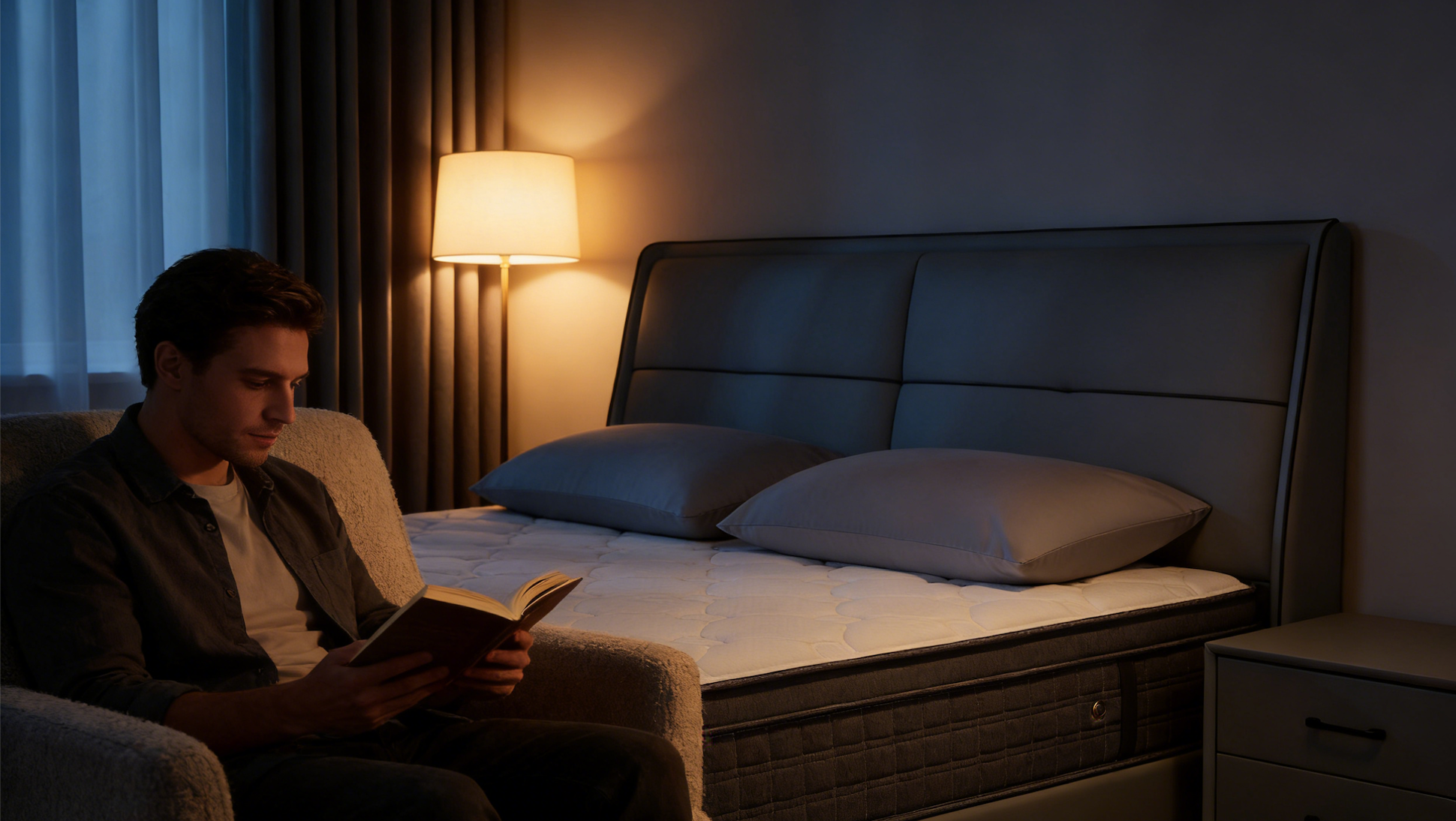
How can patients with hypertension stabilize their blood pressure by improving sleep quality?
This article provides five practical suggestions for improving sleep quality for patients with hypertension, including afternoon naps, dietary adjustments, and bedtime habits. Good sleep helps reduce blood pressure fluctuations and assists medication in achieving more stable blood pressure control, making it an important part of hypertension management.
2026-02-28