
Detailed Explanation of the Difference Between Hypertension and Hypertensive Disease and the Clinical Manifestations of the Four Major Types
The difference between hypertension and hypertension as a disease: Hypertension and hypertension as a disease are two different concepts. Hypertension is merely a symptom, not an independent disease. Many diseases, such as acute and chronic nephritis, pyelonephritis, hyperthyroidism, pheochromocytoma, Cushing's syndrome, and primary aldosteronism, can cause elevated blood pressure. However, because this type of hypertension is secondary to the aforementioned diseases, it is usually called secondary hypertension or symptomatic hypertension.
Hypertension as a disease, also known as primary hypertension, is an independent disease, accounting for more than 90% of hypertension cases. Its causes are not yet fully understood. Clinically, it is mainly characterized by elevated arterial blood pressure, but as the condition worsens, it often affects organs such as the heart, brain, and kidneys, causing functional or organic changes, such as hypertensive heart disease, heart failure, renal insufficiency, cerebral hemorrhage, stroke, and other complications.
Due to the different etiologies and pathologies, the treatment principles also differ. Primary hypertension requires aggressive treatment to effectively prevent complications. Secondary hypertension, however, requires treatment of the underlying disease to effectively control its progression; antihypertensive drugs alone are rarely effective. Therefore, in clinical practice, other causes of hypertension must be ruled out before a diagnosis of hypertension can be made.
Slow-onset hypertension, also known as benign hypertension, typically develops after middle age and is the most common type of hypertension. It is characterized by slow progression, a course of 10-20 years, and a lack of specific clinical manifestations. Early on, blood pressure often rises during exertion, mental stress, or emotional excitement, returning to normal after rest. As the condition progresses, blood pressure gradually increases and becomes persistent. Early on, most patients are asymptomatic, but some may experience dizziness, headache, tinnitus, blurred vision, insomnia, forgetfulness, poor concentration, and fatigue. Conjunctival hemorrhage, nosebleeds, and menorrhagia may also occur. In the later stages, blood pressure remains consistently high, and organic damage to the heart, brain, kidneys, and fundus may occur, along with corresponding clinical symptoms.
Malignant Hypertension: This type of hypertension mostly occurs in young and middle-aged adults, with a male-to-female ratio of approximately 3:1. Due to its rapid progression, it is also known as malignant hypertension. Various symptoms are pronounced, the condition develops rapidly, and blood pressure rises significantly. Diastolic blood pressure often remains above 130-140 mmHg, and retinopathy and kidney failure may occur. With the significant increase in blood pressure, severe damage to the heart, brain, and kidneys, along with corresponding clinical manifestations, often develops within months or 1-2 years.
Special Type of Hypertension: This type can occur at any stage of hypertension. Factors such as stress, fatigue, emotional changes, or improper medication can cause temporary and intense spasms in the small arteries throughout the body, leading to a rapid rise in blood pressure. Systolic blood pressure can reach 260 mmHg, and diastolic blood pressure can exceed 120 mmHg. A series of severe symptoms will appear, such as severe headache, dizziness, irritability, palpitations, excessive sweating, nausea, vomiting, pallor or flushing, and blurred vision. In severe cases, angina pectoris, pulmonary edema, kidney failure, and hypertension may occur. During an attack, the symptoms are generally brief, and the condition can improve rapidly after blood pressure is controlled, but relapse is very common.
Hypertensive encephalopathy: Hypertensive encephalopathy refers to acute, comprehensive brain dysfunction caused by a sudden increase in blood pressure. It is a common clinical emergency, often occurring in malignant or gradually progressive hypertension. Under certain triggering factors, blood pressure suddenly rises or rapidly increases within a short period, causing a series of serious clinical manifestations such as headache, vomiting, and altered consciousness. Mild cases may only present with irritability and confusion, while severe cases can lead to convulsions, coma, transient blindness, aphasia, and hemiplegia.
In adults, a systolic blood pressure between 130 and 139 mmHg and a diastolic blood pressure between 85 and 89 mmHg is considered borderline hypertension. Although borderline hypertension is not considered hypertension, its cardiovascular morbidity and mortality rates are higher than in the general population. A portion of these cases can develop into confirmed hypertension, therefore, it should be taken seriously.

Beware of diabetic foot: How should patients with high blood sugar take care of their feet daily?
This article details the risks and key points of daily care for diabetic foot, emphasizing that good blood sugar control is the foundation of prevention, and provides 12 specific foot protection measures. Through scientific care, patients with high blood sugar can effectively prevent serious complications such as foot infections and ulcers, thus ensuring their quality of life.
2026-01-20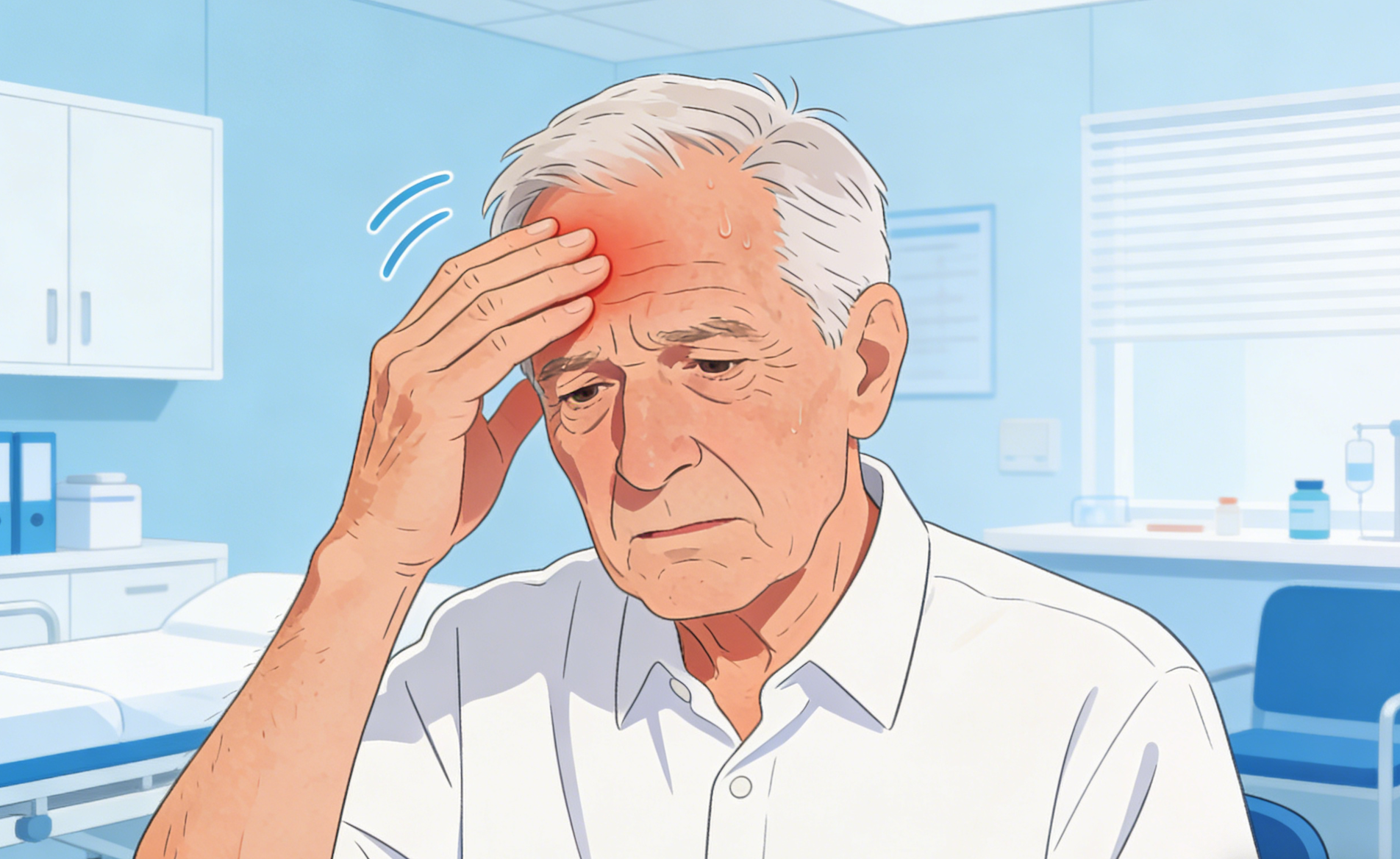
Does dizziness in the elderly require a blood lipid test? Clarifying that lower cholesterol isn't always better.
This article explores the potential link between dizziness and dyslipidemia in the elderly, clarifying the common misconception that "the lower the cholesterol, the better." It elucidates the essential physiological functions of cholesterol and emphasizes the importance of scientifically managing and maintaining a balanced blood lipid level for the prevention of cardiovascular and cerebrovascular diseases.
2026-01-20
Guidelines for Healthy Lifestyle Habits and Seasonal Care for Patients with Hyperlipidemia
This article provides specific suggestions for patients with hyperlipidemia to establish good lifestyle habits, emphasizing their importance in managing and controlling blood lipid levels. It also analyzes the impact of seasonal changes on blood lipids and guides on how to maintain stable blood lipid levels throughout the year through dietary adjustments.
2026-01-20