
Diabetes Diagnosis and Medication: Blood Glucose Standards and Drug Selection
What are the diagnostic criteria for diabetes?
There are various methods for detecting diabetes, but the only basis for diagnosing diabetes is venous blood glucose. While finger-prick blood glucose levels measured with a glucometer can be used as an indicator for diabetes detection, they cannot be used as a diagnostic basis. According to internationally unified standards, a fasting blood glucose level equal to or higher than 7.0 mmol/L, or a 2-hour postprandial blood glucose level equal to or higher than 11.1 mmol/L, is sufficient for a diagnosis of diabetes. A blood glucose level equal to or higher than 11.1 mmol/L 2 hours after a glucose tolerance test can also be used to diagnose diabetes. Principles of Hypoglycemic Drug Use
What is drug treatment for diabetes? Drug treatment for diabetes includes oral hypoglycemic agents and insulin therapy.
① Oral hypoglycemic agent therapy: When blood glucose levels in type 2 diabetes patients are still not well controlled after a period of dietary adjustments and exercise therapy, oral hypoglycemic agents can be started under the guidance of a doctor. Newly diagnosed type 2 diabetes patients with high blood sugar levels should begin oral medication. It is crucial to understand that medication cannot replace dietary and exercise therapy; it should only be used in conjunction with these methods. There are many types of oral hypoglycemic agents, the most commonly used being insulin secretagogues (such as sulfonylureas and benzoic acid derivatives), insulin sensitizers (such as biguanides and thiazolidinediones), and alpha-glucosidase inhibitors. The choice of medication should be made under the guidance of a doctor, depending on the individual patient and their symptoms. It is important to note that type 2 diabetes is a chronic disease requiring consistent, lifelong treatment.
② Insulin therapy: Insulin is a hormone secreted by pancreatic beta cells that enables the body to effectively utilize glucose from food, while simultaneously transporting, transporting, and storing it to lower blood sugar. Type 1 diabetes patients develop diabetes due to extensive destruction of pancreatic beta cells and a lack of insulin, requiring insulin injections. Type 2 diabetes patients require insulin injections when oral hypoglycemic agents are ineffective, or when acute complications, severe chronic complications, pregnancy, or other stressful conditions occur.
How should newly diagnosed diabetic patients choose oral hypoglycemic drugs?
Patients with no symptoms or very mild symptoms should not blindly accept hypoglycemic drug treatment after initial diagnosis. They can first try simple treatment (dietary regulation) for one month, combined with exercise, especially obese patients who should lose weight. If the initial diagnosis presents with typical symptoms of polyuria, polydipsia, and weight loss, it is not necessary to try simple diet treatment first. If there is no ketonuria, oral sulfonylurea hypoglycemic drugs can be started immediately, along with diet control and exercise.
① For non-obese type 2 diabetic patients, if fasting blood glucose is still >11.1 mmol/L after one month of simple diet treatment, sulfonylurea drug treatment can be started. For those without diabetic symptoms and with fasting blood glucose <11.1 mmol/L, the initial dose is 1.25 mg/day of glibenclamide (Euglucon) or 40 mg/day of gliclazide (Diamicron). For those without diabetic symptoms and with fasting blood glucose >11.1 mmol/L, the above doses are doubled. For patients whose blood glucose control is unsatisfactory after one week of treatment, the dosage should be rapidly increased. If typical diabetic symptoms are present and fasting blood glucose is >13.9 mmol/L, a stronger hypoglycemic agent should be chosen at a higher dose, such as glibenclamide (Euglucon), which can be used up to 7.5–15 mg/day.
② For obese type 2 diabetic patients, if fasting blood glucose is >11.1 mmol/L after one month of dietary therapy, biguanides or acarbose (Glucobay) can be started. If fasting blood glucose is still >11.1 mmol/L after two weeks of treatment, sulfonylureas can be added. If fasting blood glucose is >16.7 mmol/L, sulfonylureas should be started for 7–10 days. If blood glucose does not decrease significantly, biguanides or Glucobay should be added.
What factors should be considered when selecting oral hypoglycemic agents? ① Selection based on obesity or thinness: Obese patients can choose biguanides [such as metformin (Glucophage)], alpha-glucosidase inhibitors [such as acarbose (Acarbose)], or thiazolidinediones [such as rosiglitazone (Avandia)]. Patients of normal weight or thinness can choose insulin secretagogues, such as sulfonylureas like glibenclamide and glimepiride, and benzoic acid drugs like NovoLog. Insulin injection is also an option.
② Selection based on blood glucose levels: Patients with both high fasting and postprandial blood glucose can choose sulfonylureas or biguanides. Those with predominantly postprandial hyperglycemia can choose alpha-glucosidase inhibitors (such as Acarbose) or benzoic acid drugs (such as NovoLog). When fasting glucose is ≥15 mmol/L, insulin treatment can be used initially, followed by oral hypoglycemic agents once blood glucose is controlled.
③ Selection based on liver and kidney function: Patients with liver dysfunction should avoid thiazolidinediones (Avandia), and other oral hypoglycemic agents should also be used with caution; patients with kidney dysfunction can choose glimepiride (Glucobay); patients with both liver and kidney dysfunction should be treated with insulin.
④ Selection based on the presence or absence of comorbidities in type 2 patients:
a. Type 2 diabetes with liver disease: In this case, drugs metabolized by the liver, such as sulfonylureas and biguanides, are not recommended. Alpha-glucosidase inhibitors, such as acarbose (Glucobay) and voglibose (Beixin), are preferable because these drugs are mainly degraded by bacteria or digestive enzymes in the intestines and excreted primarily in feces, with a small portion excreted in urine, thus having less impact on the liver. Traditional Chinese medicine preparations such as Tangmaikang and Shenqi Jiangtang granules can also be used. If blood sugar does not decrease, insulin treatment should be used instead.
b. For patients with type 2 diabetes and cardiovascular and cerebrovascular diseases: These patients have poor tolerance to hypoxia and hypoglycemia due to insufficient blood supply from cardiovascular and cerebrovascular diseases. It is advisable to choose short- to medium-acting drugs with mild effects, antiplatelet aggregation and fibrinolysis, such as gliclazide (Diamicron) and glipizide (Glipizide).
c. Patients with type 2 diabetes mellitus complicated by pulmonary insufficiency or severe respiratory diseases: Biguanides are not suitable because they can produce acidic metabolites such as lactic acid, leading to acidosis.
d. Patients with diabetes mellitus complicated by nephropathy: Phenformin (Glucagon) should not be used because it can produce lactic acid, which cannot be excreted in patients with renal insufficiency, causing hypoglycemia. Gliquidone (Glucobay) should be chosen instead because it has a short duration of action (4-5 hours), is excreted by the liver, and has less impact on the kidneys.
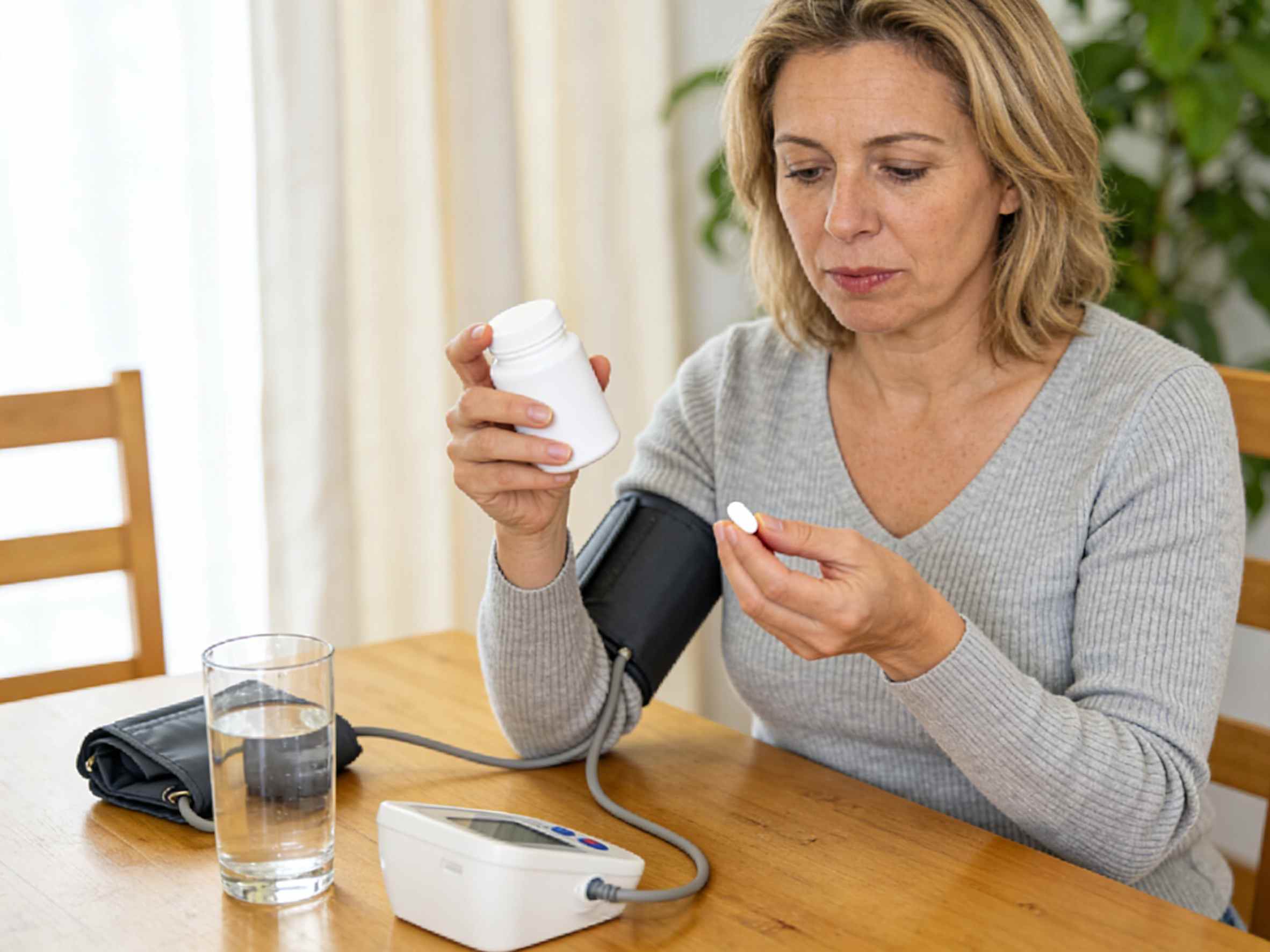
Guidelines for Combination Therapy for Hypertension: Principles, Regimens, and Treatment of Comorbidities
Hypertension often requires combination therapy to effectively achieve target blood pressure. This article details the principles, advantages, and recommended regimens of combination therapy, and provides specific medication guidance for complications such as heart failure and kidney failure, helping you manage hypertension scientifically.
2026-03-22
Guidelines for the Timing of Antihypertensive Medication Administration and Emergency Treatment
When is the best time to take antihypertensive drugs? How to manage a sudden spike in blood pressure? This article details the timing of taking various antihypertensive drugs, emergency procedures, and the proper use of aspirin to help you take antihypertensive drugs correctly and achieve effective blood pressure control.
2026-03-22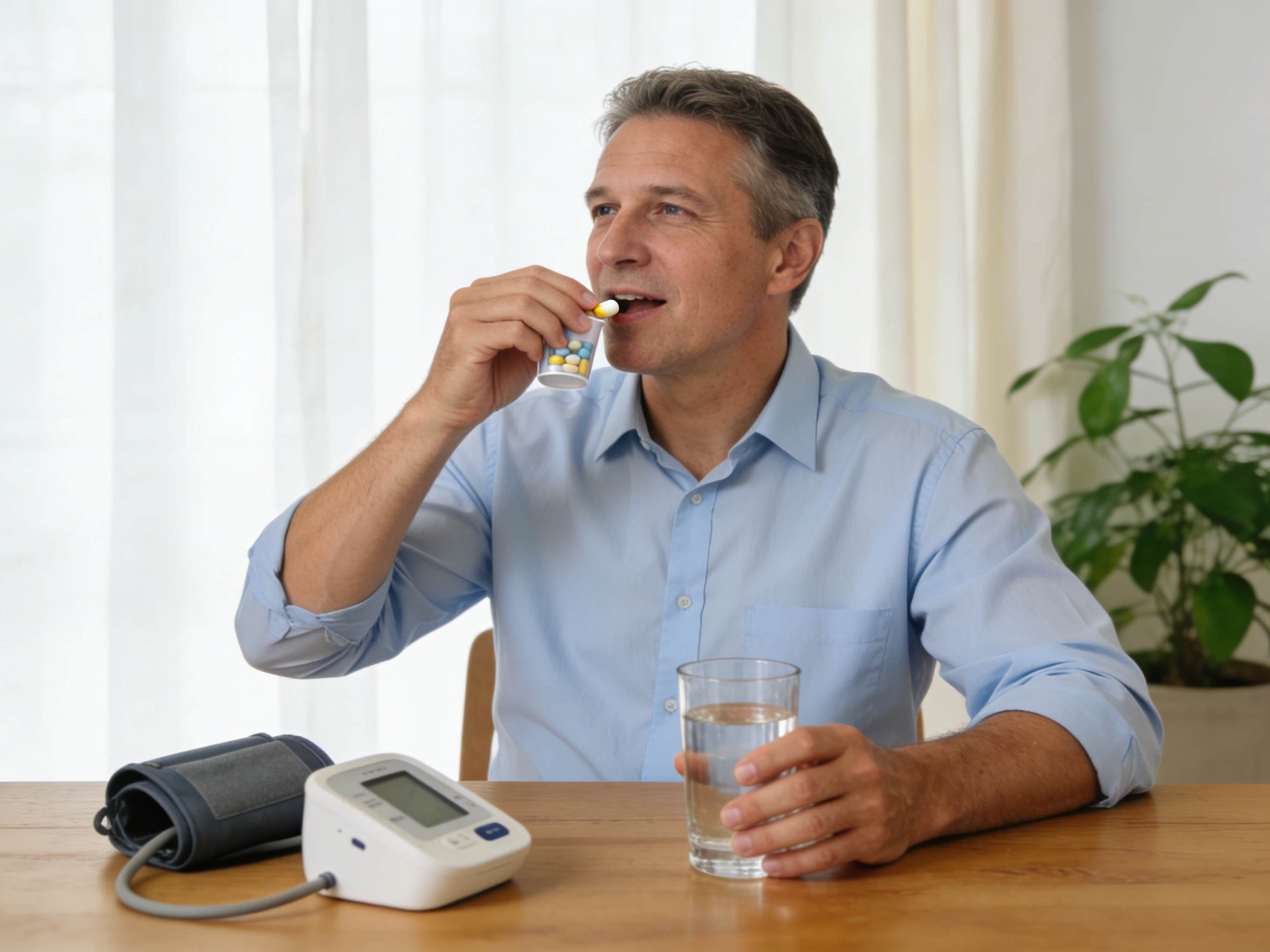
Guidelines for Aspirin Use in Patients with Hypertension: Contraindications and Precautions
Aspirin can prevent cardiovascular and cerebrovascular events in patients with hypertension, but it is not suitable for everyone. This article details the contraindications, precautions, and optimal timing for taking aspirin for patients with hypertension, guiding you to use aspirin safely.
2026-03-22