
Weight Loss and Improved Blood Circulation: A Guide to Home Massage and Exercises for People with High Blood Pressure, High Cholesterol, and High Blood Sugar
Which exercises are suitable for you?
(1) Five exercises to do when you have nothing to do: Scientific health maintenance and stroke prevention
① Shoulder exercises: Relax your shoulders and let your hands hang naturally at your sides. First, rotate your shoulders from back to front 10 times, then from front to back 10 times. After that, raise and lower your shoulders 10 times each, once in the morning and once in the evening. This can relax the shoulder muscles, relieve pressure on the blood vessels and nerves in the neck and shoulders, and promote blood supply to the brain.
② Neck exercises: Relax your neck and move it gently and slowly forward, backward, left, and right. The movements should be slow. This can increase the blood vessels' resistance to pressure and resilience, and promote blood circulation.
③ Head massage: Spread and bend your five fingers, and slowly rotate and press with your fingertips to the top of your head, then press to the back of your head. Alternate hands and press 5 times each. This can improve blood circulation and blood supply to the brain.
④ Neck massage: Bring your five fingers together, rub your hands together until they are warm, and massage the left and right sides of your neck. The speed should be slightly faster, until the skin becomes warm and red. It can promote relaxation of the smooth muscles of the neck blood vessels and reduce blood lipid deposition.
⑤ Hand exercises: Do 3 sets of empty grasping exercises each morning, noon and evening, focusing on the left hand, 300-500 times per set. This can increase the toughness and pressure resistance of the right brain blood vessel walls.
(2) Diabetic patients should adhere to the following three exercises to effectively prevent complications:
① Foot exercises: Lie flat on the edge of the bed, raise both legs and hold this position for 30-120 seconds, then lower both legs, let both feet hang off the edge of the bed and move the ankles up, down, left and right for 3 minutes. Then, wrap several thick towels around a hot water bottle filled with hot water and apply it to both feet for 5 minutes. This can be repeated 5-10 times a day. Elderly and weak diabetic patients can complete this exercise with the assistance of others. The temperature of the hot compress on the feet should not exceed 40℃. This exercise method can promote blood circulation in the lower limbs and improve sensory disturbances in the feet. In addition, patients with this disease can also soak their feet in warm water (around 40℃) for 15 minutes every night. Diabetic patients with a disease course exceeding 5 years who experience symptoms such as coldness, numbness, chills, and pain in their lower limbs and feet should promptly consult a doctor to check for lower limb vascular stenosis or occlusion.
② Ear Exercise Method: Gently grasp both earlobes with both hands, rubbing them from front to back, then from back to front, until the skin of the earlobes is slightly red and the ears feel warm. Then, gently and rhythmically pinch the center of the earlobe with your thumb and forefinger for 1 minute. This can be done once in the morning and once in the evening. This method improves the microcirculation of peripheral blood vessels and enhances the body's adaptability to climate changes.
③ Eye Exercise Method: Close your eyes and relax for 3-5 minutes. Rub your hands together until they are warm, then gently press them against your eyes. Use both palms to rotate and massage the area around your eyes 5 times clockwise and 5 times counterclockwise, repeating 3-4 times. This method improves blood circulation in the eyes, protects small blood vessels in the eyes, and helps prevent eye diseases such as cataracts. It should be noted that this method is contraindicated for diabetic patients with retinal hemorrhage.
(3) Many Benefits of Self-Massage
Massage has been an effective method of health maintenance since ancient times. Studies have found that self-massage can regulate the function of the cerebral cortex, improve blood circulation in the brain, dilate microvessels, increase blood flow, lower blood pressure, and prevent arteriosclerosis. Massaging the following acupoints is very beneficial for lowering blood pressure and lipids. The specific massage methods are as follows:
① Massage the base of the fingernails: All physiological structures in the body are interconnected because the human body itself is a unified whole. High blood pressure can be treated through hand massage. Specifically, use the thumb and index finger of one hand to pinch the base of the nail of the other hand's thumb and rub it in a rotating manner. Then, slowly rub down from the edge of the nail towards the base of the finger. Do not use too much force. Relax when inhaling and apply pressure when exhaling. The most effective way is to do it three times: in the morning, at noon, and before going to bed. This can dilate blood vessels and lower blood pressure.
② Massage the Yongquan point: This is a convenient and practical massage method that can effectively relieve physical fatigue, improve sleep quality, and help stabilize blood pressure. The specific method is to sit on the bed and use the pads of both thumbs to push from the Yongquan acupoint to the heel until a local warming sensation is felt, then stop the operation. Do this once or twice a day. Clinically, foot baths and Yongquan massage are often performed simultaneously for a more ideal blood pressure lowering effect.
③ Massage Baihui acupoint: Baihui acupoint is also known as "Sanyang Wuhui". The *Cai Ai Bian* states, "Sanyang Wuhui, 'Wu' means 'hundred'." It signifies that all the meridians converge here, making it one of the major acupoints of the human body. Baihui acupoint is located on the head. After sitting upright, start from one finger-width above the midpoint between the eyebrows and reach the midpoint of the posterior hairline; this is the acupoint. Massage Baihui acupoint 50 times clockwise and 50 times counterclockwise each time, 2-3 times a day. Consistent massage can calm the mind, clear the brain, and lower blood pressure. (Chapter 3: Exercise)
④ Massage Zusanli acupoint: Zusanli acupoint is located four finger-widths below the outer knee eye, on the edge of the tibia. It can be used to tonify the kidneys and replenish essence, tonify the spleen and stomach, and nourish blood and yin. It is an important acupoint for health maintenance. Press Zusanli (ST36) once a day with your thumb or middle finger, for 5-10 minutes each time, 15-20 times a day. Each press should produce a feeling of soreness, numbness, distension, and heat. Regularly pressing Zusanli can strengthen the spleen and stomach, and lower blood pressure.
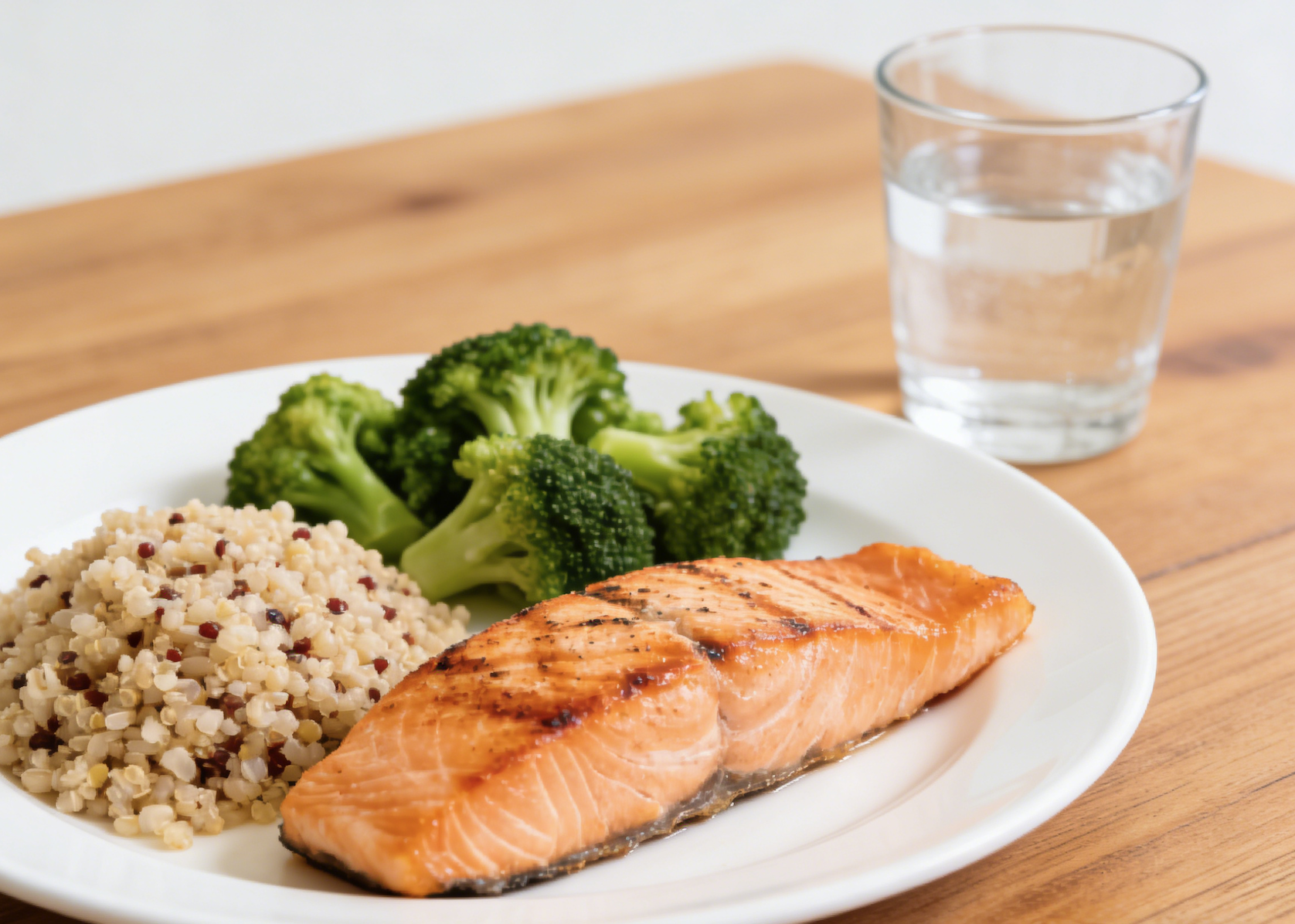
Detailed Explanation of the Harmful Effects of Hypertension on the Heart, Brain, and Kidneys, and Dietary Therapy
This article details the serious harm that hypertension can cause to multiple organs, including the heart, brain, and kidneys, and focuses on specific methods for controlling blood pressure through a scientific diet. Understanding these risks and treatments will help you actively manage your blood pressure and effectively prevent complications by adjusting your diet.
2026-03-09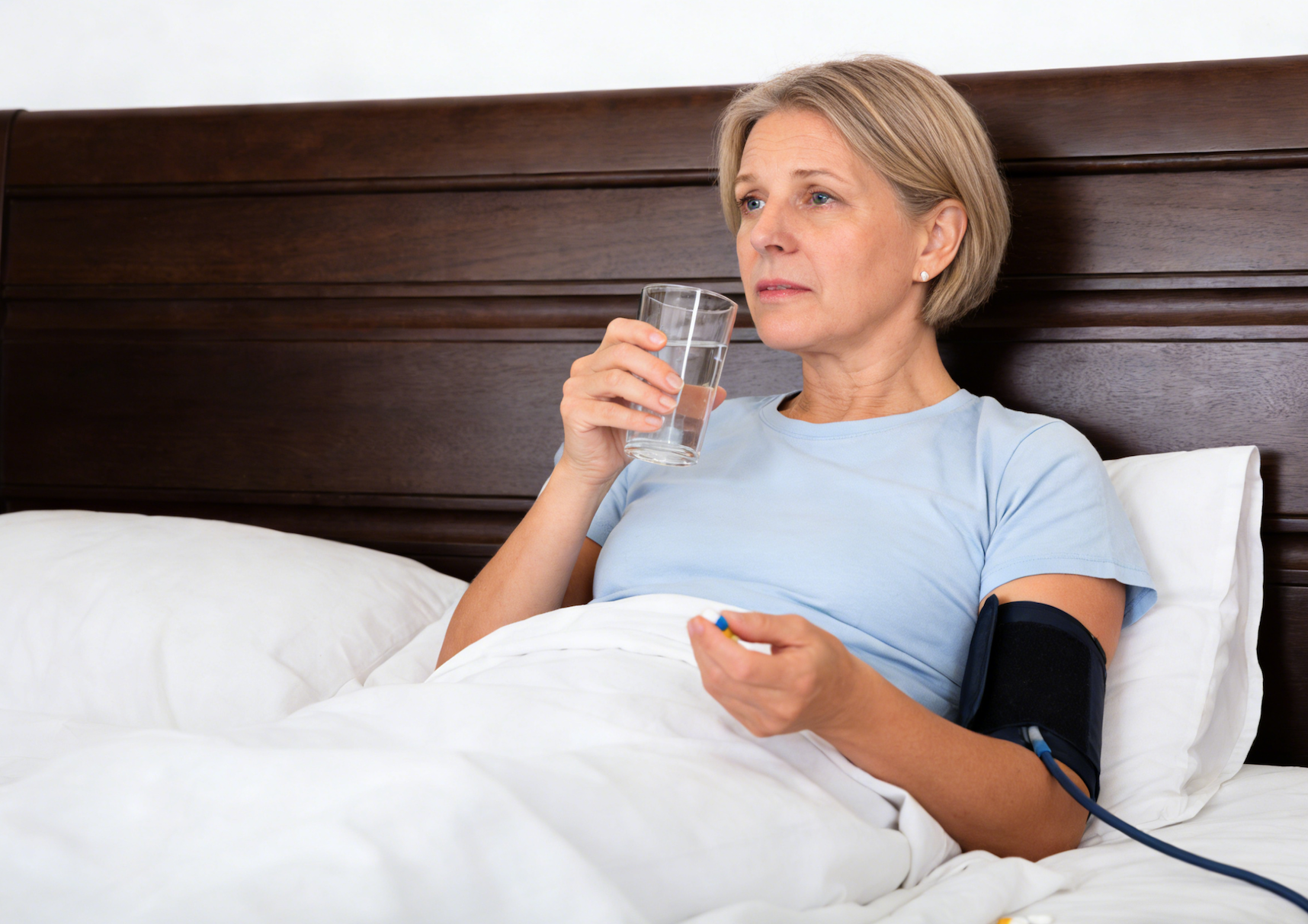
A Comprehensive Guide to Hypertension Treatment: Exercise, Medication, and Follow-up
This article systematically introduces exercise therapy, medication selection, and comprehensive follow-up strategies for hypertension to help patients scientifically control their blood pressure. Understanding aerobic exercise prescriptions, commonly used antihypertensive medications, and regular monitoring procedures helps in effectively managing blood pressure levels and preventing complications.
2026-03-09
How young people can prevent hypertension: A comprehensive analysis of primary prevention strategies
This article emphasizes that blood pressure management should begin in young people, and details the core purpose and five specific measures for primary prevention of hypertension, such as limiting salt intake, supplementing potassium and calcium, etc., aiming to help high-risk groups and the general public control blood pressure from the source and effectively reduce the incidence rate.
2026-03-09