
Dietary guidelines for patients with high blood sugar: Diversification and scientific combination of staple and side dishes
Dietary Recommendations for Patients with High Blood Sugar
A Diverse Diet is Recommended:** While a diabetic patient's diet must be strictly limited and quantified, as long as it stays within the recommended total calorie intake, a diverse range of foods is entirely possible to ensure a comprehensive intake of nutrients. To achieve nutritional balance, staple foods should not consist solely of rice, and side dishes should be as varied as possible.
Once patients have mastered basic calorie calculation methods, they can refer to food conversion algorithms to select foods that suit their tastes, based on the types and quantities of food they should eat at each meal. Cooking methods can also be flexibly adopted, ensuring that the total daily calorie intake is not exceeded while maintaining dietary diversity.
At the same time, patients should avoid picky eating and indiscriminate snacking, and should rationally combine foods to complement each other's strengths and weaknesses, ensuring nutritional balance and improving the utilization rate of various nutrients.
A Scientific Arrangement of Staple and Side Dishes is Recommended:** To maintain stable blood sugar levels, diabetic patients should emphasize eating smaller, more frequent meals. For patients with stable, mild diabetes, at least three meals a day are recommended; two meals a day are strictly prohibited. The recommended daily staple food intake is: 1/5 for breakfast, 2/5 for lunch, and 2/5 for dinner, or 1/3 each for breakfast, lunch, and dinner. Patients with unstable conditions who inject insulin or take oral hypoglycemic drugs need to eat 5-6 meals daily. Snacks are generally 25-50g of staple food taken from regular meals.
Patients injecting insulin often need snacks at 9-10 am, 3-4 pm, and before bedtime, especially at 9 am and before bedtime. It is generally believed that for those not engaged in heavy physical labor, daily staple food intake should ideally not exceed 100g, with the remainder used as snacks. This is very beneficial for controlling blood sugar and urine sugar.
There are four ways to distribute staple food intake throughout the day for diabetic patients:
(1) Resting patients: 200-250g per day.
(2) Patients engaged in light physical labor: 250-300g per day.
(3) Patients engaged in moderate physical labor: 300-350g per day. (4) For patients engaged in heavy physical labor, the daily intake should be over 400 grams.
The total daily calorie distribution needs to be appropriately arranged according to the patient's condition. For those who eat small, frequent meals, in addition to 100 grams each at noon and dinner, the remaining meals should be 50 grams each. Once a regular pattern of daily calorie intake and meal frequency is established, the distribution of the three meals should not be changed arbitrarily, nor should the three meals be treated as two meals. Otherwise, it will disrupt the body's metabolic processes and adversely affect the control of diabetes. Therefore, the daily eating pattern should be maintained.

Analysis of Hypertension in Adolescents: Causes, Characteristics, and Scientific Management Guidelines
This article details the unique causes and characteristics of hypertension in adolescence, emphasizing that although it is often a temporary phenomenon, scientific blood pressure management is crucial. It provides specific suggestions in five areas: mood, sleep, diet, etc., to help adolescents smoothly navigate this stage and maintain long-term blood pressure health.
2026-03-09
Adult Hypertension Prevention Guidelines: Five Key Self-Management Points Explained
This article provides a detailed analysis of five key methods for adults to prevent hypertension through emotional regulation, exercise for weight loss, and dietary adjustments. These methods aim to help readers establish healthy lifestyle habits, effectively manage blood pressure levels, and achieve long-term blood pressure stability.
2026-03-10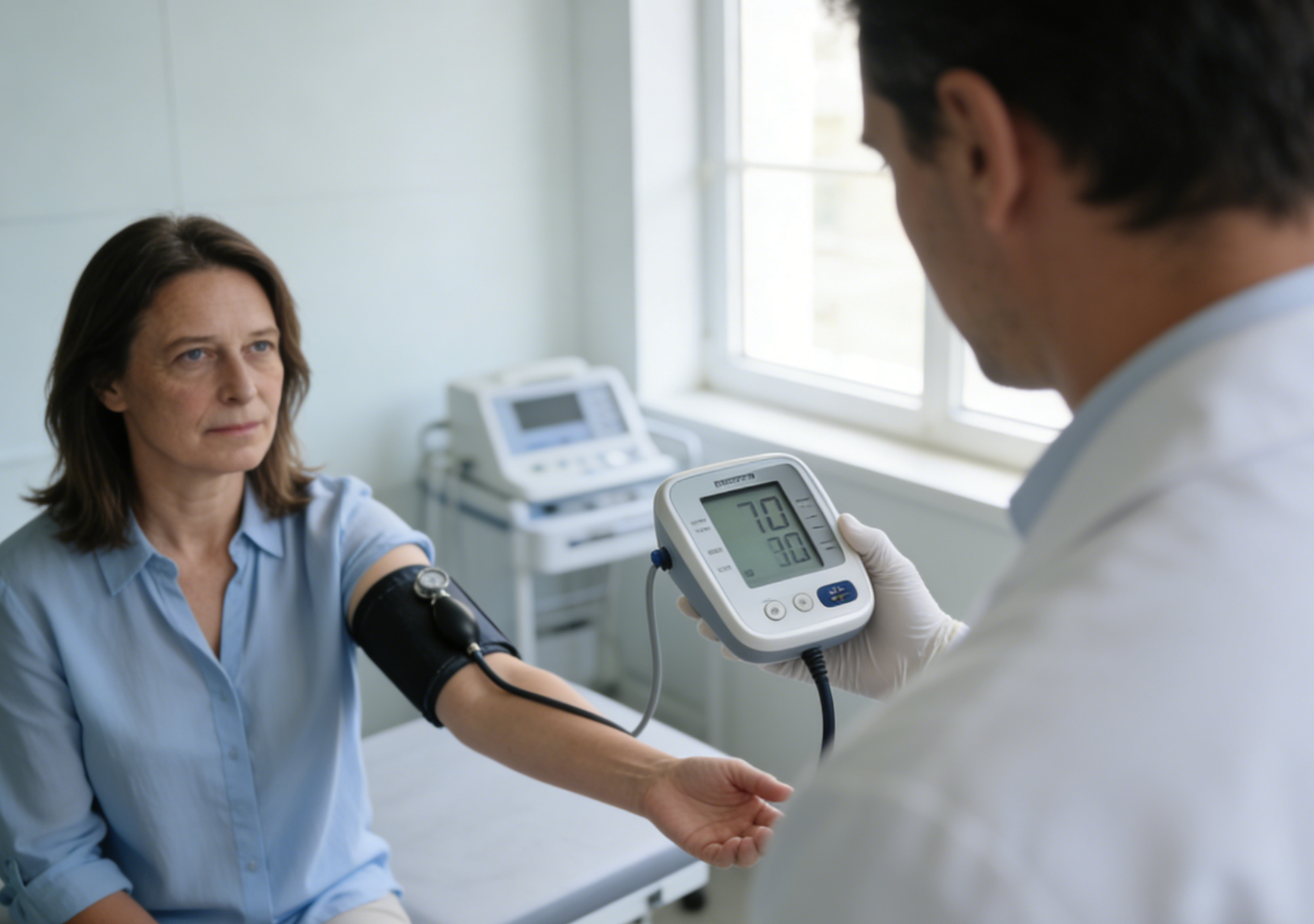
Key Points for Preventing Hypertension in Women and Common Medication Misconceptions
This article details methods for preventing hypertension and medication safety for women, especially during pregnancy. It emphasizes that certain medications, such as nonsteroidal anti-inflammatory drugs (NSAIDs), may raise blood pressure and reminds hypertensive patients to pay attention to cross-effects of medications and manage their blood pressure scientifically.
2026-03-10