
Key Points for Preventing Hypertension in Women and Common Medication Misconceptions
Maintaining a Regular Lifestyle
According to the body's biological clock rhythm, patients with hypertension must develop good habits of sleeping, waking up, and eating on time. For hypertension patients, a regular lifestyle is essential for stabilizing blood pressure and restoring health. Therefore, hypertension patients should ensure sufficient sleep time and avoid excessive mental activity or watching movies/television one hour before bedtime.
In addition, hypertension patients should develop the habit of defecating at a fixed time every day. They should eat more foods rich in fiber, such as beans and celery, to inhibit cholesterol absorption.
Women Should Take Precautions Against Hypertension
Compared to men, women have different physiological characteristics, and therefore often experience some unique conditions, such as gestational hypertension syndrome. This condition usually occurs between 24 weeks of gestation and 2 weeks postpartum, and its main clinical manifestations are hypertension, edema, and proteinuria. In severe cases, it can lead to convulsions, coma, and even threaten the lives of both mother and child.
The key to preventing gestational hypertension is to do a good job of prenatal care, that is, to understand blood pressure levels (pre-pregnancy and early pregnancy blood pressure levels). In addition to measuring blood pressure, each prenatal checkup should also include weight measurement and checking for protein in the urine. Pregnant women with a family history of preeclampsia, a history of chronic persistent hypertension, kidney disease, diabetes, multiple pregnancies, or polyhydramnios should be especially careful. Studies have found that taking 50-150 mg of aspirin daily during the second and third trimesters can reduce the risk of preeclampsia by 65%.
Common Misconceptions about Hypertension
Medications that Worsen Hypertension
With advancements in medicine, numerous medications for treating hypertension have emerged, giving patients more choices and making hypertension control less of a problem. However, hypertension patients often suffer from multiple conditions, requiring the use of other medications in addition to antihypertensive drugs. Will the cross-use of so many medications cause harm? Hypertension patients should be aware that some medications can worsen hypertension; these should be used with caution, or ideally avoided altogether.
Nonsteroidal anti-inflammatory drugs (NSAIDs) comprise a large class of medications including indomethacin, ibuprofen, naproxen, nabumetone, and diclofenac sodium. They possess antipyretic, analgesic, and anti-inflammatory effects and are commonly used to treat acute and chronic rheumatoid arthritis, gouty arthritis, and various types of pain. These drugs can cause fluid retention and edema, exacerbating symptoms in hypertensive patients; therefore, hypertensive patients should use them with extreme caution.
Hypertensive patients taking certain medications for treating depression, especially monoamine oxidase inhibitors such as moclobemide and toloxacin, should be aware that these drugs can raise blood pressure, and blood pressure changes should be closely monitored during medication use.
Female hypertensive patients using estrogens, including natural estrogens such as estradiol, estrone, and estriol, and synthetic estrogens such as ethinylestradiol, norethindrone, and diethylstilbestrol, should be aware that these medications can also cause some degree of fluid retention, thereby worsening hypertension symptoms.
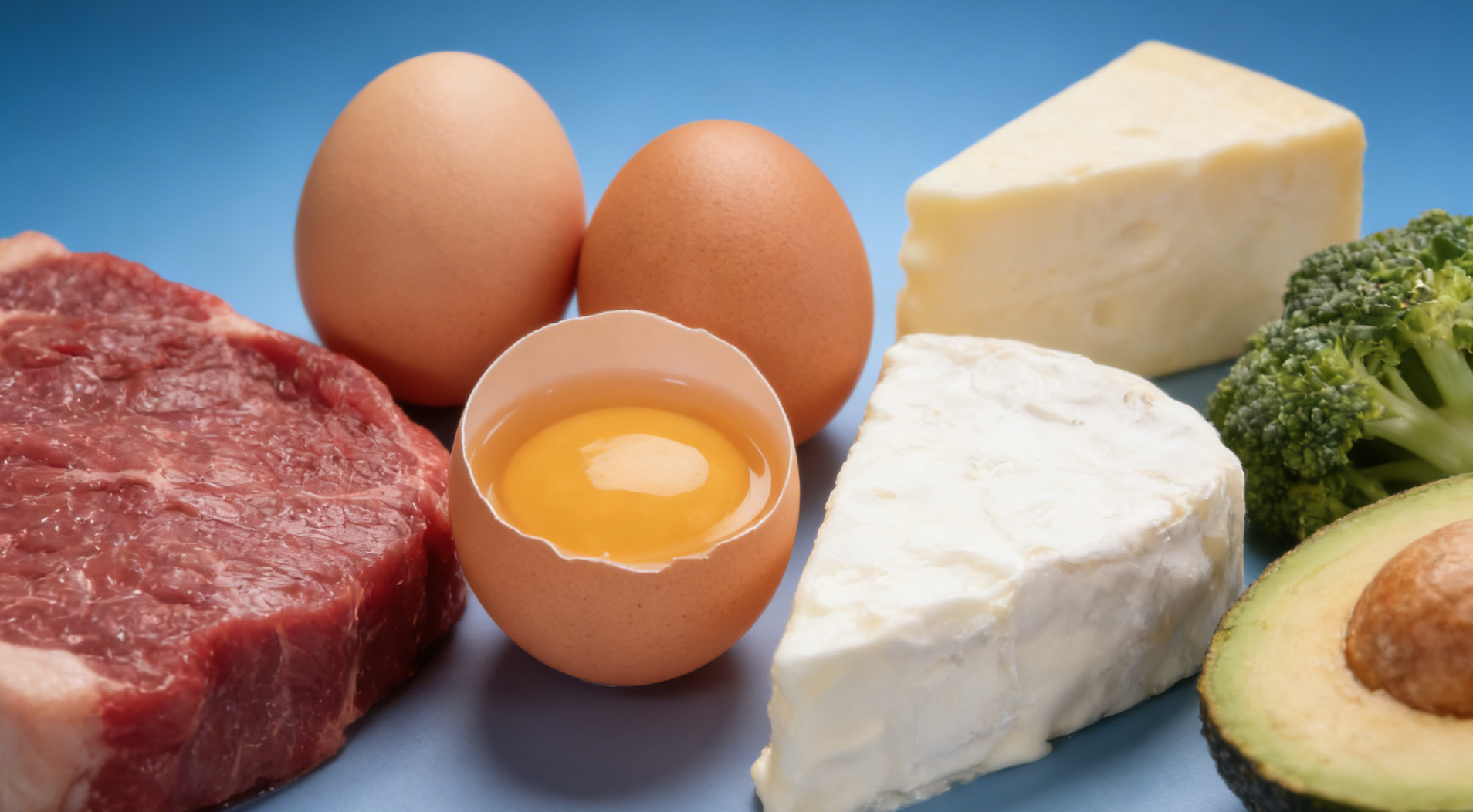
Why should patients with hyperlipidemia avoid high-cholesterol foods and lean meats?
This article reminds patients with hyperlipidemia to limit their intake of high-cholesterol foods (such as animal organs) and excessive lean meat, as both can exacerbate dyslipidemia and increase the risk of atherosclerosis. Scientific dietary control is a key measure for effectively regulating and managing blood lipids.
2026-02-28
The Effects of Coffee and Dieting on Blood Lipids: An Analysis of Scientific Weight Loss and Dietary Taboos
This article explores the potential for excessive coffee consumption to raise blood lipid levels, and the potential harm to the body from relying solely on dieting for weight loss. Understanding these dietary misconceptions can help in adopting more scientific methods to manage and regulate blood lipids, achieving healthy weight loss and blood lipid balance.
2026-03-01
Lifestyle Guidelines for Hypertension Patients: How Daily Habits Affect Blood Pressure and Blood Lipids
This article details key daily precautions for people with hypertension, including proper rice washing to reduce nutrient loss, strict smoking cessation to lower cardiovascular risk, and emphasizing the quality of breakfast. These habits not only help control blood pressure but also play an important role in managing blood lipids and preventing hyperlipidemia.
2026-03-01