
**Following the Seasonal Principles of Nourishment: Summer for Light Nourishment, Autumn for Chestnuts, Winter for Warming Nourishment; Fruit Selection Guide for People with High Blood Pressure, High Cholesterol, and High Blood Sugar, and Various Diseases**
**
What foods should be avoided in moderation during the summer?
(1) Flowers. Not all flowers can be used to make wine or tea. In summer, when flowers are in full bloom, one should never eat flowers that one does not know. For example, the flowers and fruits of oleander contain various glycoside toxins, and the flowers and leaves of evergreen contain oxalic acid and asparagine toxins. Consuming these can cause varying degrees of poisoning.
(2) Chives. Nothing tastes better than dumplings, and chive dumplings are even more delicious. However, the residue levels of organophosphate pesticides in chives were relatively high in random inspections. Large amounts of organophosphate pesticides entering the human body can cause neurological disorders, with symptoms such as excessive sweating and speech disturbances appearing in poisoned individuals. Therefore, chives should be soaked in lightly salted water for at least half a day before consumption.
(3) Broad beans. New broad beans are gradually coming to market in early summer. People with a family history of favism, especially boys under the age of three, must not eat fresh broad beans. If they are accidentally ingested and symptoms such as jaundice and hemoglobinuria occur, it is an acute hemolytic disease, and you should seek medical help immediately.
(4) Pickled vegetables. Pickled vegetables are a staple on many family dinner tables. However, these side dishes commonly use synthetic preservatives such as benzoic acid and sorbic acid during their production. Pickled vegetables with levels exceeding national standards can harm the human body. Furthermore, avoid purchasing food from unlicensed vendors.
What are the principles of dietary supplementation in summer?
Summer diets should consist of light, bitter, and nutritious foods that are easy to digest. Avoid greasy and hard-to-digest foods, and avoid overeating or going hungry. Pay attention to strengthening the spleen and stomach to promote digestion and absorption.
Summer temperatures are high, leading to increased sweating and water intake, which dilutes stomach acid and reduces the secretion of digestive juices, weakening digestive function and causing loss of appetite. In addition, the hot weather causes people to crave raw and cold foods, resulting in gastrointestinal dysfunction or gastrointestinal discomfort or even food poisoning due to unclean food. Therefore, summer diets should be light yet appetite-stimulating to achieve the goal of health preservation.
In summer, it's important to eat foods that promote diuresis and eliminate dampness. Summer's intense heat and high humidity, coupled with a preference for cold drinks and increased water intake, allow external dampness to penetrate the body, causing water retention in the spleen. This impairs the spleen and stomach's digestive functions, leading to water retention and other health problems. Regularly consuming foods that promote diuresis and eliminate dampness strengthens the spleen, restoring its digestive functions and allowing for the elimination of dampness. It's also beneficial to eat more bitter foods, such as bitter melon. In the hot and humid summer, bitter foods help clear away summer heat, eliminate dampness, strengthen the spleen, and improve appetite. Sour foods have astringent properties. Summer's excessive sweating can deplete yin; sour foods can help stop sweating and diarrhea. For example, tomatoes have the functions of quenching thirst, aiding digestion, cooling the blood and liver, clearing heat and detoxifying, and lowering blood pressure.
In summer, appetite decreases and the spleen and stomach functions are relatively sluggish. At this time, consuming light foods helps to stimulate the appetite, increase food intake, and strengthen the spleen. Overeating rich, greasy, and nourishing foods can lead to indigestion and spleen damage, affecting nutrient digestion and absorption, and harming health. Therefore, summer diets should focus on foods such as mung beans, white lentils, watermelon, lychee, lotus seeds, buckwheat, jujubes, pork stomach, pork, beef, beef tripe, chicken, pigeon, quail, crucian carp, turtle, soft-shelled turtle, royal jelly, honey, duck, milk, goose, soy milk, sugarcane, and pears.
In summer, it's important to avoid overeating, especially at dinner. As the proverb says, "Eat less, live to ninety-nine." The *Huangdi Neijing Suwen* states, "Eat in moderation," and "Do not overeat." The digestive abilities of the elderly and children are already weak, and this is even more pronounced in summer. Overeating can lead to indigestion, damaging the spleen and stomach, and causing stomach problems. Eating until you are about 80% full will increase your appetite. Summer heat weakens the digestive system, so a balanced diet is crucial to support its function. A proper mix of refined and whole grains is essential. Eat whole grains three times a week, and balance liquids with solids. A good summer diet is two liquids and one solid: noodles or soy milk for breakfast, rice for lunch, and porridge for dinner. A balanced diet of meat and vegetables is also important. Summer meals should primarily consist of leafy greens, melons, and beans, supplemented with meat. Lean pork, beef, duck, and fish/shrimp are good choices. The elderly should primarily consume fish, supplemented with lean pork, beef, and duck. In summer, it's important to eat meals on time, avoiding irregular eating habits that disrupt the normal functioning of the spleen and stomach, leading to stomach problems. In summer, it's best to limit raw and cold foods and drinks, especially ice. The digestive and absorptive capacity of the elderly gradually declines, and the digestive functions of infants and children are still developing. In summer, they are further susceptible to the invasion of heat and dampness, affecting their digestive and absorptive functions. Consuming raw and cold foods and drinks will damage the spleen and stomach. Raw and cold foods are considered cooling in nature; the combination of cold and dampness can deplete the spleen and stomach, leading to diarrhea and abdominal pain.
What are the benefits of eating chestnuts in autumn?
Chestnuts, also known as Chinese chestnuts, are a specialty of my country and are hailed as the "King of Dried Fruits." Abroad, they are sometimes called "ginseng fruit." Scientific experiments have confirmed that chestnuts are rich in nutrients. The fruit contains up to 70.1% sugar and starch, and 7% protein.
In addition, chestnuts contain fat, calcium, phosphorus, iron, and various vitamins, especially vitamins C, B, and carotene, which are higher than in most dried fruits. Chestnuts also have significant medicinal value. The *Mingyi Bielu* lists them as a superior medicine. Tao Hongjing of the Southern Liang Dynasty said they can "benefit qi, strengthen the stomach and intestines, and replenish kidney qi." The *Compendium of Materia Medica* states that they can "treat kidney deficiency and weakness in the lower back and legs; place raw chestnuts in a bag, hang them to dry, eat more than ten daily, followed by pork kidney porridge to aid recovery; with prolonged use, one will become strong and healthy." The *Illustrated Materia Medica* also records: "Among fruits, chestnuts are the most beneficial; they treat lower back and leg pain and should be eaten raw." Traditional Chinese medicine believes that chestnuts can nourish the stomach and spleen, strengthen the lower back and kidneys, and promote blood circulation and stop bleeding. Traditional Chinese medicine practitioners throughout history have believed that chestnuts are sweet and warm in nature, non-toxic, and benefit the spleen, stomach, and kidney meridians. They are said to tonify the spleen and kidneys, strengthen muscles and tendons, promote blood circulation, and stop bleeding. They are suitable for chronic diarrhea caused by spleen and stomach deficiency, lower back pain and weakness in the knees and limbs, frequent urination, and sores, fractures, swelling, and pain caused by kidney deficiency. Therefore, those with kidney deficiency may benefit from eating more chestnuts.
Chestnut porridge is suitable for all ages. Use 50 grams of chestnuts and 100 grams of rice to cook porridge. Together with rice, it strengthens the spleen and stomach, improves appetite, and nourishes the kidneys and strengthens bones and muscles. It is especially suitable for the elderly who experience poor appetite, weakness in the lower back and knees, and unsteady gait due to functional decline. As the saying goes, "Lower back pain and weak legs indicate kidney deficiency; chestnut porridge is a better tonic." When buying chestnuts, choose those with a brown shell, hard texture, smooth surface, no insect holes or blemishes, and a semi-circular shape. Ancient people praised chestnuts as "the most beneficial of fruits." However, raw chestnuts are difficult to digest, and cooked chestnuts can cause bloating. Therefore, it is not advisable to eat too many at once, as this can easily damage the spleen and stomach. Chew them thoroughly until they are smooth and juicy, swallowing them little by little to maximize their benefits.
What are the principles of dietary supplementation in winter?
In winter, the climate is cold, and yin prevails over yang. The human body is affected by the cold temperatures, causing changes in physiological functions and appetite. Therefore, adjusting one's diet appropriately to ensure sufficient intake of essential nutrients is crucial for improving the elderly's cold resistance and immune function, enabling them to safely and smoothly get through the winter.
First and foremost, it's essential to ensure adequate energy intake. The cold winter weather affects the body's endocrine system, increasing the secretion of hormones such as thyroid hormones and adrenaline. This promotes and accelerates the breakdown of the three major energy-providing nutrients-protein, fat, and carbohydrates-to enhance the body's ability to withstand the cold. However, this also leads to excessive heat loss. Therefore, winter nutrition should focus on increasing energy intake, with a moderate increase in foods rich in carbohydrates and fats. For the elderly, fat intake should be limited to avoid triggering other health problems, but sufficient protein intake is crucial. Increased protein metabolism can lead to a negative nitrogen balance. Protein intake should ideally account for 15%–17% of total calories, primarily from high-quality sources such as lean meat, eggs, fish, dairy products, beans, and their derivatives. These foods contain proteins that are easily digested and absorbed, rich in essential amino acids, and have high nutritional value, enhancing the body's cold resistance and disease resistance.
Winter is the off-season for vegetables, with fewer and less varied options, especially in northern my country. As a result, many people experience vitamin deficiencies, such as a lack of vitamin C, leading to symptoms like mouth ulcers, swollen and bleeding gums, and constipation in the elderly. Prevention methods begin with expanding food sources. With fewer leafy greens available in winter, it's beneficial to eat more root vegetables like sweet potatoes and potatoes. These are rich in vitamins C and B, and red sweet potatoes also contain a significant amount of carotene. Eating more root vegetables not only replenishes vitamins but also helps clear internal heat and detoxify. In addition to Chinese cabbage, other common winter vegetables include round cabbage, red radishes, white radishes, carrots, soybean sprouts, mung bean sprouts, and rapeseed. These vegetables are all rich in vitamins. Regularly varying the types of vegetables and combining them appropriately can help supplement the body's vitamin intake. The cold winter weather can also affect the body's nutrient metabolism, increasing the consumption of various nutrients to varying degrees. Due to factors affecting digestion, absorption, and metabolism, older adults often lack elements such as potassium, calcium, sodium, and iron. Furthermore, increased urination in winter leads to a greater excretion of these minerals. Therefore, timely replenishment is essential. They can eat more foods rich in calcium, iron, sodium, and potassium, such as dried shrimp, shrimp shells, sesame paste, pork liver, and bananas. If sodium levels are low, cooking slightly saltier dishes can help supplement sodium intake.
What foods should you choose for nourishing your body during winter?
(1) Foods that nourish Yang. These mainly include: chicken, pork liver, mutton, sheep kidney, dog meat, venison, bream, ribbonfish, sea cucumber, mussels, onion, coriander, japonica rice, glutinous rice, wheat, pumpkin, red dates, fennel, ginger, etc.
(2) Foods that nourish yin and kidneys, replenish essence and marrow. These mainly include: black fungus, black dates, sesame seeds, black beans, ham, pork spine, sea cucumber, turtle meat, soft-shelled turtle, abalone, etc.
(3) Foods that nourish the kidneys and enhance male virility. These mainly include: millet, walnuts, leeks, shrimp, mussels, sparrow meat, sparrow eggs, mutton, dog meat, sheep kidneys, pig kidneys, bull penis, deer penis, venison, etc.
What fruits are good to eat in winter?
Winter's dry climate often causes discomfort in the nose and throat. Eating some fruits that quench thirst and soothe the throat can make one feel refreshed and comfortable.
Among the fruits with health benefits in winter, pears and sugarcane stand out. Traditional Chinese medicine believes that pears have functions such as quenching thirst, relieving cough and phlegm, clearing heat and reducing fire, nourishing blood and promoting muscle growth, and moisturizing the lungs and relieving dryness. They are most suitable for patients with fever and internal heat in winter. They are especially suitable for lung-heat cough, childhood fever, dry throat and sore throat, and constipation. Modern medical research suggests that pears also have the effects of lowering blood pressure and clearing heat and calming the mind. Hypertensive patients with dizziness, palpitations, and tinnitus can alleviate their symptoms by eating pears regularly. Pears are rich in sugar and vitamins, and have liver-protecting and digestive-aiding effects. Therefore, they are very beneficial for patients with hepatitis and cirrhosis. Because pears are cold in nature, they have a certain therapeutic effect on those with spleen and stomach deficiency, indigestion, and postpartum fever and thirst. Hence, they are known as "naturally occurring pulse-restoring soup." Sugarcane is cold in nature and is not suitable for people with spleen and stomach deficiency and stomach pain. Other fruits suitable for winter include apples, oranges, bananas, and hawthorn. Apples can quench thirst, soothe the spleen, and stop diarrhea; oranges can regulate qi, stimulate appetite, aid digestion, and resolve phlegm; bananas can clear heat, moisten the intestines, lower blood pressure, and prevent hemorrhoids; hawthorns can dilate blood vessels, lower blood lipids, enhance and regulate myocardial function, and have the effect of preventing and treating coronary artery sclerosis.
How should people with hypertension, hyperlipidemia, and hyperglycemia choose their foods?
How should patients with high blood pressure, high cholesterol, and high blood sugar order food? They can choose the following foods:
Foods that contain virtually no cholesterol include: cornmeal, millet, brown rice, tofu, peanuts, sesame seeds, watermelon seeds, peanut oil, soybean oil, sesame oil, sea cucumber, and egg whites.
Foods with less than 100 mg of cholesterol per 100 grams of diet include: skim milk powder, jellyfish, frog, crucian carp, soft-shelled turtle, yellow croaker, lean beef, rabbit meat, sardines, grass carp, chicken, carp, grass carp, small white shrimp, skim milk, and broad bean paste.
People with diabetes and high blood pressure should avoid all kinds of candy, cakes, sweet bread, mooncakes, sweet biscuits, sweet drinks, jams, ice cream, etc., and should also quit smoking and abstain from alcohol.
We encourage the use of cooking methods such as steaming, boiling, stewing, mixing, and braising, and to reduce or eliminate the use of frying, deep-frying, roasting, and grilling. We recommend using vegetable oil and minimizing the use of lard and butter. We also recommend a low-salt diet, with a daily salt intake of no more than 5 grams.
What fruits should you eat when you're sick?
There's a lot to learn about which fruits to eat depending on your illness.
Patients with kidney disease should eat watermelon and cantaloupe. Watermelon and cantaloupe are rich in citrulline, an amino acid that promotes urination, which is beneficial for the recovery of kidney disease.
People with gastrointestinal problems should eat bananas, apples, papayas, pineapples, and grapes. Bananas are the most helpful for digestion and absorption, while apples are easier to digest and absorb when mashed or cooked.
People with hypertension, arteriosclerosis, and heart disease should eat watermelon, persimmon, mango, papaya, peach, banana, cantaloupe, strawberry, kiwi, lemon, pomegranate, and orange. These fruits are rich in potassium, which can prevent the accumulation of sodium in the body, thus helping to prevent hypertension and other diseases.
People with diabetes should eat fruits that are acidic and rich in vitamin C, such as grapefruit, strawberry, kiwi, pomegranate, persimmon, papaya, and citrus.
People with anemia and low blood pressure should eat more pears and strawberries, as they are rich in iron and various vitamins.
People with colds should eat strawberries, citrus fruits, watermelon, papaya, mango, and grapes. These are rich in vitamins C and A, which are effective in treating colds.
Eating citrus fruits with a strong sour taste together with honey, or juicing citrus fruits, adding honey, and then diluting with boiling water, is very effective in treating sore throat.
Lifestyle Guidelines for Hypertension Patients: How Daily Habits Affect Blood Pressure and Blood Lipids
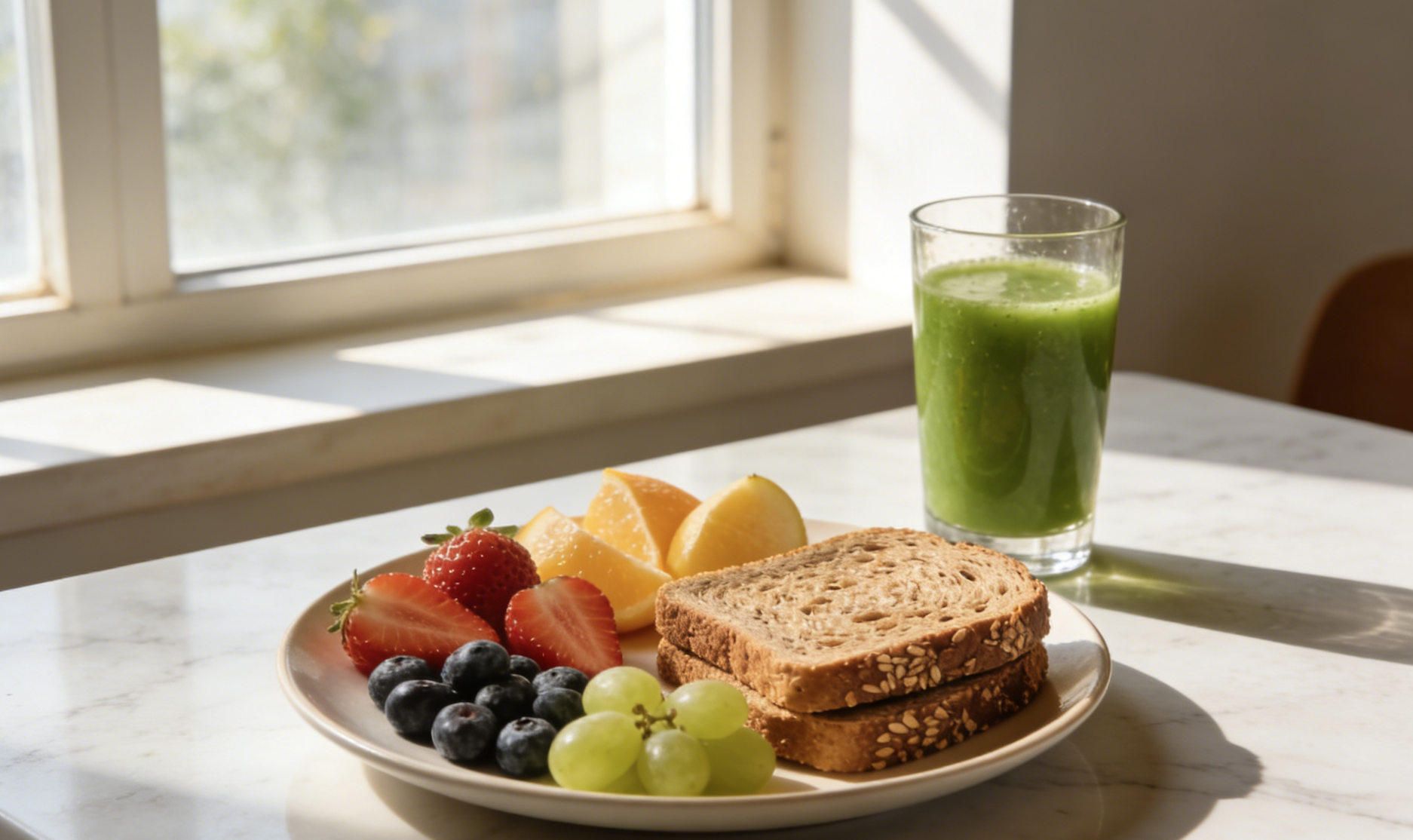
This article details key daily precautions for people with hypertension, including proper rice washing to reduce nutrient loss, strict smoking cessation to lower cardiovascular risk, and emphasizing the quality of breakfast. These habits not only help control blood pressure but also play an important role in managing blood lipids and preventing hyperlipidemia.
2026-03-01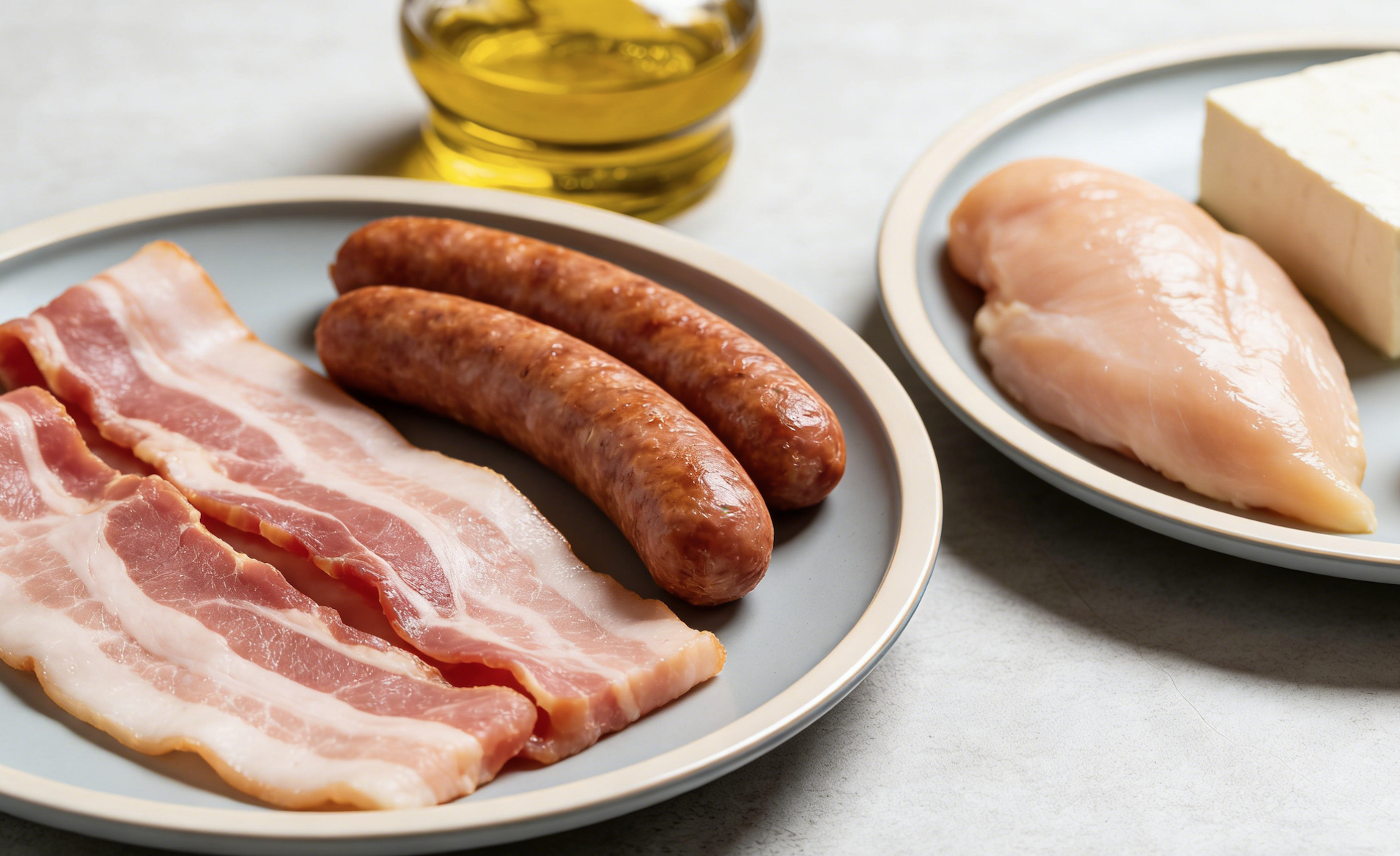
Is lower blood lipid levels always better? A guide to scientific intake and dining out.
This article clarifies common misconceptions about blood lipids, explains their physiological functions as an essential nutrient, and emphasizes the importance of proper intake. It also provides advice on choosing restaurants wisely for individuals with hyperlipidemia, helping you enjoy food without compromising your blood lipid levels.
2026-03-02
How can physical exercise scientifically regulate blood lipids? Research reveals its key mechanisms and principles.
This article explains how regular physical exercise can effectively regulate blood lipids and prevent hyperlipidemia by increasing "good" cholesterol and lowering "bad" cholesterol. It details the specific mechanisms by which exercise regulates blood lipids and provides key exercise principles such as gradual progression and consistency to help achieve scientific blood lipid management.
2026-03-02