
Precision nutrition throughout the entire life cycle: The longevity secrets of garlic, age-appropriate supplementation recommendations, and the metabolic needs of the elderly.
A "garlic craze" swept the globe starting in the 1990s. One city in the United States even held a garlic festival, showcasing various garlic products such as garlic sausage, garlic bread, garlic beer, and garlic ice cream, attracting thousands of visitors. my country has a long-standing tradition of eating garlic, especially in the north, where it's almost indispensable. Garlic is a food that can be used both as a culinary and medicinal ingredient. It offers many beneficial effects on human health: ① Antibacterial effect: The volatile allicin in garlic can combine with cysteine in bacteria, affecting their metabolism and killing intestinal pathogens such as dysentery bacilli and fungi. Chewing a few cloves of raw garlic daily in summer, or adding minced garlic to cold dishes, can greatly reduce the chance of intestinal infections; adding garlic leaves to stir-fries can delay spoilage, all thanks to its antibacterial properties. ② Antithrombotic effect: Garlic can prevent platelets from clumping together, reducing the tendency for thrombosis and having a good effect on cardiovascular and cerebrovascular diseases. ③ Lowering blood lipids: It has a lowering effect on cholesterol and triglycerides, and protects the arteries of the elderly. The incidence of coronary heart disease is lower in northerners than in southerners, which is partly related to northerners' love of garlic. ④ Anti-cancer properties: The World Cancer Research Fund announced in June 1990 that garlic has significant effects on skin cancer, rectal cancer, and stomach cancer. ⑤ Anti-aging: Garlic has been proven to delay skin aging. Its effects on other organs are still under investigation. Therefore, garlic is a food, a medicine, and a health supplement, making it a truly deserving longevity food. All parts of garlic are edible, and it can be prepared in many ways, such as mashing, making sweet and sour dishes, or boiling. Recent research has yielded "odorless garlic," which removes the sulfides that cause the odor without compromising other benefits, undoubtedly providing a good alternative for those who dislike garlic due to its smell.
(1) 10-25 years old. During this period, most people neglect their diet, do not pay attention to dietary balance, drink too much alcohol, sleep too little, and are too busy. Little do they know that this period is the ideal time to regulate their diet and maintain their health. Perhaps you will benefit greatly from this in the future and lay the foundation for health in middle and old age. (2) 25-35 years old. During this period, it is advisable to eat more dairy products, beans, leafy green vegetables and dried fruits to reduce the risk of osteoporosis. When you consider starting a family, for a man, the diet should contain rich zinc, selenium, vitamin E and C, which will improve your reproductive ability. Women who want to get pregnant should drink less alcohol and coffee. For pregnant women, oily fish, such as sardines, are a good source of vitamin D, fatty acids and other nutrients. (3) 35-45 years old. When people reach this age, the metabolic rate begins to slow down. They should eat less high-sugar, low-nutrient foods, such as desserts, salads, animal fats and candies. It is advisable to eat various dried fruits, coarse grains, soybeans, fresh fruits, etc. (4) 45-60 years old. Most people only realize how important it is to regulate and supplement nutrition for their bodies when they reach this age. Therefore, it is necessary to have a reasonable diet according to the disease and physical health. For patients with Alzheimer's disease, it is recommended to take vitamin E containing antioxidants, which can slow down the development of this symptom; patients with high blood pressure should eat less salt and eat potassium-rich foods, such as dried apricots, beans and dried fruits. Increase the amount of fruits and vegetables in the diet, reduce the intake of meat, and reduce the intake of fat by 30%. When women reach menopause, they should eat more soybean products, which are rich in calcium. This can reduce bone loss to the minimum. Foods containing phytoestrogens can alleviate these symptoms. It is recommended to supplement with an appropriate amount of vitamin E every day. Middle-aged people worry about prostate disease. However, they can arrange a diet rich in zinc, vitamin E and low in saturated animal fat. Sesame and lean meat are good sources of zinc. Cod liver oil, sunflower seed oil and other foods contain vitamin E.
The metabolism of the elderly is weakened, with the reduction being roughly 16% less in 60-year-olds than in 20-year-olds, and 25% less in 70-year-olds. Therefore, the elderly have the following special requirements for nutrients: (1) Protein. The catabolism of the elderly increases and the anabolism decreases, so the elderly should eat more protein-rich foods, at least as much as they did in adulthood, 1 to 1.5 grams per kilogram of body weight per day; after the age of 70, this can be appropriately reduced. Protein metabolism produces some toxic substances, and the liver and kidney functions of the elderly are weakened, making it difficult to remove these toxins. If too much protein is consumed, the toxic products of its metabolism cannot be excreted in time, which will affect the health of the elderly. Therefore, the protein intake of the elderly must be moderate, neither too little nor too much. (2) Fat. The secretion of pancreatic lipase decreases in the elderly, weakening their ability to digest fat, so they should eat less fat. Eating a moderate amount of vegetable oil is still beneficial to the body. (3) Carbohydrates. Experiments show that the elderly have very strict requirements for carbohydrates (starchy foods), and their ability to adapt to too much or too little sugar is weakened. Therefore, many elderly people tend to develop mild diabetes. However, the fructose contained in fruits and honey is easy to digest and absorb, and is not easily converted into fat in the body, making it an ideal source of sugar for the elderly. (4) Vitamins. The elderly have a reduced need for various vitamins. However, due to poor absorption or increased excretion, the elderly often have vitamin deficiencies. The vitamins that the elderly should pay attention to include A, B1, B₂, C, and E. These vitamins are mainly found in green or yellow vegetables, as well as various fruits, whole grains, and vegetable oils.
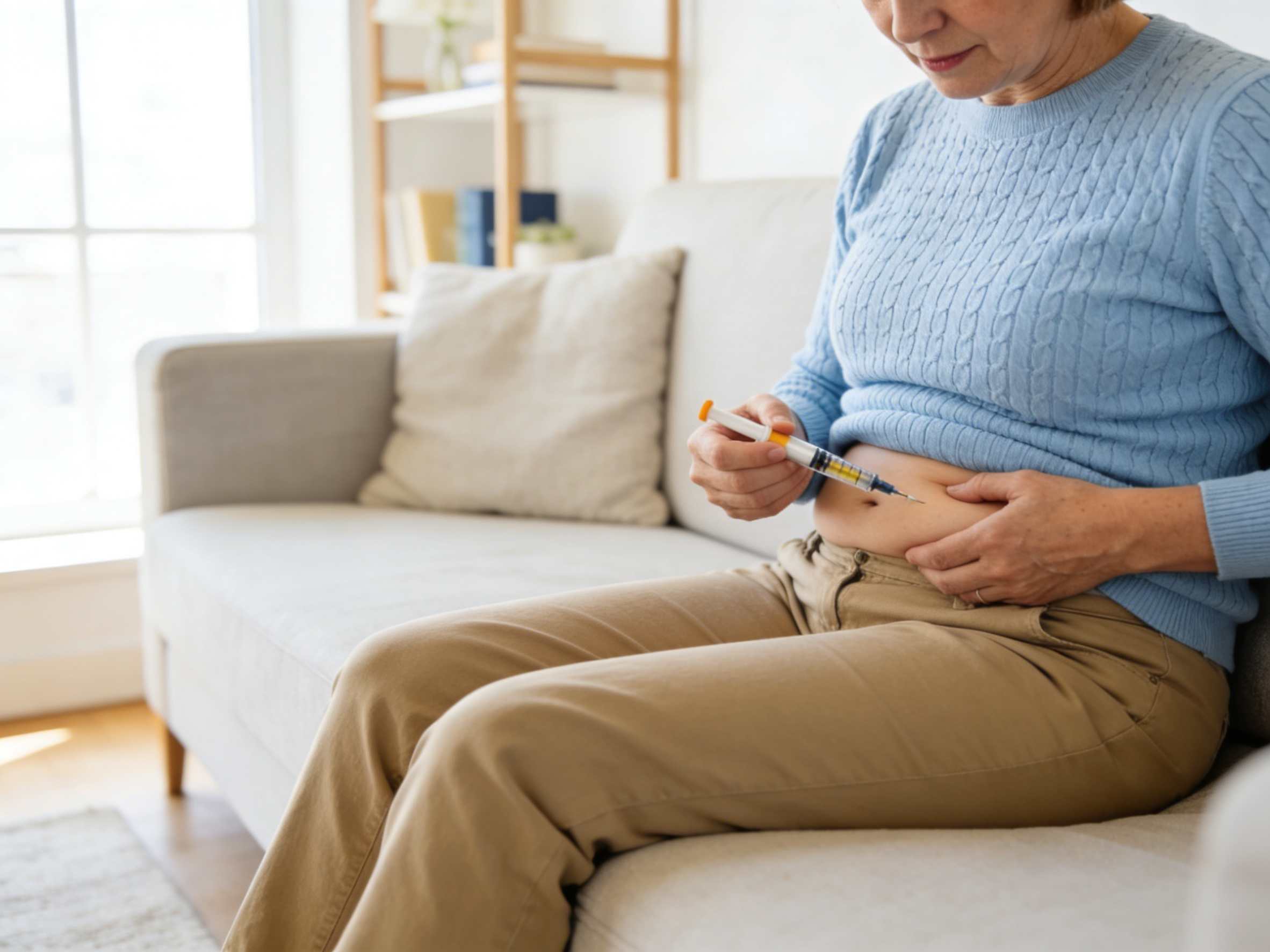
Insulin pens and insulin pumps: tools for scientific blood sugar management
Insulin pens and insulin pumps are essential tools for diabetes management. This article details their usage and selection guidelines to help you use these tools correctly and effectively control your blood sugar.
2026-03-23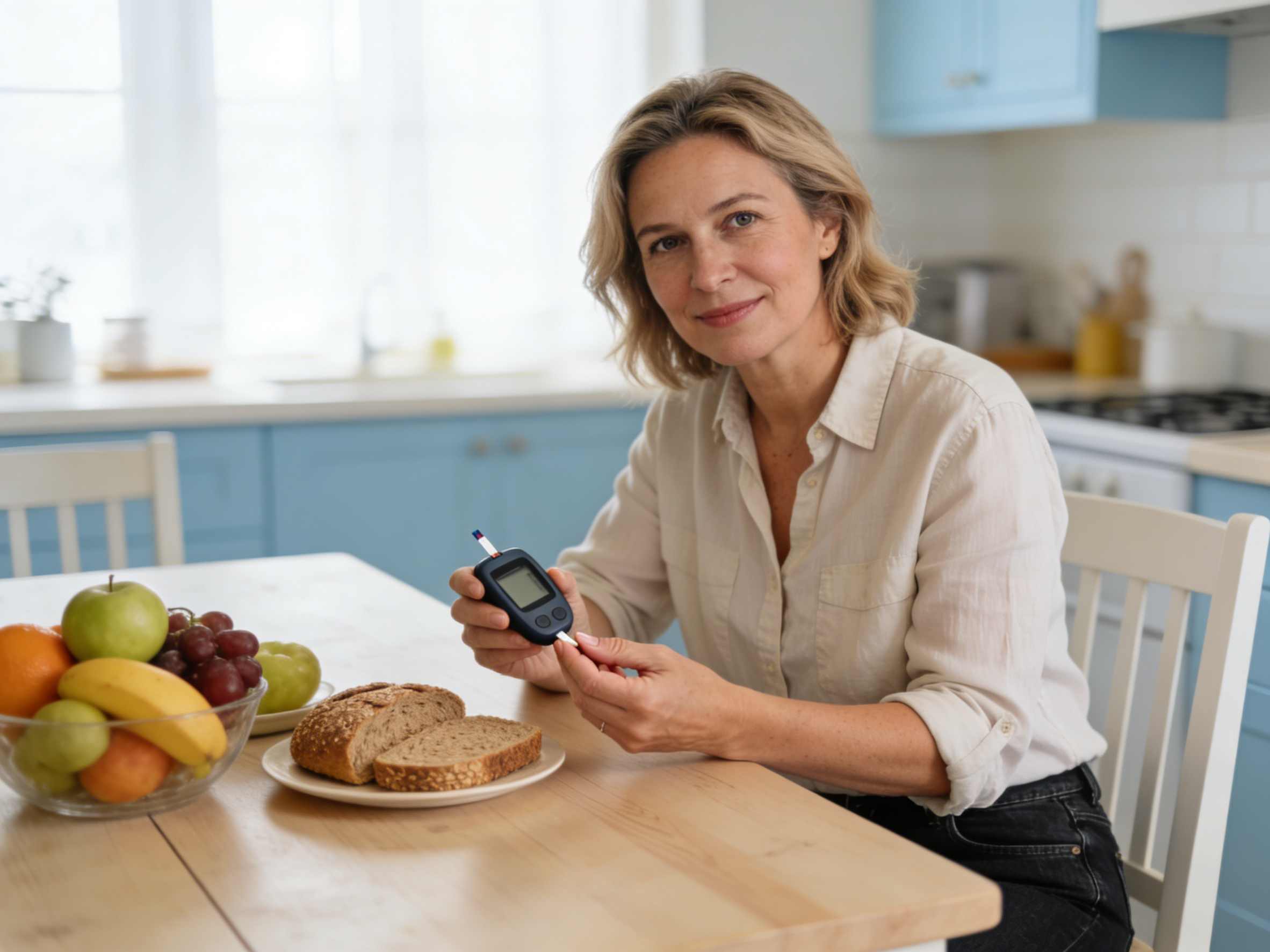
Timing of insulin therapy initiation and blood glucose management in patients with type 2 diabetes
When do patients with type 2 diabetes need to use insulin? This article explains in detail the indications for starting insulin therapy, dosage adjustments, and injection techniques to help you scientifically manage blood sugar fluctuations and achieve stable blood sugar control.
2026-03-23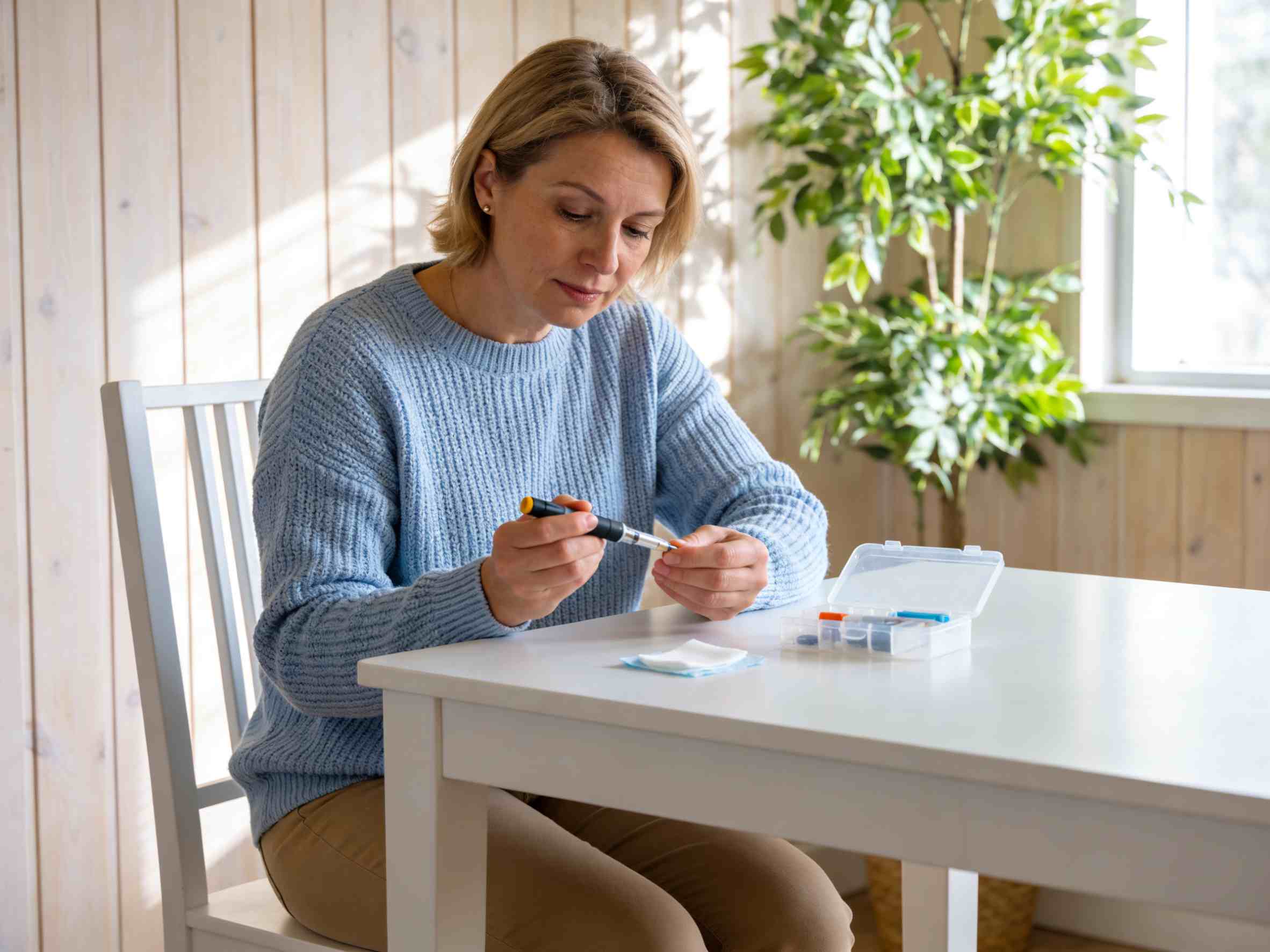
Insulin Therapy Guidelines: Applicable Population and Early Intervention
Insulin is a crucial tool for controlling blood sugar. This article details the suitable populations for insulin use, its adverse reactions, and the advantages of early use, helping diabetic patients choose the right insulin treatment plan and effectively manage their blood sugar.
2026-03-24