
Interpretation of the Etiology and Diagnostic Criteria for Diabetes Mellitus
The etiology and pathogenesis of diabetes are complex and not yet fully understood.
Currently, it is known to be related to genetic, environmental, and immune mechanisms. Pancreatic beta cell dysfunction and insulin resistance are its two most important characteristics. As mentioned earlier, the body's blood glucose level is maintained at a stable level due to the combined action of various neuroendocrine hormones.
Insulin is the only hormone secreted by the beta cells of the pancreas that lowers blood glucose. If, for some reason, the pancreatic beta cells cannot secrete insulin, or secrete insufficient insulin, glucose cannot be utilized due to insulin deficiency, and blood glucose will rise. This is pancreatic beta cell dysfunction. The result is the symptoms and signs of type 1 diabetes.
If the body can secrete insulin, but a malfunction occurs in some part of the insulin utilization process, blood glucose will also rise. Because patients with this type of diabetes can still secrete insulin, but the secreted insulin cannot be fully effective, its onset is often relatively slow, and early insulin tests may show levels higher than normal. This is what is commonly referred to as insulin resistance. The results manifest as the symptoms and signs of type 2 diabetes.
What are the standards for abnormal blood glucose levels?
The diagnosis of diabetes is based on blood glucose levels. Whether a level is normal or abnormal is also determined arbitrarily, primarily based on the degree of harm that blood glucose levels pose to human health. In the early stages of type 2 diabetes, fasting blood glucose may be normal. However, if insulin cannot be secreted promptly after meals, or if there is insulin resistance, blood glucose will rise. Therefore, relatively speaking, postprandial blood glucose, especially the oral glucose tolerance test, is more effective for screening early diabetes.
For diabetic patients, blood glucose levels vary at different times. Initially, fasting or postprandial blood glucose may only be slightly higher than normal, but not yet meeting the diagnostic criteria for diabetes. Without intervention, it may quickly progress to diabetes. Therefore, there is a transitional value between normal and a diagnosed diabetes level (fasting 6.1–7.0 mmol/L, postprandial 7.8–11.1 mmol/L). This transitional value can be considered prediabetes. To prevent or delay the progression of diabetes, those with blood sugar levels within this range should actively intervene to prevent the disease from worsening.

Eight factors that influence elevated blood pressure: Analysis of the pathogenesis and risk of hypertension
This article provides a detailed analysis of the pathogenesis of hypertension, focusing on how eight key risk factors, including age, obesity, and excessive salt intake, lead to elevated blood pressure. Understanding these factors helps prevent abnormal blood pressure at its source and achieve scientific and effective blood pressure control.
2026-02-27
Gradually progressive hypertension: Symptom identification and prevention of cerebrovascular complications
This article details the early, insidious symptoms of slowly progressing hypertension, such as headaches and dizziness, as well as the serious damage it can cause to the brain and heart in later stages. Understanding these complications caused by long-term high blood pressure helps in early identification and intervention, thereby effectively controlling blood pressure and preventing critical situations.
2026-02-27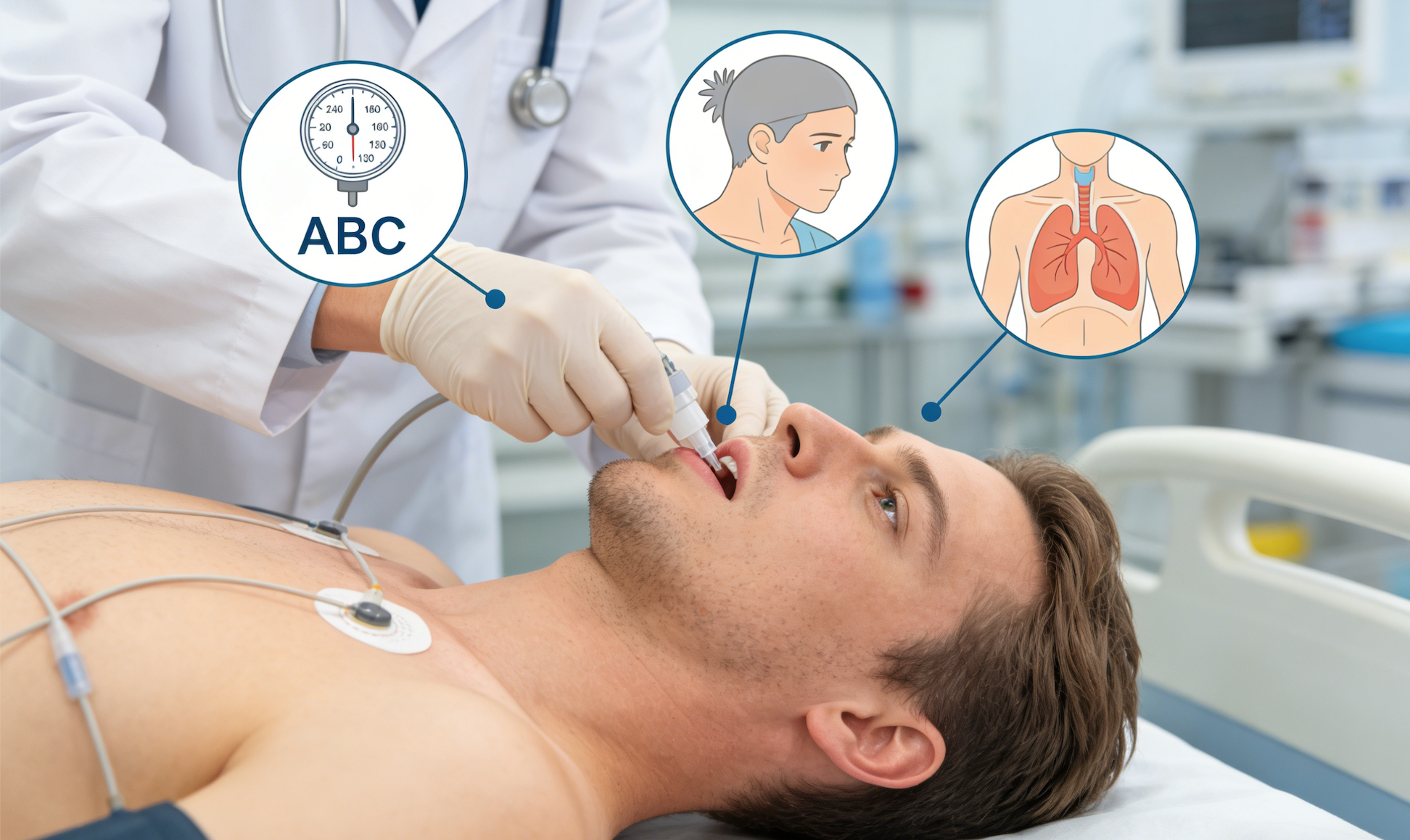
Rapidly progressing hypertensive crisis: identification, complications (coronary artery disease) and emergency treatment
This article details the rapid course of malignant hypertension and the severe symptoms of hypertensive crisis, such as headache and blurred vision. It emphasizes its close connection to coronary heart disease and its high risk, highlighting the crucial importance of timely blood pressure identification and control for preventing serious cardiovascular and cerebrovascular complications.
2026-02-27