
Rapidly progressing hypertensive crisis: identification, complications (coronary artery disease) and emergency treatment
Malignant Hypertension: Patients are mostly young or middle-aged adults under 40 years old. The disease progresses rapidly, clinically characterized by retinopathy and rapid deterioration of renal function.
Hypertensive Crisis: A hypertensive crisis results from a temporary, severe spasm of peripheral arterioles caused by hypertension, leading to a rapid and further increase in blood pressure. Patients experience severe headache, dizziness, nausea, vomiting, shortness of breath, blurred vision or temporary blindness, and often exhibit symptoms of autonomic dysfunction such as sweating, dry mouth, flushed skin or pallor, tachycardia, and tremors. Blood pressure is significantly elevated, often with elevated systolic blood pressure as the primary manifestation.
Common Complications of Hypertension:
1. Hypertension Complicated by Coronary Artery Disease (CAD): CAD, or coronary artery disease, is a heart condition caused by hardening and narrowing of the coronary arteries—the blood vessels supplying the heart—leading to myocardial ischemia and damage. Hypertension is a major risk factor for arteriosclerosis, increasing the risk of CAD by at least 2 to 3 times. Coronary heart disease (CHD) is one of the most common causes of death in patients with hypertension. Antihypertensive treatment can significantly reduce the incidence and mortality of CHD. If, in addition to hypertension, a patient has other risk factors for CHD, such as a positive family history, smoking, diabetes, and hypercholesterolemia, even if their blood pressure is at the so-called "borderline hypertension" level, measures to lower blood pressure are necessary to reduce the risk of CHD.
Borderline hypertension, also known as borderline hypertension, is characterized by systolic blood pressure between 18.6 mmHg and 19.8 kPa (140 mmHg to 149 mmHg) and diastolic blood pressure between 12.0 kPa and 12.6 kPa (90 mmHg to 94 mmHg). This condition is characterized by slightly elevated blood pressure, with no organic damage to vital organs such as the heart, brain, and kidneys, but a high risk of developing hypertension. Clinical observations show that approximately 71.5% of people with borderline hypertension are likely to develop hypertension, compared to only 11.1% of those with normal blood pressure. Its complications, such as cerebral hemorrhage, cerebral thrombosis, and coronary heart disease, as well as its mortality rate, are similar to those of hypertensive patients, but significantly higher than those of normal individuals. Because it lacks organic damage in its early stages and has few specific symptoms and signs, it is easily overlooked. Prevention of this type of hypertension is the same as for general hypertension. However, the key is to control sodium intake, ideally to less than 5 grams per day, while increasing potassium intake, such as by eating more fruits and vegetables. In addition, regular physical exercise is essential, and if necessary, long-term use of calcium channel blockers can be considered to lower blood pressure.
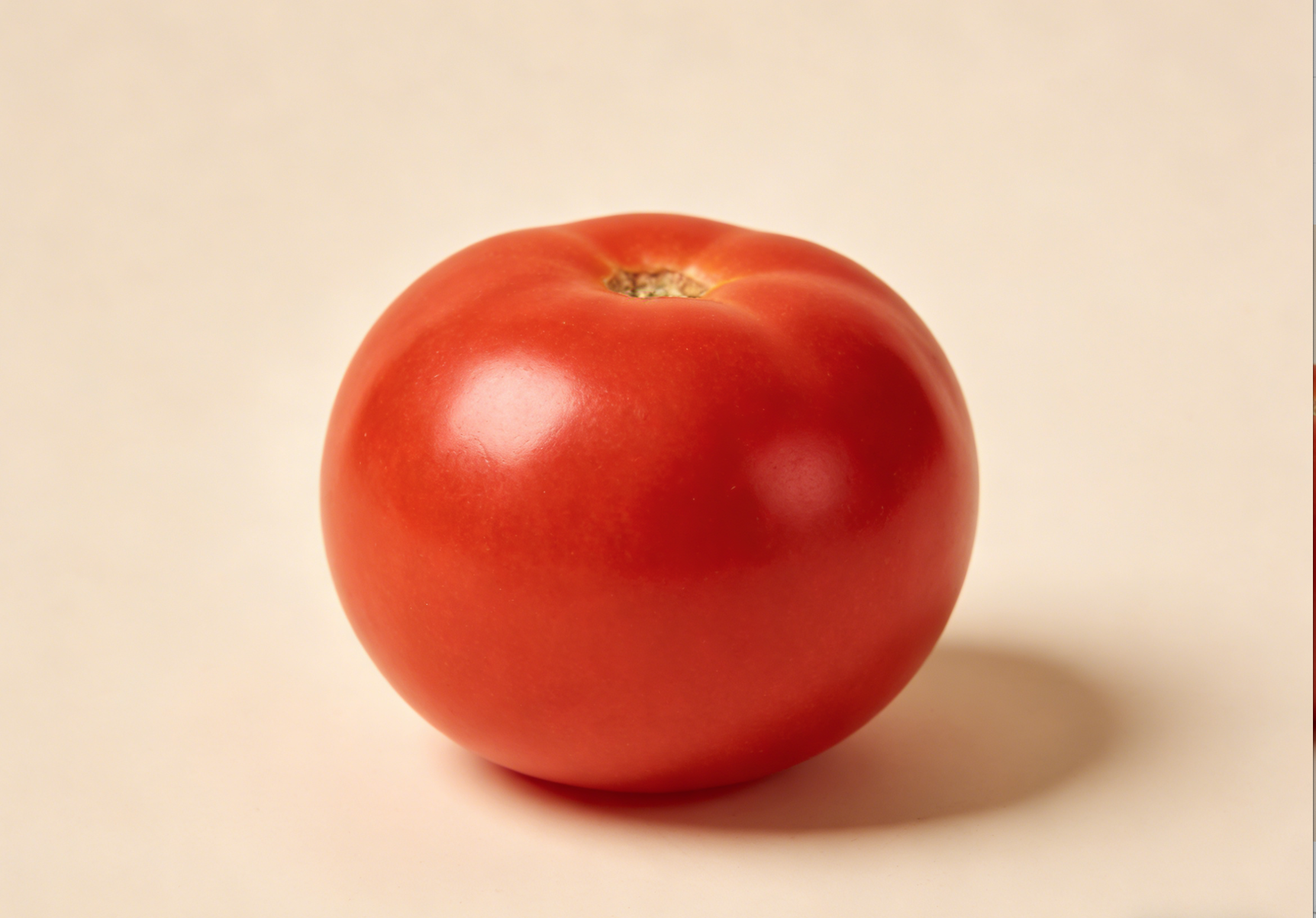
Tomatoes and soybean sprouts: Two ingredients for regulating blood pressure, blood sugar, and cholesterol, and healthy recipes.
This article details how lycopene in tomatoes and dietary fiber in soybean sprouts can help control high blood pressure, high blood sugar, and high cholesterol. It provides dietary therapy methods and healthy recipes for hypertension and diabetes, offering scientific dietary choices for your daily management of these conditions.
2026-03-05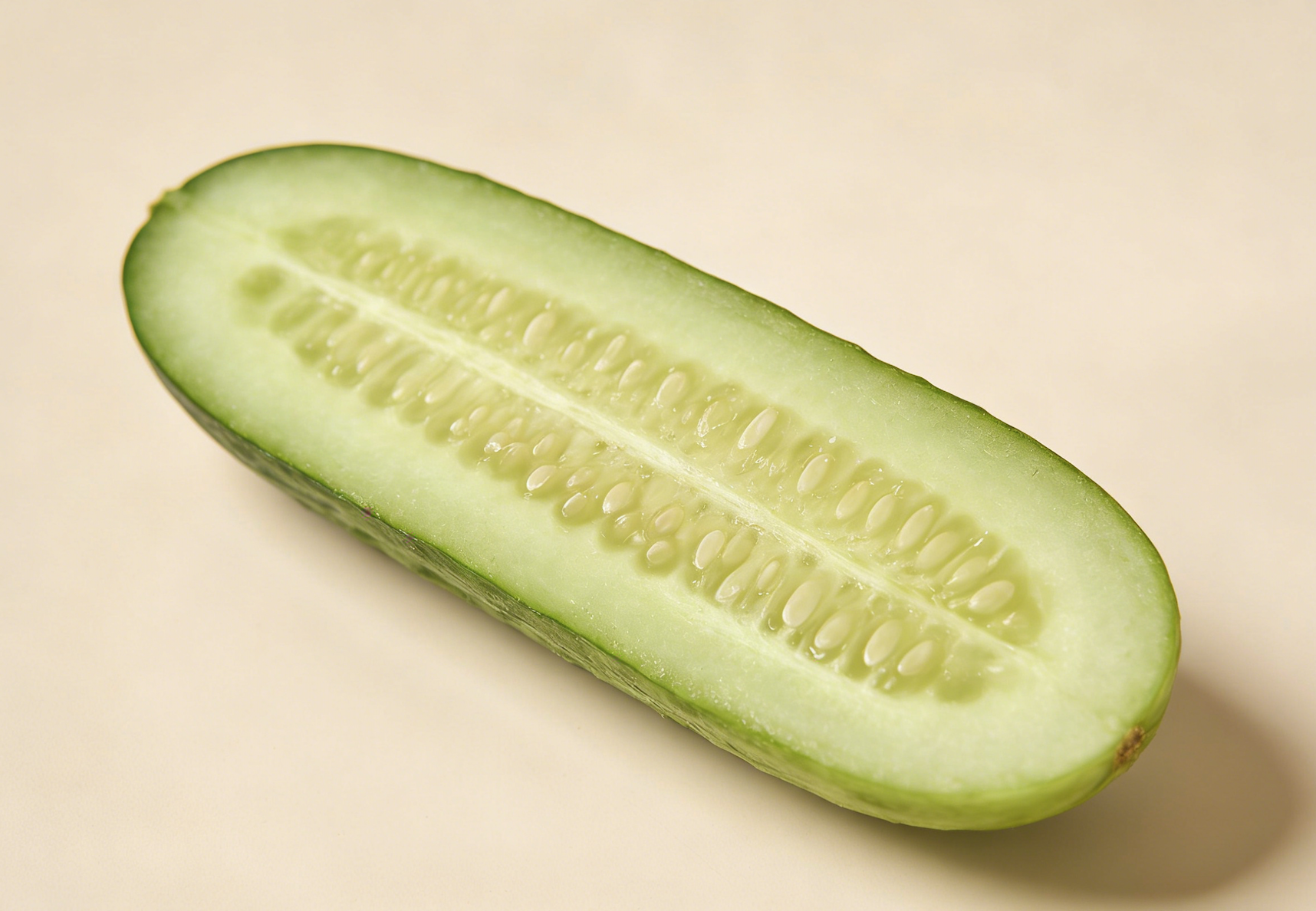
Analysis of the three major benefits of cucumber in regulating blood pressure, blood sugar, and cholesterol, and recommendations for healthy recipes.
This article details the effects of cucumbers, through their sterols and dietary fiber, on lowering cholesterol, regulating blood pressure and blood sugar, thus aiding in the management of "three highs" (hypertension, hyperlipidemia, and hyperglycemia). It also provides dietary remedies for hypertension and healthy recipes such as stir-fried cucumber blossoms with shredded chicken, offering delicious options for daily dietary management of "three highs."
2026-03-05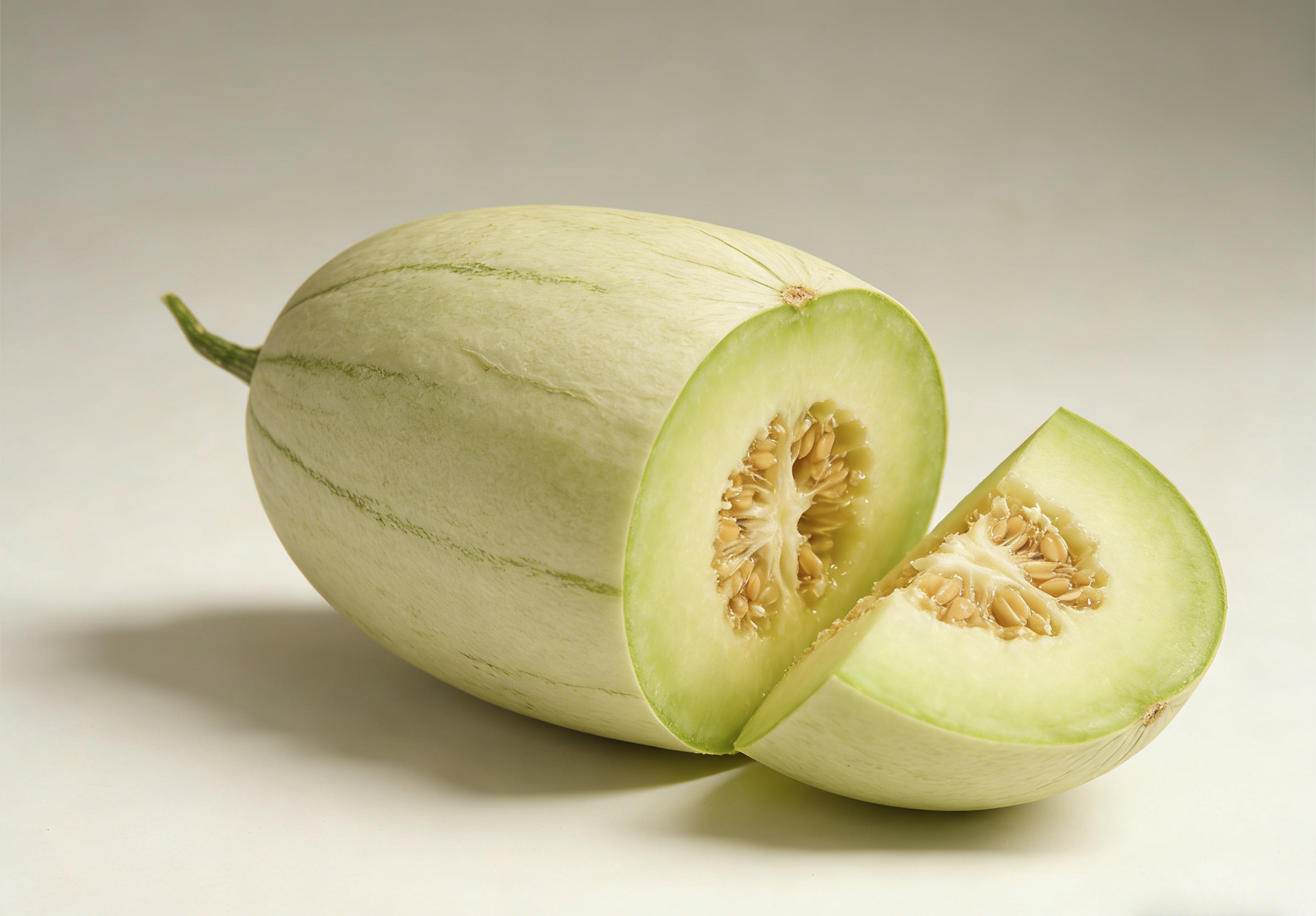
Analysis of the effects of winter melon and loofah in lowering blood pressure, blood sugar, and cholesterol, and recommended healthy recipes.
This article details the effects of winter melon and loofah on regulating "three highs" (high blood pressure, high blood sugar, and high cholesterol) through their high potassium and low sodium content. It provides dietary therapy for diabetes and hypertension, as well as healthy recipes such as steamed winter melon soup, offering practical guidance for daily dietary management of "three highs".
2026-03-05