
Analysis of the physiological functions and key regulatory hormones of blood glucose
What are the physiological functions of blood glucose?
Blood glucose, or glucose in the blood, is the transport form of carbohydrates within the body. Blood glucose circulates throughout the body, providing energy for metabolism and bodily activities. The body maintains blood glucose within a relatively narrow range (3.3~6.1 mmol/L) through very precise regulation. Although the main impact of abnormal blood glucose on the body comes from elevated blood glucose, hypoglycemia can be life-threatening. The sympathetic nervous system and brain are the most sensitive organs to hypoglycemia. Therefore, the main symptoms of hypoglycemia are palpitations, weakness, sweating, anxiety, and hunger, which can further develop into convulsions, loss of consciousness, coma, and even death.
Which organs and hormones regulate blood glucose?
The liver and the neuroendocrine system participate in the regulation of blood glucose. Glucose absorption in the intestines stops 5-6 hours after a meal. The liver is the main site for receiving, storing, and metabolizing glucose. The liver stores glucose absorbed from the intestines as glycogen. When blood glucose levels are insufficient to meet the body's needs, liver glycogen is converted into glucose to meet those needs. However, this reserve only lasts for a few hours. Afterward, the body mainly relies on gluconeogenesis in the liver and other organs—the conversion of non-carbohydrate substances such as glucogenic amino acids, lactic acid, glycerol, and pyruvate into glucose—to maintain stable blood sugar levels.
When blood sugar is low, various endocrine hormones and the nervous system work synergistically to raise blood sugar, such as glucagon, adrenaline, growth hormone, glucocorticoids, and thyroid hormones. When blood sugar is high, only insulin can lower it. Insulin is the only hormone that can lower blood sugar. The main threat to human health is elevated blood sugar caused by insufficient insulin or insulin dysfunction.
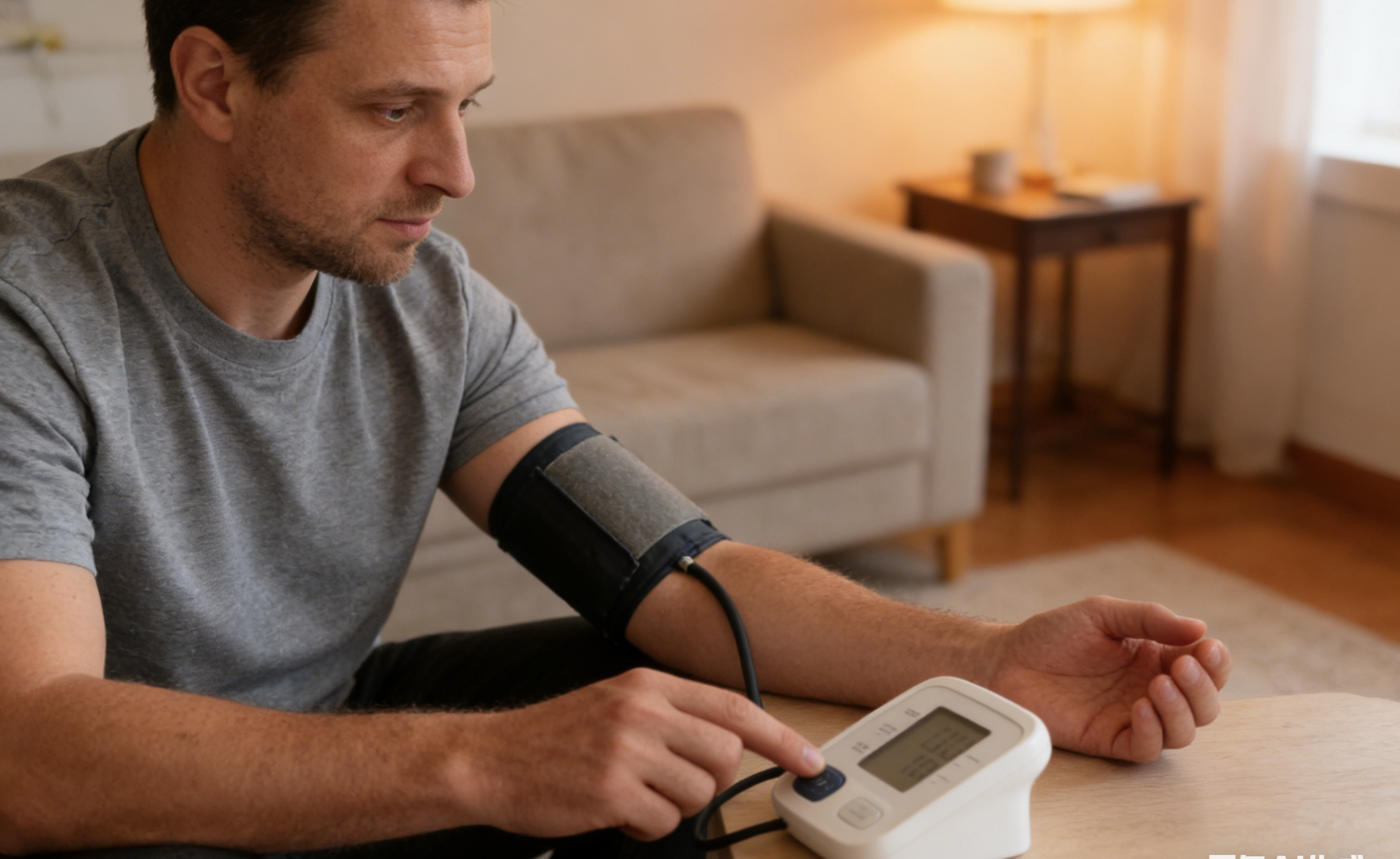
Exercise Safety Guidelines for Hypertensive Patients: Contraindications for Poor Condition and Excessive Running
This article reminds patients with hypertension to suspend exercise when they are in poor physical condition or fatigued, to avoid the risks of forced exercise. It also emphasizes that exercises such as running require strict control of intensity and duration; excessive exercise may be counterproductive. Scientific exercise is the only way to effectively help control and stabilize blood pressure levels.
2026-03-03
Why do people with hypertension need to have their blood pressure checked regularly? Importance and Frequency Guidelines
This article emphasizes the importance of regular blood pressure monitoring for patients with hypertension, explaining that irregular monitoring may delay diagnosis and increase the risk of cardiovascular, cerebrovascular, and renal complications. The article provides recommendations on blood pressure monitoring frequency for different disease conditions, aiming to help patients achieve more effective blood pressure control and management through regular monitoring.
2026-03-03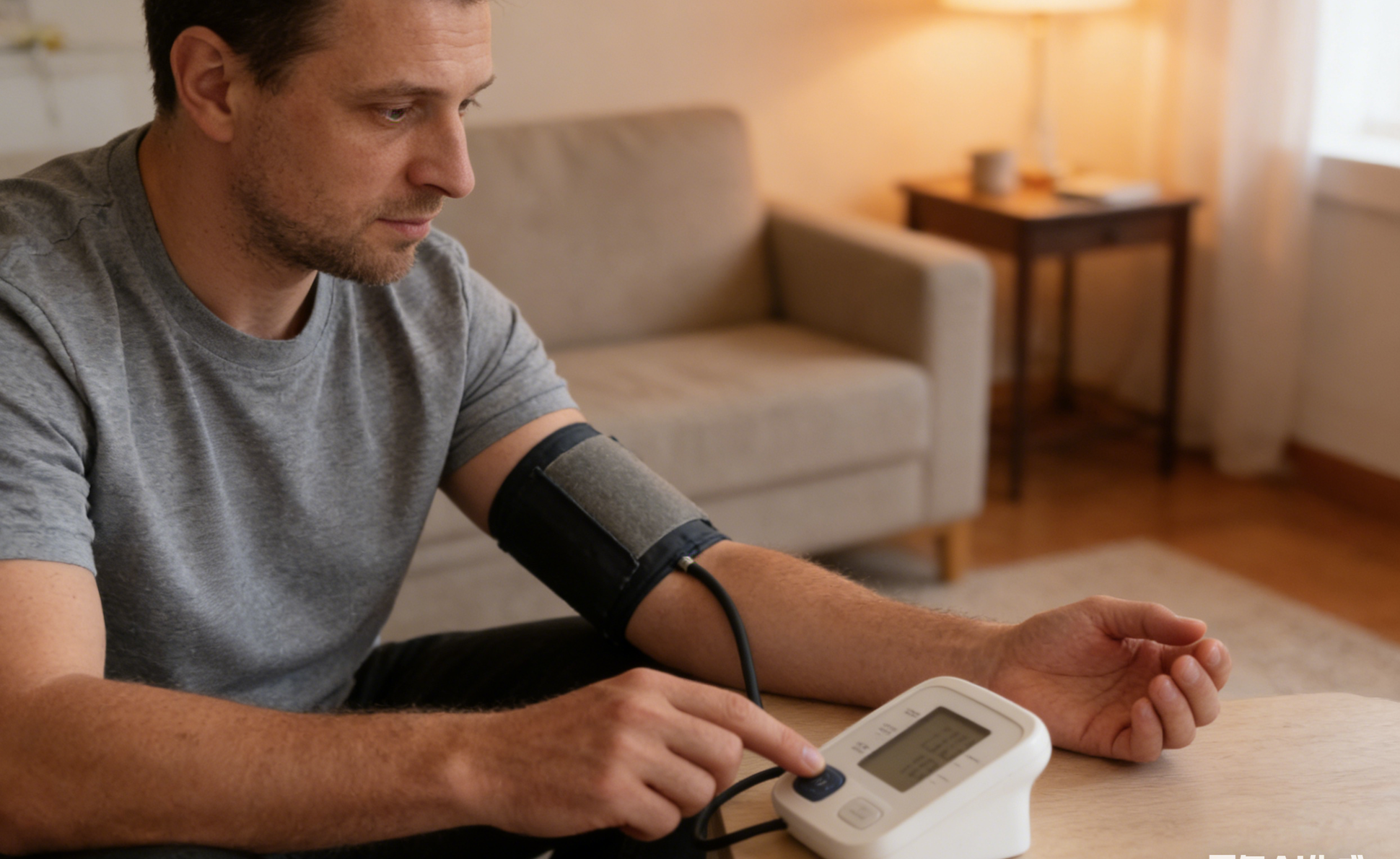
Is hypertension the leading cause of coronary heart disease in Chinese people? The importance of balanced blood pressure control.
This article reveals that hypertension has become the leading risk factor for coronary heart disease in Chinese people, emphasizing the importance of stabilizing blood pressure through balanced blood pressure control, especially controlling morning blood pressure fluctuations, in order to effectively prevent cardiovascular and cerebrovascular complications.
2026-01-20