
A Comprehensive Analysis of Common Misconceptions about High Cholesterol: Scientific Prevention and Correct Dietary Guidelines
Neglecting Dietary Habits: Many patients don't take their high cholesterol seriously enough after being diagnosed, failing to seek timely medical treatment and instead taking lipid-lowering drugs haphazardly. However, high cholesterol is a major contributing factor to coronary heart disease, arteriosclerosis, and cardiovascular diseases, and should not be underestimated. Furthermore, lipid-lowering drugs must be taken according to a doctor's instructions, tailored to each patient's individual situation. Taking medication haphazardly not only fails to treat the condition but can also delay treatment.
Believing Lipid-Lowering Drugs Have Significant Side Effects: In fact, most people tolerate lipid-lowering drugs well. Only a small percentage experience adverse reactions to statins, with 1%–2% experiencing changes in liver function, such as elevated transaminases. A small number may develop myopathy, such as muscle or joint pain. These patients need to switch medications under a doctor's guidance. However, if no adverse reactions occur on the first dose, the medication can be continued without excessive concern about side effects.
Not Insisting on Non-Drug Treatments While Taking Medication: Many patients believe that taking medication solves everything. In fact, non-drug treatments are crucial for the recovery from high cholesterol. In layman's terms, even if a patient adheres to medication, if their intake of high-fat foods doesn't decrease, it won't just fail to support the medication's therapeutic effect, but will actually reduce its effectiveness. Furthermore, smoking and drinking alcohol are also unhelpful in treating high cholesterol, yet many people don't abstain from smoking or limit alcohol consumption while taking medication, which negatively impacts recovery.
Lower Cholesterol Isn't Always Better
Currently, more and more people suffer from "acrophobia," viewing high-cholesterol diets as a scourge. They associate high cholesterol with cerebrovascular disease, coronary heart disease, and arteriosclerosis, thus seeking "low" cholesterol. However, recent research from abroad shows that excessively low cholesterol levels can lead to premature aging and increase the risk of cancer, depression, and other diseases. Experts recommend that daily cholesterol intake should ideally not exceed 300 milligrams, roughly equivalent to one egg.
9. Lowering Blood Lipids by Abstaining from Meat
Many people, especially the elderly, fear high blood lipids and have given up meat for health reasons, believing that the lighter the diet, the better, even mistakenly thinking that a vegetarian diet leads to longevity. In fact, a purely vegetarian diet is not entirely beneficial to the health of middle-aged and elderly people; an excessively bland diet can actually weaken the body. Experts warn that a long-term vegetarian diet can easily lead to deficiencies in iron, vitamin B₁₂, and protein, and these three substances are the main raw materials for the body to produce hemoglobin. While some vegetarian foods contain a significant amount of iron, most of it is "non-heme iron," which is difficult for the body to absorb. At the same time, a long-term vegetarian diet can also lead to hypocholesterolemia. Cholesterol is an essential nutrient for the human body and is the basis for the formation of cell membranes, sex hormones, cortisol, etc., playing a crucial role in white blood cell activity. When the blood cholesterol level is too low in middle-aged and elderly people, the mortality rate increases fourfold, and it also directly increases the incidence of coronary heart disease. If cholesterol is not replenished in the long term, it may lead to even more serious consequences.
Experts believe that meat is not the culprit behind diseases, but rather an important source of nutrition for the human body. During growth, development, and metabolism, the body needs a large amount of high-quality protein and essential fatty acids daily. Apart from legumes, which are rich in protein, most vegetarian foods contain very little protein, and the protein they contain is low in nutritional value and not easily digested, absorbed, or utilized by the body. For middle-aged and elderly people who prefer a vegetarian diet, it is important to regularly consume iron-rich foods and fruits and vegetables rich in vitamin C.
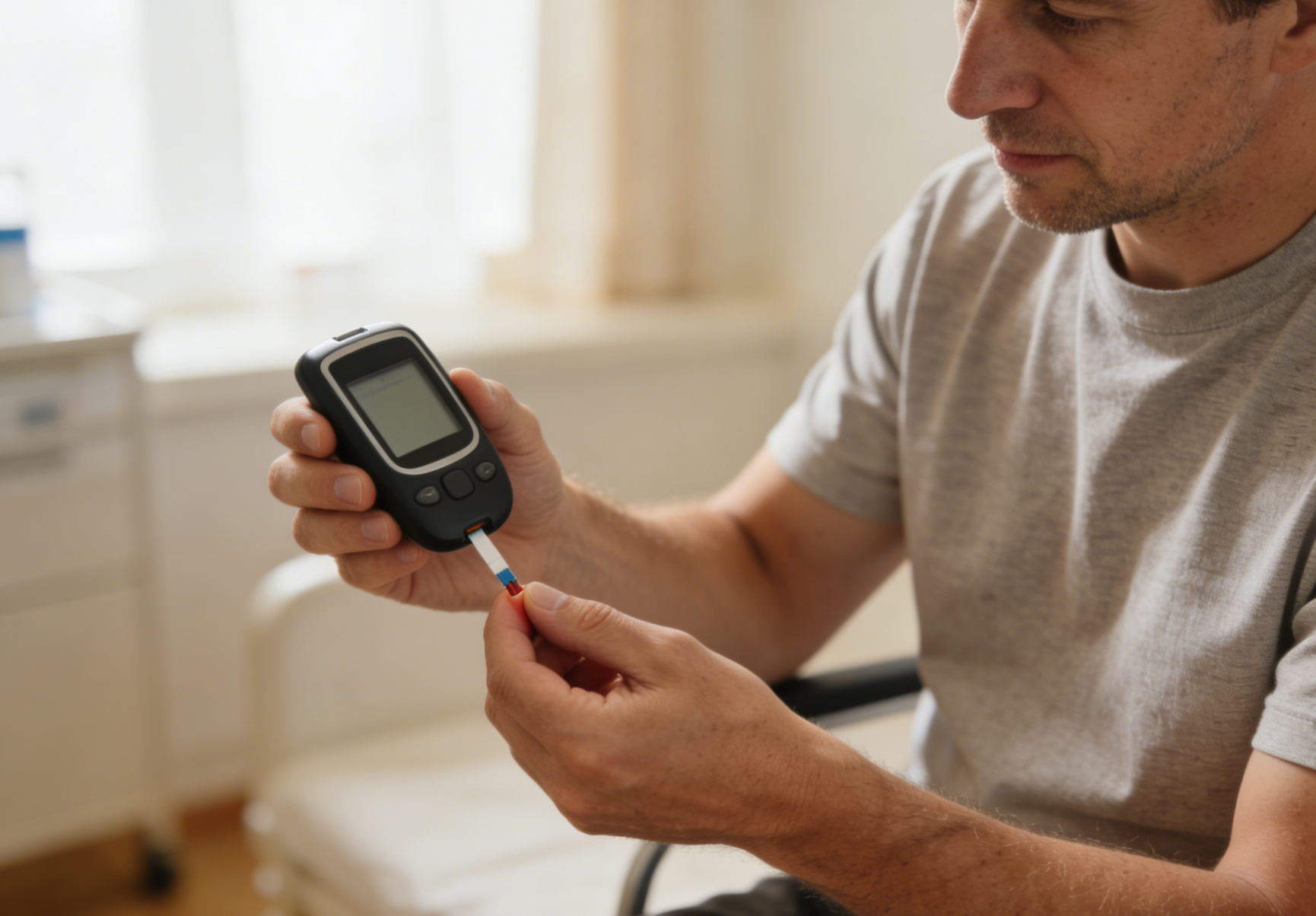
A comprehensive analysis of diabetes complications: From testing to prevention and blood sugar management.
This article provides a detailed explanation of the types and diagnostic methods of diabetic complications, focusing on the symptoms and management of acute complications such as diabetic ketoacidosis. It emphasizes that long-term, stable blood sugar control is crucial for preventing complications and offers systematic blood sugar management strategies to help diabetic patients effectively reduce health risks.
2026-03-11
A comprehensive analysis of chronic complications of diabetes and their blood glucose management strategies.
This article details the chronic complications of diabetes, including the causes and consequences of macrovascular and microvascular complications. Prolonged hyperglycemia is the core cause of vascular damage; therefore, maintaining stable blood glucose levels is crucial. Through scientific blood glucose management, the progression of complications can be effectively slowed, improving patients' quality of life.
2026-03-11
Health Supplement Selection and Cardiovascular Health: An Analysis of the Functions of the Nine Major Systems in the Human Body
This article helps readers acquire knowledge about choosing health supplements, emphasizing the importance of making rational choices. By understanding the functions of the nine major systems in the human body, especially the cardiovascular system, it helps you scientifically select health supplements based on your health needs.
2026-03-09