
Phototherapy and acupuncture-assisted rehabilitation system for depressive disorders and physical rehabilitation system for chronic obstructive pulmonary disease.
Drug-Free Treatments for Depressive Disorders
1) Phototherapy: Phototherapy is a treatment method for seasonal affective disorder (SAD) during winter. It uses specialized equipment, specifically a full-spectrum fluorescent light source with an illuminance of 400-2500 lux, placed 1 meter away from the patient at eye level. The patient is exposed to light for two hours in the morning, and the treatment time and course are adjusted based on the patient's eye symptoms and improvement in depressive symptoms. Patients with SAD during winter should also increase their sun exposure in winter. However, patients with SAD during summer should actively avoid sunlight in late spring and summer by wearing sunglasses, showering frequently, and reducing strong light stimulation.
2) Exercise Therapy: Exercise therapy is an adjunctive treatment method for patients with depressive disorders. It helps improve mental state, release emotions, alleviate negative emotions such as depression and anxiety, boost morale and courage, enhance social interaction, communicate emotions, alleviate loneliness, eliminate inertia, and break free from focusing solely on personal discomfort. It can also strengthen the body and restore physical fitness. During aerobic exercise, physiological endorphins are produced, making people feel relaxed and happy. It also accelerates blood circulation and muscle movement, improving the body's metabolic function. These psychosomatic changes form the physiological basis for exercise therapy as an adjunct treatment for patients with depressive disorders.
3) Music Therapy: Music therapy can be used as an adjunct to antidepressant medication. Music therapy is a therapeutic technique that integrates principles of psychology, medicine, and music aesthetics. It plays a positive role in patients with depressive disorders. It can improve a person's psychological state, release emotions, alleviate negative emotions such as depression and anxiety, and boost spirits and courage; enhance social interaction, facilitate emotional exchange, alleviate feelings of loneliness, and help people break free from focusing solely on their own discomfort; engaging in musical creation or re-creation can foster self-esteem and self-love, overcome feelings of worthlessness, and achieve emotional satisfaction and adaptation to the post-retirement environment. Patient-assisted music therapy, both self-help and mutual support, takes two forms: group participation and individual activities. Group singing in choirs, music classrooms, and freely participated-in groups in parks all have elements of group music therapy. Patients participating in these activities can satisfy their needs for belonging, interpersonal communication, and the release of positive emotions such as joy and happiness; they can also meet their needs for mental and physical health, such as boosting morale, providing mutual psychological support and comfort, and exercising. Formal group music therapy requires guidance from experts who have received specialized training in psychotherapy, thus providing a higher level of music therapy. This can be therapeutic for patients with mild depressive disorders in remission. Individual activities are tailored to the individual's specific condition, interests, education level, upbringing, age, and background, with different music selections, durations, treatment contexts, and environments chosen accordingly.
Drug-Free Treatment for Chronic Obstructive Pulmonary Disease
1) Smoking Cessation Treatment: Smoking is a major risk factor for COPD, and many COPD patients have a history of smoking. Smoking cessation is the primary measure in COPD treatment. Quitting smoking slows the decline in lung function in COPD patients, reduces the frequency of acute exacerbations, and is the most effective and cost-efficient treatment for COPD.
2) Inhalation Therapy
① Humidification or Steam Inhalation: Adding saline solution to the machine and heating it to 49°C provides a warm stimulus to the patient's throat, promoting drainage of secretions.
② Nebulized Inhalation: Nebulizers use ultrasonic vibrations to break water molecules into very small particles. Inhaling these small water molecules dilutes sputum and allows for deeper inhalation, remaining in the upper respiratory tract to facilitate expectoration. Adding medication to the liquid enhances the effect.
3) Percussion: Using gentle tapping and vibration techniques, when lung sections containing secretions are percussed, the secretions and mucus can be drained into the bronchioles. Method: Hand shape: With the fingertips of both hands together, form a cup shape on the palms; using wrist strength, rapidly and rhythmically percuss the chest wall from bottom to top and from outside to inside, vibrating the airways; percuss each lung lobe for 1-3 minutes, at a rate of 120-180 times per minute, each percussion session should last 5-15 minutes, with moderate force, ensuring the patient does not feel pain; a hollow and deep tapping sound indicates correct technique; scheduled 2 hours after meals to 30 minutes before meals to avoid vomiting during treatment. Points to note: It is best to administer a bronchodilator before percussion; continue oxygen administration during percussion, observe the patient's response, and combine with postural drainage; during and after percussion, instruct the patient to alternate between deep breathing and effective coughing.
4) Exercise therapy
① Breathing exercises. Appropriate whole-body exercise can not only improve overall strength and endurance but also improve psychological state and increase enjoyment of life. The intensity and duration of exercise should be determined based on the patient's specific condition, and an exercise plan should be developed under the guidance of a doctor or nurse as much as possible. Exercises should be based on abdominal breathing and are used in the early stages of rehabilitation when physical strength is too weak, or in combination with other exercise methods. The content includes breathing with hands pressing on the chest, chest-in breathing, lateral bending breathing, knee-hugging breathing, torso-twisting breathing, chest-hugging breathing, squatting and knee-hugging breathing, high-leg stepping breathing, and standing breathing. Precautions: Rest briefly after each exercise before starting the next; try to keep breathing natural; begin with 3-5 exercises and gradually increase until the entire set of exercises is completed. ② Endurance training. Also known as aerobic training, such as walking, jogging, cycling, swimming, rowing, etc. A simple 6-minute walking distance test can be performed to assess the patient's activity level. Then, submaximal walking and ladder climbing exercises can be used to improve endurance. Start with 5 minutes of activity, gradually increasing the activity time after resting and adaptation. Once the patient can tolerate 20 minutes of activity each time, the activity can be increased.
③ Training to improve upper limb mobility. Exercises can be performed using gymnastic sticks to raise the arms above shoulder height in various directions, or tossing the arms above the head. Additionally, exercises can be performed holding 0.5-3 kg weights above shoulder height, with 1-2 minutes of activity followed by 2-3 minutes of rest, twice daily.
5) Psychological Therapy: COPD patients primarily experience recurrent coughing, sputum production, shortness of breath, and difficulty breathing. Over 10-20 years, this can gradually develop into obstructive emphysema and pulmonary heart disease, leading to loss of work capacity, inability to care for oneself, and limited social activities. Patients are prone to negative emotions such as depression, loss of motivation, self-blame, and anxiety. Therefore, necessary psychological care must be provided to COPD patients to promote their comprehensive recovery. When inquiring about a patient's medical history, the doctor's demeanor is crucial. The doctor should be kind, speak gently, use a sincere tone, and ask concise questions. The doctor must be attentive, patient, and understanding and respectful of the patient, making them feel safe. The medical environment can easily induce anxiety, fear, and feelings of loss in patients. Therefore, the medical environment should be kept clean and tidy, and the wards should be kept quiet. We should try our best to meet the reasonable requests of patients, helping them to break free from their abnormal psychological state and cooperate with doctors to complete various treatments. Patients crave a good doctor-patient relationship and desire communication and expression. Therefore, medical staff should talk to patients more often, listening to their thoughts and needs, which is very beneficial to recovery. Medical staff can also invite patients who have recovered to share their experiences, allowing positive emotions to spread among patients, promoting health, and improving quality of life.
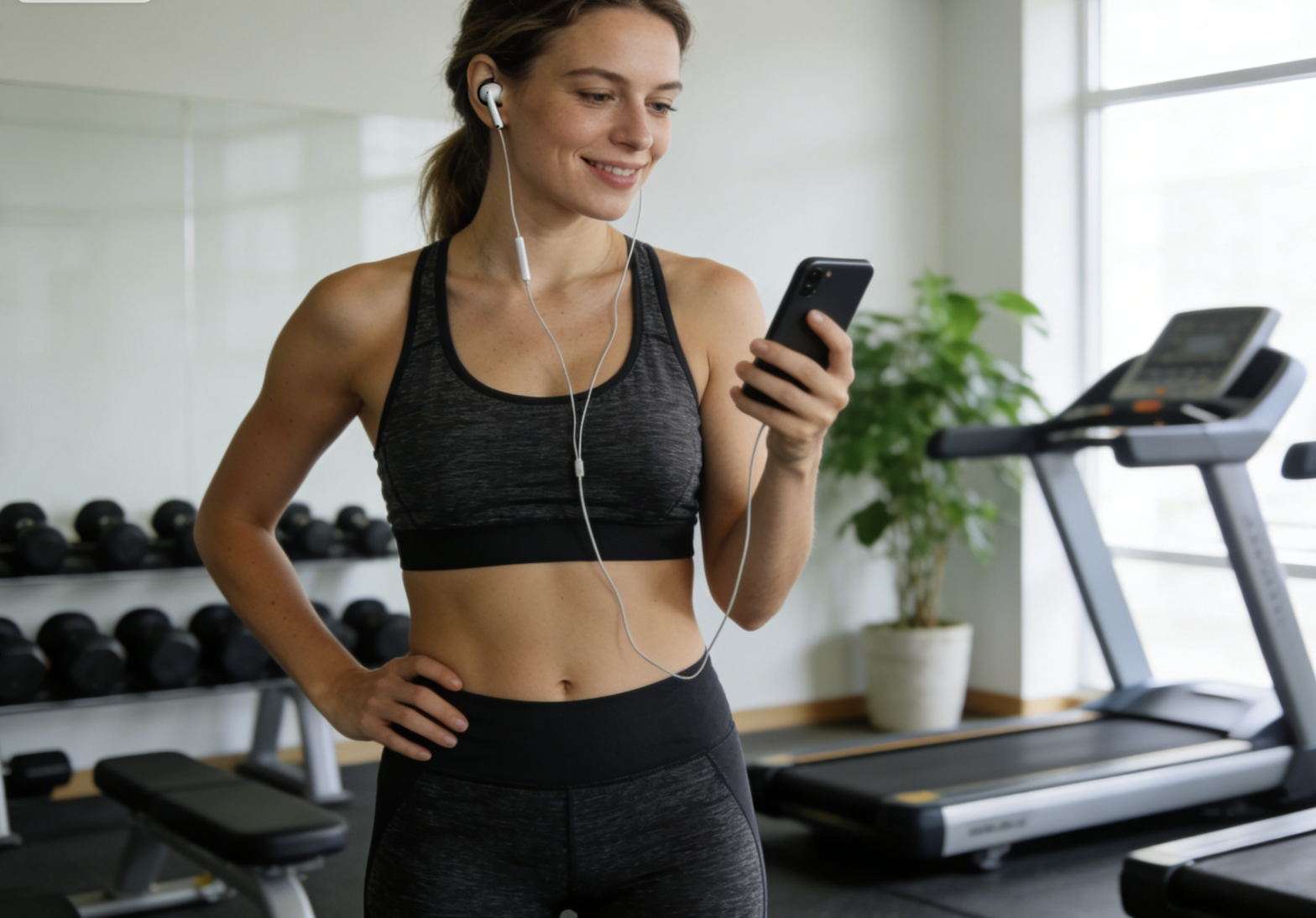
Weight Loss with Risk Prevention: Exercise Contraindications and Safety Guidelines for People with High Blood Pressure, High Cholesterol, and High Blood Sugar
Scientific exercise is essential for weight loss. This article details the exercise contraindications, precautions, and unsuitable groups for people with high blood pressure, high cholesterol, and high blood sugar. Safe exercise helps with weight loss while avoiding sports injuries and health risks.
2026-03-15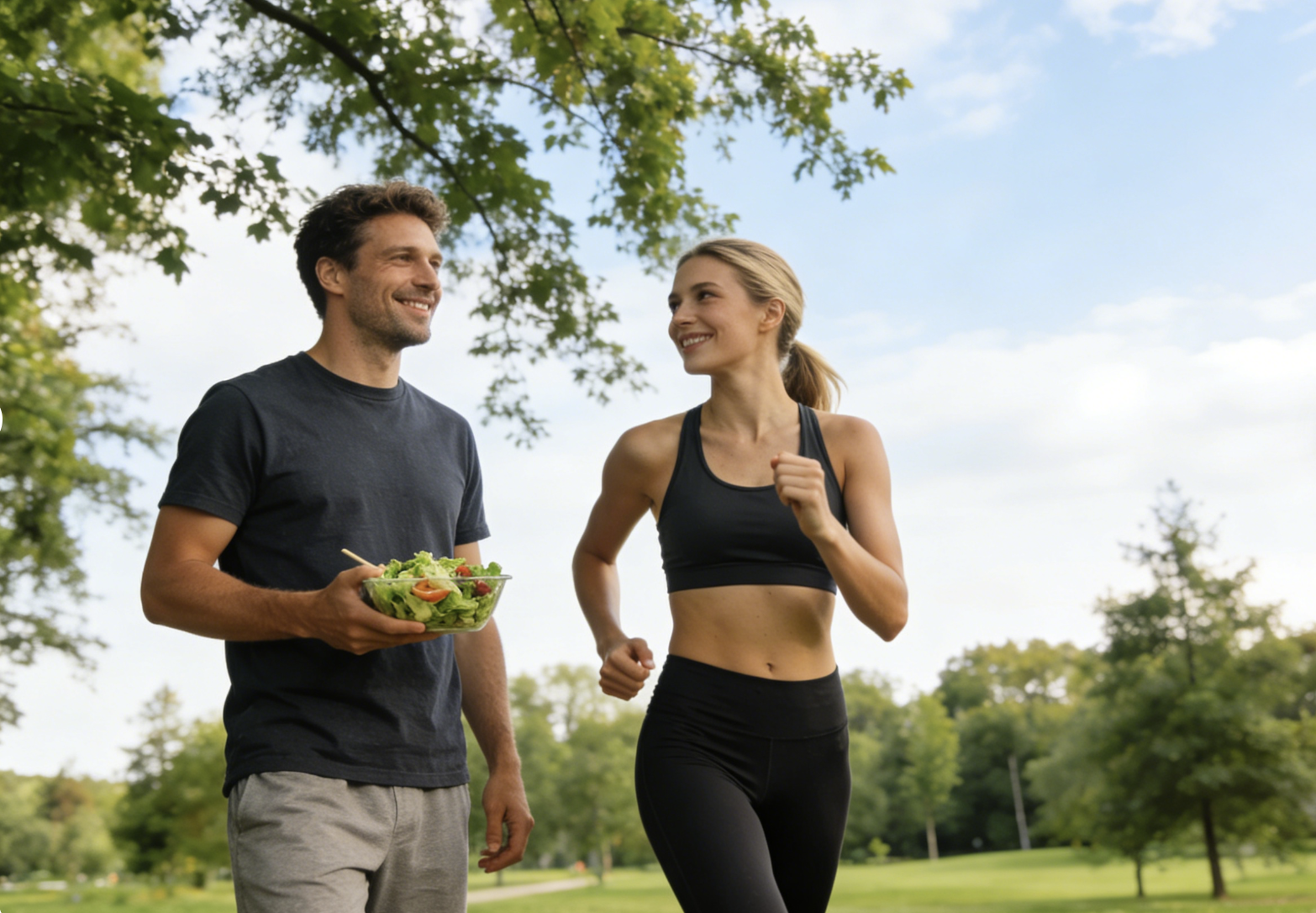
Weight Loss and Stabilizing Blood Pressure, Blood Sugar, and Cholesterol: Gentle Exercise Recommendations for People with These Conditions
Choose gentle exercises suitable for people with these conditions, such as jogging, brisk walking, strolling, and Tai Chi. These exercises can safely aid in weight loss while effectively stabilizing blood pressure, lowering blood sugar, and reducing cholesterol, allowing weight loss and health management to proceed simultaneously.
2026-03-15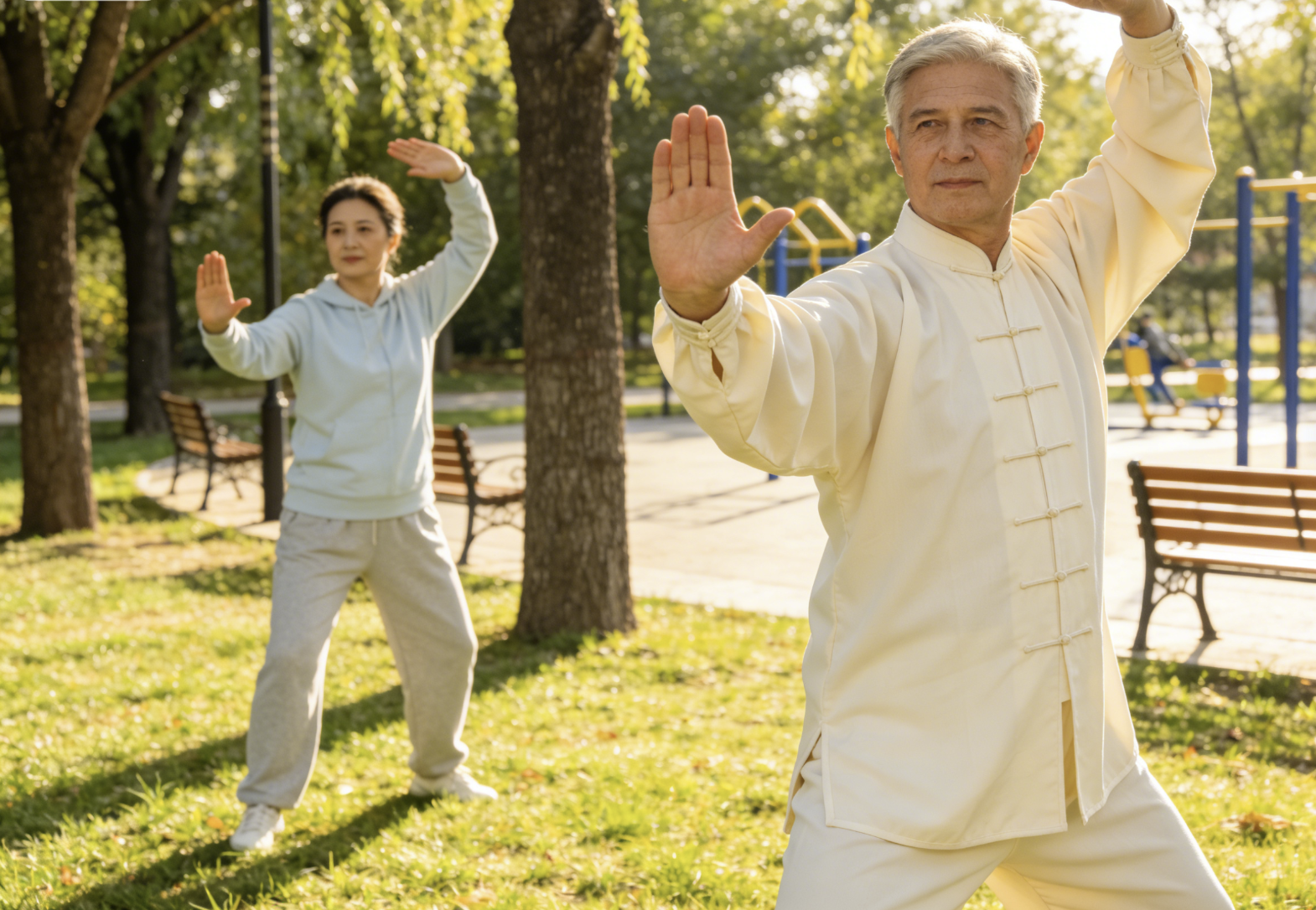
Weight Loss and Internal Organ Nourishment: A Guide to Baduanjin Qigong for People with High Blood Pressure, High Cholesterol, and High Blood Sugar
Consistent practice of Baduanjin can unblock qi and blood, regulate internal organs, and gently aid in weight loss. It is suitable for daily exercise for people with high blood pressure, high blood sugar, and high blood sugar. The movements are gentle and safe, allowing weight loss and physical fitness to proceed simultaneously.
2026-03-15