
Protecting Sub-health in the Psychological Dimension: A Three-Dimensional Model of Social Support Systems and Health Status
China is currently undergoing a period of social transformation. The existing social support system is gradually disintegrating and losing its function, while a new social support system is under construction and remains weak, making it difficult to effectively promote individual health. Specifically:
(1) The dominant form of social support—social support provided by workplaces—is rapidly disintegrating. A social support system with the establishment of modern enterprise systems and efficient administrative systems has not yet been truly established or is operational. This leaves the unemployed, laid-off workers, and the disabled, sick, and elderly without necessary social assistance, leading to sub-health in the psychological dimension due to life crises, and even inducing mental illnesses.
(2) The current dominant medical model is unable to provide effective assistance. Practice has shown that the traditional biomedical model is ineffective not only in treating mental, psychogenic, and functional diseases, but also in treating physical diseases. This is because, in addition to biological variables, human health is also influenced by psychological and social variables. Unfortunately, despite the various drawbacks of the traditional biomedical model and the gradual rise of the modern biopsychosocial medical model, the biomedical model still dominates in my country. This not only affects the accurate diagnosis and treatment of mental illnesses but also significantly weakens its preventative function, making it difficult to provide timely and effective assistance to people in a sub-healthy state.
(3) Increasingly fierce professional and academic competition leads to the weakening and alienation of professional interpersonal relationships, reducing social support from colleagues and classmates. Professional interpersonal relationships refer to the interpersonal relationships formed by people's professional and academic activities, among which colleague relationships and classmate relationships are the main forms and types of professional interpersonal relationships. The reform and opening up, and the development of a socialist market economy, have, on the one hand, greatly stimulated and strengthened people's need for professional interactions, promoting the development of professional interpersonal relationships; on the other hand, in the process of transitioning from a planned economy to a market economy, various forms of competition, including industry competition, professional competition, and academic competition, have become increasingly fierce. Moreover, these competitions are conducted irregularly under imperfect legal conditions, and many of these competitions are unfair. This has led to indifference, alienation, and weakening of interpersonal relationships among peers, colleagues, and classmates, and even to the emergence of estrangement and confrontation. As a result, the social support provided by professional interpersonal relationships such as peers, colleagues, and classmates has been greatly weakened.
(4) The other dominant form of social support—psychological support from family members—is not as strong as it used to be. Amidst rapid social change, the disintegration of traditional families, the emergence of DINK (double income, no kids) families, empty nest families, single-parent families, and unconventional families (such as widowed, orphaned, single-person, and cohabiting families), the estrangement between generations, and the weakening of marital bonds have all contributed to the gradual erosion of the family's reputation as a "haven for the soul." People are increasingly aware that when faced with crises or feeling helpless, they can no longer always receive the same strong support and assistance from their families as before.
For example, according to a report in the *China Youth Daily* on December 8, 2003, a survey on subjective well-being (the survey measured well-being based on 10 factors: experience of contentment and abundance, experience of mental health, experience of growth and development, experience of social confidence, experience of goals and values, experience of self-acceptance, experience of interpersonal adaptation, experience of physical health, experience of mental balance, and experience of family atmosphere) showed that among the respondents, those without marital relationships were more likely to feel happy than those with marital relationships. Even more surprisingly, only 3% of the respondents considered their marital relationships to be of high quality and perfect. While this situation is certainly related to the unreasonable expectations of marriage formed under the traditional cultural background, it also reflects, to some extent, the poor quality of marriage in contemporary Chinese society, which significantly diminishes the family's functions, including providing social support. Neurological clinical manifestations include: headache, dizziness, syncope, tinnitus, numbness, tension headache, suggestive headache, depressive headache, and anxiety headache. Clinical manifestations of the digestive system: irritable bowel syndrome, malabsorption, and dysbiosis. Depression, anxiety, obsessive-compulsive disorder, fear, paranoia, hypochondria, loneliness, low self-esteem, suicidal thoughts, jealousy, indecisiveness, feelings of loss, boredom, helplessness, discrimination and rejection, mental fatigue, social difficulties, and disharmony in sexual life. Role tension, intrarole conflict, extrarole conflict, and decreased quality of life.
What does sub-health mean for people's health? As is well known, the World Health Organization (WHO) defines health as: "a state of complete physical, mental and social well-being and not merely the absence of disease or infirmity." A closer analysis reveals that the "infirmity" mentioned in the WHO's definition is very close to the concept of sub-health. According to this WHO view of health, health is multidimensional, including three main aspects: physical, psychological, and social. Health is not only a biomedical concept, but also a psychological and sociological concept. If we categorize each aspect into only three possibilities: healthy, sub-healthy, and unhealthy (disease), and assume that the physical, psychological, and social aspects play equal roles (weights) in determining an individual's health status, then there are twenty-seven possible combinations, or 27 health states. In reality, people dynamically exist within these 27 health states. We can observe the following:
1. People are often in a relatively stable dynamic state along the physiological, psychological, and social axes. The stability of the state along each axis is influenced by and affects the states of other axes.
2. The state of each axis is constantly undergoing different transformations. These changes, based on quantitative changes, lead to qualitative changes. For example, if someone discovers their blood pressure is high, but it often fluctuates between high and normal, indicating a sub-healthy state, and they don't pay attention to these changes or look for the cause of the high blood pressure, 80% of them will develop hypertension (a disease) within six months. Conversely, if they discover their blood pressure is high and find the cause—a role conflict such as disharmony between superiors and subordinates—and find effective solutions (communicating with superiors, looking for the cause within themselves, avoiding conflict, or even adjusting their job position), while simultaneously strengthening their mental health (paying attention to sleep quality and learning relaxation techniques), the high blood pressure problem will disappear within two months.

A Scientific Guide to Choosing Medications for Patients with High Cholesterol: A Comprehensive Analysis of Commonly Used Lipid-Lowering Drugs
This article provides a detailed explanation of commonly used lipid-lowering medications for patients with hyperlipidemia, focusing on the mechanisms of action and target populations of statins. It aims to help patients understand how different medications regulate blood lipid levels, providing a reference for the scientific selection of lipid-lowering drugs and enabling safe and effective lipid management.
2026-03-12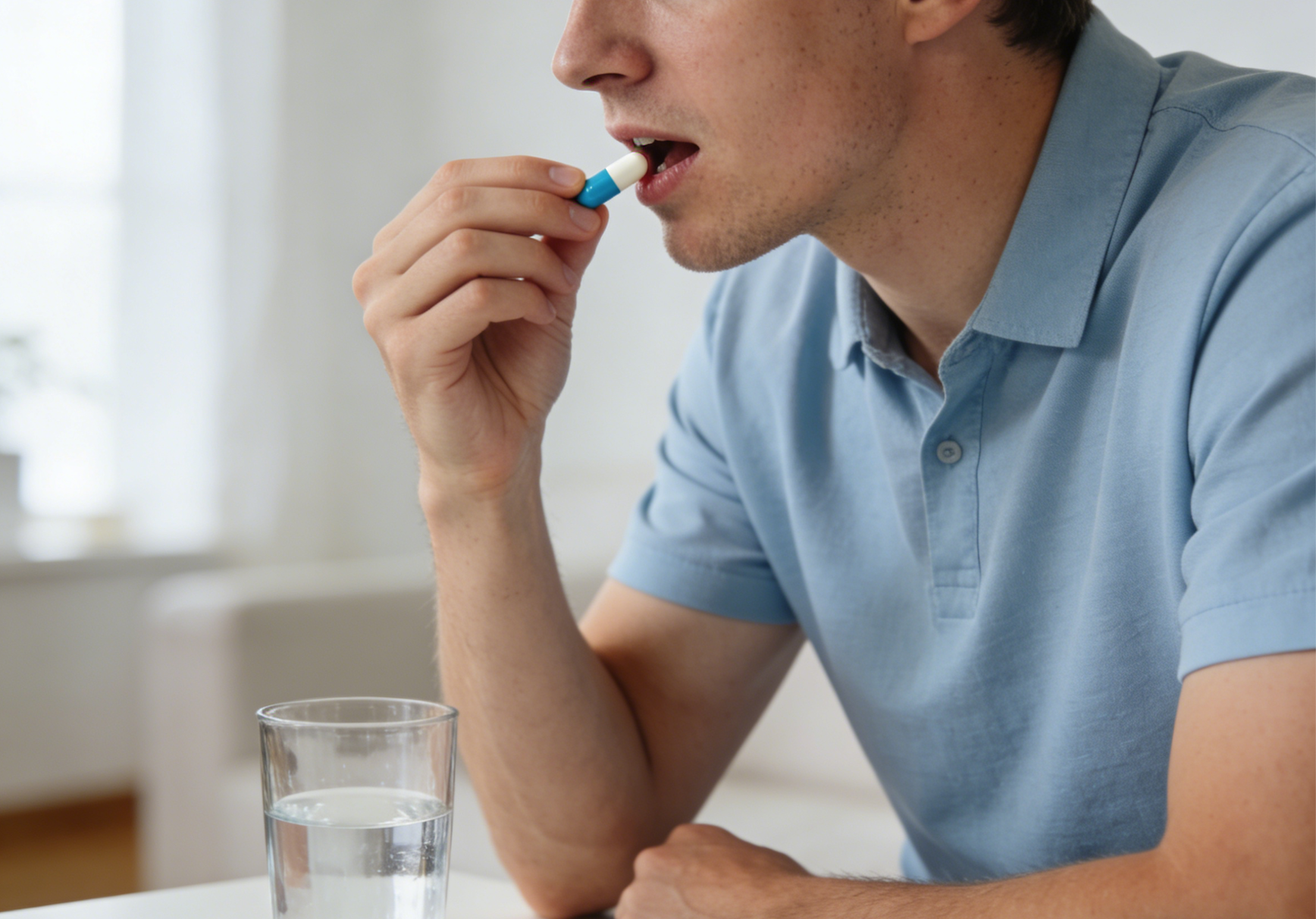
A comprehensive guide to fibrate medications for hyperlipidemia patients: mechanisms of action and usage guidelines.
This article provides a detailed analysis of the mechanism of action and indications of fibrate-type lipid-lowering drugs, helping patients understand how to effectively control blood lipid levels through medication. For hyperlipidemia primarily characterized by elevated triglycerides, fibrate drugs can rapidly regulate blood lipids and reduce cardiovascular risk, providing patients with scientific guidance on medication use.
2026-03-12
How should patients with hyperlipidemia choose between bile acid sequestrants and niacin-based medications?
This article provides a detailed overview of bile acid sequestrants and niacin-based medications used in the treatment of hyperlipidemia, explaining their respective lipid-lowering mechanisms and indications. It aims to help patients understand how different medications specifically target abnormal lipid levels and provides a clear reference for clinicians to rationally select medications and achieve effective lipid control.
2026-03-12